How to Make an Alfa Romeo Giulia Faster on a Budget
Want to know how to make an Alfa Romeo Giulia faster without spending a fortune? This guide covers budget-friendly engine upgrades, exhaust improvements, suspension tweaks, and smart maintenance habits that unlock real performance gains. Whether you drive the 2.0L Turbo or the 2.9L V6, these tips help you get more speed, better throttle response, and improved handling from your Giulia.
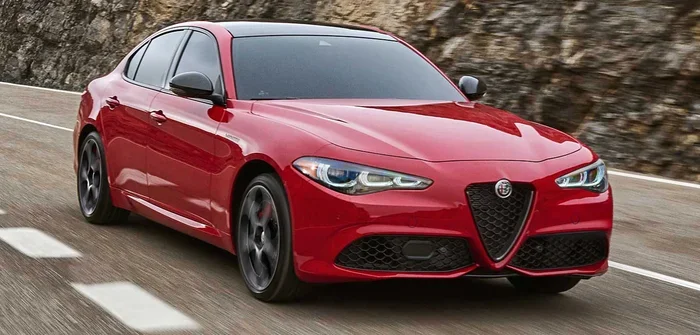
The Alfa Romeo Giulia is already a stunning car. It looks gorgeous, handles beautifully, and has that Italian soul that makes you fall in love with driving. But if you want more speed, more responsiveness, and more fun behind the wheel, there are plenty of ways to make your Giulia faster without emptying your wallet. You do not need a massive budget or a professional race shop. Many of the best upgrades cost under a few hundred dollars each, and together they can transform how your car feels on the road.
In this guide, we walk you through practical, proven ways to boost your Alfa Romeo Giulia’s performance. From simple bolt-on parts to maintenance habits that keep your engine running strong, every tip here is designed for real-world results. We focus on budget-friendly options so that enthusiasts at any level can improve their driving experience. Let us get into it.
Key Takeaways
- Cold air intake and exhaust upgrades are the easiest and most affordable ways to boost horsepower and improve throttle response.
- ECU remapping can unlock hidden power from your engine without replacing any parts.
- Upgrading suspension components like springs and dampers improves handling and makes the car feel much faster on twisty roads.
- Lightweight wheels and performance tires reduce unsprung weight and improve grip, giving you a noticeable difference in daily driving.
- Regular maintenance with high-quality synthetic oil and fresh spark plugs keeps your engine running at peak performance.
- Small changes add up — combining a few budget upgrades delivers better results than relying on one expensive modification.
📑 Table of Contents
Understanding the Alfa Romeo Giulia’s Performance Potential
Before you start buying parts, it helps to understand what you are working with. The Giulia comes in a few different flavors, and each one has its own performance personality. The base 2.0-liter turbocharged engine produces around 280 horsepower, which is plenty for daily driving. The higher-spec 2.9-liter V6 found in the Giulia Quadrifoglio pushes out 505 horsepower and delivers an incredible driving experience. No matter which version you have, there is room to squeeze out more performance.
Your Giulia’s factory tuning prioritizes reliability and emissions compliance over raw speed. This means the engine control unit, or ECU, leaves some power on the table. How to make an Alfa Romeo Giulia faster often starts with understanding these factory limitations and working within them. The good news is that the Giulia’s engine platform is very responsive to modifications, even modest ones.
What Limits Your Giulia’s Speed from the Factory
Several factors keep the Giulia from reaching its full potential straight from the showroom. The ECU maps are conservative, meaning the fuel injection timing and boost pressure are tuned for longevity rather than maximum output. The factory air intake system is designed to reduce engine noise, which restricts airflow. The exhaust system includes resonators and catalytic converters that create backpressure. Each of these restrictions can be addressed with affordable upgrades that make a real difference.
Engine Upgrades That Make a Real Difference
The heart of your Giulia is where the magic happens. Upgrading the engine is the most direct way to increase horsepower and torque. You do not need to rebuild the entire engine either. A few smart bolt-on parts can deliver noticeable gains in power and throttle response.
Cold Air Intake System
A cold air intake is one of the simplest and most effective upgrades you can make. The factory airbox restricts airflow and uses warm engine bay air, which is less dense and less efficient. A cold air intake replaces the stock airbox with a high-flow filter and smoother intake tube. This allows cooler, denser air to reach the engine, which improves combustion efficiency. Most cold air intakes cost between $150 and $350, and they are easy to install at home with basic tools.
After installing a cold air intake, many Giulia owners report a more aggressive engine sound and a slight improvement in throttle response. The power gains are modest on their own — typically around 5 to 10 horsepower — but they set the foundation for other upgrades to work even better.
Performance Spark Plugs
It is easy to overlook spark plugs, but they play a huge role in engine performance. Upgrading to high-performance spark plugs ensures a stronger, more consistent spark in each cylinder. This leads to better combustion, smoother acceleration, and slightly improved fuel efficiency. Brands like NGK and Bosch offer spark plugs specifically designed for performance applications. They are inexpensive — usually under $30 for a set — and take about 20 minutes to swap out.
ECU Remapping
An ECU remap is one of the most powerful upgrades you can do for your Giulia. The engine control unit manages fuel delivery, ignition timing, and boost pressure. A professional remap adjusts these parameters to unlock extra power that the factory settings deliberately hide. Depending on the engine, a remap can add 10 to 30 horsepower without any physical part changes.
The cost of an ECU remap typically ranges from $300 to $800, depending on the tuner. This is one of the best performance-to-dollar ratios of any upgrade. It is important to choose a reputable tuner who understands Alfa Romeo engines. A poorly executed remap can cause drivability issues or even damage the engine, so do your research before committing.
One thing to keep in mind: an engine can survive overheating only to a point. If you are pushing your Giulia harder with a remap, make sure your cooling system is in good shape. Monitor your temperature gauge and address any overheating issues immediately.
Exhaust and Air Intake Improvements
The exhaust system is where your Giulia breathes out, and a restricted exhaust robs your engine of power. Improving exhaust flow is one of the most satisfying upgrades because it changes how the car sounds and feels. A freer-flowing exhaust allows the engine to expel gases more efficiently, which improves performance across the entire power band.
Cat-Back Exhaust System
A cat-back exhaust replaces everything from the catalytic converter back to the rear of the car. This includes the exhaust pipes, resonators, and muffler. A quality cat-back system reduces backpressure and lets the engine breathe more freely. You will notice a deeper, more aggressive sound and a small boost in horsepower, usually around 5 to 10 HP.
Prices vary widely. Budget-friendly options from brands like Borla or MagnaFlow start around $400, while premium systems can cost over $1,500. Installation is straightforward if you have basic mechanical skills, or you can have a shop do it for a reasonable labor cost.
Downpipe Upgrade
The downpipe connects the exhaust manifold to the rest of the exhaust system. The factory downpipe is restrictive and designed to meet emissions standards. Upgrading to a high-flow downpipe removes this restriction and allows exhaust gases to exit the engine more quickly. This is especially effective on turbocharged engines like the Giulia’s 2.0-liter turbo, where exhaust flow directly impacts boost pressure.
A downpipe upgrade typically costs between $200 and $600. Combined with a cat-back exhaust, the results are even more pronounced. You will feel a firmer throttle response and a noticeable increase in mid-range torque.
Suspension and Handling Enhancements
Speed is not just about straight-line power. How your Giulia handles corners, bumps, and transitions defines the overall driving experience. Upgrading the suspension transforms the car from comfortable cruiser to sharp, engaging machine. The best part is that many suspension upgrades are surprisingly affordable.
Performance Coilovers
Coilovers replace your stock shocks and springs with adjustable units that let you fine-tune ride height and damping. Lowering the car reduces its center of gravity, which reduces body roll in corners and makes the car feel more planted. Performance coilovers for the Giulia range from $500 to $1,200 for a full set, depending on the brand.
Popular options include brands like KW, Bilstein, and Tein. If you are on a tight budget, adjustable coilover kits from more affordable brands still deliver a significant improvement over stock. The difference in handling is dramatic — your Giulia will feel like a completely different car on twisty roads.
Strut Tower Brace
A strut tower brace connects the two strut towers in the engine bay, stiffening the front end. This reduces chassis flex and improves steering response. It is a small part that costs around $50 to $150, and installation takes about 30 minutes. For the price, the handling improvement is remarkable. Your Giulia will feel more precise and more connected to the road.
Upgrading Your Tires
Your tires are the only part of your car that touches the road, so they matter more than almost any other component. Bad tires make your car shake at higher speeds, reduce grip, and compromise handling. Upgrading to performance tires like Michelin Pilot Sport or Continental SportContact gives you significantly more grip and confidence in corners.
You do not need the most expensive set on the market. A good set of performance tires in the $200 to $300 range per tire makes a huge difference. Combine this with proper wheel alignment, and the improvement in handling will blow you away.
Maintenance Tips to Keep Your Giulia Running Strong
Performance upgrades mean nothing if your engine is not properly maintained. Regular, quality maintenance is the foundation that makes every other upgrade work better. A well-maintained Giulia runs smoother, responds faster, and lasts longer.
Synthetic Oil Changes
Using high-quality synthetic oil is essential for a performance car like the Giulia. Synthetic oil flows better at extreme temperatures, reduces engine friction, and protects internal components more effectively than conventional oil. The Giulia’s turbocharged engine runs hot, so oil quality matters even more.
Many owners wonder, do I really need to change synthetic oil every 6 months? The answer is yes, especially if you drive aggressively or live in a hot climate. Fresh oil keeps the engine internals clean and ensures consistent lubrication. Skipping oil changes leads to sludge buildup and reduced performance over time.
Cooling System Care
Your Giulia’s cooling system keeps the engine at the right temperature. If the system is low on coolant, the engine can overheat, which causes damage and reduces performance. No coolant can make a car overheat very quickly, leading to warped head gaskets and costly repairs. Check your coolant level regularly and flush the system every 30,000 miles.
Consider upgrading to a high-performance coolant that offers better heat transfer than stock fluid. This is a small investment that protects your engine, especially if you have done any tuning or remapping.
Air Filter Replacement
A clogged cabin air filter does not directly affect engine performance, but it does impact how the car feels inside. Reduced airflow through the cabin filter can make the interior feel stuffy and reduce airflow to the climate control system. Replace your cabin air filter every 15,000 to 20,000 miles to keep the interior fresh and the system working properly.
For the engine air filter, the performance cold air intake you install will serve this purpose. Just remember to clean and reoil the filter element regularly to maintain airflow.
Budget-Friendly Upgrades That Deliver Results
You do not need to spend thousands of dollars to notice a real improvement. Small, strategic upgrades add up and create a cumulative performance boost that feels much larger than any single modification. Here are the best budget-friendly upgrades for your Giulia.
Lightweight Wheels
Reducing unsprung weight is one of the most effective ways to improve performance. Lighter wheels mean the suspension can react faster, the car accelerates quicker, and braking distances shorten. A set of lightweight alloy wheels costs between $300 and $800, and the difference on the road is immediately noticeable. Look for wheels that are at least 2 to 3 pounds lighter per wheel than your stock setup.
Throttle Response Controller
A throttle response controller is a small electronic device that plugs into your Giulia’s throttle sensor. It modifies the signal to make the throttle more responsive, eliminating the lag you feel when pressing the pedal. This is a plug-and-play upgrade that costs around $50 to $150. It does not add horsepower, but it makes the car feel significantly quicker and more engaging to drive.
Performance Brake Pads
Better brakes give you the confidence to push your Giulia harder. Performance brake pads offer improved stopping power and better feel, especially when warm. They are affordable — typically $50 to $100 for a full set — and installation is straightforward. Upgraded pads are one of the most cost-effective safety and performance improvements you can make.
Weight Reduction
Every pound matters. Remove unnecessary items from your trunk and cabin. Replace heavy stock parts with lighter alternatives where possible. While this is not an upgrade you buy, it is a free modification that improves acceleration, handling, and braking. Clean out your Giulia and keep it as light as you can.
When you combine a cold air intake, a cat-back exhaust, performance spark plugs, and a throttle response controller, the total cost can stay under $1,000. That is a remarkable amount of performance for the money. How to make an Alfa Romeo Giulia faster does not require a huge budget — it requires smart choices.
What Not to Skip: The Importance of Quality Parts
It can be tempting to go with the cheapest parts available, especially on a budget. But cheap parts can compromise reliability and even damage your engine. Always buy from reputable brands and trusted retailers. If you are unsure about a part, check reviews and forums where Giulia owners share their experiences. Can an engine survive overheating? Only if you take care of it properly, and that starts with quality components.
Keeping Your Giulia in Top Shape Long-Term
Performance upgrades are fun, but they work best on a healthy foundation. Stick to the manufacturer’s maintenance schedule, use quality fluids, and address issues promptly. A well-cared-for Giulia will reward you with years of driving pleasure and consistent performance gains from your upgrades.
Remember that how long can a hybrid sit without being driven is a concern for some modern cars, but the Giulia is not a hybrid, so battery drain is not an issue. However, if you do not drive your Giulia regularly, make sure to start it and let it run for at least 15 minutes weekly to keep the battery charged and the engine lubricated.
The journey of making your Giulia faster is ongoing. Start with the basics — intake, exhaust, and spark plugs — and build from there. Each upgrade compounds the benefits of the last one. Before long, you will have a car that is faster, sharper, and more engaging than when it left the factory. And the best part is, you did it all on a budget.
How to make an Alfa Romeo Giulia faster on a budget comes down to three things: smart part choices, consistent maintenance, and a willingness to get your hands dirty. Whether you are a seasoned wrench-turner or a weekend DIYer, these upgrades are within your reach. Your Giulia has more potential than the factory settings allow. Unlock it, enjoy it, and share the drive.
Frequently Asked Questions
What is the cheapest way to make an Alfa Romeo Giulia faster?
The cheapest and easiest upgrade is a performance air filter or cold air intake, which costs under $150 and improves throttle response noticeably. Pairing this with a throttle response controller for around $50 gives you an immediate feel-good improvement without spending much money at all.
Does an ECU remap void the warranty on a Giulia?
It can. Most dealerships consider ECU remapping a modification that may void parts of your powertrain warranty. If your Giulia is still under warranty, check with your dealer before proceeding. If the warranty has expired, a professional ECU remap is a safe and effective way to add power.
How much horsepower can I gain from exhaust upgrades alone?
A cat-back exhaust system typically adds 5 to 10 horsepower on its own. When combined with a downpipe upgrade, the total gain can reach 15 to 20 horsepower depending on the engine variant. The biggest benefit is often the improved throttle response and the deeper exhaust note.
Are lightweight wheels worth the investment for a Giulia?
Absolutely. Reducing unsprung weight improves acceleration, braking, and handling more than most people expect. Even a modest weight reduction of 5 to 10 pounds per wheel makes a noticeable difference in how the car feels during everyday driving and spirited runs.
How often should I change the oil in a performance-tuned Giulia?
If you have done any engine tuning or remapping, you should change the oil every 5,000 to 6,000 miles using full synthetic oil that meets Alfa Romeo specifications. Regular oil changes are even more important when the engine is working harder, and they help protect your investment in performance upgrades.
Can I install these upgrades myself, or do I need a mechanic?
Many of these upgrades — cold air intake, spark plugs, brake pads, and a throttle response controller — are straightforward DIY jobs with basic tools. More complex upgrades like a cat-back exhaust or ECU remap may require professional installation, especially if you want to ensure everything is done correctly and safely.
=== CONCLUSION ===
Making your Alfa Romeo Giulia faster on a budget is entirely achievable with the right approach. Start with simple bolt-on upgrades like a cold air intake, performance exhaust, and better spark plugs. Add an ECU remap for a significant power boost without breaking the bank. Improve handling with suspension upgrades, lightweight wheels, and performance tires. And never underestimate the power of consistent, quality maintenance to keep your Giulia running at its best.
Every upgrade you make builds on the last one, creating a cumulative effect that transforms your driving experience. You do not need to spend a fortune to notice a real difference. With the tips in this guide, you can unlock more speed, better handling, and more driving joy from your Alfa Romeo Giulia — all while staying within your budget. Get out there, make those upgrades, and enjoy every moment behind the wheel.