How to Reset the Check Emission System on an Acura TSX
Resetting the check emission system on your Acura TSX is a straightforward process that can save you time and money. This guide walks you through using an OBD-II scanner, disconnecting the battery, and completing a drive cycle to clear the check engine light. You’ll learn how to fix common emission system faults and prevent the light from returning.
Nothing scares a driver more than seeing the check engine light flash on the dashboard. If you own an Acura TSX, a glowing emission warning can feel like a mystery. The good news is that resetting the check emission system is often straightforward. You don’t need to be a mechanic to clear the light and get back to normal driving.
In this guide, we’ll walk you through the exact steps to reset the check emission system on your Acura TSX. You’ll learn how to use an OBD-II scanner, when disconnecting the battery works, and how to complete a drive cycle. We’ll also cover common causes and how to stop the light from coming back. Whether you’re a DIY enthusiast or just want to understand the process, this guide has you covered.
The check emission system light is part of your Acura’s onboard diagnostics. When the emission control system senses a problem, it stores a fault code and illuminates the warning. Understanding what triggers the light is the first step toward a successful reset. Let’s dive into the details.
Key Takeaways
- Use an OBD-II scanner: The safest and most accurate way to reset the check emission system and clear codes.
- Battery disconnect works too: You can reset the system by disconnecting the negative terminal for 15 minutes, but this clears other settings as well.
- Always complete a drive cycle: This allows the car’s computer to run all emission self-tests after a reset.
- Fix the root cause first: Resetting the light without addressing the underlying problem will only cause it to return.
- Prevent future issues: Regular maintenance, tight gas caps, and quality fuel keep the emission system healthy.
- Seek professional help when needed: A Honda dealership can perform a professional reset and run advanced diagnostics.
📑 Table of Contents
Understanding the Check Emission System on Your Acura TSX
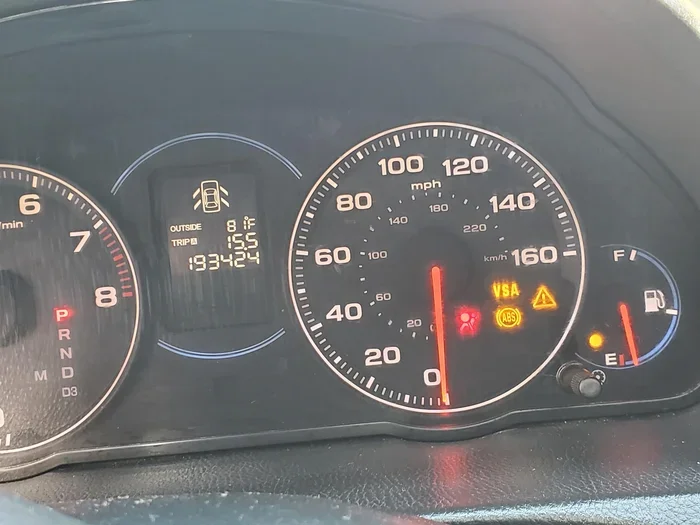
The emission system in your Acura TSX controls the gases your car releases. It includes parts like the catalytic converter, oxygen sensor, and EVAP system. When something goes wrong, the car’s computer stores a diagnostic trouble code and turns on the check engine light. This light is your first warning that the emission control system needs attention.
What Triggers the Check Emission Light
The light comes on when the onboard diagnostics system detects a fault. Common triggers include a loose gas cap, a failing oxygen sensor, or a leak in the EVAP system. Sometimes a faulty catalytic converter can also cause the light. The system monitors these parts constantly. If a reading falls outside the normal range, it sets a fault code and illuminates the warning.
Many owners assume the light means a serious problem. In reality, a loose gas cap causes more than 20% of check emission light incidents. Always check the simplest fix first.
Common Causes in the Acura TSX
Several issues show up often in the Acura TSX. Here are the most common ones:
- Loose or damaged gas cap: A loose cap lets fuel vapors escape. This triggers an EVAP leak code.
- Faulty oxygen sensor: The sensor measures exhaust oxygen. A bad reading causes the engine to run rich or lean.
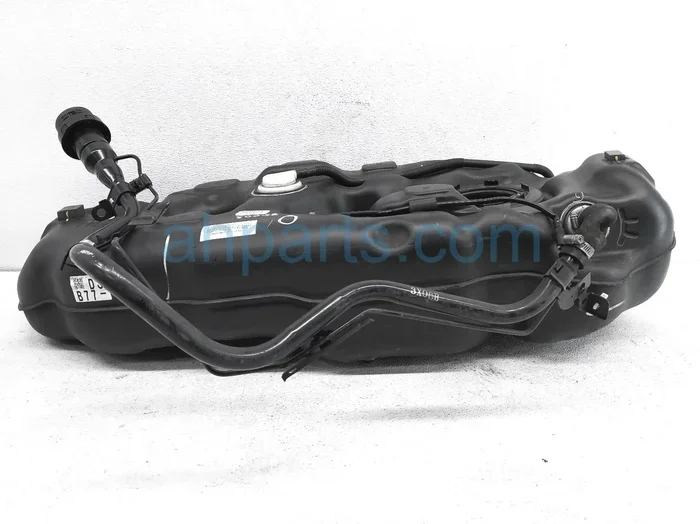
- Catalytic converter failure: A clogged converter reduces efficiency and raises emissions.
- EVAP system leak: The system traps fuel vapors. A small leak sets a code.
- Bad spark plugs: Misfires send unburned fuel into the exhaust.
Fixing these issues before resetting the check emission system prevents the light from returning.
Tools You’ll Need for the Reset
You have two main ways to reset the system. One uses a scanner, and the other uses a manual method. Let’s look at the tools you need for each.
OBD-II Scanner Options
An OBD-II scanner is the best tool for the job. It plugs into the diagnostic port under your dashboard. The scanner reads fault codes and can clear them. You can buy a basic OBD2 scanner for under $50. More advanced models show live data and freeze frame data. Many auto parts stores will let you borrow one for free.
If you also want to learn how to read other codes without expensive tools, check out How To Read ABS Codes Without A Scanner for a general guide on using diagnostic tools.
Alternative Methods Without a Scanner
You can also reset the system without a scanner. The most common method is disconnecting the battery. This works, but it has some side effects. Let’s compare the two methods so you can choose the best one for your situation.
| Method | Pros | Cons | Best For |
|---|---|---|---|
| OBD-II Scanner | Clears codes quickly, reads live data, precise | Requires purchase or borrowing | Most accurate reset and diagnosis |
| Battery Disconnect | Free, no tools needed, easy | May reset other modules, requires drive cycle | Quick temporary fix when scanner is unavailable |
For most owners, the OBD-II scanner method is the safest and most complete. It clears only the emission codes and leaves other settings intact.
How to Reset the Check Emission System on an Acura TSX: Step-by-Step Guide
Now let’s walk through the process. Follow these steps carefully for a successful reset check engine light procedure.
Using an OBD-II Scanner
- Locate the OBD-II port under your dashboard on the driver’s side.
- Plug the scanner into the port.
- Turn the ignition to ON (do not start the engine).
- Press the read codes button on the scanner.
- Write down the diagnostic trouble codes that appear.
- Press the clear codes button to erase them.
- Turn the ignition off and then back on.
- Check if the check engine light is off.
Once the light is off, your clear emission codes process is complete. The car’s computer will start fresh tests during your next drive.
Resetting by Disconnecting the Battery
Some owners ask, Does Unplugging A Car Battery Reset Codes? The answer is yes. Here’s how to do it safely:
- Turn off the engine and remove the key.
- Open the hood and locate the negative battery terminal.
- Use a wrench to loosen the cable on the negative terminal.
- Disconnect the cable and let it sit for 15 minutes.
- Reconnect the cable and tighten it securely.
- Start the engine and let it idle for a few minutes.
This method resets the emission system and clears the light. However, it also clears other stored data like radio presets and clock settings. You’ll need to set those again.
Completing a Drive Cycle
After clearing codes, you must complete a drive cycle. This tells the car’s computer that the issue is resolved. A drive cycle usually involves:
- Starting the engine and letting it idle for 2-3 minutes.
- Driving at a steady speed of 30-40 mph for 5 minutes.
- Accelerating gently to 55 mph and holding for 5 minutes.
- Decelerating without braking for 2 minutes.
- Idling again for 2 minutes.
The exact cycle varies by model year. Check your Acura TSX owner’s manual for the specific drive cycle. Completing this step ensures the check emissions system passes all self-tests.
Common Mistakes to Avoid
Resetting the light without fixing the root cause is the biggest mistake. Other errors include driving aggressively right after a reset and skipping the drive cycle. These habits cause the light to return quickly. Always diagnose the code first, then reset, then complete the drive cycle.
- Use an OBD-II scanner: The safest and most accurate way to reset the check emission system and clear codes.
- Battery disconnect works too: You can reset the system by disconnecting the negative terminal for 15 minutes, but this clears other settings as well.
- Always complete a drive cycle: This allows the car’s computer to run all emission self-tests after a reset.
What to Do If the Light Comes Back
If the check engine light returns after a reset, you have an unresolved problem. Don’t just reset it again. Here’s what to do.
Diagnosing Recurring Emission Codes
Use your scanner to read the code again. Common recurring codes point to specific parts:
- P0440: EVAP system malfunction. Check the gas cap and fuel tank seal.
- P0135: Oxygen sensor heater circuit. The sensor may need replacement.
- P0420: Catalyst system efficiency below threshold. The catalytic converter may be failing.
Fix the root cause before you attempt another emission system reset. Ignoring the code will only make the light return.
When to Seek Professional Help
If you’re not comfortable diagnosing the issue, you can seek help. You might wonder Can I Take My Acura To A Honda Dealership? Yes, you can. A Honda dealership has the tools and expertise to perform a professional emission system reset. They can also run advanced diagnostics to find hidden faults.
Dealers can also check if your Acura TSX is under warranty. Many emission system repairs are covered for the first 8 years or 80,000 miles. This can save you hundreds of dollars.
Preventing Future Emission System Issues
Once you’ve reset the light, you want to keep it off. Regular care goes a long way in protecting your emission system.
Regular Maintenance Tips
- Check the gas cap regularly: Make sure it clicks tight after every fill-up.
- Replace the oxygen sensor on schedule: This sensor wears out over time and affects fuel mixture.
- Use quality fuel: Top-tier gasoline helps keep the catalytic converter clean.
- Follow the Acura maintenance schedule: Regular oil changes and spark plug replacements reduce emissions.
- Inspect the EVAP system: Look for cracked hoses or loose connections during routine checks.
Driving Habits That Protect Your Emission System
- Avoid short trips when possible: Short trips don’t let the engine reach full operating temperature.
- Let the engine warm up fully: A warmed-up engine runs cleaner and more efficiently.
- Fix small issues early: A small misfire today can become a big emission problem tomorrow.
- Use the correct gasoline grade: Using the recommended octane prevents knocking and sensor damage.
These habits keep your check emission system healthy and your Acura TSX running smoothly for years.
Final Thoughts on Resetting the Check Emission System
Resetting the check emission system on an Acura TSX doesn’t have to be intimidating. With the right tools and a little patience, you can clear the light and get back on the road. Always address the root cause to keep your emission system healthy and your car running smoothly. A quick reset is only a band-aid if the underlying problem remains. Take the time to diagnose and fix the issue, and your Acura TSX will reward you with cleaner emissions and better performance.
Now you have everything you need to tackle this common car problem. Grab your scanner or wrench, follow the steps, and enjoy the confidence of a job well done. A properly functioning check emissions system means your car is running clean and efficient. Keep up with regular maintenance, and the light will stay off for miles to come.
Frequently Asked Questions
Can I drive my Acura TSX with the check emission light on?
Yes, you can drive short distances, but it’s best to address the issue quickly. The light indicates a problem that could affect fuel economy and performance. Ignoring it may lead to more expensive repairs later.
How much does it cost to reset the check emission system at a dealer?
Many dealers will reset the system for free if your vehicle is under warranty. Out of warranty, the cost typically ranges from $50 to $100 for diagnostics. Some independent shops offer lower rates for the same service.
Will disconnecting the battery damage my Acura TSX?
No, disconnecting the battery will not damage your car. However, it will reset other modules like the radio, clock, and power windows. You may need to re-enter a radio security code or re-set your clock after reconnecting.
What is a drive cycle and why is it important?
A drive cycle is a series of driving conditions that allow the car’s computer to run emission self-tests after a reset. It ensures the system is ready for an emission test. Without completing it, the readiness monitors may not be set, causing you to fail a state inspection.
Can I pass an emission test with the check engine light on?
In most states, a lit check engine light means an automatic fail. The light indicates an active emission fault. Even if the car runs fine, the test will not pass until the light is off and the readiness monitors are complete.
How often should I check my emission system?
You should check the system during regular Acura maintenance intervals. If you notice a drop in fuel economy or unusual exhaust smells, inspect it sooner. Catching small issues early prevents costly repairs and keeps your car road-ready.