How to Turn Off Regenerative Braking on Tesla Model 3
Turning off regenerative braking on a Tesla Model 3 is simple but requires a few steps in the vehicle settings menu. This feature, also known as brake regeneration, helps recover energy while driving but may not suit every driver. In this guide, we walk you through exactly how to adjust your regenerative braking settings and what changes to expect.
If you are a Tesla Model 3 owner, you have probably noticed how the car slows down when you lift your foot off the accelerator. This is regenerative braking at work. It is one of the most distinctive features of electric vehicles. But not everyone loves it. Some drivers find it confusing, especially during the first few weeks behind the wheel. Others simply prefer the feel of a traditional brake pedal. Whatever your reason, turning off regenerative braking on a Tesla Model 3 is entirely possible. In this guide, we will show you exactly how to do it, what happens when you do, and whether it is the right choice for your driving style.
The Tesla Model 3 gives you full control over your driving experience. From the touchscreen, you can adjust everything from suspension firmness to how the car behaves when you take your foot off the gas. Regenerative braking settings are part of this customization. Whether you want to maximize energy recovery or switch to a more conventional driving feel, Tesla has you covered. Let us dive into everything you need to know about adjusting this feature.
Key Takeaways
- Easy to Access: You can turn off regenerative braking directly from the Tesla Model 3 touchscreen settings in just a few taps.
- Changes Driving Feel: Disabling brake regeneration removes the one-pedal driving sensation and gives you a more traditional brake pedal feel.
- Energy Impact: Turning off regenerative braking means less energy recovery, which can slightly reduce your driving range.
- Safe to Switch: You can toggle this setting anytime while driving or parked without risking damage to your vehicle.
- Customizable Levels: Tesla offers low, standard, and high regenerative braking modes, plus the option to fully disable it.
- Familiar to ICE Drivers: Disabling regen makes the Tesla Model 3 feel more like a conventional car with a gas engine.
📑 Table of Contents
- What Is Regenerative Braking on the Tesla Model 3?
- Why Would You Want to Turn Off Regenerative Braking?
- Step-by-Step Guide to Turning Off Regenerative Braking
- What Happens When You Turn Off Regenerative Braking?
- Tips for Driving Without Regenerative Braking
- Should You Turn Off Regenerative Braking?
- Conclusion
What Is Regenerative Braking on the Tesla Model 3?
Before we talk about turning it off, it helps to understand what regenerative braking actually does. When you lift your foot off the accelerator pedal, the electric motor in your Tesla Model 3 reverses direction. Instead of using power to move the car, it acts as a generator. This converts the vehicle’s kinetic energy back into electrical energy, which gets stored in the battery. This process is called energy recovery, and it is one of the biggest advantages of driving an electric vehicle.
Regenerative braking does two things at once. First, it slows your car down. Second, it puts energy back into the battery. This means you get more range from every trip. Many Tesla drivers grow to love the one-pedal driving experience. With strong regenerative braking, you can slow down and stop without ever touching the brake pedal. It feels smooth and intuitive once you get used to it.
However, some drivers find this system jarring. The sudden deceleration when lifting off the accelerator can feel unexpected. Passengers might lurch forward. It takes time to adjust your driving habit to match the regen strength. This is exactly why Tesla allows you to customize or completely turn off this feature.
Why Would You Want to Turn Off Regenerative Braking?
There are several perfectly valid reasons to disable regenerative braking on your Tesla Model 3. Let us explore the most common ones.
You Prefer a Traditional Driving Feel
If you have spent years driving a gas-powered car, the one-pedal driving sensation can feel strange. Your right foot is used to resting on the accelerator and moving to the brake when needed. With strong regen, you barely need the brake pedal at all. Some drivers find this uncomfortable or unnatural. Turning off brake regeneration gives you back the familiar feel of a conventional vehicle. The car will coast more naturally, just like a car with an internal combustion engine.
You Want Smoother Deceleration
Regenerative braking can sometimes feel abrupt, especially at higher speeds. When you lift off the accelerator, the car grabs speed quickly. This can be jarring for passengers, especially children or older adults. Disabling regen creates a smoother, more gradual coasting experience. Your rides become more comfortable, and you have finer control over your speed.
You Are Driving in Specific Conditions
There are situations where turning off regenerative braking makes sense. For example, when driving on icy or slippery roads, sudden deceleration from regen can cause the tires to lose traction. With regen disabled, you rely more on gentle friction braking, which can be easier to control. Similarly, if you are descending a long hill, you might prefer to use the traditional brakes rather than relying entirely on regen, which can overheat the brakes over time.
Interestingly, the way you customize your car’s features is similar to how you might adjust other vehicle settings. Just as some drivers wonder whether Subaru headlights turn off automatically, Tesla owners often explore every customizable feature to match their preferences. The Tesla Model 3 offers a wide range of adjustments, and regenerative braking is one of the most impactful.
Battery and Energy Considerations
When you turn off regenerative braking, your car stops recovering energy during deceleration. This means you use a bit more energy overall. Over time, this can slightly reduce your driving range. However, for most drivers, the difference is minimal. If you primarily drive short trips or charge regularly, this trade-off is usually not a concern. On the other hand, if you are trying to maximize every mile, keeping regen enabled is the better choice. It is worth noting that Tesla batteries, like all batteries, benefit from proper maintenance. Just as you might wonder how long a hybrid can sit without being driven, understanding how your Tesla’s energy systems work helps you take better care of the vehicle.
Step-by-Step Guide to Turning Off Regenerative Braking
Now let us get to the part you have been waiting for. Here is exactly how to turn off regenerative braking on your Tesla Model 3. The process is straightforward and takes only a minute.
Step 1: Park Your Vehicle
Make sure your Tesla Model 3 is parked and in park. While you can change this setting while driving, it is safer to do it when the car is stationary.
Step 2: Go to Controls
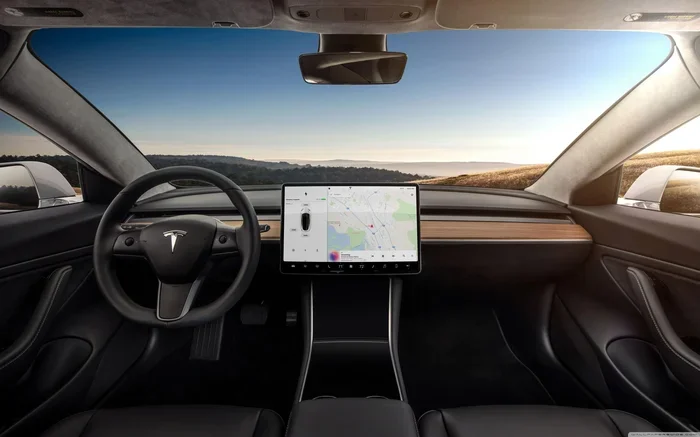
Tap the Controls icon on the touchscreen. It looks like a steering wheel and is located at the bottom of the screen.
Step 3: Open the Pedals & Steering Menu
From the Controls menu, select Pedals & Steering. This is where you will find all the settings related to how your car responds to your inputs.
Step 4: Adjust Regenerative Braking
Look for the Regenerative Braking option. Tap on it. You will see three choices:
- Low: Minimal regenerative braking. The car coasts more freely.
- Standard: Moderate regenerative braking. This is the default setting for most Tesla Model 3 vehicles.
- High: Maximum regenerative braking. This gives you the strongest one-pedal driving experience.
To fully turn off regenerative braking, select the option that disables it. On most Tesla Model 3 vehicles, this means setting it to the lowest level or selecting the off position if available. Tesla occasionally updates its software, so the exact wording may vary slightly depending on your vehicle’s firmware version.
Step 5: Confirm Your Selection
Once you have made your choice, the change takes effect immediately. You will notice the difference right away when you lift your foot off the accelerator.
It is worth mentioning that adjusting your driving settings is part of what makes the Tesla experience so personal. Much like driving a Rav4 without a key fob is a feature that adds convenience, being able to toggle regenerative braking on the fly adds a layer of customization that many Tesla owners appreciate.
What Happens When You Turn Off Regenerative Braking?
Once you disable regenerative braking, your Tesla Model 3 will feel noticeably different. Here is what changes and what stays the same.
Driving Feel
The most obvious change is how the car behaves when you lift your foot off the accelerator. Instead of slowing down quickly, the car will coast. It will feel much more like a traditional gas-powered vehicle. You will need to use the brake pedal more often to slow down and stop. Some drivers describe this as a relief, especially if they found the one-pedal driving mode too aggressive.
Energy Recovery
With regenerative braking turned off, your car no longer recovers energy during deceleration. The electric motor simply freewheels. This means slightly more energy consumption per trip. Your range may decrease by a small margin, usually around 5 to 10 percent depending on your driving conditions and habits.
Brake Wear
When regenerative braking is active, it handles most of the slowing down, which reduces wear on your friction brakes. The brake pads and rotors last longer as a result. When you turn off regen, the brake pads do more work. Over time, this can lead to slightly more frequent brake maintenance. However, Tesla brake systems are designed to last a long time, so this is not a major concern for most drivers.
Battery Health
Regenerative braking helps keep your battery charged during normal driving. Turning it off means the battery relies more on the charging station to replenish. This does not harm the battery in any way. Tesla batteries are robust and designed to handle thousands of charging cycles. Think of it like asking whether a Prius can run with a dead battery — the battery system is built to be resilient, and toggling regen is just a normal part of vehicle operation.
Tips for Driving Without Regenerative Braking
If you decide to turn off regenerative braking, here are some practical tips to help you adjust.
- Use the Brake Pedal More: Without regen, you are responsible for all deceleration. Get comfortable with gentle brake application.
- Adjust Your Following Distance: Since your car coasts more, you may need a slightly longer following distance to safely stop.
- Plan Your Routes: Without energy recovery, your range may be slightly shorter. Plan charging stops accordingly.
- Try It on Familiar Roads First: Test the new driving feel on roads you know well before taking unfamiliar routes.
- Switch Back Anytime: You can always re-enable regenerative braking from the same menu. There is no penalty for switching back and forth.
Remember, every driver is different. What works for one person may not work for another. The beauty of the Tesla Model 3 is that you can experiment and find the setting that suits you best. If you change your mind after a week of driving without regen, simply go back into the settings and switch it back on. The transition is seamless.
Customizing your vehicle extends beyond just braking. Many Tesla owners explore various features to get the most out of their car. For instance, some owners ask whether they can take their Acura to a Honda dealership for service, reflecting a broader curiosity about vehicle ownership and maintenance options. Similarly, understanding your Tesla’s full range of features, including regenerative braking, helps you become a more confident and informed owner.
Should You Turn Off Regenerative Braking?
This is the big question, and the answer depends on your personal preferences and driving needs. If you enjoy the one-pedal driving experience and want to maximize your range, keep regenerative braking enabled. It is one of the smartest features electric vehicles offer. But if you find it uncomfortable, distracting, or simply prefer a more traditional feel, there is no reason to keep it on.
The Tesla Model 3 is designed to be flexible. You are not stuck with one setting forever. Try disabling regenerative braking for a few days and see how it feels. Many drivers switch back and forth between settings depending on their mood, the weather, or the type of trip they are taking. There is no wrong answer here.
Ultimately, the goal is to make your driving experience as enjoyable and comfortable as possible. Tesla has built incredible flexibility into the Model 3, and the regenerative braking setting is just one example of how the company puts the driver in control.
Conclusion
Turning off regenerative braking on your Tesla Model 3 is a simple process that can significantly change how your car feels on the road. Whether you want a more traditional driving experience, smoother deceleration, or just a change of pace, the option is right there in your vehicle settings. Remember that disabling this feature may slightly reduce your range and increase brake pad wear, but for most drivers, the trade-off is well worth it. Regenerative braking is a powerful tool, but it is not for everyone. The best setting is the one that makes you feel most comfortable and confident behind the wheel. Experiment, adjust, and enjoy the drive.
Frequently Asked Questions
Can I turn off regenerative braking while driving?
Yes, you can change the regenerative braking setting while driving. However, it is safer to make the adjustment when your Tesla Model 3 is parked. The change takes effect immediately, so be prepared for a different driving feel right away.
Will turning off regenerative braking damage my Tesla Model 3?
No, turning off regenerative braking will not damage your vehicle in any way. It simply changes how the car decelerates when you lift your foot off the accelerator. The friction brakes handle all slowing down when regen is off.
How much range will I lose if I turn off regenerative braking?
Most drivers see a slight reduction in range, typically around 5 to 10 percent. This varies based on driving conditions, speed, and terrain. If you drive mostly in the city with frequent stops, the impact will be more noticeable than on highway drives.
Can I switch between regenerative braking modes throughout the day?
Absolutely. Tesla allows you to switch between low, standard, high, and off at any time. There is no limit to how often you can change the setting. It is a great way to adapt to different driving situations.
Does turning off regenerative braking affect my brake pads?
Yes, it can. With regenerative braking off, your friction brakes handle all deceleration. This means the brake pads may wear slightly faster. However, Tesla brake systems are built to last, so the difference is usually minimal for most driving patterns.
Is regenerative braking the same as one-pedal driving?
They are closely related but not exactly the same. Regenerative braking is the system that recovers energy. One-pedal driving is the experience of using only the accelerator pedal to slow down and stop, which is made possible by strong regenerative braking settings.