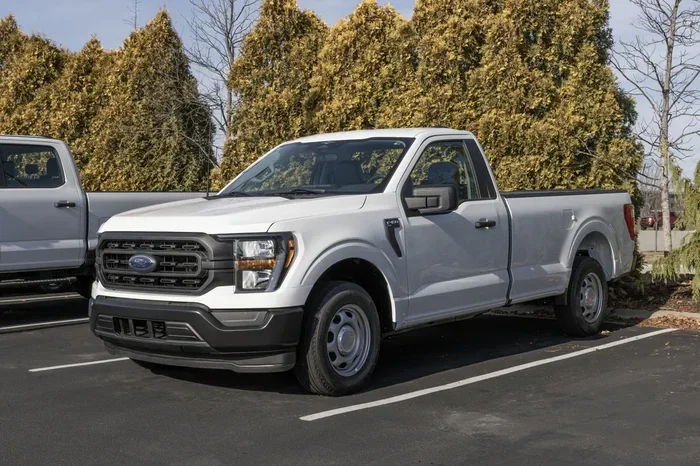
Is 200K Miles Too Much for a Used Truck Really Worth It
Is 200K miles too much for a used truck? The short answer is no, but it depends on several important factors. A well-maintained high mileage truck can still deliver years of reliable service and strong value. This guide covers what matters most, from engine type to maintenance records, so you can buy with confidence.
Is 200K miles too much for a used truck? This is one of the most common questions buyers ask before pulling the trigger on a pre-owned pickup. The truth is, mileage alone does not tell the full story. A truck with 200,000 miles on the clock can still be a fantastic investment if it has been cared for properly.
On the other hand, a truck with only 80,000 miles that was neglected or driven hard can cause more headaches than a well-maintained high mileage vehicle. So how do you know which used truck is right for you? This guide breaks down everything you need to consider. We will cover engine types, repair costs, inspection tips, and the best trucks that handle 200K miles with ease.
Whether you need a work truck for towing or a daily commuter, understanding high mileage trucks is essential. By the end of this article, you will feel confident making a smart buying decision. Let us dive in and separate fact from fiction.
Key Takeaways
- 200K miles is not a dealbreaker: Many trucks easily surpass 200,000 miles with proper care and regular maintenance.
- Diesel engines often last longer: A diesel truck at 200K miles may have more life left than a gas engine at the same mileage.
- Maintenance history is everything: A truck with full service records is far more reliable than one with no documented history.
- Watch for costly repairs: Transmission, suspension, and exhaust issues can add up fast on high-mileage vehicles.
- Get a vehicle history report: Always check for accidents, title issues, and odometer discrepancies before buying.
- Certified pre-owned programs add protection: These trucks come with warranties that reduce your risk.
- Negotiate based on condition: Use any flaws or needed repairs as leverage to get a better price.
📑 Table of Contents
- What Does 200K Miles Really Mean for a Truck?
- The Pros and Cons of Buying a High-Mileage Truck
- Key Factors That Determine a Truck’s True Condition
- Cost of Ownership for High-Mileage Trucks
- Best Used Trucks That Handle 200K Miles Well
- How to Make a Smart Purchase Decision
- Final Thoughts on Is 200K Miles Too Much for a Used Truck
What Does 200K Miles Really Mean for a Truck?
When you see a used truck listed at 200,000 miles, it is natural to feel hesitant. But modern trucks are built to last far beyond that number. The average lifespan of a well-maintained pickup truck today ranges from 250,000 to 300,000 miles or more. So 200K miles is often just the halfway point.
That said, not all miles are created equal. Highway miles are much easier on a truck than stop-and-go city driving. A truck that spent its life hauling long distances on interstates will typically be in better shape than one used for short daily trips with frequent idling.
Understanding Truck Mileage and Lifespan
Truck manufacturers design their vehicles with durability in mind. A high mileage truck is not automatically a bad buy. In fact, many fleets and commercial operators run their trucks well past the 200K mark without major issues. The key is how the truck was maintained over those miles.
Here are some important things to keep in mind about truck mileage:
- Regular oil changes extend engine life significantly.
- Transmission fluid changes prevent costly rebuilds.
- Rust exposure depends more on climate than mileage.
- Tire and brake wear tells you about driving habits.
- Coolant flushes prevent overheating and engine damage.
When evaluating a truck with 200K miles, always ask for the maintenance log. A complete record of oil changes, fluid flushes, and part replacements is worth more than any number on the odometer.
Diesel vs Gas: Which Engine Lasts Longer?
This is a big factor when asking, is 200K miles too much for a used truck. Diesel engines are known for their longevity. A diesel truck at 200K miles often has many more miles left in its engine compared to a gas-powered counterpart. Diesel fuel burns cleaner and puts less stress on internal components over time.
However, diesel trucks come with their own set of concerns. Diesel repair costs can be higher, especially for things like fuel injectors, turbochargers, and emissions systems. Gas trucks are generally cheaper to fix but may need engine work sooner at high mileage.
Here is a quick comparison:
- Diesel trucks: Better fuel economy, more torque, longer engine life, higher repair costs.
- Gas trucks: Lower purchase price, cheaper parts, easier repairs, shorter engine lifespan at high mileage.
If you plan to keep the truck for a long time, a diesel model might be the smarter choice. But if you want lower upfront costs, a gas truck with a solid maintenance history can also serve you well.
The Pros and Cons of Buying a High-Mileage Truck
Buying a truck with 200K miles comes with both advantages and risks. Understanding both sides helps you make an informed decision. Let us look at the big picture.
Why 200K Miles Might Be Perfectly Fine
There are many reasons a high mileage truck is still a great option. First, the purchase price is significantly lower. A truck with 200K miles will cost thousands less than a model with half that mileage. This means you get more truck for your dollar.
Second, trucks are built tough. Brands like Ford, Chevrolet, and Ram engineer their pickups to handle heavy workloads. A truck that has been used for light to moderate duty at 200K miles is often still going strong.
Third, the depreciation curve flattens out after 100K miles. A truck loses most of its value in the first five years. After that, the rate of value loss slows down considerably. So buying a higher mileage truck means you absorb less financial loss over time.
Red Flags to Watch Out For
Not every truck with 200K miles is a good buy. There are clear warning signs you should never ignore. A truck that was not maintained properly will cost you more in the long run, no matter how low the price is.
Here are red flags to look for:
- No service records available from the seller.
- Visible rust on the frame or body panels.
- Knocking or ticking sounds from the engine.
- Smoke from the exhaust during startup or acceleration.
- Transmission slipping or rough shifting.
- Uneven tire wear indicating alignment or suspension problems.
- Check engine light that stays on or flickers.
If you notice any of these issues, proceed with caution. A truck with these problems at 200K miles may need expensive repairs soon. Always trust your instincts and get a pre-purchase inspection from a trusted mechanic.
Key Factors That Determine a Truck’s True Condition
Mileage is just one piece of the puzzle. Several other factors play a bigger role in determining whether a truck is worth your money. Let us explore what really matters.
Maintenance History Matters Most
The single most important factor in buying a used truck is its maintenance history. A truck that received regular oil changes, tire rotations, and fluid replacements will far outlast one that was ignored. When shopping for a used truck buying guide, this should always be your top priority.
Ask the seller for receipts or service records. If they do not have them, check the maintenance schedule in the owner’s manual. Some dealers and shops can pull service records using the vehicle identification number. This gives you a clear picture of how the truck was treated.
Pay special attention to these maintenance items:
- Oil and filter changes every 5,000 to 7,500 miles.
- Transmission service around 60,000 to 100,000 miles.
- Brake pad replacements based on driving habits.
- Coolant system flushes every 30,000 to 50,000 miles.
- Timing belt or chain replacement at recommended intervals.
A truck that stayed on top of these items at 200K miles is likely in excellent condition. One that skipped services will probably need major work soon.
How to Get a Vehicle History Report
Always run a vehicle history report before buying any used truck. Services like Carfax and AutoCheck pull data from insurance companies, police reports, and repair shops. The report reveals accidents, title brands, ownership history, and odometer readings over time.
Look for these key details in the report:
- Accident history including frame damage or airbag deployment.
- Title status clean, salvage, or rebuilt.
- Odometer consistency to rule out rollback fraud.
- Service records tied to the vehicle.
- Number of previous owners and their locations.
A clean history report gives you peace of mind. It does not guarantee a perfect truck, but it removes a lot of guesswork from the buying process.
Cost of Ownership for High-Mileage Trucks
Buying a truck is not just about the purchase price. You also need to factor in ongoing costs. A high mileage truck may cost less upfront but could require more maintenance over time. Understanding the full picture helps you budget properly.
Repair Costs You Should Expect
At 200K miles, certain components are nearing the end of their lifespan. Being prepared for these repairs helps you avoid surprises. Common issues on high mileage trucks include:
- Exhaust system repairs such as muffler or catalytic converter replacement.
- Suspension components like shocks, struts, and ball joints.
- Electrical issues including failing sensors or wiring problems.
- Rubber bushings and mounts that wear out over time.
- Water pump and thermostat replacements around the 150K to 200K mile range.
These repairs can add up, but they are often manageable if you budget for them. Setting aside $1,000 to $2,000 for immediate repairs after purchase is a smart move. This gives you a cushion for unexpected issues.
Insurance and Fuel Considerations
Insurance costs for a used truck are generally lower than for a new one. However, your rates depend on factors like the truck’s age, model, and your driving record. Always get insurance quotes before finalizing a purchase.
Fuel economy is another consideration. Older trucks tend to be less fuel efficient than newer models. A truck at 200K miles might get a few miles per gallon less than it did when it was new. Factor this into your monthly budget to see if the savings on the purchase price offset the fuel costs.
Here is a quick look at ownership costs:
- Lower purchase price saves money upfront.
- Higher repair frequency at 200K miles and beyond.
- Reduced fuel economy compared to newer models.
- Lower insurance premiums due to decreased vehicle value.
- Parts availability is excellent for most popular truck models.
Overall, the total cost of ownership for a high mileage truck can still be lower than buying a newer model with similar features. It just requires smart budgeting and planning.
Best Used Trucks That Handle 200K Miles Well
Not all trucks age the same way. Some models are famous for their durability and can easily surpass 200,000 miles with minimal issues. If you are shopping for a used truck with high mileage, consider these proven performers.
Top Picks by Category
Here are some of the best trucks known for handling 200K miles and beyond:
- Ford F-150: The best-selling truck in America. Known for reliability and ease of repair. Many F-150s clock over 300,000 miles with proper care.
- Toyota Tundra: Toyota builds trucks that last. The Tundra has a reputation for reaching 300K miles or more with basic maintenance.
- Chevrolet Silverado: A solid workhorse with strong towing capacity. The 5.3L V8 engine is particularly durable at high mileage.
- Ram 1500: Offers a smooth ride and comfortable cabin. The 5.7L HEMI engine is known for longevity and reliability.
- Toyota Tacoma: A mid-size pickup that is nearly indestructible. Tacomas regularly pass 250K miles with original engines and transmissions.
When shopping among these models, focus on finding one with a clean history and documented maintenance. The specific truck matters more than the brand alone.
How to Make a Smart Purchase Decision
Now that you understand the factors involved, let us talk about how to actually buy the right truck. A smart purchase comes down to preparation and patience.
Inspection Tips Before You Buy
Never buy a used truck without a thorough inspection. Here is what you should do:
- Check the oil for color and consistency. Dark, gritty oil suggests neglected maintenance.
- Inspect the tires for even wear and proper tread depth.
- Start the engine cold and listen for unusual sounds.
- Test drive on the highway to check for vibrations or pulling.
- Look under the truck for fluid leaks or rust spots.
- Test all features including lights, climate control, and power windows.
Hire a mechanic for a pre-purchase inspection if possible. This small investment can save you thousands in future repairs. Most inspectors will spend a few hundred dollars but identify major issues before you commit.
Negotiation Strategies That Work
Once you find a truck you like, it is time to negotiate. Use any issues you found during the inspection as leverage. If the truck needs new tires or brakes, factor that cost into your offer.
Here are some tips for getting the best deal:
- Research fair market value using tools like Kelley Blue Book or Edmunds.
- Be willing to walk away if the seller will not negotiate reasonably.
- Point out needed repairs and ask for a price reduction.
- Buy at the end of the month when dealers are eager to hit sales targets.
- Pay with cash or pre-approved financing to strengthen your negotiating position.
A smart negotiator can often save $500 to $2,000 on a high mileage truck. That savings can go directly toward any repairs the truck needs after purchase.
Final Thoughts on Is 200K Miles Too Much for a Used Truck
So, is 200K miles too much for a used truck? The answer is clearly no, as long as you do your homework. A well-maintained truck with 200,000 miles can still deliver years of reliable service and strong value. The key is looking beyond the odometer and focusing on what really matters.
Always check the maintenance history, get a vehicle history report, and invest in a pre-purchase inspection. Choose a model known for durability, and be prepared for some routine repairs. When you approach the buying process with knowledge and patience, a high mileage truck can be one of the best purchases you ever make.
Do not let the number on the odometer scare you away. Instead, let it guide your questions and help you find the right truck at the right price. A smart buyer knows that mileage is just a number, and condition is what truly counts.
Frequently Asked Questions
Can a truck last past 200K miles without major repairs?
Yes, many trucks can last well past 200,000 miles without major repairs if they receive regular maintenance. Factors like driving habits, climate, and engine type all play a role. A truck with a clean maintenance history at 200K miles is often in great shape and ready for many more years of service.
What is the average lifespan of a used truck?
The average lifespan of a well-maintained truck is between 250,000 and 300,000 miles. Some models, especially diesel engines, can push past 400,000 miles. Regular oil changes, fluid flushes, and timely repairs are the biggest contributors to a long truck lifespan.
Is it better to buy a truck with 100K or 200K miles?
It depends on the truck’s condition and maintenance history. A truck with 200K miles and full service records can be a better buy than one with 100K miles that was poorly maintained. Always evaluate the whole picture, not just the mileage number.
How much should I budget for repairs on a 200K mile truck?
Budgeting $1,000 to $2,000 for immediate repairs is a smart move. This covers common issues like brakes, tires, and exhaust work. Setting aside a maintenance fund of $100 to $200 per month helps you stay ahead of future repairs on a high mileage truck.
Are diesel trucks worth buying at 200K miles?
Diesel trucks can be worth buying at 200K miles because their engines are built for longevity and often have many miles left. However, diesel repair costs tend to be higher, so factor in potential expenses for fuel injectors, turbochargers, and emissions systems when making your decision.
What should I look for in a vehicle history report?
Look for accident history, title status, odometer consistency, and service records in a vehicle history report. A clean title and consistent mileage readings are positive signs. Any records of frame damage, flood exposure, or multiple owners should raise a red flag and prompt further investigation.
=== CONCLUSION ===
Is 200K miles too much for a used truck? Not at all. With the right approach, a truck at 200,000 miles can be a reliable and affordable choice. Focus on maintenance history, get a thorough inspection, and choose a model known for durability. The best truck for you is the one that has been well cared for, regardless of the number on the odometer. Use the tips in this guide to shop smart and drive away with confidence.