Is It Difficult to Do an LS Swap The Full Breakdown
An LS swap is one of the most popular engine swaps in the automotive world, but is it really difficult? The truth is that difficulty varies based on your vehicle, budget, and experience level. This full breakdown will walk you through everything you need to know about LS swap difficulty, from planning to completion. You will learn what makes some swaps easier and what challenges to expect along the way.
If you have ever walked into a garage and seen a Chevy LS engine sitting where a tired inline-four or V6 used to be, you have seen the magic of an LS swap. This engine swap has taken the automotive world by storm over the last two decades. People love the GM LS engine family because it is small, light, powerful, and cheap to find. You can pull one out of a junkyard for a few hundred bucks and drop it into almost anything.
But here is the big question: is it difficult to do an LS swap? The short answer is no, not really. The long answer is that it depends on a few things. Your vehicle, your budget, your tools, and your mechanical skills all play a role. Some people finish a basic swap in a single weekend. Others spend months fabricating custom parts and solving fitment issues. This guide will break it all down for you.
By the end of this article, you will know exactly what goes into an LS engine swap. You will understand the difficulty levels, the costs involved, the parts you need, and the common pitfalls. Whether you are a beginner or a seasoned wrench turner, you will find useful information here. So let us dive right in.
Key Takeaways
- LS swaps are popular: The GM LS engine family is widely available, affordable, and fits in many vehicles with basic fabrication.
- Difficulty depends on your platform: Some cars take a weekend, while others need weeks of custom work and welding.
- Budget matters: A basic LS swap can cost $1,500 to $5,000, but custom setups can go much higher.
- Proper planning is key: Having the right parts list and a clear game plan saves time and money.
- Common mistakes are avoidable: Things like wrong motor mounts, incorrect wiring, and poor cooling setup cause most headaches.
- Anyone can do it: With basic tools and patience, even beginners can complete a successful LS engine swap.
- The payoff is huge: A properly done swap gives you serious power, reliability, and a fun driving experience.
📑 Table of Contents
What Is an LS Swap and Why Is It So Popular?
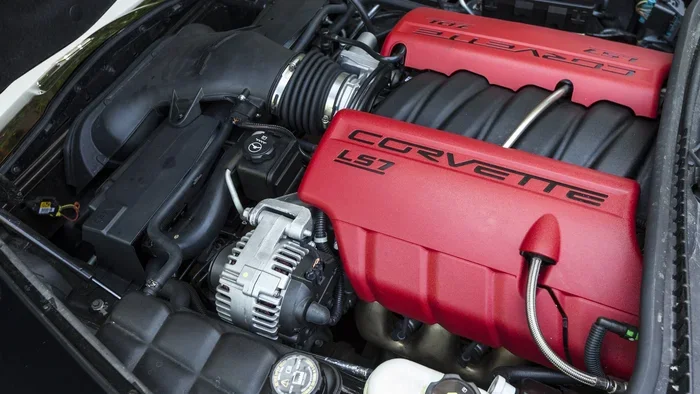
An LS swap means taking a GM LS-series engine and installing it into a vehicle that did not come with one. The LS engine family includes the 4.8L, 5.3L, 6.0L, and 7.0L versions. These engines were used in tons of GM trucks, SUVs, and cars from the late 1990s through the 2010s. Because they are so common, they are easy to find and affordable.
The small block Chevy legacy lives on through the LS platform. These engines are compact for their output. A stock LS3 makes around 430 horsepower. That is more than enough for most daily drivers and weekend cruisers. The engine bay in many older cars has plenty of room for an LS unit, which makes the fitment surprisingly good.
People choose an LS swap for many reasons. Some want more power. Others want better fuel economy. Many just want a reliable engine that is easy to work on. The LS platform has a huge aftermarket support system. You can find aftermarket parts for almost every need. Headers, intake manifolds, fuel rails, and wiring harnesses are all available off the shelf. This makes the engine swap process much smoother than swapping in a rare or obscure engine.
Why Do People Love the LS Platform?
There are a few big reasons the LS engine is the go-to choice for swaps. First, the weight is great. An LS engine is lighter than most big V8s. This helps with weight distribution, which makes the car handle better. Second, the electronics are modern. The ECU and sensor systems are straightforward and well-documented. Third, the parts are cheap. You can find used LS engines at salvage yards for under $1,000 in many cases.
Another big plus is the transmission compatibility. The 4L60E and 4L80E automatics bolt right up to LS engines. Manual transmissions like the T56 and T56 Magnum also work great. This means you have plenty of options for your drivetrain setup. You do not have to hunt down weird adapters or custom transmission adapters.
How Hard Is an LS Swap Really?
Let us get to the heart of the question. How hard is an LS swap? The honest answer is that it ranges from easy to very challenging. A lot depends on the vehicle you are working with and the level of customization you want.
If you are swapping an LS into a vehicle that was originally designed for a similar engine, the job is pretty straightforward. For example, putting a 5.3L into a first-generation Camaro is relatively simple. The engine bay was designed with a V8 in mind. The motor mounts line up, the transmission bell housing matches, and the driveshaft length is close to correct. Many people call this a “plug and play” LS swap.
But if you are dropping an LS into a small car or a vehicle with a completely different engine layout, things get harder. Putting an LS into a Miata or an old BMW E30 requires more fabrication. You might need custom motor mounts, a modified engine crossmember, and a custom radiator setup. The engine bay clearance might be tight, which adds time and complexity.
Difficulty Levels: Easy, Medium, and Hard Swaps
Not all LS swaps are created equal. Here is a simple way to think about difficulty levels.
Easy swaps include vehicles like Chevy trucks, GM SUVs, and other cars that originally came with a small block or LS engine. The motor mounts are already in the right place. The transmission lines up. The radiator and hoses can often be reused. A weekend warrior with basic tools can finish this type of swap in two to three days.
Medium swaps involve vehicles that had a V8 but not an LS. Think of a Fox Body Mustang or an older Chevy truck with a small block. You will need an LS swap kit that includes motor mounts, a transmission crossmember, and sometimes a new radiator. The wiring harness needs some work, but it is manageable. This type of swap usually takes one to two weekends.
Hard swaps are when you put an LS into a car that never had a V8. Think compact cars, front-wheel-drive vehicles, or cars with very tight engine bays. Custom fabrication is almost always needed. You might need to modify the firewall, build custom mounts, and adjust the steering column. These swaps can take several months and require welding skills.
| Difficulty Level | Example Vehicles | Time Required | Skill Level Needed |
|---|---|---|---|
| Easy | GM trucks, Camaros, Corvettes | 1-3 days | Beginner |
| Medium | Fox Body Mustang, older Chevy trucks | 1-2 weekends | Intermediate |
| Hard | Miatas, E30 BMWs, compact FWD cars | 2-6 months | Advanced |
What You Need Before Starting an LS Swap
Before you start cutting or grinding, you need a solid plan. The biggest mistake people make is jumping into an LS swap without a clear parts list. Having everything ready saves you trips to the parts store and keeps the project moving.
The Core Parts List
Here is what you will need for a basic LS swap:
- LS engine – a complete engine from a junkyard or a remanufactured unit
- Transmission – matched to the engine, either automatic or manual
- Motor mounts – specific to your vehicle and engine combination
- Transmission crossmember – supports the new transmission in the correct position
- Wiring harness – connects the engine to the ECU and all sensors
- ECU – the engine computer that runs the LS engine
- Radiator – sized properly for the engine’s heat output
- Headers – exhaust manifolds that bolt to the engine
- Oil pan – fits the engine and clears the vehicle’s underbody
- Fuel system – fuel pump, lines, and filter rated for the engine
- Drive shaft – matched to the transmission and differential
- Cooling hoses and fittings – connects the radiator to the engine
You can buy many of these items as part of a swap kit from companies like LSx Swap Depot or Summit Racing. These kits bundle the parts you need together, which saves time and guesswork. A typical LS swap kit costs between $500 and $2,000 depending on the vehicle.
Tools You Will Need
You do not need a professional shop to do an LS swap. Here are the basic tools you should have:
- Socket set and combination wrenches
- Engine hoist or cherry picker
- Torque wrench
- Welder (for harder swaps)
- Drill and drill bits
- Wire crimping tools
- Basic hand tools
For easier swaps, you can get by with fewer tools. But for any custom fabrication, a good welder is essential. If you do not have one, consider borrowing or renting one.
Step-by-Step LS Swap Process
Every LS swap follows a general process. The details change based on the vehicle, but the big steps stay the same. Here is a simple walkthrough of how it is done.
- Remove the old engine. Disconnect all the lines, wires, and bolts. Use an engine hoist to pull the original engine out of the bay.
- Prepare the engine bay. Clean up the area. Remove any parts that get in the way. Check the engine bay clearance for the new engine.
- Install the motor mounts. Bolt the custom or vehicle-specific mounts to the engine block and the chassis.
- Lower the LS engine in. Use the hoist to position the engine. Make sure it lines up with the transmission.
- Connect the transmission. Bolt the transmission to the engine. Install the crossmember to support it.
- Wire everything up. Connect the wiring harness to the engine. Plug in all the sensors, fuel injectors, and ignition coils.
- Install the cooling system. Mount the radiator, connect the hoses, and fill with coolant.
- Set up the fuel system. Install the fuel pump, run the lines, and make sure there are no leaks.
- Connect the exhaust. Bolt on the headers and connect the exhaust system to the tailpipe.
- Test everything. Before you start the engine, double-check all connections. Fill the oil and coolant. Then turn the key and see if it fires.
Each step has its own challenges, but none of them are overly complicated if you take your time. The wiring step is where many people get stuck. If you are not comfortable with electrical work, take your time and follow diagrams carefully. A good wiring harness from a reputable brand makes this step much easier.
Tips for a Smooth Swap
- Label every wire and connector before you disconnect anything.
- Take photos at every step so you can reference them later.
- Do not rush the motor mount alignment. Proper alignment prevents vibration and drivetrain issues.
- Make sure the oil pan clears the ground and any suspension components.
- Double-check the drive shaft length before finalizing the transmission position.
Common Mistakes People Make During an LS Swap
Even experienced builders make mistakes during an LS swap. Knowing what to avoid can save you a lot of frustration and money.
Skipping the Wiring Harness
One of the biggest mistakes is trying to wire the engine with a generic harness and no ECU. The LS engine relies heavily on its computer for fuel injection, ignition timing, and sensor inputs. A proper wiring harness with a matching ECU is not optional. It is essential for the engine to run correctly.
Wrong Motor Mounts
Using the wrong motor mounts is another common error. If the mounts are not the right height or bolt pattern, the engine will not sit correctly. This can cause vibration, poor driveline angles, and even damage to the transmission. Always buy mounts that are specific to your vehicle and engine combination.
Undersized Radiator
The LS engine generates a lot of heat, especially under load. Using an undersized radiator from the original vehicle will lead to overheating. Invest in a properly sized radiator for your swap. A high-performance radiator or an electric fan setup can make a big difference in keeping temperatures in check.
Ignoring the Fuel System
Some people forget to upgrade the fuel system. A stock fuel pump from an old vehicle may not deliver enough fuel for a high-output LS engine. Make sure your fuel pump, fuel lines, and filter can handle the engine’s demands. A fuel pressure regulator is also important for keeping the fuel delivery consistent.
Not Planning for the Transmission Crossmember
The transmission crossmember needs to be in the right position for the driveshaft to line up. If you skip this step or use the wrong crossmember, you will have vibration at highway speeds. Measure twice, install once.
Forgetting About the Cooling System Hoses
It is easy to forget about the little things like cooling hoses and fittings. Make sure you have all the right parts before you start. Running to the auto parts store mid-install is not fun.
How Much Does an LS Swap Cost?
The cost of an LS swap can vary a lot. A basic budget swap using a junkyard engine and a simple swap kit can be done for around $1,500 to $3,000. This includes the engine, transmission, mounts, harness, and basic cooling setup.
A mid-range swap with a rebuilt engine, better aftermarket parts, and a quality wiring setup might cost $3,000 to $6,000. A full custom build with a built engine, upgraded transmission, custom fabrication, and professional tuning can easily go over $10,000.
Here is a rough cost breakdown:
- LS engine (used): $500 to $2,500
- Transmission: $500 to $2,000
- Swap kit (mounts, crossmember, harness): $500 to $2,000
- Radiator and cooling: $200 to $800
- Headers: $200 to $600
- Fuel system upgrades: $100 to $400
- Exhaust and driveshaft: $200 to $800
- Labor (if paying someone): $1,000 to $5,000+
Keep in mind that these are rough estimates. Your actual costs will depend on your vehicle, the engine you choose, and how much custom work is needed. Setting a realistic budget before you start is one of the most important steps in planning your LS swap.
Is an LS Swap Worth the Effort?
The short answer is yes. An LS swap is one of the most rewarding projects you can do in the automotive world. The results speak for themselves. You get a reliable, powerful engine in a car that might have been struggling with its original powerplant.
The LS engine platform is proven and well-supported. Parts are everywhere. Tutorials and forums are full of helpful advice for nearly every vehicle platform. This means you are never truly alone in your project. Whether you are swapping into a classic car, a truck, or a track-day machine, the LS swap community has your back.
Difficulty should not scare you away. Yes, some swaps are challenging. But with the right parts list, a clear plan, and patience, almost anyone can do it. Start with an easier platform if you are a beginner. Build your skills and confidence. Then you can tackle the harder swaps down the road.
The automotive community loves the LS swap for good reason. It is accessible, affordable, and incredibly satisfying. If you have been thinking about doing one, now is a great time to start planning. Grab a swap kit, find a good engine, and get to work. You will be amazed at what a GM LS engine can do for your car.
Remember, every expert was once a beginner. The first LS swap might feel intimidating, but once you see that engine firing up in your bay, it all becomes worth it. Do your research, take your time, and enjoy the process. Your car will thank you for it.
Frequently Asked Questions
How long does a basic LS swap take?
A basic LS swap in a compatible vehicle can be done in one to three days. If you have experience and all the parts ready, you can finish it over a weekend. More complex swaps in tight engine bays may take several weekends or even months.
Can a beginner do an LS swap?
Yes, beginners can do an LS swap, especially in vehicles that were originally designed for a similar engine. Start with an easy platform and use a quality swap kit. Take your time, follow tutorials, and do not be afraid to ask for help from more experienced builders.
What is the cheapest LS engine to use for a swap?
The 4.8L and 5.3L LS engines are the cheapest options. You can often find them at junkyards for $500 to $1,000. The 5.3L is the most popular choice because it offers a great balance of power and affordability.
Do I need a professional tuner for an LS swap?
It is highly recommended. A professional tuner can calibrate the ECU for your specific setup. This ensures the engine runs correctly and safely. Some aftermarket ECUs come pre-programmed, but a custom tune always improves performance and reliability.
What transmission works best with an LS engine?
The 4L60E and 4L80E automatics are the most common choices for LS swaps. For manual transmission lovers, the T56 Magnum is a popular option. The best choice depends on your vehicle, driving goals, and budget.
Is an LS swap worth it for a daily driver?
Absolutely. The LS engine is reliable, efficient, and has plenty of parts support. A properly done LS swap can turn an old, tired vehicle into a dependable daily driver with much better performance and fuel economy.
=== CONCLUSION ===
The LS swap is one of the best automotive projects you can take on. It is accessible, affordable, and incredibly rewarding. While the difficulty varies based on your vehicle and goals, the process is well within reach for most hobbyists. With the right swap kit, a solid parts list, and some patience, you can drop a powerful GM LS engine into almost any car.
Do not let the idea of fabrication or wiring scare you. Start simple, learn as you go, and build your skills over time. The automotive community is full of resources, forums, and experienced builders ready to help. Whether your goal is more power, better reliability, or just a fun weekend project, an LS swap delivers on all fronts.
So grab your tools, find a good engine, and start planning your LS engine swap today. You will be glad you did.