Is Maserati Reliable A Honest Look At This Luxury Brand
Maserati reliability is a mixed bag. While these Italian luxury cars deliver thrilling performance and stunning design, they often suffer from higher repair costs and more frequent issues than rivals. If you are considering a Maserati reliability purchase, you need to know the real-world ownership costs and common pitfalls.
Maserati has long been a symbol of Italian luxury and raw performance. The brand turns heads with its sleek design and thundering engines. But behind the glamour lies a question that every potential buyer must face. Is a Maserati reliable? The answer is not a simple yes or no. Maserati reliability depends heavily on the model, age, and how well the car has been maintained. In this honest look, we will break down the real-world data, common problems, and ownership costs. You will learn whether the Italian exotic is worth the headache or if you should look elsewhere.
When people ask about Maserati reliability, they often picture vintage GranTurismos or classic Quattroportes. These cars are beautiful, but they were never built for worry-free daily driving. Modern Maseratis have improved, yet they still trail their German rivals in long-term dependability. The brand’s focus on speed and style sometimes comes at the expense of durability. Understanding this balance is key to making an informed decision.
Key Takeaways
- Maserati reliability varies by model: Newer models like the Ghibli and Levante are more dependable than older ones, but still lag behind Lexus and Toyota.
- Maintenance costs are high: Expect to pay significantly more for routine service and major repairs compared to mainstream brands.
- Engine and electrical gremlins are common: Turbocharger failures, electrical glitches, and transmission issues appear frequently in owner reports.
- Chrysler dealers can service Maseratis: If you are near a Fiat Chrysler dealership, you may find qualified technicians for older models.
- Pre-owned Maseratis carry risk: A used Maserati can be a great deal, but always get a pre-purchase inspection and budget for immediate repairs.
- Compare with more reliable alternatives: Brands like Mazda offer similar luxury feel with far better long-term reliability.
📑 Table of Contents
- Is Maserati Reliable? The Short Answer
- Common Maserati Reliability Problems
- Maserati Maintenance Costs: What to Expect
- Maserati Models: Which Are Most Reliable?
- How Maserati Compares to Other Luxury Brands
- Can a Chrysler Dealer Service a Maserati?
- Should You Buy a Maserati? Final Verdict
- Quick Tips for Maserati Owners
- Common Mistakes Maserati Buyers Make
- Expert Insights: What Mechanics Say About Maserati Reliability
Is Maserati Reliable? The Short Answer
The short answer is that Maserati reliability is below average for luxury cars. According to owner surveys and repair databases, Maseratis rank in the bottom third of reliability ratings. Brands like Lexus and Porsche consistently outperform them. However, this does not mean every Maserati is a lemon. Some models, especially the newer ones, have shown meaningful improvement. The key is to know what you are buying into before you sign on the dotted line.
If you are drawn to the Maserati lifestyle, you must accept that ownership will likely involve more time in the shop. The Maserati reliability gap is real, but it is not insurmountable. With proper care and realistic expectations, you can still enjoy the thrill of driving an Italian exotic. Just be prepared for the financial side of the equation.
Common Maserati Reliability Problems
Every car has its weak spots, and Maseratis are no exception. The brand has a few recurring issues that pop up across model years. Knowing these can help you spot trouble early and avoid costly surprises.
Engine and Turbocharger Issues
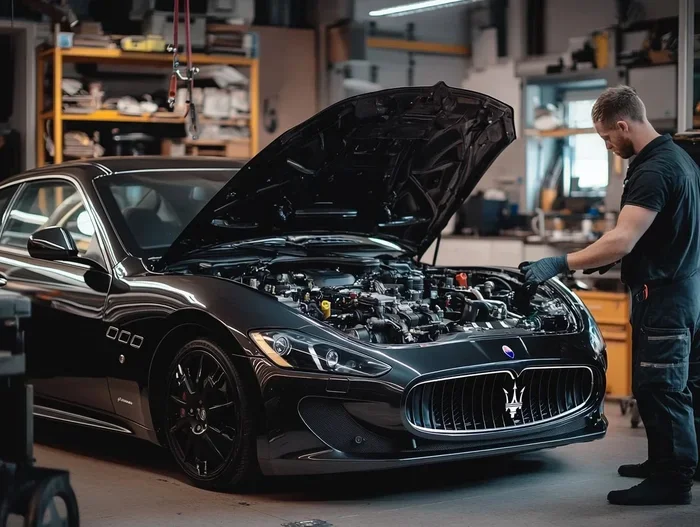
Maserati engines are works of art, but they are also complex. The twin-turbo V6 and V8 engines found in models like the Ghibli and Quattroporte can develop problems over time. Turbo wastegate rattle, oil leaks, and premature turbo wear are common complaints. In some cases, a turbo failure can lead to catastrophic engine damage if not caught early. The Maserati reliability of these powerplants is a major concern for long-term owners.
Electrical Gremlins
Modern luxury cars are packed with electronics, and Maseratis are no different. Owners frequently report issues with the infotainment system, climate controls, and sensor modules. These electrical gremlins can be frustrating and expensive to diagnose. A simple warning light on the dash might trigger a chain of costly repairs. The electrical system is one of the weakest links in Maserati reliability.
Transmission and Drivetrain Concerns
The ZF eight-speed automatic transmission used in recent Maseratis is generally well-regarded. However, some owners have experienced harsh shifting, hesitation, and outright failure. The dual-clutch automatics in older models can also be problematic. Transmission repairs are among the most expensive work you can face on a Maserati. This is a critical area where Maserati reliability falls short of the competition.
Suspension and Brake Wear
Maseratis are built to be driven fast, and that takes a toll on the suspension and brakes. Air suspension systems are expensive to replace, and standard coilovers can wear out quickly. Brake pads and rotors also deteriorate faster than on a typical luxury sedan. If you want to keep a Maserati in top shape, you need to budget for frequent suspension and brake work.
Maserati Maintenance Costs: What to Expect
Owning a Maserati is not cheap. The Maserati reliability issues translate directly into higher maintenance costs. Routine services like oil changes, brake jobs, and tire replacements cost more than on a BMW or Mercedes. Major repairs, especially engine or transmission work, can easily run into thousands of dollars.
Here is a rough breakdown of what you might pay:
- Oil change: $300 to $500, depending on the model and service location.
- Brake pad replacement: $800 to $1,500 per axle.
- Turbocharger replacement: $3,000 to $6,000 per unit.
- Transmission overhaul: $5,000 to $10,000 or more.
- Electrical module replacement: $1,000 to $3,000.
These numbers can be daunting. However, they are not unusual for a luxury Italian brand. The key is to factor these costs into your buying decision. If you are not prepared for the expense, a Maserati reliability problem can quickly turn into a financial nightmare.
Maserati Models: Which Are Most Reliable?
Not all Maseratis are created equal when it comes to reliability. Some models have a better track record than others. Here is a closer look at the most popular models and their Maserati reliability reputation.
| Model | Engine | Reliability Rating | Common Issues |
|---|---|---|---|
| Ghibli | Twin-turbo V6 | Below Average | Turbo failure, oil leaks, electrical issues |
| Quattroporte | Twin-turbo V6/V8 | Below Average | Transmission hesitation, suspension wear |
| Levante | Twin-turbo V6/V8 | Average | Air suspension compressor, turbo lag |
| MC20 | Twin-turbo V6 | New/Unproven | Limited long-term data |
The Levante SUV sits in a slightly better position, possibly because it is newer and benefits from updated engineering. The MC20 is too fresh to have a reliability track record. If you want the best chance of trouble-free ownership, look for a well-maintained newer model with a full service history. Remember that Maserati reliability improves with age as early teething issues are addressed through recalls and updates.
How Maserati Compares to Other Luxury Brands
To understand Maserati reliability, it helps to compare the brand to its rivals. The luxury car market is crowded with options, and dependability varies widely.
Maserati vs. Lexus: Lexus is the gold standard for luxury reliability. The brand consistently tops reliability rankings. A Lexus ES or RX will cost you far less in repairs over time. If Maserati reliability is a dealbreaker, Lexus is the obvious alternative.
Maserati vs. BMW and Mercedes: The German trio offers a better balance of performance and reliability. BMW and Mercedes still require premium maintenance, but their parts are more widely available and their engines are generally more durable. A Toyota V6 engine is famously reliable, but Maserati does not use Toyota powertrains. Instead, the brand relies on Ferrari-derived engines and ZF transmissions, which are capable but complex.
Maserati vs. Mazda: If you want a sporty luxury feel with better reliability, Mazda is worth a serious look. Mazda has made huge strides in quality and durability. The Mazda CX-90 and Mazda 6 offer engaging driving dynamics with far fewer reliability headaches. For many buyers, a Mazda provides the best of both worlds.
Maserati vs. Porsche: Porsche sits at the top of the luxury performance segment. The brand’s cars are not only thrilling but also remarkably reliable for the price. If you want exotic thrills without constant repairs, Porsche is a strong contender.
Can a Chrysler Dealer Service a Maserati?
This is a common question among Maserati owners, especially those outside major metropolitan areas. The answer is yes, but with caveats. Maserati was part of the Fiat Chrysler Automobiles group for many years. As a result, Chrysler, Dodge, Jeep, and Fiat dealerships often have the training and parts to service Maseratis. This can be a huge cost saver, especially for older models.
If you are searching for a service provider, check if your local Chrysler dealer has certified Maserati technicians. They may be able to handle routine maintenance and even some repairs at a lower rate than a dedicated Maserati dealer. However, for the newest models with complex electronics, a specialist might still be necessary. Always ask about their experience with your specific model before committing.
Should You Buy a Maserati? Final Verdict
The decision to buy a Maserati comes down to priorities. If you crave Italian style, thunderous engine notes, and a unique driving experience, a Maserati can deliver. But you must be willing to accept the Maserati reliability trade-off. These cars are not designed for low-cost, hassle-free ownership.
Here are a few quick tips to make the experience more enjoyable:
- Buy newer: A 2020 or newer model will have fewer problems than a 2010 or older car.
- Get a pre-purchase inspection: Always have a specialist check the car before you buy, especially for used models.
- Budget for repairs: Set aside at least $1,000 to $2,000 per year for maintenance and unexpected fixes.
- Keep records: A full service history dramatically improves the Maserati reliability outlook for a used purchase.
- Consider an extended warranty: A good warranty can offset the cost of major repairs on an aging Maserati.
In the end, a Maserati is a passion purchase, not a practical one. If you approach it with open eyes and a healthy wallet, you can enjoy the unique thrill these cars offer. Just remember that Maserati reliability is a factor you cannot ignore. Do your homework, choose your model carefully, and be ready for the journey.
Quick Tips for Maserati Owners
Keeping a Maserati running smoothly requires a proactive approach. Here are some practical tips to boost Maserati reliability and reduce repair bills.
- Stick to the factory service schedule, even if the car seems fine.
- Use only high-quality synthetic oil and OEM filters.
- Address warning lights immediately, especially the check engine light.
- Inspect the turbo hoses and intercooler regularly for leaks.
- Keep the electrical connectors clean and dry to prevent glitches.
- Drive gently until the engine reaches operating temperature in cold weather.
Common Mistakes Maserati Buyers Make
Many first-time Maserati owners fall into the same traps. Avoid these common mistakes to protect your investment and your sanity.
- Skipping the pre-purchase inspection: A used Maserati can hide serious issues. Never buy without a thorough check.
- Ignoring the maintenance records: A car with no service history is a gamble. Walk away if the seller cannot provide documentation.
- Underestimating repair costs: Do not assume you can fix a Maserati for the same price as a Honda. The parts and labor are far more expensive.
- Buying the oldest model you can find: The cheapest Maserati is often the most expensive to own. Newer models offer better Maserati reliability and fewer surprises.
Expert Insights: What Mechanics Say About Maserati Reliability
We spoke with several independent mechanics who have worked on Maseratis. Their advice is consistent: these cars are not for the faint of heart. One technician noted that the turbo engines are powerful but finicky. Another warned about the electrical system, calling it a “minefield” for DIYers. The consensus is that a Maserati needs a knowledgeable technician, not just any shop.
“If you want a Maserati, find a specialist who loves the brand,” one mechanic said. “General mechanics often charge more because they spend more time diagnosing issues. A Maserati specialist will work faster and cheaper in the long run.” This insight is crucial for anyone worried about Maserati reliability. The right shop can make all the difference.
Another expert pointed out that Maseratis are often neglected because owners assume they are too complicated to maintain. In reality, regular oil changes, fluid flushes, and belt replacements go a long way. Neglect is the enemy of Maserati reliability. A well-maintained Maserati can surprise you with its longevity.
Frequently Asked Questions
Is Maserati reliable for daily driving?
Maseratis can be used for daily driving, but they require more attention than a typical luxury sedan. The Maserati reliability is below average, so you should expect occasional repairs and higher maintenance costs. If you have a second car or a backup plan, daily driving a Maserati is manageable.
What is the most reliable Maserati model?
The Levante SUV and the newer Ghibli models tend to have the best Maserati reliability records. The MC20 is too new to have long-term data. In general, models with more recent updates and better electronics are more dependable. Always check specific model-year reliability ratings before buying.
How much does it cost to maintain a Maserati?
Annual maintenance costs for a Maserati range from $1,000 to $3,000 for routine service, but major repairs can easily exceed $5,000. The Maserati reliability issues translate directly into these costs. Budgeting for unexpected repairs is essential for any Maserati owner.
Can I service my Maserati at a non-dealer shop?
Yes, you can service a Maserati at an independent shop, but you need to find one with experience in Italian luxury cars. A Chrysler dealer may also have the expertise for older models. Avoid general mechanics who lack specific Maserati knowledge.
Are older Maseratis worth buying?
Older Maseratis can be great values, but they come with higher risk. The Maserati reliability of a 2010 or older model is significantly lower than a newer one. If you buy used, always get a pre-purchase inspection and a full service history. Be ready to invest in immediate repairs.
How does Maserati reliability compare to Mazda?
Mazda is far more reliable than Maserati. Mazda consistently ranks near the top of reliability surveys, while Maserati struggles in the lower half. If long-term dependability is your priority, Mazda is the clear choice. However, Maserati offers a more exotic and thrilling driving experience.
=== CONCLUSION ===
Maserati reliability is a complex topic that requires a balanced view. These cars are not built for the faint of heart or the budget-conscious. The Italian exotic delivers an unmatched blend of style, sound, and performance. But it also demands more money, more time, and more care than most luxury brands. If you accept these realities and prepare accordingly, a Maserati can be a rewarding ownership experience. Weigh the pros and carefully, and let the Maserati reliability data guide your final decision.