Where Is the Battery Located in Your 2000 Buick LeSabre
The battery in a 2000 Buick LeSabre is found in the engine compartment on the passenger side. It sits in a battery tray secured by a hold-down clamp, with positive and negative terminals clearly labeled. Knowing this location helps with maintenance, replacement, and troubleshooting.
If you own a 2000 Buick LeSabre, there will come a time when you need to know exactly where the battery sits under the hood. Maybe your car won’t start one morning. Maybe you just bought the vehicle and want to learn the basics. Either way, finding the battery in this classic Buick is straightforward once you know what to look for.
The 2000 Buick LeSabre is a full-size sedan that has earned a reputation for comfort and reliability. Under the hood, the engine layout is fairly simple, and the battery is easy to reach. This makes maintenance and replacement a breeze, even for beginners. Let’s walk through everything you need to know about the battery location, how to maintain it, and what to watch out for.
In this guide, we will cover the exact location of the battery, how to identify the terminals, what size battery your LeSabre uses, and practical tips for keeping it in great shape. By the end, you will feel confident popping the hood and handling battery-related tasks on your own.
Key Takeaways
- Battery Location: The battery sits in the engine compartment on the passenger side of the 2000 Buick LeSabre.
- Easy Access: The battery is readily accessible without removing any major engine components.
- Terminal Identification: The positive terminal is marked with a red cover and a plus sign, while the negative terminal has a black cover and a minus sign.
- Maintenance Matters: Regular inspection of battery terminals and fluid levels can prevent unexpected breakdowns.
- Replacement Is Straightforward: Swapping out the battery is a simple process that most DIYers can handle at home.
- Safety First: Always disconnect the negative cable first when removing the battery to avoid short circuits.
📑 Table of Contents
- Where Is the Battery Located in a 2000 Buick LeSabre
- What Size Battery Does a 2000 Buick LeSabre Use
- How to Remove and Replace the Battery
- Common Battery Problems in the 2000 Buick LeSabre
- Tips for Extending Battery Life
- Safety Precautions When Working With Your Battery
- When to Seek Professional Help
- Conclusion
Where Is the Battery Located in a 2000 Buick LeSabre
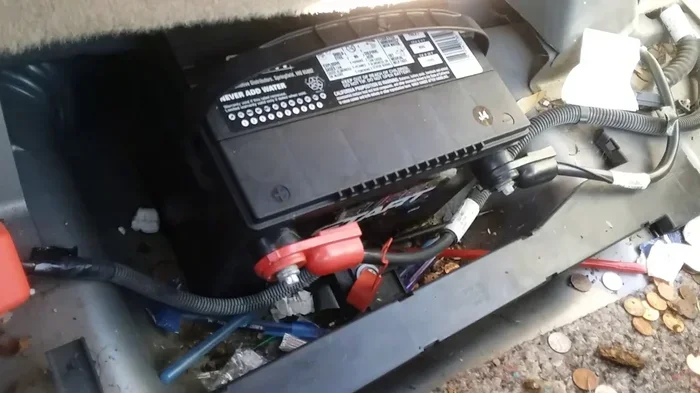
The battery in a 2000 Buick LeSabre is located in the engine compartment on the passenger side of the vehicle. When you open the hood and stand at the front of the car, the battery sits toward the right-hand side. It is mounted in a plastic or metal battery tray that holds it securely in place.
You do not need to remove any major engine parts to access the battery. The engine bay of the LeSabre is designed with good visibility and plenty of room to work. This is one reason why the LeSabre has always been a favorite among DIY car owners. You can reach the battery quickly without a lot of fuss.
The battery tray is held in place by a bolt or clamp mechanism. This keeps the battery from shifting during driving. Over time, the tray or clamp may corrode or loosen, so it is a good idea to check these components when you inspect the battery.
Identifying the Battery Terminals
Once you locate the battery, the next step is identifying the terminals. The positive terminal on the 2000 Buick LeSabre battery is marked with a red plastic cover and a plus sign (+). The negative terminal has a black cover and a minus sign (-). These color codes are standard across most vehicles and help prevent accidental connections.
Always remember this rule: when disconnecting the battery, remove the negative cable first. When reconnecting, attach the positive cable first. This simple habit prevents short circuits and keeps you safe. If you are unsure which cable is which, use a marker or take a photo before disconnecting anything.
The battery terminals can accumulate a white or greenish buildup over time. This is called corrosion, and it can interfere with the electrical connection. Cleaning the terminals with a wire brush and a baking soda solution works wonders. We will cover this in more detail later in the article.
What Size Battery Does a 2000 Buick LeSabre Use
The 2000 Buick LeSabre typically uses a Group 75 battery. This is a standard size for many GM vehicles from that era. The Group 75 battery measures approximately 12.1 inches long, 6.8 inches wide, and 7.5 inches tall. It is a conventional top-post battery design, which means the terminals stick up from the top of the battery case.
When shopping for a replacement, make sure the battery matches the Group 75 specifications. Some brands offer group size equivalents, so always double-check the dimensions and terminal placement. A mismatched battery can cause fitting issues and poor electrical performance.
Cold Cranking Amps (CCA) is another important specification. For the 2000 LeSabre, a battery with around 600 to 700 CCA is ideal. This rating tells you how well the battery performs in cold weather. If you live in a colder climate, going with a higher CCA rating gives you extra insurance during winter starts.
Battery Brand Options
Several reputable brands manufacture Group 75 batteries. Options include AC Delco, DieHard, Optima, and Duralast. AC Delco is the OEM supplier for most GM vehicles, so it is a natural choice. DieHard and Duralast offer strong alternatives with solid warranty coverage. Optima is worth considering if you want a premium spiral-wound design that resists vibration and lasts longer.
When replacing the battery, you might also want to check whether a car battery can die while driving. This is a common concern, and understanding it can help you stay prepared for the unexpected.
How to Remove and Replace the Battery
Replacing the battery in a 2000 Buick LeSabre is a task most people can complete in under 30 minutes. You will need a wrench, safety gloves, and eye protection. Here is a step-by-step breakdown of the process.
Step 1: Turn Off the Engine Make sure the ignition is off and all accessories are shut down. This prevents electrical shorts and protects your vehicle’s computer systems.
Step 2: Locate the Battery Open the hood and find the battery on the passenger side of the engine compartment. You should see the battery tray and hold-down clamp immediately.
Step 3: Disconnect the Negative Cable First Use your wrench to loosen the nut on the negative terminal. Once loose, carefully lift the cable off the terminal and tuck it away from the battery. This prevents accidental contact.
Step 4: Disconnect the Positive Cable Repeat the process for the positive terminal. Again, loosen the nut and lift the cable off. Keep the cables separated to avoid any chance of contact.
Step 5: Remove the Hold-Down Clamp The battery is secured by a clamp or bracket. Use your wrench to remove the bolt holding it in place. Set the clamp aside safely.
Step 6: Lift Out the Old Battery The battery weighs around 40 to 50 pounds. Use both hands and lift straight up. Place it on a flat, stable surface. Be careful not to tip the battery, as battery acid can spill.
Step 7: Clean the Tray Before installing the new battery, wipe down the tray and check for corrosion or damage. A clean tray ensures good contact and proper mounting.
Step 8: Install the New Battery Place the new battery in the tray, making sure the terminals line up with the cables. Secure the hold-down clamp and tighten the bolt. Then connect the positive cable first, followed by the negative cable. Tighten both nuts firmly.
Step 9: Test the Connection Turn the ignition key. The engine should start without hesitation. If you hear clicking or nothing at all, double-check the cable connections. Loose terminals are the most common cause of no-start issues after a battery swap.
If you are dealing with a situation where the battery has completely died and you need a boost, you might want to learn how to charge a dead car battery before going through a full replacement.
Common Battery Problems in the 2000 Buick LeSabre
Even with regular care, batteries can develop issues. The 2000 Buick LeSabre is no exception. Here are the most common battery-related problems LeSabre owners face.
Corroded Terminals
Corrosion is the number one enemy of car batteries. The white or blue-green crust that builds up on the terminals is a mixture of sulfuric acid and lead sulfate. It blocks the electrical current from flowing properly. You may notice slow cranking or flickering headlights as early warning signs.
To fix corrosion, disconnect the battery cables (negative first, always), and scrub the terminals with a wire brush dipped in baking soda and water. Rinse with clean water and dry thoroughly before reconnecting. Applying a thin coat of petroleum jelly or terminal protectant after cleaning helps prevent future buildup.
Slow Cranking
If your LeSabre takes longer than usual to start, the battery may be losing its charge. Slow cranking is one of the first symptoms of a weakening battery. Other causes include a failing starter motor or loose wiring, but the battery should always be checked first.
You can test the battery yourself using a multimeter. A fully charged battery should read 12.6 volts or higher. If it reads below 12.4 volts, it is time to consider a replacement. If you want to learn more about testing, check out this guide on testing a car battery with a multimeter.
Battery Drain from Accessories
Leaving lights, the radio, or other accessories on when the engine is off can drain the battery. Modern vehicles have some protection against this, but older models like the 2000 LeSabre are more vulnerable. A parasitic draw from a faulty component can also slowly drain the battery over time.
To prevent drain, make it a habit to turn off all accessories before shutting off the engine. If your battery keeps dying, a parasitic draw test at a repair shop can identify the culprit.
Old Age
Car batteries typically last three to five years. If your LeSabre is older and the battery has never been replaced, it might simply be time for a new one. Extreme temperatures, both hot and cold, can shorten battery life. Living in a harsh climate means you may need to replace the battery more frequently.
Tips for Extending Battery Life
Getting the most out of your battery saves money and prevents inconvenient breakdowns. Here are practical tips to keep your 2000 Buick LeSabre battery healthy for as long as possible.
- Inspect Regularly: Check the battery terminals and fluid level every few months. Catching corrosion early makes it easy to fix before it becomes a bigger problem.
- Keep It Clean: A clean battery terminal connection ensures optimal electrical flow. Wipe down the battery case and terminals during routine under-hood checks.
- Drive Regularly: Batteries recharge while the engine runs. If your LeSabre sits idle for long periods, the battery can lose charge. Take it for a drive at least once a week if possible.
- Avoid Short Trips: Frequent short trips do not give the battery enough time to fully recharge. This can lead to a chronic state of undercharge that shortens battery life.
- Secure the Battery: A loose battery vibrates during driving, which damages the internal plates. Always make sure the hold-down clamp is tight and the tray is secure.
- Check the Charging System: A faulty alternator can overcharge or undercharge the battery. Have the charging system tested during routine oil changes or maintenance visits.
If you are preparing your LeSabre for a long period of storage, consider disconnecting the battery entirely. This prevents slow drain and keeps the battery fresh for when you are ready to drive again.
Safety Precautions When Working With Your Battery
Car batteries contain sulfuric acid and produce hydrogen gas, both of which can be dangerous. Following safety precautions is not optional, it is essential.
- Wear Gloves and Eye Protection: Battery acid can cause burns. Protective gear shields your hands and eyes from accidental splashes.
- Work in a Ventilated Area: Hydrogen gas is flammable and can ignite near sparks or flames. Always work in an open, well-ventilated space.
- No Smoking: Never smoke near a car battery. The risk of ignition from hydrogen gas is real and serious.
- Disconnect the Negative Terminal First: This is the golden rule of battery safety. It prevents accidental short circuits that can spark and damage electrical components.
- Keep Metal Tools Away from Terminals: A wrench or tool bridging both terminals creates a short circuit. This can melt tools, damage the battery, or cause injury.
If you ever notice a rotten egg smell coming from the battery, stop working immediately. This smell indicates the battery is leaking gas and may need professional replacement. Also, if the battery case is cracked or swollen, do not attempt to use it. A damaged battery is a safety hazard.
When to Seek Professional Help
Most battery tasks on the 2000 Buick LeSabre are DIY-friendly. However, some situations call for a professional touch. If your battery keeps dying despite being new, there may be an underlying electrical issue. A parasitic draw test or alternator check requires specialized equipment and expertise.
Additionally, if you are uncomfortable working with car batteries or unsure about any step, it is perfectly fine to ask a mechanic for help. Many shops will test your battery and install a new one for a reasonable fee. There is no shame in seeking assistance, especially when it keeps you safe.
You should also consider professional help if your LeSabre has other electrical problems alongside battery issues. A bad key fob or faulty wiring can mimic battery problems and confuse the diagnosis. A trained technician can sort through these issues efficiently.
Conclusion
Knowing where the battery is located in your 2000 Buick LeSabre gives you confidence and independence as a car owner. The battery sits in the engine compartment on the passenger side, secured in a tray with a hold-down clamp. It is easy to access, simple to maintain, and straightforward to replace when the time comes.
Regular maintenance goes a long way toward extending battery life. Clean the terminals, check the voltage, and drive your vehicle often enough to keep the battery charged. These small habits prevent big headaches down the road.
Whether you are replacing a dead battery, cleaning corroded terminals, or simply learning the basics of your LeSabre, this guide has you covered. The 2000 Buick LeSabre is a dependable vehicle, and with a healthy battery, it will keep running strong for years to come. Take care of your battery, and your battery will take care of you.
Frequently Asked Questions
What type of battery does a 2000 Buick LeSabre use?
The 2000 Buick LeSabre uses a Group 75 battery, which is a standard top-post design. This battery typically has a cold cranking amp rating between 600 and 700 CCA, making it well-suited for the LeSabre’s engine and climate demands.
How do I know if my 2000 Buick LeSabre battery needs replacing?
Common signs include slow engine cranking, dim headlights, a swollen battery case, and a check engine light. If your battery is more than three to five years old, it is wise to have it tested at an auto parts store or mechanic to confirm its health.
Can I drive my 2000 Buick LeSabre with a dead battery?
No, a dead battery means the vehicle will not start. You will need to jump-start the car using jumper cables and another vehicle or a portable jump starter. If the battery keeps dying, it may need replacement or there could be an underlying electrical issue.
How long does the battery in a 2000 Buick LeSabre last?
On average, car batteries last between three and five years. Factors like driving habits, climate, and maintenance all influence battery lifespan. Regular inspections and clean terminals can help your battery reach the upper end of that range.
Is it safe to touch the battery terminals in a 2000 Buick LeSabre?
It is safe as long as the engine is off and you wear protective gloves and eyewear. Avoid letting metal tools touch both terminals at once, as this creates a short circuit. Always disconnect the negative cable first when working on the battery.
What should I do if my battery terminals are corroded?
Disconnect the battery cables starting with the negative terminal, then scrub the corroded terminals with a wire brush and a baking soda and water solution. Rinse with clean water, dry thoroughly, and reconnect the cables. Applying terminal protectant afterward helps prevent future corrosion.