JVC Car Stereo Old Models That Still Sound Amazing
JVC car stereo old models still hold a special place in the hearts of car audio lovers. These classic units built a reputation for solid sound and rugged design. Many vintage JVC receivers offer features that modern stereos sometimes lack. Whether you are restoring a classic car or upgrading your daily driver, these old JVC stereos are worth a second look. This guide covers the best models, what makes them special, and how to get the most from them.
Key Takeaways
- Timeless Sound Quality: JVC car stereo old models were built with high-quality components that deliver rich, warm audio even by today’s standards.
- Wide Range of Models: From cassette decks to early CD players, JVC offered many options that catered to different needs and budgets.
- Easy to Find and Restore: Many old JVC stereos are still available through online marketplaces, swap meets, and specialty shops.
- Retro Charm with Modern Potential: With simple upgrades, vintage JVC stereos can work well in modern vehicles.
- Great for Collectors: Some JVC car stereo old models have become collector’s items with growing value over time.
- Affordable Audio Upgrade: Buying an old JVC stereo can be a budget-friendly way to improve your car’s sound system.
📑 Table of Contents
- Why JVC Car Stereo Old Models Still Matter
- Top JVC Car Stereo Old Models Worth Knowing
- What Made Vintage JVC Stereos So Special
- How to Find and Buy JVC Car Stereo Old Models
- Common Mistakes When Buying Old JVC Car Stereos
- Can You Still Use JVC Car Stereo Old Models Today?
- Final Thoughts on JVC Car Stereo Old Models
Why JVC Car Stereo Old Models Still Matter
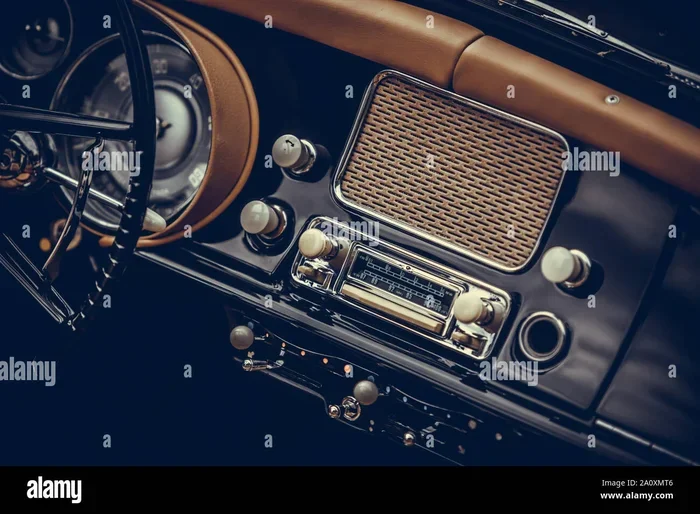
There is something special about JVC car stereo old models. They carry a warmth and character that many modern stereos simply do not have. When you turn the knob on a vintage JVC receiver, you feel a connection to an era when car audio was simple and honest. These units were built to last. They used heavy-gauge metals and quality circuits that stood the test of time.
Today, people are rediscovering the value of vintage car stereo equipment. The trend toward retro and classic car restoration has brought attention back to brands like JVC. Car enthusiasts want authenticity. They want their vehicles to feel and sound the way they did decades ago. And JVC car stereo old models deliver exactly that experience.
But it is not just about nostalgia. Many of these old JVC stereos still perform remarkably well. The car audio quality they produced in the 1980s and 1990s was impressive for the time. Some would argue it still holds up against budget modern units. That is a pretty remarkable feat for equipment that is now 20 to 30 years old.
Let us explore what makes these classic JVC stereos so beloved and why they deserve a spot in your car today.
The Legacy of JVC in Car Audio
JVC, which stands for Japan Victor Company, has been a major player in audio electronics since the 1920s. They made their mark in car audio during the 1970s and 1980s. Their car stereo brands reputation grew fast because of reliability and value. While brands like Pioneer and Sony dominated the market, JVC carved out a loyal following. They offered solid performance at prices that regular car owners could afford.
JVC was one of the first companies to introduce features like auto-reverse cassette players and graphic equalizers in car stereos. These innovations made driving more enjoyable. They also set the standard for what people expected from their car audio systems. The company’s commitment to quality earned them a permanent place in car audio history.
Top JVC Car Stereo Old Models Worth Knowing
If you are looking to buy or restore a JVC car stereo old model, you have plenty of options. Let us look at some of the most popular and well-regarded models that collectors and enthusiasts still seek out today.
The JVC KS-GX1000
The KS-GX1000 was a flagship model from the early 1990s. It was a vintage car stereo that featured a built-in equalizer and premium sound processing. The GX1000 had a sleek black design with a glowing blue display. It was a head turner in any car dashboard.
What made this model stand out was its car sound system clarity. The bass response was deep and punchy for its era. The highs were crisp without being harsh. Many users report that the GX1000 still sounds better than some modern budget stereos. If you can find one in good condition, it is a real gem.
The JVC KD-SX33
The KD-SX33 was a popular model from the late 1980s. It was a JVC CD player that came out when CDs were still new and exciting in the car. This model supported both CDs and cassette tapes, which made it very versatile. You could play your favorite albums or your mixtapes with equal ease.
The KD-SX33 had a clean, simple design that matched any car interior. Its sound quality was smooth and balanced. The built-in FM tuner was strong and picked up stations clearly. Many car restorers look for this model because it captures the feel of early CD-era driving.
The JVC RC-5500
The RC-5500 is a cult favorite among retro car audio fans. This was a high-end cassette deck from the mid-1980s. It featured a full spectrum graphic equalizer and Dolby noise reduction. The build quality was exceptional. The unit felt solid and heavy, which is a sign of good internal components.
Audio enthusiasts praise the RC-5500 for its warm, natural sound. It was designed for people who really cared about music. The car stereo specs on this model were ahead of its time. If you love cassette tapes and want the best sound from them, the RC-5500 is hard to beat.
The JVC CX-G501
The CX-G501 was a unique model because it combined a tuner, cassette player, and equalizer in one unit. This aftermarket car stereo was perfect for cars that did not come with a modern sound system. It was affordable and easy to install. Many everyday drivers loved it because it simply worked well.
The CX-G501 delivered clear AM and FM reception. The cassette playback was smooth and quiet. It did not have fancy features, but it did the job really well. This is what made JVC stereos so popular with regular car owners who just wanted good music on the road.
What Made Vintage JVC Stereos So Special
There is a reason why JVC car stereo old models still have fans today. These units were designed with a different philosophy than most modern electronics. Let us look at what set them apart.
Build Quality and Durability
Old JVC stereos were built like tanks. The outer casings were thick metal, not flimsy plastic. The knobs and sliders had a satisfying click and feel. Inside, the circuit boards were well-protected and soldered with care. This meant that a JVC receiver from 30 years ago could still work perfectly today.
Modern stereos often use lightweight materials to cut costs. This can lead to vibrations and loose parts over time. Vintage JVC units do not have that problem. Their classic car audio construction was meant to handle the rough conditions of daily driving. Road vibrations, heat, and cold could not easily damage them.
Sound Engineering and Design
JVC invested heavily in sound engineering during the golden age of car audio. Their engineers focused on creating a natural, balanced sound. They did not rely on heavy bass boosting to make the stereo sound impressive. Instead, they aimed for clarity across all frequencies.
The car audio upgrade potential of these old units is also impressive. You can easily swap out the internal speakers or add an external amplifier. A simple upgrade can make a vintage JVC stereo sound even better. Many people add modern subwoofers to pair with their old JVC head units. The result is a sound system that feels both classic and powerful.
Simplicity and Ease of Use
One of the best things about JVC car stereo old models is how simple they are to use. There are no confusing touchscreens or buried menus. You have physical knobs and buttons for everything. You turn the volume, you change the band, and you adjust the bass. It is straightforward and satisfying.
In a world where everything is becoming digital and complicated, there is something refreshing about a simple car radio model that just works. You do not need to read a manual or watch a tutorial. You just use it. That ease of use is a big reason why these old stereos still have so many fans.
How to Find and Buy JVC Car Stereo Old Models
If you want to add a JVC car stereo old model to your collection or your car, there are several places to look. Finding the right unit takes a bit of patience and know-how.
Online Marketplaces
The easiest way to find old JVC stereos is through online marketplaces. Websites like eBay, Facebook Marketplace, and Craigslist often have listings for vintage car audio. You can search by model number or general terms like “vintage JVC car stereo.”
Here are some tips for buying online:
- Always check the seller’s ratings and reviews before buying.
- Ask for detailed photos of the unit from multiple angles.
- Request a working test video if possible.
- Compare prices across different platforms before making a purchase.
- Look for units that include all original knobs, remotes, and manuals.
Swap Meets and Audio Shows
Car swap meets and audio shows are goldmines for finding JVC car stereo old models. These events bring together sellers and collectors from all over the region. You can often find rare models that you would never see online.
The best part about swap meets is that you can test the unit before you buy. You can listen to the sound quality and check the condition of the controls. Building relationships with other car audio enthusiasts at these events can also lead to great finds in the future.
Specialty Audio Shops
Some local car audio shops specialize in vintage and classic equipment. These stores often have a curated selection of old car stereo units. The staff usually have deep knowledge about different models and can help you find the right one for your needs.
Prices at specialty shops may be higher than online listings. But you get the benefit of expert advice and often a warranty or return policy. This can be worth the extra cost, especially if you are new to vintage car audio.
What to Look For When Buying
Not every old JVC stereo you find will be in good shape. Here are the key things to check before you buy:
- Power Light: Does the unit turn on? Is the display working?
- Tape Playback: If it has a cassette deck, does it play tapes clearly without chewing them?
- CD Function: If it has a CD player, does it read discs properly?
- Radio Reception: Can it pick up AM and FM stations clearly?
- Physical Condition: Are there cracks in the faceplate? Do all the buttons and knobs work?
- Wiring Harness: Does it come with the correct wiring harness for your car?
| Feature | KS-GX1000 | KD-SX33 | RC-5500 | CX-G501 |
|---|---|---|---|---|
| Era | Early 1990s | Late 1980s | Mid 1980s | Late 1980s |
| Media Support | CD, Cassette | CD, Cassette | Cassette Only | Tuner, Cassette |
| Equalizer | Yes (Built-in) | No | Yes (Graphic) | Yes (3-band) |
| Build Quality | Excellent | Very Good | Outstanding | Good |
| Sound Quality | Rich and Detailed | Smooth and Balanced | Warm and Natural | Clear and Clean |
| Collector Value | High | Medium | Very High | Low to Medium |
| Price Range (Used) | $80 – $200 | $40 – $120 | $100 – $300 | $20 – $80 |
Common Mistakes When Buying Old JVC Car Stereos
Buying a JVC car stereo old model can be a fun adventure. But there are some common mistakes that buyers should avoid. Being aware of these pitfalls will save you time, money, and frustration.
Skipping the Condition Check
The biggest mistake is buying a unit without thoroughly checking its condition. A photo online can be misleading. A stereo might look great from the outside but have internal issues. Always ask for a video demonstration of the unit working. If you are buying in person, test every function before you hand over your money.
Ignoring Compatibility
Not every old JVC stereo will fit every car. The stereo head unit size matters. Many old JVC units use a standard double-DIN or single-DIN size. But some models have unique dimensions that may not fit modern dash kits. Always measure your car’s dash opening and compare it to the stereo’s specifications before you buy.
Overlooking the Wiring
Old stereos often use different wiring standards than modern cars. The wire colors and connectors may not match your vehicle’s current setup. You may need an adapter harness to make the installation work. Forgetting to account for this can lead to extra costs and headaches. Always ask the seller about the wiring setup and what adapters you might need.
Paying Too Much
It is easy to get caught up in the excitement of finding a rare model. But paying more than a unit is worth is a mistake. Research the market value of the model you want before you bid or buy. Check completed listings on auction sites to see what similar units have sold for recently. Set a budget and stick to it.
Neglecting Maintenance
Once you get your old JVC stereo home, it needs proper care. Dust the unit regularly. Keep it away from extreme moisture and heat. If you are using the cassette deck, clean the heads periodically with a cotton swab and isopropyl alcohol. Regular maintenance will keep your JVC car stereo old model sounding great for years to come.
Quick Tips for Caring for Your Old JVC Stereo
- Store the unit in a dry, cool place when not in use.
- Use a dust cover or soft cloth to protect the faceplate.
- Clean cassette heads every few months with a proper cleaning kit.
- Check all wiring connections once a year for signs of corrosion.
- Keep spare fuses and knobs on hand in case something breaks.
Can You Still Use JVC Car Stereo Old Models Today?
The short answer is yes. Many JVC car stereo old models can still be used in modern vehicles. But it does require a bit of effort and sometimes a small investment in adapters or wiring harnesses.
Installation Options
The easiest way to install an old JVC stereo in a modern car is to use a universal dash kit. These kits are available for most car makes and models. They provide a clean, factory-like look even when you are using a vintage unit. You can find dash kits at most car parts stores or online.
Another option is to use an adapter wiring harness. This connects the old stereo’s wiring to your car’s existing electrical system without cutting any wires. This is the safest and most reversible method. It also makes it easy to switch back to a modern stereo if you ever decide to upgrade.
Adding Modern Features to Old Units
You do not have to choose between vintage charm and modern convenience. There are small add-ons that can bring modern features to an old JVC stereo. For example, you can add a Bluetooth adapter that plugs into the auxiliary input. This lets you stream music from your phone wirelessly.
You can also add a USB charging port so you can power your phone while listening to music. These small upgrades make a huge difference in daily usability. They let you enjoy the classic sound of a JVC car stereo old model while still using all the modern music sources you rely on.
Expert Insight: Why Old Stereos Still Impress
According to car audio experts, the secret to the lasting appeal of vintage JVC stereos lies in their analog circuitry. Modern digital stereos process sound through complex chips that can sometimes strip away the natural warmth of music. Old JVC units use simpler, more direct signal paths. This results in a cleaner, more natural sound that many listeners prefer.
“There is a reason why audiophiles still seek out old car stereos,” says audio engineer Mark Davis. “The analog components in units from the 1980s and 1990s produce a sound character that digital processing simply cannot replicate. A well-maintained JVC from that era can still outperform many budget modern stereos.”
This insight explains why JVC car stereo old models continue to attract new fans every year. It is not just about looking cool in a retro car. It is about experiencing music the way it was meant to sound.
Final Thoughts on JVC Car Stereo Old Models
JVC car stereo old models are more than just relics of the past. They are proven audio equipment that still delivers excellent performance today. Whether you are a car restorer, a music lover, or a collector, there is a vintage JVC stereo out there for you.
The best part is that these units are affordable and widely available. You do not need a huge budget to bring one home. With a little patience and the right knowledge, you can find a JVC car stereo old model that fits your car and your taste perfectly.
Take the time to research the different models. Check their condition carefully before buying. Invest in simple upgrades like Bluetooth adapters or better wiring. And most importantly, enjoy the process. There is real satisfaction in bringing a piece of car audio history back to life.
So the next time you are thinking about upgrading your car’s sound system, do not overlook the classics. A JVC car stereo old model might be exactly what your vehicle needs. It will sound amazing, look great, and give you a driving experience that modern stereos simply cannot match.
Frequently Asked Questions
What makes JVC car stereo old models different from modern stereos?
Old JVC car stereos were built with heavier materials and analog circuitry that produced a warm, natural sound. Modern stereos often use lightweight plastic and digital processing that can sometimes feel sterile. Vintage JVC units also have a simpler, more intuitive interface with physical knobs and buttons.
Can I still play cassette tapes in a JVC car stereo old model?
Yes, if the model has a cassette deck. Many old JVC stereos support cassette playback. However, the tape heads may need cleaning to ensure the best sound quality. You can buy head cleaning kits at most electronics or car audio stores.
Are JVC car stereo old models worth collecting?
Absolutely. Some models like the RC-5500 and KS-GX1000 have become collector’s items. Their value can increase over time, especially if they are in excellent condition and include original packaging and accessories. Limited or rare models tend to hold the most value.
How do I install a JVC car stereo old model in a modern car?
You will need a universal dash kit and an adapter wiring harness. The dash kit ensures the old stereo fits properly in your modern dashboard. The adapter harness connects the stereo’s wiring to your car’s electrical system without cutting any factory wires. Both items are available at car parts stores or online.
Do old JVC car stereos need regular maintenance?
Yes, they do. Regular maintenance includes cleaning the cassette heads, dusting the unit, and checking all wiring connections for corrosion. Keeping the stereo in a dry and cool environment also helps extend its lifespan significantly.
Can I add Bluetooth or USB to an old JVC car stereo?
Yes, you can. Small aftermarket adapters can add Bluetooth streaming or USB charging to an old JVC stereo. These adapters plug into the auxiliary input or connect to the stereo’s existing outputs. They are affordable and make a huge difference in daily usability.