North Dakota Window Tint Law Explained and Simplified
The North Dakota window tint law sets clear rules for how dark and reflective your car windows can be. Understanding these rules helps you stay legal and avoid expensive fines. This guide breaks down every tint regulation in simple terms so you can make informed decisions for your vehicle.
Have you ever driven through a North Dakota winter and wished your car windows had a little more shade? Maybe you are tired of the glare from the sun during those long summer days. Window tinting can make a huge difference. But before you rush out to get your windows tinted, you need to understand the North Dakota window tint law. The rules might surprise you. They are specific about how dark your tint can be and where you can apply it.
Breaking the tint law in North Dakota is not just annoying. It can cost you money. You could face a fine and even be told to remove your tint. That is the last thing anyone wants. So whether you are a first-time car owner or thinking about re-tinting your current vehicle, this guide has you covered. We will walk through every rule in plain language. No confusing legal jargon. Just clear, helpful information you can actually use.
Key Takeaways
- Windshield tint: Only the top 5 inches of the windshield can be tinted in North Dakota.
- Front side windows: Must allow more than 50% of visible light to pass through (VLT above 50%).
- Rear side and back windows: Can be tinted darker, with no minimum VLT limit for sedans and SUVs.
- Reflectivity matters: Tint film cannot be more than 20% reflective on any window.
- Medical exemptions: North Dakota allows special permits for darker tint with a doctor’s note.
- Tint violations carry fines: Getting caught with illegal tint can result in a costly ticket and the requirement to remove the tint.
- Factory tint is different: Know the difference between factory-installed tint and aftermarket tint film.
📑 Table of Contents
- What Is the North Dakota Window Tint Law?
- Legal Tint Limits for Each Window
- Reflectivity and Tint Film Requirements
- Medical Exemptions and Special Permits
- Common Mistakes and Tint Tickets
- Tips for Choosing the Right Tint Film
- North Dakota Vehicle Inspection and Tint Compliance
- Recent Changes to North Dakota Tint Laws
- Frequently Asked Questions About North Dakota Window Tint Law
- Final Thoughts on North Dakota Window Tint Law
What Is the North Dakota Window Tint Law?
The North Dakota window tint law is a set of rules that governs how much tint you can put on your vehicle’s windows. These rules come from the North Dakota Century Code. The code covers things like tint darkness, reflectivity, and which windows can be tinted. The main goal is to keep drivers safe. Tinted windows can reduce visibility, especially at night or in bad weather. That is why the law sets limits on how dark the tint can go.
When we talk about tint darkness, we use a term called VLT. VLT stands for Visible Light Transmission. This is the percentage of light that passes through your window. A higher VLT means more light gets in. A lower VLT means the window is darker. For example, a 50% VLT tint lets in half of the available light. A 5% VLT tint, often called “limo tint,” is very dark. North Dakota has different VLT requirements for different windows. Let us break that down.
Understanding VLT and Tint Darkness
Here is the simple way to think about VLT. Imagine standing in bright sunlight. If your window has a 70% VLT tint, 70% of the sunlight passes through. You can still see clearly. If the tint is 30% VLT, only 30% of light gets through. The window looks much darker. The North Dakota window tint law uses VLT percentages to set legal limits. These limits are different for the front windows and the rear windows. This is important to understand before you buy any tint film.
Not all tint is created equal. Some tint films are dyed. Some are metalized. Others use ceramic or carbon technology. The type of film does not change the legal limits. What matters is how much light the film blocks. When you buy tint, the installer should tell you the VLT percentage. Always ask. If you are unsure, you can use a VLT meter to measure it yourself. Staying informed keeps you on the right side of the law.
Legal Tint Limits for Each Window
The North Dakota window tint law treats different windows differently. The front windows have stricter rules than the rear windows. This is a common pattern in many states. The idea is to keep the driver’s view as clear as possible. Let us look at each window category and what is allowed.
Windshield Tint Rules
The windshield is the most important window for safe driving. In North Dakota, you cannot tint the entire windshield. The law allows tint only on the top 5 inches of the windshield. This strip is often called the “sun strip” or “shade band.” Any tint below that 5-inch line must be clear or very light. This rule helps ensure the driver has a full view of the road ahead. It also keeps reflections and glare under control.
If you have a factory tint on your windshield, that is different. Factory tint comes from the manufacturer. It is usually a light shade baked into the glass. Factory windshield tint is generally allowed because it is not very dark. However, if you add aftermarket tint below the factory shade, that counts toward the legal limit. Always check with your installer if you are unsure about your factory tint.
Front Side Window Tint Rules
The front side windows on your car must allow more than 50% of visible light through. This means the tint darkness must be above 50% VLT. In practical terms, this is a fairly light tint. You will still get some glare reduction and UV protection. But the window will not look dramatically darker. This rule applies to both the driver and passenger front windows.
Why is this limit in place? The front side windows are closest to the driver. They play a big role in peripheral vision. A dark tint on these windows can make it harder to see other cars, pedestrians, and cyclists. During North Dakota winters, when daylight is limited, clear front windows are especially important. The law keeps these windows light enough for safe driving.
Rear Side and Back Window Tint Rules
Here is where things get more flexible. In North Dakota, the rear side windows and the back window can be tinted darker. There is no minimum VLT limit for these windows on sedans, SUVs, and trucks. You can go as dark as you want. This means you can apply a very dark tint if you prefer more privacy or sun protection.
However, there is one important condition. If your rear windows are tinted darker than 50% VLT, you must have dual side mirrors. This gives the driver better visibility to the sides and rear. North Dakota law requires this because dark rear windows can block your view of cars in your blind spots. It is a small trade-off for the comfort of darker rear windows. Make sure your mirrors are properly adjusted, too.
| Window | Legal VLT Limit | Reflectivity Limit |
|---|---|---|
| Windshield | Top 5 inches only | Non-reflective only |
| Front Side Windows | Above 50% VLT | No more than 20% reflective |
| Rear Side Windows | No minimum limit | No more than 20% reflective |
| Back Window | No minimum limit | No more than 20% reflective |
Reflectivity and Tint Film Requirements
The North Dakota window tint law does not just limit darkness. It also limits how reflective your tint can be. Reflective tint can act like a mirror. It bounces sunlight away from the car. While this can reduce heat and glare, it can also blind other drivers. That is dangerous. For this reason, North Dakota caps reflectivity at 20% on all windows.
What Is Reflective Tint?
Reflective tint contains metallic particles that give the film a mirror-like appearance. From the outside, these windows look shiny. Some people like this look because it adds privacy. But reflective tint can cause problems. It creates glare for other drivers, especially at night and during sunset. This is why the law keeps it in check. Any tint film you buy should have a reflectivity rating below 20%.
When shopping for tint, ask the installer about the reflectivity level. Not all shops will mention this. But it is part of the legal requirements. A good installer will know the specs of every film they carry. If you want a safe and legal option, stick with non-reflective or lightly reflective films. They work great and keep you within the law.
Tint Colors and Restrictions
North Dakota does not restrict tint colors. You can choose from charcoal, gray, bronze, green, blue, or other shades. The color does not affect legality. What matters is the VLT percentage and reflectivity level. Some states ban certain colors like red or amber for emergency vehicles. North Dakota does not have those restrictions for personal vehicles. This gives you more freedom to pick a tint that suits your style.
Medical Exemptions and Special Permits
What if you or a family member has a medical condition that makes you sensitive to sunlight? The North Dakota window tint law does have provisions for this situation. You can apply for a tint exemption with a doctor’s note. This allows you to tint your windows darker than the standard legal limits.
How to Get a Medical Exemption
To get a medical exemption, you need a written statement from a licensed physician. The statement should explain why darker tint is medically necessary. It should describe your condition and how sunlight affects you. Common qualifying conditions include lupus, severe sun allergies, and certain skin disorders. You submit this documentation to the North Dakota Department of Transportation.
Once approved, you will receive a permit. Keep this permit in your vehicle at all times. If you are pulled over, show the permit along with your registration and license. The exemption covers the driver and any passengers. However, the permit is specific to the vehicle it was issued for. If you sell the car or get a new vehicle, you need to apply again.
Important Notes About Exemptions
Even with a medical exemption, you must still follow some rules. Your front side windows must still allow at least some light through. The exemption may allow a lower VLT, but it does not remove all restrictions. Always check the exact terms of your permit. And remember, the exemption is not a free pass to ignore the law entirely. It is a reasonable accommodation for genuine medical needs.
Common Mistakes and Tint Tickets
Getting a tint ticket in North Dakota is more common than you might think. Many people unknowingly break the law. They do not realize their tint is too dark or their windshield shade is too low. Understanding the most common mistakes can save you time and money.
Mistake 1: Not Knowing Your Factory Tint
Some cars come with tinted windows from the factory. People assume this means they can add more tint. That is not always true. If your factory tint already puts you close to the legal limit, adding more can push you over. Always measure the VLT of your factory tint before adding aftermarket film. A quick test with a VLT meter can save you from an expensive surprise.
Mistake 2: Ignoring Rear Mirror Requirements
If you tint your rear windows dark, you need dual side mirrors. Many people forget this. They get pulled over and wonder why they received a citation. The law is clear. Dark rear windows without proper mirrors reduce visibility. It is a simple fix, but it is one of the most common violations in North Dakota.
Mistake 3: Using Illegal Tint Film
Not all tint film is created equal. Some films sold online or at discount shops do not meet VLT or reflectivity standards. They may look great in the store but be illegal on the road. Always buy tint from a reputable dealer or installer. Ask for the film’s specifications in writing. A trusted shop will be happy to provide this information.
What Happens If You Get a Tint Ticket?
If you are stopped for a tint violation, the consequences can add up. Fines vary by county but can range from $50 to over $200. In some cases, you may be required to remove the illegal tint before your vehicle inspection. That means extra time and money. Repeated violations can also lead to higher insurance rates. It is simply not worth the risk of running an illegal tint.
Tips for Choosing the Right Tint Film
Now that you know the rules, let us talk about how to choose the right tint film for your car. The best tint is one that keeps you legal, comfortable, and happy with how your car looks.
Consider Your Climate
North Dakota has extreme weather. Summers can be hot and sunny. Winters bring blinding snow and ice glare. If you deal with a lot of sun in summer, look for a tint that blocks UV rays and reduces heat. Ceramic tint is a great option. It blocks heat without making your windows too dark. For winter driving, a lighter tint on the front windows helps maintain visibility in low-light conditions.
Think About Your Driving Habits
Do you drive long distances on highways? Do you commute through the city every day? Your driving habits should influence your tint choice. If you spend a lot of time on the road, UV protection and glare reduction should be top priorities. If you park outside a lot, consider a darker rear tint for privacy and to keep your car cooler. Think about what matters most to you and pick accordingly.
Work With a Professional Installer
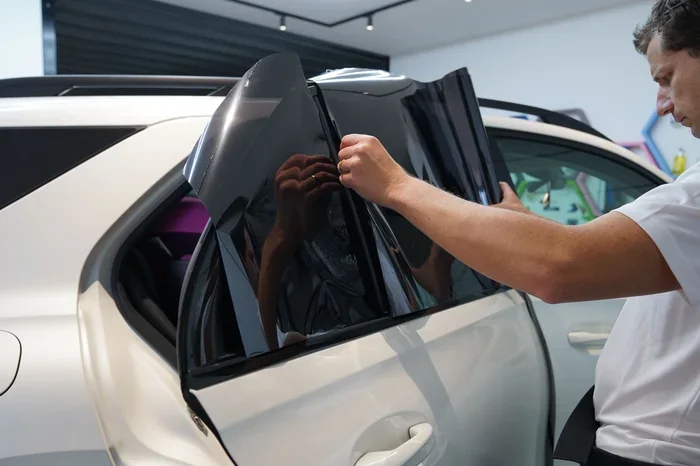
DIY tint kits are tempting. They are cheaper and you can do it yourself. But professional installation has many advantages. A skilled installer knows the legal tint limits and can recommend the right film. They also ensure the tint is applied evenly without bubbles or peeling. A good installation lasts longer and looks better. In the long run, paying a little more for professional work saves you from headaches.
Ask About Warranties
Good tint films come with warranties. These cover peeling, bubbling, and fading. Ask your installer about the warranty before you commit. A lifetime warranty is the best option. It means you are covered for as long as you own the car. Do not settle for a shop that does not offer any warranty. That is a red flag.
North Dakota Vehicle Inspection and Tint Compliance
When you get your vehicle inspected in North Dakota, your tint will be checked. Inspectors use a VLT meter to measure how much light passes through each window. If your tint does not meet the legal requirements, you will fail the inspection. This can delay your registration and create a lot of hassle.
To pass inspection, make sure your tint complies with all the rules we have covered. Check your front side windows first. They must be above 50% VLT. Make sure your windshield tint is only on the top 5 inches. If your rear windows are dark, confirm you have dual side mirrors. A few minutes of checking can save you from a failed inspection and a trip back to the shop.
Recent Changes to North Dakota Tint Laws
Like many states, North Dakota occasionally updates its vehicle codes. It is a good idea to stay current on any changes. The rules around window tinting regulations can shift over time. New technologies in tint film may also influence future regulations. If you are unsure about the current rules, check with the North Dakota Department of Transportation or a local auto shop. Staying informed is the best way to avoid violations.
Frequently Asked Questions About North Dakota Window Tint Law
Can I tint my front windshield in North Dakota?
You can tint only the top 5 inches of the windshield. Anything below that line must remain clear. This rule applies to all passenger vehicles. The tint strip is meant to reduce sun glare without blocking your view of the road.
What is the legal tint darkness for front side windows?
Front side windows must allow more than 50% of visible light through. This means the VLT must be above 50%. The tint should be light enough to maintain good visibility for the driver.
Are there any tint darkness limits for rear windows?
No. North Dakota does not set a minimum VLT for rear side windows or the back window. You can tint them as dark as you like. However, if you go darker than 50% VLT, you must have dual side mirrors.
Do I need a medical exemption for darker tint?
Yes, if you want your front side windows tinted darker than the legal limit, you need a medical exemption. A licensed physician must provide documentation of your condition. Submit this to the North Dakota Department of Transportation for approval.
What is the fine for an illegal tint in North Dakota?
Fines vary by county but typically range from $50 to over $200. You may also be required to remove the illegal tint. Repeated violations can lead to additional penalties and higher insurance costs.
Can I use reflective tint on my windows?
No. North Dakota law limits tint reflectivity to no more than 20% on all windows. Reflective tint that exceeds this limit is illegal. Stick with non-reflective or lightly reflective films to stay compliant.
Final Thoughts on North Dakota Window Tint Law
The North Dakota window tint law exists for one simple reason: safety. Clear windows help drivers see better. They reduce glare and improve visibility in all weather conditions. When you follow the rules, you protect yourself and everyone else on the road.
Getting your windows tinted can be a great upgrade. It adds comfort, style, and UV protection to your vehicle. But it comes with responsibility. Know the rules. Choose the right film. Work with a professional installer. And always keep your paperwork in order if you have an exemption.
Whether you are tinting a brand new car or re-doing an older vehicle, the process should be enjoyable. When you understand the legal tint limits, you can make confident choices. You will avoid tickets, pass inspections, and enjoy your tint for years to come. Take the time to learn the rules. Your future self will thank you every time you get behind the wheel.