Possible Condition With the Engine Control System on Hyundai
The engine control system on Hyundai vehicles manages critical functions like fuel injection, ignition timing, and emissions. When this system malfunctions, drivers may notice warning lights, poor performance, or stalling. This guide covers the most common Hyundai engine control system problems, what triggers them, and how to fix them affordably.
The engine control system is the brain behind every modern Hyundai vehicle. It manages fuel delivery, ignition timing, emissions, and dozens of other functions that keep your car running smoothly. When something goes wrong with this system, it can cause a wide range of problems — from a simple warning light to serious drivability issues.
If you own a Hyundai and have ever seen a strange light pop up on your dashboard or noticed your engine acting up, you are not alone. Engine control system problems are common across many Hyundai models. The good news is that most of these issues are fixable, especially when you catch them early. In this article, we will walk you through everything you need to know about possible conditions with the engine control system on Hyundai vehicles.
## What Is the Engine Control System on a Hyundai?
The engine control system, also known as the engine control unit (ECU) or powertrain control module (PCM), is a computerized system that manages your engine’s performance. Think of it as the brain that tells your engine how much fuel to inject, when to fire the spark plugs, and how to regulate emissions.
Every modern Hyundai vehicle relies on this system to operate efficiently. The ECU receives data from various sensors throughout the engine and makes real-time adjustments. When the engine control system works properly, you barely notice it. But when it fails, the results can be frustrating and sometimes expensive.
### How the Engine Control System Works
The engine control system uses a network of sensors and actuators. Here is how the process works in simple terms:
- Sensors collect data: The mass airflow sensor, oxygen sensor, throttle position sensor, and coolant temperature sensor all feed information to the ECU.
- The ECU processes the data: The computer analyzes the inputs and calculates the optimal fuel-to-air ratio and ignition timing.
- Actuators carry out commands: Fuel injectors, spark plugs, and the throttle body respond to the ECU’s instructions.
- Feedback loops monitor results: The system continuously checks its own performance and makes adjustments as needed.
This entire process happens in milliseconds. When one part of the system fails, it can create a chain reaction that affects engine performance.
## Common Symptoms of Hyundai Engine Control System Problems
Knowing the warning signs of engine control system trouble can save you from costly repairs down the road. Many Hyundai drivers ignore early symptoms until the problem becomes severe. Do not make that mistake.
### Check Engine Light
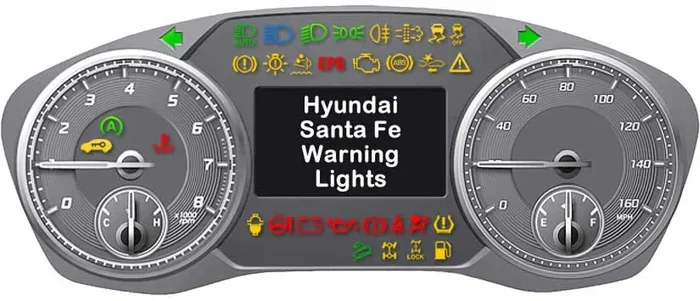
The most obvious sign of an engine control system issue is the check engine light on your dashboard. This light illuminates when the ECU detects a problem it cannot correct on its own. The light may stay solid or flash, depending on the severity of the issue.
A steady check engine light usually indicates a less urgent problem. A flashing light, however, signals a serious issue — often a misfire that could damage the catalytic converter. If you see a flashing light, pull over safely and get your vehicle inspected.
### Rough Idle or Stalling
If your Hyundai idrough idle or stalls at stoplights, the engine control system may be the culprit. A faulty throttle position sensor or dirty idle air control valve can confuse the ECU and cause unstable engine speeds.
### Poor Fuel Economy
A sudden drop in gas mileage often points to an engine control problem. When the ECU receives incorrect sensor data, it may inject too much fuel into the engine. This wastes gas and increases emissions.
### Engine Misfires
An engine misfire feels like a jerking or hesitation during acceleration. Misfires happen when one or more cylinders fail to fire correctly. The engine control system tries to compensate, but it cannot fix the root cause without proper diagnosis.
### Reduced Power or Acceleration
Some Hyundai models enter a “limp mode” when the engine control system detects a serious fault. In limp mode, the vehicle limits speed and power to protect the engine. If your Hyundai feels sluggish or weak, the engine control system may be in protective mode.
## What Causes Engine Control System Failures on Hyundai?
Understanding the root causes of engine control system problems helps you take preventive action. Many of these causes are avoidable with regular maintenance and careful driving.
### Faulty Sensors
Sensors are the eyes and ears of the engine control system. When a sensor fails, the ECU makes decisions based on bad data. The most common sensor failures on Hyundai vehicles include:
- Mass Airflow Sensor (MAF): A dirty or failing MAF sensor sends incorrect air intake readings, causing poor fuel mixture.
- Oxygen Sensor: A bad oxygen sensor leads to increased emissions and reduced fuel economy.
- Throttle Position Sensor (TPS): A faulty TPS causes erratic idle, stalling, and poor acceleration response.
- Coolant Temperature Sensor: When this sensor fails, the ECU cannot properly adjust fuel delivery based on engine temperature.
### Wiring and Connector Issues
Corroded or damaged wiring is a surprisingly common cause of engine control problems on Hyundai vehicles. The engine bay exposes wiring harnesses to heat, moisture, and vibration over time. A loose connector or frayed wire can send intermittent signals to the ECU, triggering error codes and warning lights.
### Failing Catalytic Converter
The catalytic converter is part of the emissions system managed by the engine control system. When it fails, the ECU detects abnormal oxygen sensor readings and illuminates the check engine light. A clogged catalytic converter also reduces engine power and fuel economy.
### Bad Battery or Alternator
The engine control system depends on a stable electrical supply. A weak battery or failing alternator can cause voltage fluctuations that confuse the ECU. In some cases, a bad battery can even trigger the wrench light on Hyundai dashboards. If you experience electrical issues alongside engine problems, check your battery and charging system first.
### Software or Calibration Issues
Occasionally, the problem is not hardware but software. Outdated ECU software or a failed calibration update can cause the engine control system to behave erratically. Hyundai occasionally issues technical service bulletins (TSBs) to address known software issues on specific models and model years.
## How to Diagnose Engine Control System Problems
Diagnosing an engine control system issue may seem intimidating, but it is very doable with the right tools and knowledge. Many Hyundai owners handle basic diagnostics at home before visiting a mechanic.
### Step 1: Read the Diagnostic Trouble Codes
The first step in diagnosing any engine control problem is retrieving the diagnostic trouble codes (DTCs). These codes tell you exactly what the ECU has flagged. You can read DTCs using:
- An OBD-II scanner: Affordable handheld scanners plug into the diagnostic port under your Hyundai’s dashboard. They display error codes that point to the specific problem.
- A code reader app: Some Bluetooth-enabled OBD-II adapters connect to smartphone apps, giving you real-time sensor data and error codes.
- A mechanic’s diagnostic machine: Professional-grade tools provide deeper analysis and manufacturer-specific codes.
Once you have the code, you can look up what it means and determine the next steps.
### Step 2: Check for Obvious Issues
Before diving into complex repairs, check the simple things first:
- Make sure your gas cap is tightened properly. A loose cap triggers the check engine light on many Hyundai models.
- Inspect the battery terminals for corrosion. Clean them with a wire brush if needed.
- Look under the hood for disconnected wires or damaged hoses.
- Check your oil level and condition. Low or dirty oil can affect engine performance.
### Step 3: Test the Sensors
If the codes point to a specific sensor, test it with a multimeter. Most sensors produce a voltage signal that should fall within a specific range. If the reading is outside that range, the sensor likely needs replacement.
### Step 4: Clear the Codes and Test Drive
After making repairs, clear the diagnostic codes using your OBD-II scanner. Take your Hyundai for a test drive and see if the check engine light returns. If it does, the problem may not be fully resolved, or there may be multiple issues at play.
## Can You Drive a Hyundai With an Engine Control System Problem?
This is one of the most common questions Hyundai owners ask. The short answer is: it depends on the severity of the problem.
If the check engine light is solid and your vehicle runs normally, you can usually drive a short distance safely. However, you should get the problem diagnosed as soon as possible. Ignoring the light can lead to more serious damage over time.
If the check engine light is flashing, you should stop driving immediately. A flashing light typically indicates a severe misfire that can damage the catalytic converter and other expensive components. In this case, have your vehicle towed to a repair shop.
Many drivers wonder whether they can still drive with the check engine light on for 50 miles or more. While some minor issues (like a loose gas cap) may not worsen with short drives, it is always best to address the problem promptly. The longer you drive with an unresolved engine control issue, the more potential damage can occur.
## How to Fix Hyundai Engine Control System Problems
The fix for an engine control system problem depends entirely on the root cause. Here are the most common repairs and their estimated costs:
Sensor Replacement
Replacing a faulty sensor is one of the most common repairs. Mass airflow sensors typically cost between $100 and $300 for parts and labor. Oxygen sensors run $50 to $250 per sensor. Throttle position sensors are similar in price.
Wiring Harness Repair
Repairing damaged wiring can range from $50 for a simple connector replacement to several hundred dollars for a full harness replacement, depending on the extent of the damage.
Catalytic Converter Replacement
This is one of the most expensive engine control system repairs. A new catalytic converter can cost anywhere from $500 to $2,500 or more, depending on the Hyundai model and whether you choose an OEM or aftermarket part.
ECU Replacement or Reprogramming
Replacing the engine control unit itself is rare but sometimes necessary. A new ECU can cost $500 to $1,500. Reprogramming or updating the ECU software is much cheaper and often resolves software-related issues.
Battery or Alternator Replacement
If electrical issues are causing engine control problems, replacing the battery ($100 to $200) or alternator ($300 to $600) may solve the problem entirely.
## Preventive Maintenance Tips for Hyundai Engine Control Systems
Prevention is always better than repair. Here are simple steps to keep your Hyundai engine control system healthy:
- Keep up with regular maintenance: Follow your Hyundai service schedule for oil changes, air filter replacements, and spark plug changes.
- Use quality fuel: Cheap or contaminated fuel can damage sensors and affect engine performance.
- Check your gas cap regularly: A worn or loose gas cap is one of the easiest ways to trigger the check engine light.
- Address warning lights immediately: Do not ignore dashboard warnings. The sooner you diagnose the issue, the cheaper the repair.
- Keep the engine bay clean: Dirt and moisture can corrode connectors and wiring over time.
- Reset the light properly: After fixing a problem, use an OBD-II scanner to reset the check engine light rather than disconnecting the battery.
## When to See a Professional Mechanic
While many engine control system issues can be diagnosed at home, some problems require professional expertise. You should see a mechanic if:
- The check engine light flashes repeatedly or stays on after you have tried basic fixes.
- Your Hyundai experiences severe stalling, loss of power, or dangerous driving behavior.
- You have checked the obvious causes (gas cap, battery, oil) and the light persists.
- You need specialized diagnostic equipment that you do not own.
- The repair involves the catalytic converter, ECU, or internal engine components.
A qualified mechanic can perform a full diagnostic scan, inspect the wiring and sensors, and provide a detailed repair plan. Many Hyundai dealerships and independent shops offer free or low-cost diagnostic services.
## Final Thoughts on Hyundai Engine Control System Conditions
The engine control system is the heart of your Hyundai’s operation. When it works correctly, you enjoy smooth performance, good fuel economy, and low emissions. When it fails, even minor issues can quickly escalate into major problems if left unchecked.
The key takeaway is simple: pay attention to your dashboard warning lights and address problems early. A quick diagnostic scan can reveal a lot about what is going on under the hood. Whether the issue is a loose gas cap, a failing sensor, or something more complex, catching it early saves you time, money, and stress.
Stay proactive with your Hyundai maintenance, keep an eye on your engine’s behavior, and do not hesitate to seek professional help when needed. Your engine control system will thank you with years of reliable service.
Key Takeaways
- Check Engine Light Is the #1 Signal: Most Hyundai engine control system issues trigger the check engine light on the dashboard.
- Common Culprits Include Sensors and Wiring: Faulty mass airflow sensors, throttle position sensors, and corroded wiring harnesses are frequent offenders.
- You Can Often Reset the Light Safely: Resetting the check engine light without disconnecting the battery is possible in many cases.
- Driving with the Light On Has Limits: Understanding how far you can drive with the check engine light on helps prevent further damage.
- Regular Maintenance Prevents Most Issues: Staying on top of Hyundai service schedules keeps the engine control system running smoothly.
- Professional Diagnostics Save Time and Money: Using an OBD-II scanner or visiting a mechanic quickly identifies the root cause.
Frequently Asked Questions
What does the engine control system do on a Hyundai?
The engine control system manages fuel delivery, ignition timing, emissions, and other critical engine functions. It uses sensors and a central computer (the ECU) to make real-time adjustments that keep your Hyundai running efficiently and smoothly.
Can I drive my Hyundai with the check engine light on?
You can usually drive a short distance if the light is solid and the car runs normally. However, if the light is flashing, you should stop driving immediately and have the vehicle towed. A flashing light often indicates a serious misfire that can cause additional damage.
How much does it cost to fix an engine control system problem on a Hyundai?
The cost varies widely depending on the cause. Simple sensor replacements may cost $50 to $300, while more complex repairs like a catalytic converter or ECU replacement can run $500 to $2,500 or more. Getting a proper diagnosis first helps you avoid unnecessary expenses.
Can a bad battery cause engine control system issues on a Hyundai?
Yes, a weak or failing battery can cause voltage fluctuations that confuse the engine control unit. This may trigger warning lights, cause erratic engine behavior, or even put the vehicle into limp mode. Checking your battery and charging system is a smart first step when diagnosing engine control problems.
How do I reset the check engine light on my Hyundai?
You can reset the check engine light using an OBD-II scanner after fixing the underlying problem. You do not need to disconnect the battery. However, if the root cause is not resolved, the light will likely return after resetting.
What is the difference between the check engine light and the maintenance required light on a Hyundai?
The check engine light indicates a specific engine or emissions problem detected by the ECU. The maintenance required light is a general service reminder based on mileage or time intervals. They are not the same, and each requires a different response.