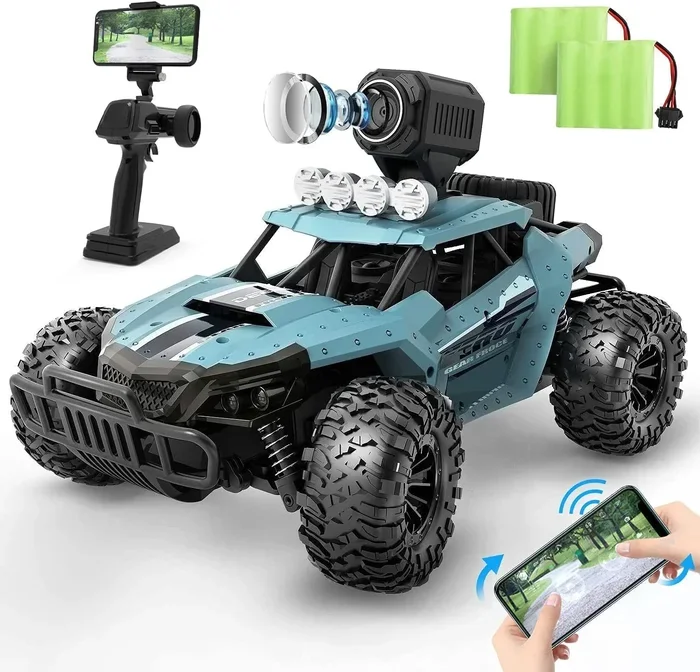
Everything You Need to Know About Remote Car with Camera
A remote car with camera lets you see what the car sees in real time, making driving more fun and interactive. Whether you are a hobbyist, a racer, or just looking for a cool gadget, these vehicles offer a unique first-person view experience. In this guide, we cover everything from types and features to buying tips and common mistakes. You will learn how to pick the best remote car with camera for your needs and budget.
Have you ever wanted to see the world through your car’s eyes? That is exactly what a remote car with camera offers. These amazing vehicles come equipped with small cameras that send live video back to a screen or headset. It is like having a tiny driver’s seat inside a miniature car.
The popularity of RC cars with cameras has grown fast in recent years. People use them for racing, exploring, filming, and just plain fun. Whether you are cruising around your backyard or navigating obstacle courses, the live feed adds a whole new dimension to the experience. If you have never tried one, you are missing out on a truly exciting hobby.
In this article, we will walk you through everything you need to know. We will cover the different types available, the key features to look for, and how to choose the best model for your needs. By the end, you will have a clear picture of what makes a great remote control car camera setup and how to get started.
Key Takeaways
- Live Video Feed: A remote car with camera gives you a real-time view from the vehicle’s perspective.
- Multiple Types Available: Options range from ready-to-run models to DIY kits and FPV racing cars.
- Key Features Matter: Camera resolution, transmission range, and battery life are critical factors.
- Great for All Skill Levels: Beginners and experts alike can enjoy RC cars with cameras.
- Maintenance Extends Life: Regular care keeps your camera and vehicle performing at their best.
- Avoid Common Mistakes: Skipping research and ignoring terrain compatibility are frequent errors.
📑 Table of Contents
- What Is a Remote Car with Camera?
- Types of Remote Cars with Cameras
- Key Features to Look For
- Benefits of Owning a Remote Car with Camera
- How to Choose the Right Remote Car with Camera
- Tips for Getting the Most Out of Your Remote Car with Camera
- Common Mistakes to Avoid
- Frequently Asked Questions
- Conclusion
What Is a Remote Car with Camera?
A remote car with camera is a radio-controlled vehicle that has a small camera mounted on it. The camera sends live video to a receiver, which can be a screen on the controller or a separate monitor. Some advanced models use a first-person view system, also known as FPV, where you wear goggles to see exactly what the car sees.
The idea is simple but the experience is incredible. Instead of watching the car from the outside, you see the road from its perspective. This makes driving feel more immersive and engaging. It is one of the main reasons why RC car with live video setups have become so popular among hobbyists.
These vehicles come in many shapes and sizes. You can find tiny micro cars that fit in your palm, mid-size buggies for off-road adventures, and large trucks built for speed and durability. Each type offers a different experience, and we will explore them in detail below.
Types of Remote Cars with Cameras
Not all wireless camera car models are the same. Different types serve different purposes and suit different skill levels. Let us break down the main categories so you can find the right fit.
Ready-to-Run RC Cars with Cameras
Ready-to-run models, often called RTR, are the easiest to start with. They come fully assembled right out of the box. You charge the battery, turn on the transmitter, and you are ready to drive. Most RTR RC cars with built-in cameras are designed for beginners who want a simple, plug-and-play experience.
Popular brands in this category include brands like ARRIS, Holy Stone, and Syma. These cars usually have decent camera quality and a range of about 50 to 100 meters. They are perfect for casual driving, indoor use, and learning the basics of remote vehicle with video control.
DIY RC Car Camera Kits
If you enjoy building things, a DIY kit might be the perfect choice. These kits give you all the parts you need to assemble your own RC car with camera. You put together the chassis, install the motor, mount the camera, and wire up the transmitter. It is a hands-on project that teaches you a lot about how these systems work.
DIY kits are popular among hobbyists who want full control over every component. You can choose a high-quality camera, a powerful transmitter, and a battery that suits your needs. The downside is that it takes more time and patience. But the reward is a fully customized RC car streaming setup that is uniquely yours.
FPV Racing Cars
FPV stands for First-Person View, and FPV racing cars are built for speed and precision. These are not your average toy cars. They are high-performance machines designed for competitive racing and advanced maneuvering. The camera feeds video directly to FPV goggles, giving you a truly immersive driving experience.
FPV racing requires more skill and investment. The cars are faster, the cameras are better, and the long-range RC car camera systems can transmit video over several kilometers. If you are serious about remote car racing and want the most realistic experience possible, an FPV setup is the way to go.
Off-Road RC Cars with Cameras
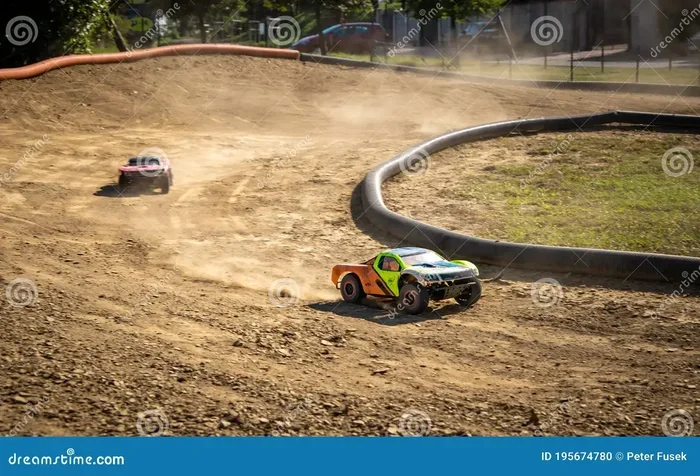
Off-road models are built to handle rough terrain. They have larger wheels, higher ground clearance, and sturdy suspension systems. Adding a camera to off-road RC car setups lets you explore places you cannot easily reach on foot. Think of rocky trails, muddy paths, and forest tracks.
These cars are great for outdoor adventures and content creation. Many vloggers and filmmakers use off-road RC car camera rigs to capture unique perspectives. The live feed helps you navigate tricky terrain while seeing everything from the car’s point of view.
Key Features to Look For
When shopping for a remote car with camera, not all models are created equal. Certain features make a big difference in performance and enjoyment. Here are the most important ones to consider.
Camera Quality and Resolution
The camera is the heart of the whole system. You want clear, sharp images so you can see what is ahead. Most entry-level RC car with HD camera models offer 720p or 1080p resolution. Higher-end FPV setups can support 1080p and even 4K recording.
Beyond resolution, consider the camera angle. A wide-angle lens gives you a broader view of the road ahead. Some cameras also have night vision or low-light capabilities, which are great for evening drives or dimly lit environments. A remote car with night vision camera opens up a whole new world of exploration after dark.
Transmission Range
The transmission range determines how far you can drive the car while still receiving a live video feed. For casual use around your home or yard, a range of 50 to 100 meters is usually enough. But if you want to explore larger areas or race on big tracks, you need a longer range.
High-end RC car video transmitter systems can push video signals over 500 meters or more. Keep in mind that walls, trees, and other obstacles can reduce the effective range. Always check the manufacturer’s claims and read user reviews to get a realistic idea of performance.
Battery Life and Power
Nothing is more frustrating than a car that dies mid-drive. Battery life is a crucial factor, especially if you plan on using your remote control car camera for extended sessions. Most models offer between 15 and 45 minutes of drive time on a single charge.
Look for cars that use rechargeable lithium-polymer batteries, as they offer the best balance of power and runtime. It is also smart to buy spare batteries so you can keep driving without long breaks. Some advanced models even support fast charging, which cuts down on downtime.
Durability and Build Quality
Cars crash. That is just part of the hobby. A well-built hobby-grade RC car can take hits and keep going. Look for models with sturdy plastic or metal chassis, shock-absorbing suspension, and sealed electronics. These features protect your investment and keep your RC car with live feed running smoothly through rough use.
Ease of Use
Not everyone wants a complicated setup. If you are new to the hobby, look for models with simple controls and straightforward installation. Many modern remote car with camera options come with intuitive apps, easy-to-read screens, and beginner-friendly modes. You do not need to be a tech expert to enjoy this hobby.
Benefits of Owning a Remote Car with Camera
Why should you invest in a remote car with camera? The benefits go far beyond just having fun. Let us look at some of the top advantages.
Immersive Experience: The first-person view makes driving feel incredibly real. You are not just watching from afar. You are inside the action. This level of immersion is what sets camera-equipped RC cars apart from regular models.
Great for Filmmaking: If you create content or just love capturing unique footage, a remote vehicle with video is a powerful tool. You can get shots that would be impossible with a regular camera. Low angles, tight spaces, and dynamic movement all become easy to capture.
Skill Building: Driving an RC car with a live feed helps you develop hand-eye coordination and spatial awareness. It is a fun way to practice skills that translate to real-world driving and navigation.
Exploration: These cars can go places people cannot easily reach. Under cars, through tight gaps, across rough terrain. A remote car with camera turns exploration into an adventure you can see in real time.
Family Fun: RC cars with cameras are fantastic for family bonding. Kids and adults alike can enjoy the thrill of seeing through the car’s eyes. It is a great way to spend quality time together outdoors.
How to Choose the Right Remote Car with Camera
With so many options on the market, choosing the right remote car with camera can feel overwhelming. But it does not have to be. Follow these guidelines to narrow down your choices and find the perfect match.
Consider Your Skill Level
Be honest about where you stand. If you are a complete beginner, start with a simple RTR model. These cars are forgiving and easy to learn on. As you gain confidence, you can move up to more advanced setups with better cameras and longer ranges.
Intermediate users might enjoy a DIY RC car camera kit that allows for customization. Advanced hobbyists will appreciate FPV racing cars with high-end cameras and goggles. Matching the car to your skill level ensures you have fun without getting frustrated.
Think About Your Terrain
Where will you be driving? This question matters more than you might think. If you plan to use your car mostly indoors, a small, lightweight model with a wide-angle camera works best. For outdoor use, you need something more durable and capable of handling different surfaces.
Off-road models with off-road RC car camera setups shine on trails, grass, and gravel. On-road cars perform better on smooth surfaces like pavement and parking lots. Matching the car to your terrain maximizes enjoyment and prevents unnecessary wear and tear.
Set a Budget
Remote car with camera prices range from under $50 to well over $500. Before you start shopping, decide how much you are willing to spend. Budget models offer decent features for casual fun, while premium models deliver professional-grade performance.
Remember that the total cost includes more than just the car. You may need extra batteries, a better monitor, replacement parts, and accessories. Factor in these additional costs when planning your purchase. A good rule of thumb is to set aside 20 to 30 percent of your budget for extras.
Tips for Getting the Most Out of Your Remote Car with Camera
Once you have your remote car with camera, you want to get the best experience possible. These practical tips will help you do just that.
Start Indoors
Before you take your new car outside, practice in a large indoor space. A gymnasium, a long hallway, or even a big living room works well. Indoor driving lets you get comfortable with the controls and the camera feed without worrying about crashes or weather.
Start slow. Get a feel for how the car responds to your inputs. Pay attention to the video feed and how it matches what you see from the side. This practice builds confidence and skills that will serve you well when you move outdoors.
Maintain Your Equipment
Regular maintenance keeps your RC car with built-in camera running smoothly. After each session, check the camera lens for dirt and debris. Wipe it clean with a soft cloth to keep the image clear. Inspect the wheels, suspension, and body for any damage.
Store your car in a cool, dry place when not in use. Extreme heat and moisture can damage both the electronics and the battery. Remove the battery if you will not be using the car for an extended period. These simple habits extend the life of your equipment significantly.
Upgrade Gradually
You do not need to buy everything at once. Start with a basic model and upgrade components over time. Maybe you start with a standard camera and later add a high-definition one. Perhaps you begin with a short-range transmitter and eventually invest in a long-range system.
Gradual upgrades let you learn what you really need. You avoid wasting money on features you will not use. Over time, you can build a remote car with camera setup that is perfectly tailored to your preferences and driving style.
Experiment with Angles and Positions
The position of the camera matters more than most people realize. A camera mounted too high might miss obstacles at ground level. One mounted too low might get dirty quickly and lose visibility. Experiment with different angles to find the sweet spot.
Many RC car camera mount options are adjustable, so you can tilt and reposition the camera as needed. For off-road driving, a slightly forward-angled camera helps you see upcoming obstacles. For speed runs, a lower angle gives you a more dynamic perspective.
Common Mistakes to Avoid
Even experienced hobbyists make mistakes. Being aware of common pitfalls helps you avoid them and enjoy a smoother experience with your remote car with camera.
Skipping Research: Buying the first car you see is a recipe for disappointment. Take time to read reviews, watch videos, and compare models. The cheapest option is not always the best value.
Ignoring Terrain Compatibility: An off-road car on pavement or an on-road car on gravel will both perform poorly. Always match your car to the surface you will be driving on.
Neglecting Battery Care: Overcharging or completely draining lithium batteries shortens their lifespan. Follow the manufacturer’s charging guidelines and store batteries at the proper charge level when not in use.
Forgetting About Interference: Other electronic devices, Wi-Fi networks, and even other RC cars can interfere with your video signal. If you experience static or signal loss, move away from potential sources of interference.
Skipping Breaks: Long driving sessions can wear out both you and the car. Take regular breaks to rest your eyes and give the car time to cool down. This simple habit prevents fatigue and equipment damage.
Frequently Asked Questions
What is the best remote car with camera for beginners?
For beginners, ready-to-run models from brands like ARRIS or Holy Stone are excellent choices. They are affordable, easy to set up, and come with decent cameras. Look for a model with a 720p or 1080p camera, a range of at least 50 meters, and simple controls. These features give you a great starting point without overwhelming you with complexity.
Can I add a camera to my existing RC car?
Yes, you absolutely can. Many hobbyists upgrade their existing cars by adding aftermarket cameras and transmitters. DIY camera kits are widely available and come with easy-to-follow instructions. Just make sure the camera and transmitter are compatible with your car’s size and power system. This is a great way to breathe new life into an older model.
How far can a remote car with camera transmit video?
The range varies widely depending on the model and setup. Budget-friendly cars typically offer 50 to 100 meters. Mid-range models can reach 200 to 500 meters. High-end FPV systems can transmit video over one kilometer or more. Keep in mind that obstacles like walls and trees can reduce the effective range significantly.
Is a remote car with camera legal to use in public spaces?
Laws vary by location and country. In most places, flying or driving an RC car in public parks or open areas is allowed as long as you do not disturb others. However, using cameras in certain areas may be restricted due to privacy laws. Always check local regulations before using your car in public spaces, especially those with cameras.
Do I need special goggles for FPV RC cars?
Yes, if you want the full FPV experience, you need FPV goggles. These goggles receive the video signal from the car and display it in real time. They range from affordable basic models to premium options with high-resolution screens and wide fields of view. Some people also use monitors or tablets instead of goggles, which works well for casual use.
How much does a good remote car with camera cost?
Prices vary based on features and quality. Entry-level models start around $30 to $60. Mid-range cars with better cameras and longer ranges typically cost $100 to $250. High-end FPV racing setups can run $300 to $500 or more. The best approach is to set a budget that matches your goals and skill level, then look for the best value within that range.
Conclusion
A remote car with camera is one of the most exciting additions to the world of RC hobbies. It transforms a simple toy into an immersive, interactive experience. Whether you are a beginner looking for casual fun or a seasoned racer chasing the thrill of FPV competition, there is a perfect model out there for you.
The key is to understand your needs, choose the right type of car, and invest in quality features like a good camera, reliable transmitter, and durable build. Start simple, practice often, and upgrade gradually as your skills grow. With the right remote car with camera, every drive becomes an adventure, and every session offers something new to discover.
Now that you have all the information you need, it is time to take the next step. Pick a model that excites you, hit the road, and enjoy the view from behind the lens. Happy driving!