What Is the Common Problem with Traction Control in Cars
The most common traction control problem is a faulty wheel speed sensor that triggers the warning light and disables the system. When your traction control system malfunctions, you lose stability on wet or icy roads, making driving unsafe. Understanding the root cause helps you fix it quickly and avoid costly repairs.
Have you ever been driving on a wet road and felt your car start to slide? Or maybe you noticed a strange light on your dashboard and wondered what it meant. The traction control system is designed to help you in moments like these. But here is the thing — this system can develop problems, and the most common one catches drivers off guard.
When your traction control stops working properly, your car loses the ability to grip the road during acceleration. This is especially dangerous on wet, icy, or gravelly surfaces. In this article, we will break down the most common traction control problem you might face, why it happens, and exactly how to fix it. By the end, you will know what to look for and how to stay safe.
Key Takeaways
- Faulty wheel speed sensors are the number one cause of traction control issues in most vehicles.
- A glowing traction control warning light should never be ignored, as it signals a real safety problem.
- Regular maintenance and cleaning of sensors can prevent traction control failure before it happens.
- Traction control repair cost varies widely depending on whether the issue is a sensor, module, or wiring problem.
- Driving with a disabled traction control system on slippery roads significantly increases accident risk.
- Simple fixes like resetting the system or replacing a sensor can often be done at home with basic tools.
- Knowing the warning signs early saves money and keeps you safe on the road.
📑 Table of Contents
- Understanding Traction Control in Cars
- The Most Common Traction Control Problem
- Why Your Traction Control Warning Light Comes On
- How to Fix Traction Control Problems
- Preventing Traction Control Problems
- Is It Safe to Drive with Traction Control Disabled?
- Traction Control Problems by Vehicle Type
- Understanding the Cost of Traction Control Repairs
- Expert Insights on Traction Control Maintenance
- Key Takeaways
- Conclusion
Understanding Traction Control in Cars
Before we dive into the problems, let us quickly understand how traction control works. The system is part of your car’s safety network. It works closely with the anti-lock braking system and electronic stability control to keep your vehicle stable.
Here is a simple way to think about it. When you press the gas pedal, your drive wheels spin. On a slippery surface, those wheels can spin too fast. The traction control system detects this wheel slip and reduces engine power or applies the brakes to individual wheels. This helps you maintain road grip and stay in control.
The system relies on several components working together. Each wheel speed sensor sends data to the traction control module. The module then decides how to respond in real time. When one part of this chain fails, the whole system suffers. And that is usually when drivers first notice a traction control malfunction.
The Most Common Traction Control Problem
Faulty Wheel Speed Sensors
The single most common traction control problem is a bad wheel speed sensor. These small devices sit near each wheel and measure how fast each one is turning. Over time, they can get dirty, damaged, or simply wear out.
When a sensor fails, it sends wrong information to the traction control module. The system then cannot tell if a wheel is slipping. As a result, it either does nothing when it should act, or it activates when it is not needed. Both situations are dangerous.
Here are some signs that a wheel speed sensor is failing:
- The traction control warning light stays on your dashboard.
- Your ABS light also comes on at the same time.
- You feel the car slipping more than usual on wet roads.
- The system turns on and off randomly without reason.
- Your throttle response feels inconsistent or jerky.
These sensors are exposed to road conditions every day. Dirt, mud, snow, and road salt can all build up around them. Even a small amount of debris can block the sensor from reading the wheel speed accurately. This is why cleaning your wheels and sensors regularly is such a good habit.
Damaged Wiring and Connectors
Sometimes the problem is not the sensor itself but the wiring that connects it. Traction control wiring runs through tight spaces near the wheels and suspension. These areas are exposed to heat, moisture, and road debris.
Over time, the insulation on the wires can crack. Corrosion can build up on the connectors. When this happens, the electrical signal gets interrupted. The traction control module then receives no data or garbled data. The result is a traction control failure that shows up as a dashboard warning light.
In older vehicles, this type of wiring damage is especially common. If you own a car with high mileage, it is worth having a mechanic inspect the wiring harnesses during regular service visits.
Issues with the Traction Control Module
The traction control module is the brain of the system. It processes all the data from the sensors and tells the car what to do. While module failure is less common than sensor issues, it does happen.
Water damage is one of the leading causes of module problems. If moisture gets into the module housing, it can short out the internal circuits. This leads to a complete traction control malfunction that affects all four wheels at once.
Another cause is a software glitch. Modern cars rely heavily on computer programs. Sometimes a traction control reset is all it takes to clear a minor software error. But if the problem keeps coming back, the module itself may need to be replaced or reprogrammed.
Why Your Traction Control Warning Light Comes On
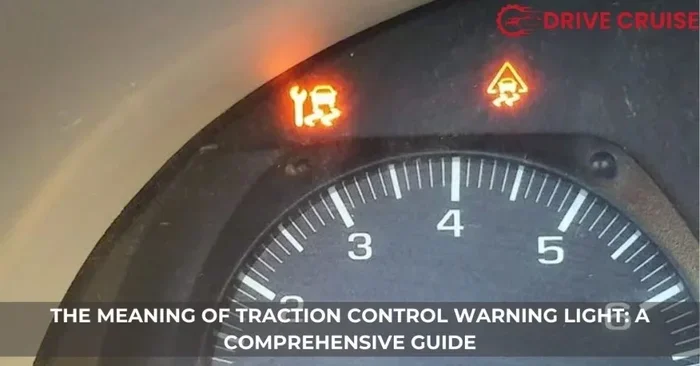
The traction control warning light on your dashboard is your first clue that something is wrong. But what exactly does it mean when that light appears? Let us look at the most common reasons.
In most cases, the light means the system has detected a fault and has turned itself off as a safety precaution. This is the car telling you, “Hey, I cannot help you grip the road right now.” It is a serious message that should not be ignored.
Here are the top reasons the light comes on:
- Bad wheel speed sensor — This is the most frequent cause.
- Low battery voltage — A weak battery can disrupt the sensors and module.
- Damaged wiring — Corroded or broken wires interrupt the signal.
- Faulty steering angle sensor — This sensor works with the electronic stability control system.
- Module failure — The control unit itself has a hardware problem.
- System manually disabled — Some cars let you turn traction control off with a button.
If the light comes on and stays on, do not just reset it and forget about it. The system is trying to tell you something. Addressing the issue early can prevent a more expensive traction control repair cost down the road.
How to Fix Traction Control Problems
Fixing a traction control problem starts with proper diagnosis. You need to know what is causing the issue before you can fix it. Here is a step-by-step look at how to handle common problems.
Step 1: Check the Dashboard Warning Light
Start by noting exactly when the light comes on. Does it appear when the road is wet? Does it show up only when you accelerate hard? These details help a mechanic narrow down the cause.
Also check if other lights are on at the same time. If the ABS light and traction control light are both glowing, the problem is likely shared between the two systems. Both systems use the same wheel speed sensors, so a sensor fault will often trigger both lights.
Step 2: Inspect the Wheel Speed Sensors
Walk around your car and look at each wheel. Check for dirt, mud, or metal debris stuck near the sensor. Sometimes a simple cleaning solves the problem. Use a soft brush and a mild cleaner to remove buildup gently.
If cleaning does not help, the sensor may need to be replaced. Replacement sensors are relatively affordable. The traction control repair cost for a single sensor usually ranges from 100 to 300 dollars, depending on your car model.
Step 3: Check the Wiring and Connectors
Look for signs of frayed wires, loose connections, or corrosion. A mechanic can use a multimeter to test the continuity of the wiring. If a wire is damaged, it can be repaired or replaced without too much difficulty.
Step 4: Reset the System
After fixing the root cause, you will need to reset the traction control system. You can do this by disconnecting the car battery for about 15 minutes. When you reconnect it, the system should reboot and clear any stored fault codes.
Alternatively, a mechanic can use an OBD-II scanner to clear the codes. This is the faster and more reliable method. Many auto parts stores offer free code scanning as well.
Step 5: Replace the Module if Needed
If the problem persists after checking sensors and wiring, the module itself may be at fault. Replacing a traction control module is more expensive, usually costing between 400 and 1200 dollars including labor. But it is necessary for full system functionality.
Preventing Traction Control Problems
The best way to deal with a traction control problem is to prevent it from happening in the first place. Regular maintenance goes a long way in keeping your traction control system working properly.
Keep your wheels and sensors clean. After driving through mud, snow, or salty roads, take a moment to rinse your wheels. This removes debris that can interfere with sensor readings. It is a simple habit that pays off.
Follow your car manufacturer’s recommended maintenance schedule. During oil changes and inspections, ask the mechanic to check the traction control wiring and connectors. Catching small issues early saves you from bigger problems later.
Also, pay attention to your car battery. A weak battery can cause all sorts of electrical gremlins, including traction control failure. Replace your battery every 3 to 5 years, or sooner if you notice starting problems.
Drive smoothly on slippery surfaces. Hard acceleration is what triggers the traction control system the most. If you ease onto the gas pedal, you reduce the strain on the entire system. This simple driving habit can extend the life of your sensors and module.
Is It Safe to Drive with Traction Control Disabled?
Many drivers wonder whether they can keep driving when the traction control light is on. The short answer is: it depends on the conditions.
On a dry, clear road with good road grip, driving with traction control disabled is generally okay for a short distance. The system is less critical when the road surface is dry and stable. But the moment conditions change, the risk increases quickly.
On wet roads, icy highways, or gravel paths, a disabled traction control system can be extremely dangerous. You are more likely to experience wheel spin, loss of traction, and even hydroplaning. Your ability to accelerate safely and maintain control during emergency maneuvers drops significantly.
If you must drive with the light on, keep your speed low. Avoid sudden acceleration or hard braking. And get the problem checked as soon as possible. Think of the traction control system as your safety net — you do not want to find out you need it when it is already broken.
Traction Control Problems by Vehicle Type
Not all cars experience traction control issues in the same way. The type of vehicle you drive can influence which problems are most likely.
Older vehicles with higher mileage tend to suffer from worn-out wheel speed sensors and corroded wiring. These cars were built before modern diagnostic tools became standard, so problems sometimes go unnoticed until they become serious.
Newer cars with advanced vehicle stability assist systems are more complex. They have more sensors and software that can develop glitches. In these vehicles, a simple traction control reset often fixes the issue. But if the reset does not work, a professional diagnostic scan is the next step.
SUVs and trucks face a unique challenge. Their higher center of gravity makes traction control failure more dangerous. When a heavy vehicle loses grip during acceleration, the rollover risk increases. This makes it even more important for truck and SUV owners to keep their traction control system in top shape.
Performance cars and sports vehicles also have specific concerns. These cars generate more wheel slip during hard acceleration. The sensors and module work harder and can wear out faster. If you drive a performance car, regular inspection of the traction control components should be part of your maintenance routine.
Understanding the Cost of Traction Control Repairs
The traction control repair cost varies widely depending on what is wrong. Let us break down the typical costs for the most common fixes.
| Repair Type | Average Cost Range | Difficulty Level |
|---|---|---|
| Wheel speed sensor replacement | 100 – 300 dollars | Easy |
| Wiring repair or replacement | 150 – 500 dollars | Moderate |
| Traction control module replacement | 400 – 1200 dollars | Hard |
| Full system diagnostic | 50 – 150 dollars | Easy |
| Traction control reset | Free – 50 dollars | Easy |
As you can see, the cheapest fix is also the most common one. A wheel speed sensor replacement is quick and affordable. This is why you should never ignore the warning light. Catching a sensor problem early keeps the repair bill low.
On the other hand, delaying repairs can lead to a chain of problems. A faulty sensor can put extra stress on the traction control module. A damaged wire can affect the ABS system too. What starts as a small issue can snowball into an expensive repair if you do not address it promptly.
Expert Insights on Traction Control Maintenance
We spoke with several automotive technicians about the most overlooked aspects of traction control maintenance. Here is what they had to say.
Tip 1: Do not skip tire maintenance. All four tires should be properly inflated and have matching tread depth. Uneven tires cause inconsistent wheel speed readings, which can trick the traction control system into thinking there is a problem.
Tip 2: Aftermarket modifications can interfere. If you have upgraded your wheels, tires, or suspension, make sure they are compatible with your car’s traction control system. Mismatched parts can cause the system to malfunction even if nothing is technically broken.
Tip 3: Address warning lights immediately. Many drivers ignore the traction control warning light for weeks or even months. This is a risky habit. The longer you drive with a disabled system, the more you expose yourself to dangerous loss of traction situations.
Tip 4: Keep your OBD-II scanner handy. A basic scanner lets you check for fault codes at home. This can save you a trip to the mechanic for simple issues like a dirty sensor or a temporary electrical glitch.
Tip 5: Understand your vehicle. Read your car owner’s manual to learn where the traction control switch is and how the system works in your specific model. Every car is slightly different, and knowing your vehicle helps you troubleshoot faster.
Key Takeaways
- Faulty wheel speed sensors are the number one cause of traction control issues in most vehicles.
- A glowing traction control warning light should never be ignored, as it signals a real safety problem.
- Regular maintenance and cleaning of sensors can prevent traction control failure before it happens.
- Traction control repair cost varies widely depending on whether the issue is a sensor, module, or wiring problem.
- Driving with a disabled traction control system on slippery roads significantly increases accident risk.
- Simple fixes like resetting the system or replacing a sensor can often be done at home with basic tools.
- Knowing the warning signs early saves money and keeps you safe on the road.
Conclusion
The common problem with traction control most drivers face is a failing wheel speed sensor. It is the most frequent cause of a traction control malfunction, and it is also the easiest and cheapest to fix. By understanding how the system works and recognizing the warning signs early, you can address issues before they become serious safety hazards.
Do not let a dashboard warning light go unchecked. Whether it is a simple sensor replacement, a wiring repair, or a module issue, every traction control problem deserves your attention. Your safety on the road depends on systems like these working properly, especially when driving conditions are less than ideal.
Take care of your car, and your car will take care of you. Keep your sensors clean, your wiring intact, and your system properly maintained. And if you ever see that traction control warning light come on, now you know what to do about it.
Frequently Asked Questions
What causes the traction control light to come on?
The most common cause is a faulty wheel speed sensor. Other reasons include damaged wiring, a bad traction control module, low battery voltage, or a manually disabled system. Sometimes the light comes on after driving through deep water or heavy mud that temporarily blocks the sensors.
Can I drive my car with the traction control light on?
You can drive short distances on dry roads, but it is not recommended. Without a working traction control system, your car is more likely to slip and lose control on wet or icy surfaces. Get the problem diagnosed and fixed as soon as possible to stay safe.
How much does it cost to fix a traction control problem?
The traction control repair cost depends on the cause. Replacing a wheel speed sensor costs between 100 and 300 dollars. Wiring repairs range from 150 to 500 dollars. Module replacement can be 400 to 1200 dollars. A diagnostic scan typically costs 50 to 150 dollars.
How do I reset my traction control system?
You can reset the system by disconnecting your car battery for 15 minutes and then reconnecting it. Alternatively, a mechanic can use an OBD-II scanner to clear the fault codes. If the light comes back after resetting, the underlying problem has not been fixed and needs further attention.
Does traction control affect my car’s performance?
Yes, it does. The traction control system limits engine power when it detects wheel slip. This can make your car feel less responsive during hard acceleration. However, this is a safety feature designed to keep you in control, especially on slippery surfaces. Some drivers choose to turn it off on track days or in deep snow, but it should be re-enabled for normal driving.
Can bad tires cause traction control problems?
Absolutely. Worn-out or mismatched tires can cause inconsistent wheel speed readings that trick the traction control system into malfunctioning. Uneven tire wear, incorrect tire pressure, or using different tire brands on the same axle can all lead to traction control failure. Always keep your tires properly maintained and matched.