What Type of Gas Does a Jeep Wrangler Actually Take
Most Jeep Wranglers run best on regular unleaded gasoline with an octane rating of 87. Whether you have the 2.0L turbocharged engine or the classic 3.6L V6, choosing the right fuel type is simple and affordable. Using the correct gasoline octane rating ensures optimal engine performance and longevity for your Wrangler.
You just bought a Jeep Wrangler. You’re ready to hit the trails, cruise down the highway, or just look cool in the parking lot. But then a question hits you: what type of gas does a Jeep Wrangler take? It sounds simple, right? But with so many fuel options at the pump, it can get confusing fast.
The good news is that the answer is straightforward. Most Jeep Wranglers use regular unleaded gasoline with an octane rating of 87. Whether you are driving a brand-new 2024 model or an older classic, you do not need anything fancy at the gas station. This guide will walk you through everything you need to know about fueling your Jeep Wrangler the right way.
We will cover engine types, octane ratings, premium vs regular gas debates, and practical tips to keep your engine happy. By the end, you will know exactly what to put in that tank without second-guessing yourself at the pump.
Key Takeaways
- Regular unleaded (87 octane) is the standard fuel for most Jeep Wrangler models
- The 2.0L turbocharged engine also runs on regular gas but may benefit from higher octane in some cases
- Premium gas (91+ octane) is not required for any Wrangler trim and offers minimal benefit
- Using the wrong fuel can lead to engine knocking and reduced performance
- Fuel economy varies based on engine type, driving habits, and terrain
- Always check your owner’s manual for the manufacturer’s specific fuel recommendation
📑 Table of Contents
- Understanding Gasoline Octane Ratings
- What Type of Gas Does a Jeep Wrangler Take Across Different Models
- Premium Gas vs Regular Gas: Is It Worth It for a Wrangler?
- Fuel Economy and What Affects It
- Can You Use E85 Ethanol Fuel in a Jeep Wrangler?
- Tips for Keeping Your Wrangler’s Engine Healthy
- Common Mistakes Jeep Wrangler Owners Make with Fuel
- The Bottom Line
Understanding Gasoline Octane Ratings
Before we get into Jeep-specific details, let us talk about octane ratings. This is the number you see at every gas pump. It tells you how well the fuel resists “knocking” or “pinging” inside the engine. Knocking happens when fuel burns unevenly and can damage your engine over time.
What Do the Octane Numbers Mean?
Here is a quick breakdown of the three main octane levels you will find at almost every gas station:
- 87 Octane (Regular): This is the most common and least expensive fuel. It works perfectly for most standard engines, including the majority of Jeep Wrangler models.
- 89 Octane (Mid-Grade): Slightly higher octane. Some drivers use this in older vehicles or in hot climates. It is not necessary for most Wranglers.
- 91-93 Octane (Premium): The highest octane available. It is designed for high-performance engines with high compression ratios. Most Jeep Wranglers do not require premium gas.
The number on the pump directly relates to fuel combustion quality. Higher octane does not mean “cleaner” fuel. It simply means the fuel can handle more compression before igniting. For your Wrangler, regular unleaded is all you need.
What Type of Gas Does a Jeep Wrangler Take Across Different Models
Jeep has offered several engine options in the Wrangler over the years. Each engine has its own fuel requirements. Let us break this down by engine type so you know exactly what to expect.
The 3.6L V6 Engine (2012-2020 Models)
The 3.6L Pentastar V6 has been a workhorse in the Jeep Wrangler lineup for years. This engine requires regular unleaded gasoline at 87 octane. It is a naturally aspirated engine, meaning it does not use a turbocharger. That makes it very forgiving when it comes to fuel choice.
You can safely use regular gas in any 3.6L V6 Wrangler without worrying about engine damage. Some owners swear by premium gas for a slight performance boost, but the factory recommendation is clear: stick with 87 octane and save your money.
The 2.0L Turbocharged Engine (2018-Present Models)
Newer Jeep Wranglers come with a 2.0L turbocharged four-cylinder engine. This engine produces impressive horsepower and torque for its size. Like the V6, it runs on regular unleaded gasoline at 87 octane.
Turbocharged engines can be more sensitive to fuel quality. However, Jeep engineered the 2.0L turbo to run perfectly well on regular gas. You do not need to spend extra on premium fuel for this engine either. The turbo is designed to work with standard pump gas.
Older Wrangler Models (Pre-2012)
If you are driving an older Wrangler with the 3.8L V6 or 4.0L inline-six engine, the fuel recommendation is the same. Regular unleaded gasoline at 87 octane is all you need. These engines have been around for decades and are proven reliable on standard fuel.
Older models may benefit from a fuel system cleaning every 30,000 miles or so. But when it comes to what gas to use, the answer has not changed in years.
Premium Gas vs Regular Gas: Is It Worth It for a Wrangler?
This is one of the most common debates among Jeep owners. You see the premium gas option at the pump and wonder: will premium gas make my Wrangler run better? The short answer is no.
Jeep designs every Wrangler engine to run on regular unleaded gasoline. The engine control module (ECM) is calibrated specifically for 87 octane fuel. Putting premium gas in a Wrangler that does not require it will not give you more horsepower, better fuel economy, or a cleaner engine.
Here is a simple comparison:
- Regular Gas (87 Octane): Recommended for all Wrangler engines. Affordable. Meets all factory requirements.
- Premium Gas (91+ Octane): Not required. No measurable performance benefit in a Wrangler. Costs 30-50 cents more per gallon.
Some drivers report a slightly smoother idle with premium gas. This is likely a placebo effect or due to cleaner-burning fuel additives. But from a mechanical standpoint, your Wrangler does not need premium gas to perform at its best.
Think of it this way. You would not put premium coffee beans in a basic drip coffee maker. The machine works perfectly fine with regular beans. Your Jeep Wrangler works the same way with regular gas.
Fuel Economy and What Affects It
Once you know what gas to put in your Jeep Wrangler, the next question is how far you can go on a tank. Fuel economy depends on several factors, and understanding them can help you save money at the pump.
Engine Size and Fuel Efficiency
The 3.6L V6 engine tends to get slightly lower fuel economy than the 2.0L turbocharged engine. The four-cylinder turbo is more efficient because it has fewer cylinders and uses forced induction to extract more power from less fuel.
On average, a Wrangler gets about:
- 20-22 MPG on the highway with the 3.6L V6
- 21-24 MPG on the highway with the 2.0L turbo
- 16-19 MPG in the city for either engine
These numbers drop significantly when you are off-roading or towing. Stop-and-go driving, rough terrain, and four-wheel drive use all reduce fuel economy.
Driving Habits That Improve Fuel Economy
You can get more miles out of every gallon with a few simple habits:
- Avoid aggressive acceleration: Pressing the gas pedal hard burns more fuel.
- Keep your tires properly inflated: Under-inflated tires create more rolling resistance.
- Remove unnecessary weight: Extra gear on your roof rack or in the back makes the engine work harder.
- Use cruise control on highways: Steady speeds improve fuel efficiency.
- Turn off the engine when idling for long periods: Idling wastes fuel. If you are going to be stopped for more than a minute, shut the engine off. Learn more about how long a car can safely idle to protect your engine and save fuel.
Can You Use E85 Ethanol Fuel in a Jeep Wrangler?
E85 is a fuel blend that contains 85% ethanol and 15% gasoline. Some flex-fuel vehicles can run on E85, but Jeep Wranglers are not flex-fuel vehicles. You should not put E85 in a standard Wrangler.
Using E85 in a non-flex-fuel engine can cause serious problems. It can damage seals, gaskets, and fuel lines over time. Always stick with regular gasoline for your Jeep Wrangler.
If you are curious about flex-fuel vehicles and how they differ from standard gas engines, check out our guide on whether flex-fuel cars can use regular gas. It explains the differences clearly and helps you understand fuel compatibility across different vehicle types.
Tips for Keeping Your Wrangler’s Engine Healthy
Using the right gas is just one part of keeping your Jeep Wrangler in great shape. Here are some additional tips to help your engine last for years.
Follow the Manufacturer’s Maintenance Schedule
Jeep provides a detailed maintenance schedule in every owner’s manual. Following it ensures your engine stays in top condition. Regular oil changes, spark plug replacements, and air filter checks all contribute to better fuel performance and engine longevity.
Use Quality Gasoline
While you do not need premium gas, you should still buy your fuel from reputable stations. Top-tier gasoline brands like Shell, Chevron, and Costco often contain better detergent additives. These additives help keep your fuel injectors clean and your engine running smoothly.
Watch for Warning Signs
If you notice engine knocking, rough idling, or decreased fuel economy, it could be a sign of fuel-related issues. These symptoms might indicate that you are using the wrong octane level or that your engine needs maintenance. Address these problems early to avoid costly repairs down the road.
Consider the Climate You Drive In
In extremely hot climates, engine knocking can become more common. If you live in a desert region or a very hot area, make sure you are using fresh gasoline and not letting your tank run too low. Hot weather increases engine temperatures and can amplify the effects of lower-octane fuel in engines that are already borderline.
Common Mistakes Jeep Wrangler Owners Make with Fuel
Even experienced Jeep owners sometimes make fuel-related mistakes. Here are a few to avoid:
- Assuming premium gas is always better: It is not. Your Wrangler does not need it and will not benefit from it.
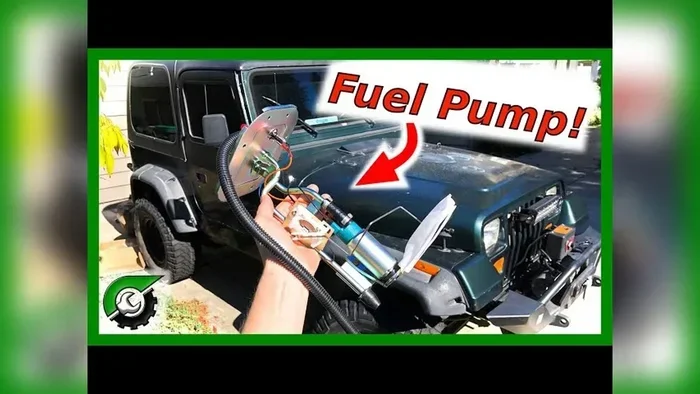
- Running the tank too low too often: This can cause the fuel pump to overheat and wear out faster. Try to keep your tank at least a quarter full.
- Ignoring engine knocks: A persistent knock could mean you need a higher octane fuel or that your engine has a mechanical issue. Do not ignore it.
- Using old gasoline: Gasoline degrades over time, especially if it sits in a tank for months. If your Wrangler sits for long periods, use fresh fuel or add a fuel stabilizer.
- Not checking the fuel cap seal: A loose or damaged fuel cap can trigger the check engine light and reduce fuel efficiency. Make sure your cap seals properly after every fill-up.
Avoiding these simple mistakes will help your Wrangler run better and last longer. Small habits make a big difference when it comes to engine health and fuel efficiency.
The Bottom Line
So, to answer the question once and for all: what type of gas does a Jeep Wrangler take? The answer is regular unleaded gasoline with an octane rating of 87. Every Wrangler engine, from the classic 3.6L V6 to the modern 2.0L turbo, is designed to run on standard pump gas.
You do not need premium fuel. You do not need anything special. Just pull up to the pump, select regular unleaded, and fill up. Your Wrangler will run exactly as Jeep intended it to.
Fuel is one of the simplest and most important aspects of vehicle ownership. By choosing the right octane rating and following good fuel habits, you keep your engine healthy and your wallet happy. The best gas for your Jeep Wrangler is the one the manufacturer recommends: regular unleaded at 87 octane.
Next time someone at the gas station tries to upsell you on premium gas for your Wrangler, you can smile and know exactly what your truck needs. Regular gas. That is it. And with that knowledge, you are better equipped than most drivers to make smart fuel choices for your Jeep.
Frequently Asked Questions
Can I use premium gas in my Jeep Wrangler even though it is not required?
Yes, you can use premium gas in a Jeep Wrangler without causing any harm. However, it will not improve performance or fuel economy. The engine is designed to run on regular unleaded gasoline, so premium gas simply costs more without offering any real benefit. Save your money and stick with 87 octane.
What happens if I accidentally put a lower octane gas in my Jeep Wrangler?
Putting 85 octane or lower in your Wrangler is not recommended. The engine control module may adjust timing to compensate, which can cause reduced performance and potential knocking. If it happens once, you are likely fine, but make sure to refill with the correct 87 octane fuel as soon as possible to avoid any long-term issues.
Does the Jeep Wrangler 4xe hybrid plug-in use a different type of fuel?
The Jeep Wrangler 4xe still uses regular unleaded gasoline at 87 octane for its gasoline engine. The hybrid system does not change the fuel type. It simply adds an electric motor to assist the engine, which can improve fuel economy in certain driving conditions.
How often should I fill up my Jeep Wrangler to keep the fuel system healthy?
Try not to let your tank drop below a quarter full. Keeping a reasonable fuel level helps prevent the fuel pump from overheating and reduces moisture buildup in the tank. Regular fill-ups with fresh gasoline from reputable stations are the best practice for long-term engine health.
Is there a difference between gas brands for a Jeep Wrangler?
All gas sold in the U.S. meets federal standards for detergent additives. However, top-tier brands like Shell and Chevron include additional cleaning additives that can help keep your fuel injectors cleaner over time. Any reputable brand of regular unleaded gas will work fine for your Wrangler.
Can I use E85 ethanol fuel in my Jeep Wrangler?
No. Jeep Wranglers are not flex-fuel vehicles and should not use E85 ethanol fuel. E85 can damage fuel system components, including seals, gaskets, and fuel lines. Always use regular unleaded gasoline at 87 octane for the best results and long-term engine protection.