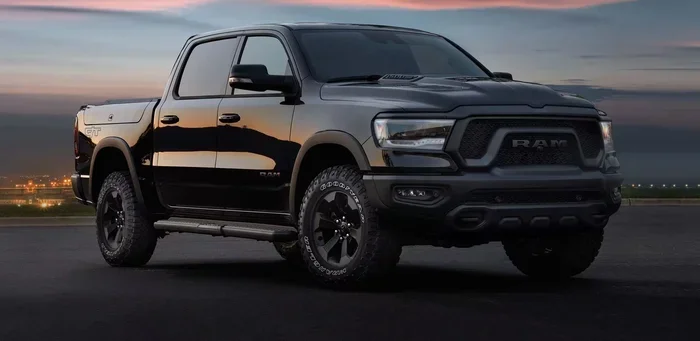
What Year Is the Third Generation Dodge Ram Released
The third generation Dodge Ram was released in late 2002 as a 2003 model and continued through the 2009 model year. This generation brought a bold new design, powerful engine options like the Hemi V8 and Cummins diesel, and significant upgrades in comfort and capability. Whether you are shopping for a used truck or just curious about Ram history, this guide covers everything you need to know.
The third generation Dodge Ram is one of the most talked-about trucks in American automotive history. It showed up in late 2002 as a 2003 model and kept rolling off the assembly line until 2009. That means it had a solid seven-year run, which is impressive for any truck generation.
So, what makes this generation so special? Well, Dodge completely reimagined the Ram lineup. They gave it a sleeker, more modern look. They stuffed the cabin with better tech and more comfort features. And under the hood, they offered some seriously powerful engines that truck lovers still talk about today. If you have ever wondered about the Dodge Ram production years or what set this generation apart, you are in the right place.
This article breaks down everything. We will cover the exact release timing, the engine choices, the different cab and bed options, how it stacked up against the previous generation, and some of the common issues to watch out for. By the end, you will have a clear picture of why the third generation Dodge Ram earned such a strong following.
Key Takeaways
- Release Year: The third generation Dodge Ram launched as a 2003 model in late 2002 and was produced through 2009.
- Major Design Overhaul: It featured a completely new look with a more aerodynamic front end and a roomier interior compared to the second generation.
- Engine Options: Buyers could choose from the 4.7L PowerTech V8, 5.7L Hemi V8, and the legendary 5.9L or 6.7L Cummins turbo diesel.
- Cab Styles: Available in regular cab, extended cab, and crew cab configurations to suit different needs.
- Towing and Hauling: Significant improvements in towing capacity made this generation a favorite among work and recreational truck users.
- Known Issues: Some common problems include transmission issues, body rust, and electrical gremlins that buyers should watch for.
📑 Table of Contents
- When Was the Third Generation Dodge Ram Released?
- Key Features of the Third Generation Dodge Ram
- Engine Options and Performance
- Cab and Bed Configurations
- Third Generation vs. Second Generation Dodge Ram
- Common Issues and Reliability
- Why the Third Generation Dodge Ram Still Matters Today
- Tips for Buying a Used Third Generation Dodge Ram
- Conclusion
When Was the Third Generation Dodge Ram Released?
The third generation Dodge Ram hit the market in late 2002 as a 2003 model year vehicle. Dodge officially introduced it during the fall of 2002, and it quickly became one of the most anticipated truck launches of that era. Production continued all the way through the 2009 model year, giving it a lengthy and successful lifespan.
Why the 2003 Model Year Matters
Dodge timed this release perfectly. The truck market was evolving, and buyers wanted something fresh. The second generation Ram 1500 had done well, but Dodge knew they needed a bigger leap. The 2003 model year gave them the chance to start clean with a new platform, new styling, and new technology. This was not just a facelift. It was a full redesign from the ground up.
The third generation Dodge Ram replaced the second generation, which had been around since 1994. That is a long run for one generation. When the 2003 models arrived, they brought a completely different look and feel. The boxy, angular styling of the earlier models gave way to a more rounded, aerodynamic design. This shift mattered because it made the truck both better looking and more efficient.
Key Features of the Third Generation Dodge Ram
Dodge did not just tweak the third generation Dodge Ram. They rethought almost every aspect of it. From the outside to the inside, there were meaningful changes that made this truck stand out in a crowded market.
Exterior Design
The exterior was a huge departure from the previous generation. Dodge designers went with a more sculpted look. The front end featured a bold new grille with the Ram logo front and center. The headlights were sharper and more angular. The overall profile was sleeker, which helped with both aesthetics and aerodynamics.
One thing truck buyers love is the presence of the vehicle, and the third generation Dodge Ram had plenty of it. The cab was wider and more imposing. The lines were cleaner. Dodge even offered different trim levels like the SLT, Laramie, and Limited, each with its own distinct styling cues. This meant buyers could customize their truck to match their personality.
Interior Comfort and Technology
Inside, the third generation Dodge Ram felt like a different vehicle entirely. The cabin was significantly larger than the second generation. Dodge added more room for passengers and cargo. The seats were more comfortable, and the materials felt more premium, especially in the higher trims.
Technology features also got a boost. Newer models came with better infotainment systems. Some trims offered leather seating, power-adjustable seats, and upgraded sound systems. For a truck, the interior refinement was a big step forward. It made the Ram 1500 more appealing to families and daily drivers, not just work crews.
Towing and Hauling Capabilities
Towing capacity was a major focus for Dodge with this generation. The third generation Dodge Ram offered improved towing numbers compared to its predecessor. Depending on the engine and configuration, towing capacity ranged from around 6,000 pounds all the way up to over 9,000 pounds for the heavier-duty models.
The truck bed options also played a role. Buyers could choose between different bed lengths, including the popular 6.5-foot truck bed configuration. This gave owners flexibility whether they were hauling furniture, equipment, or recreational gear. The available extended cab and crew cab options further expanded the truck’s usefulness for families and jobsite workers alike.
Engine Options and Performance
Under the hood, the third generation Dodge Ram delivered a wide range of engine choices. This was one of the strongest points of the generation. Whether you needed fuel efficiency, raw power, or heavy-duty towing, there was an engine for you.
4.7L PowerTech V8
The base engine for many Ram 1500 models was the 4.7L PowerTech V8. It produced around 230 to 235 horsepower and 260 to 295 pound-feet of torque. This was a solid, reliable engine that offered a good balance of power and fuel economy. For everyday driving and light towing, it was more than capable.
The 4.7L was a popular choice for buyers who did not need the absolute top-end power but still wanted the feel of a V8. It was also known for being relatively affordable to maintain, which added to its appeal.
5.7L Hemi V8
Then there was the star of the show: the 5.7L HEMI V8. This engine became legendary in the truck world. It produced around 345 horsepower and 375 pound-feet of torque right out of the gate. Later versions, especially in the later model years, pushed even higher with features like Multi-Displacement System (MDS) that helped improve fuel economy without sacrificing power.
The Hemi engine Dodge Ram combination was a hit with enthusiasts and everyday drivers alike. It gave the truck serious acceleration and strong towing ability. If you have ever driven a truck with a Hemi, you know the sound and the feel are something special. The third generation Dodge Ram made this engine accessible to a wide range of buyers.
Cummins Turbo Diesel
No discussion of the third generation Dodge Ram would be complete without mentioning the Cummins diesel. The 5.9L Cummins turbo diesel was available starting in 2003 and produced around 305 horsepower and 610 pound-feet of torque. That is massive torque, which made the Ram an excellent towing and hauling machine.
In 2007, Dodge upgraded to the 6.7L Cummins turbo diesel. This engine produced around 350 horsepower and an incredible 650 to 800 pound-feet of torque depending on the tune. The diesel option was a game-changer for buyers who needed serious pulling power and better fuel economy on long hauls.
If you are interested in how fuel capacity plays into range, check out this guide on how many gallons your car tank holds to understand how the diesel and gas models compare in terms of range.
Cab and Bed Configurations
The third generation Dodge Ram came in several cab styles and bed lengths. This flexibility was one of its strengths. Different buyers had different needs, and Dodge made sure there was an option for everyone.
Regular Cab
The regular cab was the simplest configuration. It had two doors and a front bench seat or bucket seats. The cabin was compact but functional. This was the go-to choice for buyers who primarily used the truck for work and did not need extra seating. The regular cab also typically came with the longest bed options, making it ideal for hauling.
Extended Cab
The extended cab, sometimes called the Club Cab, offered rear-facing jump seats or small rear doors. This gave the truck more versatility. You could fit a few extra passengers or store gear in the rear. The extended cab truck format was a sweet spot for many buyers who wanted a bit more space without going full crew cab.
Crew Cab
The crew cab was the most spacious option. It had four full-size doors and a larger rear passenger area. Families loved this configuration because it offered comfortable seating for five or more passengers. The trade-off was a shorter bed length in most cases, but for those who prioritized passenger comfort, the crew cab was the clear winner.
Bed Lengths
Bed lengths varied depending on the cab configuration. Common options included the 6.5-foot bed and the 8-foot bed. The 6.5-foot truck bed was particularly popular because it offered a good balance of hauling capacity and overall truck size. The 8-foot bed was the choice for those who needed maximum cargo space.
| Cab Style | Bed Length Options | Best For |
|---|---|---|
| Regular Cab | 8-foot bed | Work use, hauling |
| Extended Cab | 6.5-foot bed | Mixed use, extra seating |
| Crew Cab | 5.5-foot or 6.5-foot bed | Families, daily driving |
Third Generation vs. Second Generation Dodge Ram
To truly appreciate the third generation Dodge Ram, it helps to compare it side by side with the second generation. The second generation ran from 1994 to 2002, and it was a strong truck in its own right. But the third generation took everything to the next level.
Design and Styling
The second generation had a more boxy, utilitarian look. The third generation went with a smoother, more refined design. The difference was immediately noticeable. The new look gave the Ram a more premium feel without losing its tough truck character.
Engine Choices
The second generation offered solid engines, but the third generation added the Hemi V8 and the updated Cummins diesel. The 5.7L Hemi was a huge selling point that the second generation simply did not have. This engine alone helped the third generation Dodge Ram stand out from the competition.
Interior Space
The interior was significantly roomier in the third generation. Dodge focused on making the cabin more comfortable and user-friendly. The seats were better. The controls were more intuitive. The overall driving experience improved in meaningful ways.
Reliability and Build Quality
Both generations had their strengths, but the third generation benefited from lessons learned during the second generation’s long production run. Dodge addressed some of the earlier issues and improved build quality. That said, the third generation was not without its own set of problems, which we will cover next.
Common Issues and Reliability
Every truck has its quirks, and the third generation Dodge Ram is no exception. Being aware of potential issues helps you make a smarter buying decision. Here are some of the most common problems reported by owners.
Transmission Concerns
The 4-speed and 5-speed automatic transmissions used in the third generation Dodge Ram had some known issues. Some owners reported rough shifting, slipping, or transmission failure over time. The 45RFE and 545RFE transmissions were particularly prone to problems in certain model years. Regular maintenance and fluid changes can help, but these transmissions are not immune to wear.
Body Rust
Rust was a common complaint, especially in regions with harsh winters and road salt. The rocker panels, wheel wells, and bed corners were vulnerable spots. Buyers in cold climates should inspect the body carefully and look for signs of rust repair before purchasing a used third generation Dodge Ram.
Electrical Gremlins
Some owners experienced electrical issues, including flickering lights, faulty power windows, and sensor malfunctions. These problems were more common in later model years as the trucks aged. A thorough electrical inspection is always a good idea when buying a used truck.
Engine and Cooling
The 5.7L Hemi was generally reliable, but some owners reported coolant leaks and overheating issues. The 6.7L Cummins diesel was robust but could develop injector problems if not properly maintained. Staying on top of routine maintenance is the best way to avoid major headaches.
Why the Third Generation Dodge Ram Still Matters Today
Even though the third generation Dodge Ram ended production in 2009, it remains a popular choice in the used truck market. There are several reasons for this enduring appeal.
First, the truck was built tough. The frame and drivetrain were designed for longevity. Many Ram 1500 trucks from this generation are still on the road with well over 200,000 miles on the odometer. That kind of durability is hard to beat.
Second, the engine options give buyers flexibility. You can find a third generation Dodge Ram with a simple 4.7L V8 for easy maintenance, a powerful 5.7L Hemi for performance, or a torquey Cummins diesel for serious work. This variety means there is a configuration for almost every buyer.
Third, the parts availability is excellent. Because the truck was produced for so long and sold in such large numbers, replacement parts are widely available and reasonably priced. This makes ownership more affordable, especially for DIY mechanics.
Finally, the third generation Dodge Ram set the stage for everything that came after. The fourth generation borrowed many of its design cues and engineering principles. When you understand the third generation, you understand the foundation of the modern Ram truck lineup.
Tips for Buying a Used Third Generation Dodge Ram
If you are in the market for a used third generation Dodge Ram, here are some practical tips to help you make a smart purchase.
- Check the service records: A well-maintained truck will last much longer than one that was neglected. Look for documented oil changes, transmission services, and regular inspections.
- Inspect the transmission: Pay close attention to how the transmission shifts. Rough or delayed shifts can signal underlying problems that could be expensive to fix.
- Look for rust: Walk around the truck carefully. Check the rocker panels, wheel arches, and bed corners. Rust repairs can be costly, so factor that into your offer.
- Test the electrical systems: Turn on all the lights, power windows, locks, and the infotainment system. Make sure everything works properly.
- Get a pre-purchase inspection: Have a trusted mechanic inspect the truck before you buy. This small investment can save you thousands of dollars in unexpected repairs.
Following these steps will help you find a reliable third generation Dodge Ram that will serve you well for years to come.
Conclusion
The third generation Dodge Ram was released in late 2002 as a 2003 model and ran through the 2009 model year. It was a transformative generation that brought bold new styling, powerful engine options, and a more refined driving experience to the Ram lineup. From the capable 4.7L V8 to the legendary Hemi and the mighty Cummins diesel, there was an engine for every need and preference.
The third generation Dodge Ram offered multiple cab and bed configurations, making it versatile enough for work, family, and recreation. While it had some common issues like any vehicle of its age, its overall durability and strong resale value have kept it popular in the used market today.
Whether you are a truck enthusiast looking for a classic Ram 1500 or a practical buyer searching for a reliable workhorse, the third generation Dodge Ram deserves your attention. It represents a golden era for the Ram brand and a truck that truly delivered on all fronts.
Frequently Asked Questions
What years did the third generation Dodge Ram come out?
The third generation Dodge Ram was released in late 2002 as a 2003 model and continued through the 2009 model year. This means it covered model years 2003 through 2009.
What engines were available in the third generation Dodge Ram?
Buyers could choose from the 4.7L PowerTech V8, the 5.7L HEMI V8, the 5.9L Cummins turbo diesel, and later the 6.7L Cummins turbo diesel. Each engine offered different levels of power and towing capability.
How much towing capacity did the third generation Dodge Ram have?
Towing capacity varied by engine and configuration. The 4.7L V8 could tow around 6,000 to 7,000 pounds, while the 5.7L Hemi could tow up to about 9,000 pounds. The Cummins diesel models offered the highest towing numbers, exceeding 9,000 pounds in some configurations.
What are the most common problems with the third generation Dodge Ram?
The most common issues include transmission problems with the 45RFE and 545RFE units, body rust in cold climates, electrical gremlins, and occasional coolant leaks in the Hemi engine. Regular maintenance helps prevent many of these issues.
Is the third generation Dodge Ram a good truck to buy used?
Yes, the third generation Dodge Ram is widely regarded as a solid used truck choice. It offers strong engine options, good towing capability, and a spacious interior. Just be sure to get a pre-purchase inspection and check the service history before buying.
How does the third generation Dodge Ram compare to the fourth generation?
The third generation (2003-2009) featured a more rounded design and introduced the Hemi engine, while the fourth generation (2009-2018) brought a more aggressive look, improved fuel economy, and updated technology. Both generations are well-regarded, but the third generation holds a special place among truck enthusiasts for its bold styling and powerful engine options.