Why Wont My Prius Start Common Reasons And Solutions
Your Prius won’t start for several common reasons, including a dead 12-volt battery, a faulty key fob, a hybrid battery failure, or dashboard warning lights. This guide walks you through each cause and shows you simple solutions you can try at home. Understanding these issues saves you time, money, and frustration when your Prius refuses to turn over.
There’s nothing more frustrating than stepping up to your Prius, pressing the start button, and hearing nothing happen. You’re not alone. Prius owners face this problem more often than you might think, and the good news is that most causes are easy to fix.
Whether your Prius engine won’t start on a cold morning or your dashboard lights flicker and die, this guide breaks down every possible reason and gives you clear solutions. We’ll cover everything from simple fixes you can do in your driveway to issues that need a mechanic’s attention.
Let’s get into it. By the end of this article, you’ll know exactly what’s wrong and how to get back on the road.
Key Takeaways
- Dead 12-Volt Battery: The most common reason a Prius won’t start. You can often fix it with a jump start or a replacement.
- Faulty Key Fob or Smart Key: A weak key fob battery can prevent your Prius from recognizing the key and starting the engine.
- Hybrid Battery Failure: A dead hybrid battery will stop your Prius from running. You may need professional help to replace it.
- Dashboard Warning Lights: Red and yellow warning lights on the dash can point directly to the problem. Pay attention to them.
- Corroded Battery Terminals: Dirty or corroded connections can block power flow and prevent startup.
- Push Button Start Issues: Sometimes the start button itself or the immobilizer system causes the problem.
📑 Table of Contents
- Why Your Prius Won’t Start: The Big Picture
- Dead or Weak 12-Volt Battery
- Key Fob and Smart Key Problems
- Hybrid Battery Failure
- Dashboard Warning Lights and Error Messages
- Push Button Start and Ignition Problems
- Corroded or Loose Battery Connections
- Common Mistakes That Cause Prius Starting Problems
- Quick Tips to Keep Your Prius Starting Reliably
- Expert Insight: When to Call a Professional
- Conclusion
Why Your Prius Won’t Start: The Big Picture
A Prius uses two battery systems, and that fact alone creates more things that can go wrong. Your car has a 12-volt auxiliary battery and a high-voltage hybrid battery. When either one fails, your Prius might not start. Understanding this difference is the first step toward solving the problem.
The hybrid system in a Prius is clever. It uses the gas engine and an electric motor together. When you turn the key or press the start button, the car checks both systems before allowing ignition. If one system detects a fault, it shuts everything down to protect the vehicle.
Most people assume a dead battery is the only reason a car won’t start. With a Prius, that’s only part of the story. Prius not starting can also come from a weak key fob, a blown fuse, a faulty starter motor, or even software glitches. Each cause has its own set of symptoms, and we’ll walk through them one by one.
Dead or Weak 12-Volt Battery
The 12-volt battery is the most common culprit when a Prius won’t start. This small battery powers the car’s electronics, lights, and computer systems. Without it, the hybrid battery can’t kick in. Think of it as the gatekeeper. If the 12-volt battery dies, nothing happens when you press the start button.
Signs Your 12-Volt Battery Is Dead
- The dashboard lights are dim or don’t come on at all.
- You hear a clicking sound when you press the start button.
- The lights turn on but the engine won’t crank.
- Your Prius was working fine yesterday but won’t start today.
- The clock or radio resets every time you open the door.
A dead 12-volt battery often happens because you left the lights on overnight. Other times, extreme cold weather drains the battery faster than normal. If you leave your Prius sitting for weeks without driving, the battery can also lose its charge.
How to Fix a Dead 12-Volt Battery
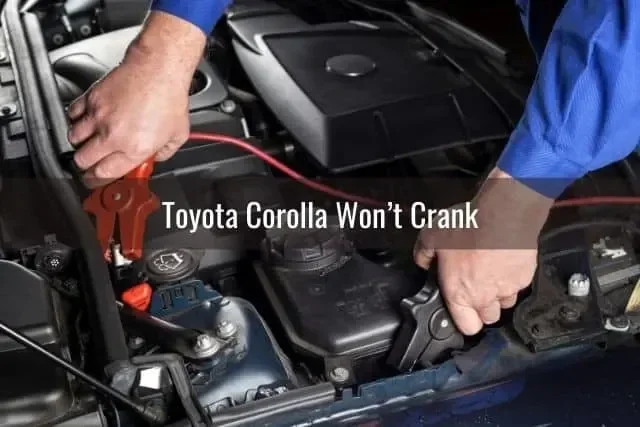
First, try a jump start. You can use another car and jumper cables to boost your Prius. Jump starting a hybrid car is safe when you follow the correct steps. Connect the red cable to the positive terminal on both batteries, then connect the black cable to the negative terminal on the good battery and an unpainted metal surface on your Prius.
If jump starting doesn’t work, the battery may need replacing. A new 12-volt battery for a Prius costs between $150 and $250. You can buy one at any auto parts store. Make sure to choose the right size and type for your Prius model year.
To avoid this problem in the future, drive your Prius regularly. Short trips don’t give the battery enough time to recharge fully. If you don’t use your car often, consider using a battery tender or trickle charger.
Key Fob and Smart Key Problems
Modern Prius models use a smart key system with a push button start. You don’t need to insert a key into the ignition. Instead, the car reads the key fob wirelessly. When the car can’t find the key fob, it won’t start. This is one of the most overlooked reasons for Prius won’t turn on situations.
Weak Key Fob Battery
The key fob runs on a small coin battery, usually a CR2032. When this battery gets weak, the signal range shrinks. You might need to press the start button while holding the fob right against the console. Some Prius models have a backup key slot hidden under the steering column cover for exactly this situation.
Replacing the key fob battery is easy and cheap. You can buy a CR2032 battery for under $5 at any store. Open the fob with a small screwdriver, swap the old battery for the new one, and snap it back together. Your Prius smart key will work like new again.
Key Fob Not Being Recognized
Sometimes the problem isn’t the battery. The car’s antenna that reads the key fob can malfunction. Water damage, electrical issues, or a faulty antenna module can all cause the car to ignore your key fob. If you’ve replaced the battery and still have the same problem, the antenna might be the issue.
Another common cause is interference. If you carry your key fob near your phone or other electronic devices, the signal can get disrupted. Try moving the fob away from your phone and pressing the start button again.
How Do You Know If Your Key Battery Is Low?
If you want to learn more about spotting a low key fob battery before it becomes a bigger problem, check out our guide on how to know if your key battery is low. It covers the warning signs and simple fixes in detail.
Hybrid Battery Failure
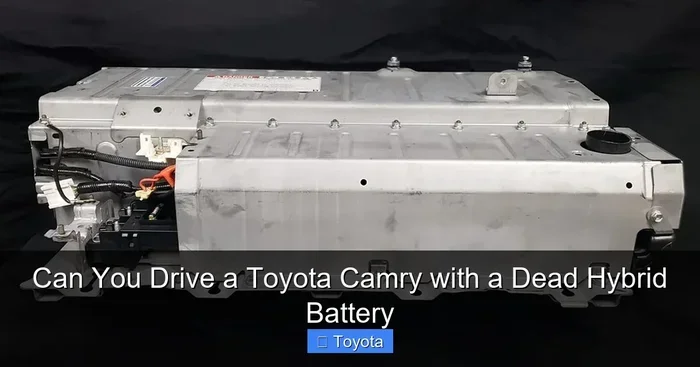
The hybrid battery is the heart of your Prius. It stores energy for the electric motor and works alongside the gas engine. When the hybrid battery fails, your Prius won’t start or run properly. This is a more serious problem than a dead 12-volt battery, but it’s still manageable if you know what to look for.
Symptoms of a Failing Hybrid Battery
- The red triangle warning light appears on the dashboard.
- The car starts but shuts off after a few seconds.
- The fuel economy drops dramatically.
- The electric motor doesn’t engage when you brake or accelerate.
- The battery health indicator shows very low capacity.
If you see the red triangle warning light, don’t ignore it. This light means the car’s computer has detected a serious fault in the hybrid system. Continuing to drive in this condition can cause more damage.
Can a Prius Run With a Dead Battery?
Many Prius owners wonder if they can still drive with a dead hybrid battery. The short answer is: it depends. In some cases, a Prius can limp along on the gas engine alone, but performance will be very poor. The car may go into a protective mode that limits speed and power. For detailed information on this topic, visit our article on can a Prius run with a dead battery.
How to Fix a Dead Hybrid Battery
Replacing a hybrid battery is expensive. The cost typically ranges from $2,000 to $4,000 depending on your Prius model. However, you have options. You can buy a refurbished hybrid battery for less money. Some shops specialize in rebuilding hybrid battery packs, which can cut the cost in half.
Before you replace the battery, have a mechanic run a full diagnostic. Sometimes the problem isn’t the battery itself but a faulty sensor or control module. A simple repair to a $50 sensor can save you thousands of dollars.
Dashboard Warning Lights and Error Messages
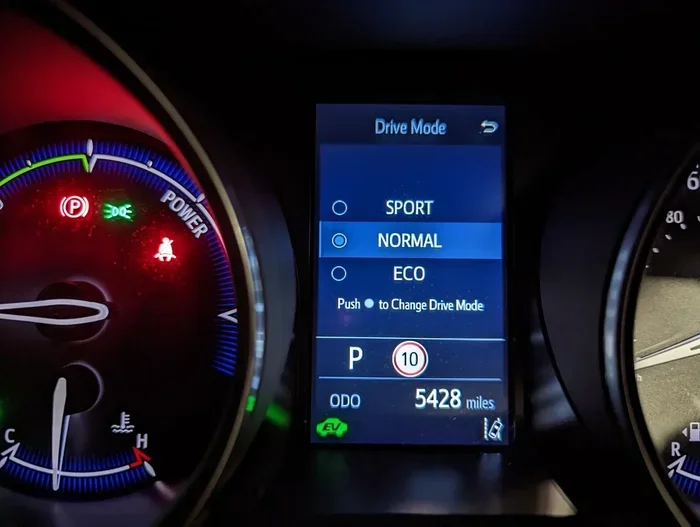
Your Prius dashboard is like a messaging system. When something goes wrong, the car tells you through warning lights and error messages. Learning to read these signals is one of the best ways to troubleshoot why your Prius won’t start.
The Red Triangle Warning Light
The red triangle is the most serious warning light in a Prius. It means the hybrid system has detected a critical fault. When this light comes on, the car may not start at all. Common causes include a failed hybrid battery, a malfunctioning inverter, or a problem with the motor control unit.
If this light appears, don’t try to drive the car far. Pull over safely and turn off the engine. Call for roadside assistance or a tow truck if needed.
The Check Hybrid System Message
If your dashboard displays a “Check Hybrid System” message, the problem could range from minor to severe. Sometimes a loose wire or a corroded connector triggers this message. Other times it points to a deeper issue with the hybrid control module.
For more information on what this message means and whether you can still drive your Prius, read our article can I drive my Prius if it says check hybrid system.
The Master Warning Light
The master warning light looks like a circle with an exclamation mark inside. This light can mean many different things. It might be a reminder to check the brake fluid, or it could signal a serious electrical problem. When this light comes on alongside a no-start condition, you should get a professional diagnosis right away.
Push Button Start and Ignition Problems
The push button start system in a Prius is convenient, but it can develop problems over time. The start button, the immobilizer system, and the ignition switch all work together to allow the car to start. When one of these components fails, you get a Prius won’t turn on situation.
Start Button Sticking or Not Responding
A sticky or unresponsive start button is more common than you’d think. Dirt, spills, or general wear and tear can cause the button to malfunction. If the button feels different when you press it, or if you need to press it multiple times before the car responds, the button itself might be the problem.
You can try cleaning around the start button with compressed air. If that doesn’t work, the button assembly may need to be replaced. This is a relatively inexpensive repair that a local mechanic can handle.
Immobilizer System Malfunction
The immobilizer system prevents your Prius from starting unless it recognizes the correct key fob. When this system malfunctions, the car acts like it has no key at all. This can happen after a battery replacement in the key fob, or if the car’s computer needs to be reprogrammed.
Sometimes resetting the immobilizer fixes the problem. Turn the ignition to the “ON” position (without starting the engine) and wait for 30 seconds. Then turn it off and try starting again. This simple reset can clear minor electronic glitches.
How Much Does It Cost to Program a Push to Start Key Fob?
If your key fob needs reprogramming after a battery change or replacement, the cost is usually between $50 and $200 depending on your dealer or locksmith. For a detailed breakdown of costs, check out our article on how much it costs to program a push to start key fob.
Corroded or Loose Battery Connections
Corrosion on battery terminals is a sneaky problem. It builds up slowly and you might not notice it until your Prius won’t start. Acid residue and moisture create a white or blue-green crust on the battery terminals. This crust acts as an insulator, blocking the electrical current from flowing properly.
You can clean corroded terminals with a mixture of baking soda and water. Use an old toothbrush to scrub the terminals gently. Rinse with a little water and dry thoroughly before trying to start the car again. Wearing gloves is a good idea since battery acid can irritate your skin.
If the corrosion keeps coming back, the battery itself might be leaking. A leaking battery needs to be replaced. Inspect the battery case for cracks or bulging. A damaged battery case is a safety hazard and should be replaced immediately.
To prevent corrosion, apply a thin layer of petroleum jelly or terminal grease to the battery terminals after cleaning. This creates a barrier against moisture and acid buildup.
Common Mistakes That Cause Prius Starting Problems
Many Prius owners unknowingly do things that lead to starting problems. Avoiding these mistakes can save you a lot of headaches.
- Leaving accessories on when you turn off the car: Headlights, radio, and phone chargers drain the 12-volt battery over time.
- Ignoring dashboard warning lights: Those lights exist for a reason. Ignoring them lets small problems become big ones.
- Not driving the car regularly: The hybrid battery needs regular use to stay charged. Sitting idle for weeks drains it.
- Using the wrong key fob battery: Always use the battery type recommended in your owner’s manual.
- Jump starting incorrectly: Connecting cables the wrong way can damage the electrical system. Always follow the correct procedure.
- Delaying routine maintenance: Regular check-ups catch small problems before they turn into no-start situations.
Quick Tips to Keep Your Prius Starting Reliably
Prevention is always better than repair. Here are some quick tips to keep your Prius starting smoothly every time.
- Drive your Prius at least 3 times a week. Regular use keeps both batteries healthy and charged.
- Replace the key fob battery once a year. Even if it seems to work fine, a fresh battery prevents weak signal issues.
- Check the 12-volt battery terminals every 6 months. Look for corrosion and clean it off early.
- Keep your hybrid battery health monitored. Many Prius models have a battery health indicator in the settings menu. Check it regularly.
- Don’t let the gas tank run too low. Running on empty can strain the hybrid system and cause starting issues.
- Store your Prius in a garage when possible. Extreme heat and cold both damage batteries faster.
Following these simple steps dramatically reduces your chances of dealing with a Prius that won’t start. A little maintenance goes a long way.
Expert Insight: When to Call a Professional
Not every starting problem is a DIY fix. You should call a professional if you’ve tried the basic troubleshooting steps and your Prius still won’t start. Here are the situations where professional help is the right call.
- The red triangle warning light is flashing and the car won’t start at all.
- You’ve jump started the car successfully but it won’t stay running.
- The key fob works at close range but the car doesn’t recognize it from any distance.
- You hear a grinding or clicking sound when you press the start button.
- The dashboard shows multiple warning lights at the same time.
- Your Prius started fine yesterday but today it won’t turn over and you can’t find a clear reason.
A certified Toyota technician has the tools and software to run a full diagnostic on your Prius. They can read error codes from the car’s computer that you can’t access with the naked eye. This diagnostic step alone can save you hours of guessing and potentially hundreds of dollars in unnecessary part replacements.
If your Prius is still under warranty, always check with your dealer first. Toyota warranty coverage may include hybrid battery replacement and other electrical repairs at no cost to you. For information on using your warranty at any location, read our article can I use my Toyota warranty anywhere.
Conclusion
A Prius that won’t start is stressful, but it’s almost always fixable. The most common causes are a dead 12-volt battery, a weak key fob, a failing hybrid battery, or dashboard warning lights. Most of these problems have simple solutions that you can handle yourself with basic tools and a little knowledge.
Start with the easiest fixes first. Check the key fob battery. Look at the dashboard for warning lights. Inspect the battery terminals for corrosion. If those steps don’t solve the problem, move on to jump starting or professional diagnostics.
Remember that your Prius is a sophisticated vehicle with two power systems. Understanding how they work together helps you troubleshoot faster and make smarter repair decisions. Keep up with regular maintenance, drive your car consistently, and don’t ignore warning signs.
With the right approach, you’ll get your Prius back on the road quickly and confidently. And the next time your Prius engine won’t start, you’ll know exactly what to do.
Frequently Asked Questions
Why does my Prius make a clicking sound but won’t start?
A clicking sound usually means the 12-volt battery doesn’t have enough power to engage the starter motor. This is the most common starting problem in Prius vehicles. Try a jump start first, and if that doesn’t work, the battery likely needs replacement.
Can a dead key fob battery prevent my Prius from starting?
Yes, absolutely. A weak key fob battery reduces the signal strength, and your Prius may not recognize the key. Most Prius models have a backup slot under the steering column where you can place the fob to start the car manually. Replacing the fob battery is a quick and inexpensive fix.
How do I know if my Prius hybrid battery is dead?
The most obvious sign is the red triangle warning light on the dashboard. You may also notice poor fuel economy, the car shutting off shortly after starting, or the electric motor not engaging. A mechanic can run a diagnostic test to confirm the hybrid battery health. For more details, see our article on can a Prius run with a dead battery.
Is it safe to jump start a Prius?
Yes, jump starting a Prius is safe when you follow the correct procedure. Connect the jumper cables in the right order, starting with the positive terminals and finishing with the negative terminal on an unpainted metal surface. For a step-by-step guide on jump starting hybrid vehicles safely, check out our article on whether it’s okay to jump start a hybrid car.
What should I do if my Prius dashboard says “Check Hybrid System”?
This message means the car’s computer has detected a fault in the hybrid system. Don’t ignore it. Pull over safely, turn off the engine, and check for obvious issues like loose connections. If the message persists, have the car towed to a certified Toyota service center for a full diagnostic. You can learn more about driving with this warning in our dedicated article.
How can I prevent my Prius from not starting in cold weather?
Cold weather drains the 12-volt battery faster. To prevent starting problems, park your Prius in a garage when possible, use a battery tender if the car sits for long periods, and replace the 12-volt battery every 3 to 5 years. Keeping the battery terminals clean and tight also helps maintain reliable starts in freezing temperatures.