6 Channel Car Amplifier Everything You Need to Know
A 6 channel car amplifier is a powerful audio device that boosts sound for up to six speakers at once. It delivers cleaner, louder, and more detailed sound throughout your entire vehicle. Whether you want to upgrade your factory stereo or build a premium sound system, this guide covers everything you need to know. You will learn how they work, what to look for, and how to install one like a pro.
Key Takeaways
- Power and Clarity: A 6 channel car amplifier gives you the power to drive multiple speakers and deliver rich, clear sound across your entire vehicle.
- Versatile Setup Options: You can power front and rear full-range speakers or combine them with a subwoofer for deep bass.
- Easy to Choose: Focus on RMS power, class type, signal to noise ratio, and speaker compatibility when picking the right amp.
- Installation is Straightforward: With the right tools and a little patience, most people can install a 6 channel amp themselves.
- Avoid Common Mistakes: Matching impedance, using proper gauge wiring, and tuning correctly will protect your gear and improve sound quality.
- Budget Friendly Options Exist: You do not need to spend a fortune to get great sound from a 6 channel amplifier.
📑 Table of Contents
What Is a 6 Channel Car Amplifier
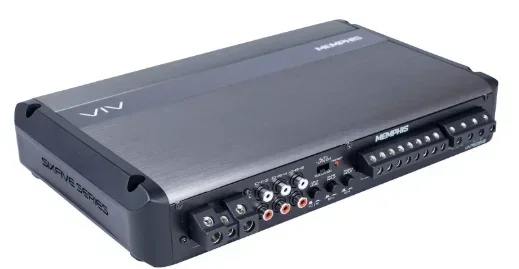
A 6 channel car amplifier is an electronic device that takes a weak audio signal from your head unit and boosts it to drive up to six speakers. Think of it as the engine behind your car audio system. Without it, your speakers simply cannot reach their full potential.
Most factory car stereos come with a tiny built in amplifier. It works fine for casual listening. But if you want deep, rich, room filling sound, you need an external amp. A six channel amplifier gives you the flexibility to power a full set of front and rear speakers at the same time.
These amps are popular among car audio enthusiasts. They strike a great balance between performance and simplicity. Instead of running multiple separate amplifiers, one unit handles everything. This keeps your wiring cleaner and your setup more organized.
You will find 6 channel amps in different sizes and power levels. Some are compact and fit easily behind a seat. Others are larger and mount in the trunk. The right one depends on your vehicle, your speakers, and your listening goals.
Quick Tip: Always check the physical dimensions of the amp before you buy. Measure the space behind your seat or in your trunk to make sure it fits comfortably.
Who Needs a 6 Channel Amplifier
Anyone who wants better sound from their car audio system benefits from a 6 channel amp. Here are a few common scenarios:
- Factory stereo owners: You want to upgrade sound quality without replacing the whole system.
- Music lovers: You listen to a wide range of genres and want clean, balanced sound at every volume.
- Car audio hobbyists: You are building a custom sound system and want full control over every speaker.
- Families: You need loud, clear sound for everyone in the back seat too.
- Commuters: You spend hours on the road and want an immersive listening experience.
How Does a 6 Channel Car Amplifier Work
Understanding how a 6 channel car amplifier works helps you make better buying decisions. The basic idea is simple. Your head unit sends a low voltage signal to the amp. The amp then increases that signal and sends it to your speakers. The speakers convert the electrical signal into sound waves.
Inside the amp, there are several key components. The power supply draws energy from your car battery. The preamp stage cleans and prepares the incoming signal. The output stage boosts the signal to speaker level. Each of these stages affects the overall sound quality.
Most modern 6 channel amps use Class D technology. Class D amplifiers are highly efficient. They produce less heat and draw less power from your battery compared to older Class A or Class AB designs. This makes them ideal for car installations where space and power are limited.
The amp also includes filters and crossover circuits. These direct the right frequencies to the right speakers. High frequencies go to tweeters. Midrange frequencies go to midrange speakers. Low frequencies go to subwoofers. This ensures each speaker reproduces only the sounds it handles best.
Understanding Power Ratings
Power ratings are one of the most important specs on a 6 channel amplifier. You will see two main types of power measurements.
- RMS Power: This is the continuous power the amp can deliver without distortion. It is the real-world number you should trust.
- Peak Power: This is the maximum power for a brief moment. It is a marketing number and less useful for real comparisons.
Always look at RMS power when comparing amps. A 6 channel amp with 75 watts RMS per channel will sound cleaner and more reliable than one with 150 watts peak per channel.
Benefits of a 6 Channel Car Amplifier
Adding a 6 channel car amplifier to your vehicle brings several real benefits. Let us look at the most important ones.
Improved Sound Quality
The single biggest benefit is better sound. A dedicated amp provides clean power that your speakers crave. Your music will sound fuller, louder, and more detailed. Instruments and vocals become more distinct. You will hear things in your favorite songs that you never noticed before.
More Volume Without Distortion
Factory stereos often distort at high volumes. A 6 channel amplifier gives you plenty of headroom. You can turn up the volume without hearing crackling or fuzzy sound. This is especially important for people who love loud, impactful music.
Full Vehicle Coverage
With six channels, you can power all four door speakers plus two rear speakers or a pair of tweeters. This creates a balanced soundstage throughout the entire cabin. Every seat in the car gets great audio.
Flexibility and Versatility
A six channel amp offers many wiring options. You can run all six channels to full range speakers. You can bridge channels to power a subwoofer and use the remaining channels for speakers. This flexibility lets you customize your setup to match your personal taste.
Better Signal to Noise Ratio
Good car amplifiers have a high signal to noise ratio. This means less background hiss and static. Your music sounds pure and clean, even at low volumes. Cheap amps often add unwanted noise to your system.
How to Choose the Right 6 Channel Car Amplifier
Shopping for a 6 channel car amplifier can feel overwhelming. There are many brands, models, and specs to consider. But if you focus on a few key factors, the decision becomes much easier.
Match the Amp to Your Speakers
Check the power handling of your speakers before buying an amp. Look at the RMS power rating on each speaker. Your amp should deliver power close to that number. If your speakers handle 50 watts RMS each, look for an amp that outputs around 50 to 75 watts RMS per channel.
Common Mistake: Many people buy an amp that is too powerful for their speakers. This can blow the speakers. Always match power levels carefully.
Consider the Amplifier Class
The class of the amp affects efficiency, heat, and sound quality. Here is a quick look at the most common classes found in car amplifiers.
| Class | Efficiency | Heat Output | Sound Quality | Best For |
|---|---|---|---|---|
| Class A/B | 50-60% | Moderate | Warm, detailed | Full range music |
| Class D | 85-95% | Low | Clean, punchy | All around use |
| Class T | 80-90% | Low | Good, compact | Space constrained setups |
Class D amps are the most popular choice today. They offer excellent efficiency and sound quality in a compact size. Most modern 6 channel amplifiers use Class D technology.
Check the Signal to Noise Ratio
The signal to noise ratio (SNR) measures how much unwanted noise the amp adds. Look for an SNR of 100 dB or higher. A higher number means cleaner, quieter background sound. This is especially important for people who listen to music at low volumes.
Think About Bridging Options
Many 6 channel car amplifiers support bridging. Bridging combines two channels into one. This gives you more power to drive a subwoofer. If you plan to add a subwoofer later, choose an amp that offers bridging. This gives you more options as your system grows.
Look at the Build Quality
A well built amp lasts longer and performs better. Look for features like a heat sink or cooling fan. Check if the amp has a sturdy metal chassis. Quality capacitors and internal components also matter. These small details make a big difference over time.
Set a Realistic Budget
6 channel amplifiers range from about 100 to 500 dollars. You can find solid options at every price point. Set a budget based on your overall system goals. Spending a little more often gets you better components and longer warranty coverage.
Quick Tips for Choosing
- Read online reviews from real car audio enthusiasts.
- Compare RMS power per channel, not peak power.
- Check if the amp fits your available space.
- Look for a warranty of at least one year.
- Buy from a reputable retailer with good return policies.
Installing Your 6 Channel Car Amplifier
Installing a 6 channel car amplifier is a project many car owners can handle themselves. With basic tools and a little patience, you can have your new amp up and running in an afternoon. Here is a step by step guide to walk you through the process.
What You Will Need
- Wire stripper and crimping tool
- Ring terminals and butt connectors
- Power wire (gauge depends on amp wattage)
- Ground wire
- RCA cables for the signal connection
- Remote turn on wire
- Fuse and fuse holder
- Mounting hardware
- Electrical tape or heat shrink tubing
Step by Step Installation
Step 1: Disconnect the battery. Always start by disconnecting the negative terminal of your car battery. This prevents any electrical shorts or damage.
Step 2: Run the power wire. Route the power wire from the battery to the amp location. Use an appropriate gauge wire for your amp. A 4 gauge wire works for most 6 channel amps under 100 watts per channel. Higher powered setups may need 2 or 0 gauge wire.
Step 3: Install the fuse. Place a fuse within 18 inches of the battery terminal. This protects your wiring and amp from power surges.
Step 4: Run the ground wire. Connect the ground wire to a clean, bare metal spot on the car chassis. Sand away any paint or rust at the grounding point. A good ground is essential for clean sound and safe operation.
Step 5: Connect the RCA cables. Run the RCA cables from your head unit to the amp inputs. Keep them away from power wires to avoid interference. Use high quality RCA cables for the best signal transfer.
Step 6: Connect the remote turn on wire. This wire tells the amp to turn on and off with your ignition. It usually carries 12 volts and comes from the head unit.
Step 7: Connect the speaker wires. Run speaker wires from the amp outputs to each speaker. Pay attention to positive and negative terminals. Reversed polarity can cause sound cancellation and poor bass response.
Step 8: Reconnect the battery and test. Turn on the ignition and check that the amp powers on. Play music at low volume first. Listen for any distortion or buzzing. Gradually increase the volume and check all channels.
Expert Insight
Professional installers recommend using a dedicated amplifier wiring kit. These kits include all the wires, fuses, and connectors you need in the right gauges. They take the guesswork out of installation and help ensure a safe, reliable setup. A quality wiring kit costs 30 to 60 dollars and can save you from costly mistakes.
Common Mistakes to Avoid When Using a 6 Channel Car Amplifier
Even with the best amp, mistakes during setup or use can cause problems. Here are the most common errors people make with a 6 channel car amplifier and how to avoid them.
Mismatched Impedance
Every speaker has an impedance rating measured in ohms. Most car speakers are 4 ohms or 2 ohms. Your amp must be able to handle the impedance of the speakers you connect. Running a low impedance load on an amp that cannot handle it causes overheating and can damage the amp or speakers.
Undersized Wiring
Using thin wire for a powerful amp is a recipe for problems. Thin wires create resistance, which wastes power and generates heat. Always use the correct wire gauge for your amp and the length of your run. When in doubt, go one size thicker.
Poor Grounding
A bad ground connection causes all kinds of issues. You may hear buzzing, humming, or static through your speakers. Always ground to clean, bare metal. Remove paint and rust before attaching the ground wire. Use a star washer for a secure connection.
Overdriving the Amp
Sending too much signal to the amp causes clipping. Clipping distorts the sound and can burn out your speakers. Keep your head unit volume at a reasonable level. Let the amp do the heavy lifting. If you need more volume, turn down the equalizer rather than cranking the volume knob.
Ignoring Tuning
Many people install an amp and never adjust the settings. Take the time to tune your system properly. Adjust the gain, crossover, and bass boost controls. Use a music track you know well to test each speaker. Proper tuning makes a huge difference in sound quality.
Skipping the Break In Period
New speakers and amps benefit from a break in period. Play music at moderate volumes for 10 to 20 hours. This allows the speaker cones and amp components to settle in. After break in, you will notice improved sound quality and smoother performance.
Top Things to Look for in a 6 Channel Car Amplifier
Not all 6 channel amplifiers are created equal. Here are the key features to prioritize when comparing models.
RMS Power Output
This is the most important spec. It tells you how much clean, continuous power the amp delivers. Higher RMS power means louder, cleaner sound. Match the RMS output to your speakers power handling for the best results.
Total Harmonic Distortion (THD)
THD measures how much the amp distorts the audio signal. Lower THD means cleaner sound. Look for a THD of 0.05% or lower. Most quality car amplifiers fall in the 0.01% to 0.1% range.
Number of Input Options
Check how many RCA inputs the amp has. Some 6 channel amps offer both high level and low level inputs. High level inputs let you tap into factory wiring without cutting any wires. This is a great feature for people who want a simple, non invasive upgrade.
Built in Protection Circuits
Good amplifiers include protection features. Look for thermal protection, short circuit protection, and low voltage detection. These features prevent damage to the amp and your speakers during normal use.
Remote Control and DSP
Some premium 6 channel car amplifiers include a built in digital signal processor (DSP). A DSP lets you adjust EQ, time alignment, and crossover settings from a smartphone app. This adds a level of customization that was once only available with expensive standalone processors.
Brand Reputation and Warranty
Choose an amplifier from a reputable brand. Established brands offer better build quality, reliable customer support, and longer warranties. A warranty of two to three years is standard for quality car amplifiers. Some premium brands offer lifetime warranties on certain models.
Conclusion
A 6 channel car amplifier is one of the best upgrades you can make to your vehicle audio system. It gives you the power, clarity, and flexibility to enjoy music the way it was meant to be heard. Whether you drive a sedan, SUV, or truck, a six channel amp transforms your listening experience.
By matching the amp to your speakers, choosing the right class and power ratings, and installing it correctly, you set yourself up for years of great sound. Avoid common mistakes like mismatched impedance and poor grounding. Take the time to tune your system properly after installation.
Remember, you do not need to spend a fortune to get excellent results. Many affordable 6 channel amplifiers deliver impressive performance. Start with your budget, focus on the key specs, and choose an amp that fits your vehicle and your listening style.
Now that you know everything about 6 channel car amplifiers, you are ready to make a confident choice. Upgrade your sound, enjoy your drives more, and let your music come alive in every corner of your car.
Frequently Asked Questions
What does a 6 channel car amplifier power?
A 6 channel car amplifier can power up to six speakers at the same time. Most people use it to run all four door speakers plus two rear speakers or a pair of tweeters. You can also bridge some channels to power a subwoofer while using the remaining channels for full range speakers.
How much power does a 6 channel amplifier need?
The power you need depends on your speakers and your listening preferences. For most setups, 50 to 100 watts RMS per channel is a good starting point. Match the amp power to your speakers RMS rating for the best results and to avoid damaging your equipment.
Can I install a 6 channel car amplifier myself?
Yes, most people can install a 6 channel amplifier at home with basic tools. You need wire strippers, crimping tools, and about two to three hours of time. If you are not comfortable working with your cars electrical system, a professional installer can handle it for you.
What is the difference between Class D and Class A/B amplifiers?
Class D amplifiers are more efficient and produce less heat than Class A/B amps. They are smaller and draw less power from your battery. Class A/B amps are known for warm, detailed sound but run hotter and are less efficient. For most car audio applications, Class D is the better choice.
Do I need a capacitor with my 6 channel amplifier?
A capacitor helps stabilize your cars electrical system when the amp draws a lot of power. If your headlights dim when you play loud music, a capacitor can help. For most standard setups with a moderate powered amp, a capacitor is not strictly necessary but can be a nice addition.
How long does it take to install a 6 channel car amplifier?
A typical installation takes two to four hours for someone with basic car audio experience. First time installers may want to set aside a full weekend. The process involves running power and ground wires, connecting RCA cables, and wiring each speaker channel to the amp.
=== SEO TITLE ===
6 Channel Car Amplifier Everything You Need to Know
=== META TITLE ===
6 Channel Car Amplifier: Everything You Need to Know
=== URL SLUG ===
6-channel-car-amplifier-guide