Is a 5 Year Old Car Still Worth Buying in 2024 and Beyond
A 5 year old car offers a sweet spot between affordability and modern features. You skip the steepest depreciation hit while still getting reliable technology and safety tools. This guide breaks down whether a 5 year old car fits your budget, needs, and long-term goals in 2024 and beyond.
Buying a car is one of the biggest purchases most people make. And the question of age matters a lot. Should you buy new, used, or somewhere in between? For many buyers, a 5 year old car hits the sweet spot. You get a vehicle that has already taken the biggest depreciation hit but still feels modern and dependable.
In 2024, the used car market has shifted in interesting ways. New car prices have risen, making older models even more attractive. A 5 year old car can offer today’s technology, strong safety ratings, and lower ownership costs. But is it always the right move? Let’s break it down step by step.
This guide covers everything you need to know. From car depreciation to maintenance costs, we will help you decide if a 5 year old car deserves a spot in your driveway.
Key Takeaways
- Big Savings: A 5 year old car has already lost 40-50% of its original value, saving you thousands upfront.
- Great Reliability: Modern vehicles built in the last five years are designed to last well past 100,000 miles.
- Strong Safety Tech: Even a 5 year old car often includes advanced safety features like automatic emergency braking.
- Lower Insurance Costs: Insuring a pre-owned vehicle typically costs less than covering a brand-new model.
- Certified Pre-Owned Adds Protection: CPO programs offer extended warranties and thorough inspections for peace of mind.
- Depreciation Slows Down: After the first five years, the depreciation curve flattens significantly.
- Smart Negotiation Wins: Knowing the vehicle history report and market value gives you serious bargaining power.
📑 Table of Contents
Why a 5 Year Old Car Makes Sense
There is a reason experienced car buyers love the five-year-old mark. It is where the math starts to work in your favor. Let us look at the main reasons a 5 year old car deserves your attention.
The Sweet Spot of Depreciation
New cars lose value fast. In the first year alone, a new vehicle can drop 20% or more in value. By year three, it might be worth only 60% of what you paid. But here is the good news. After five years, the steepest part of the depreciation curve is mostly behind you.
A 5 year old car has already absorbed that early hit. The next five years of ownership will see much slower value loss. This means you get to enjoy the vehicle while losing less money over time. Think of it as letting someone else pay for the fastest drop in vehicle value.
What You Save Compared to New
The dollar savings are real and significant. Let us look at a quick comparison.
- New car average price (2024): Around $48,000
- 5 year old equivalent price: Around $24,000 to $28,000
- Insurance savings per year: $200 to $500
- Registration and tax savings: Varies by state, often hundreds of dollars
That is a potential savings of $15,000 to $20,000 right out of the gate. And because a 5 year old car typically costs less to insure, the savings keep adding up year after year. For many families, that money can go toward debt payoff, savings, or even a vacation.
How Much Does a 5 Year Old Car Depreciate?
Understanding car depreciation is key to smart buying. Not all vehicles lose value at the same rate. Some hold their resale value remarkably well, while others drop fast.
Understanding the Depreciation Curve
The depreciation curve is not a straight line. It is steepest in the first few years. Here is a general breakdown of how a typical 5 year old car loses value over time.
- Year 1: 15% to 25% loss in value
- Year 2: Another 10% to 15% loss
- Year 3: 10% to 12% loss
- Year 4: 7% to 10% loss
- Year 5: 5% to 8% loss
By the time you reach a 5 year old car, the annual drop becomes much gentler. This is why buying slightly older is such a smart strategy. You let the first owner absorb the rapid loss while you enjoy the slower decline.
Best and Worst Vehicles for Holding Value
Some pre-owned vehicles hold their value far better than others. Trucks and SUVs from Toyota, Honda, and Ford often perform well. Luxury brands tend to depreciate faster, which can actually work in your favor as a buyer.
Here are some general trends to keep in mind.
- Best value holders: Toyota Tacoma, Honda CR-V, Jeep Wrangler, Toyota 4Runner
- Moderate holders: Ford F-150, Honda Civic, Subaru Outback
- Faster depreciators: Luxury sedans, electric vehicles (in some cases), niche sports cars
When shopping for a 5 year old car, check the resale value history of the specific model. Tools like Kelley Blue Book and Edmunds can help you see how well a vehicle has held its value over time.
Reliability and Maintenance of a 5 Year Old Car
One of the biggest concerns buyers have is whether a 5 year old car will be reliable. The short answer is yes, mostly. But there are important details to understand.
What to Expect Mechanically
Modern vehicles are built to last. A well-maintained 5 year old car often has many miles left before major repairs become a concern. Engines, transmissions, and electrical systems have improved dramatically over the past decade.
Most used car models from the last five years will not need major work during years five through ten. Routine maintenance like oil changes, brake pads, and tire replacements are the main costs you will face.
Common Issues to Watch For
While a 5 year old car is generally reliable, some issues can pop up. Here is what to keep on your radar.
- Timing belt or chain: Some models need replacement around 60,000 to 100,000 miles
- Transmission fluid: A fluid change around 50,000 miles can extend transmission life
- Rubber components: Belts, hoses, and bushings may start showing wear
- Battery: Most car batteries last 3 to 5 years
- Suspension parts: Shocks and struts may need replacing depending on driving conditions
Expert Insight: Always request a full vehicle history report before buying any 5 year old car. This report reveals accidents, service records, and ownership history. It is one of the best tools you have to avoid costly surprises.
Safety Features in a 5 Year Old Car
Safety technology has advanced rapidly in recent years. You might assume that only a brand-new vehicle has good safety features. But that is not always true. Many 5 year old car models come packed with impressive safety tools.
Technology You Can Still Get
Even a pre-owned vehicle from five years ago can include features that were once considered luxury extras. Here are some common safety technologies you can find in a 5 year old car today.
- Automatic emergency braking: Detects potential collisions and applies the brakes
- Lane departure warning: Alerts you when drifting out of your lane
- Blind spot monitoring: Warns of vehicles in your blind spots
- Rear cross-traffic alert: Helps when backing out of parking spaces
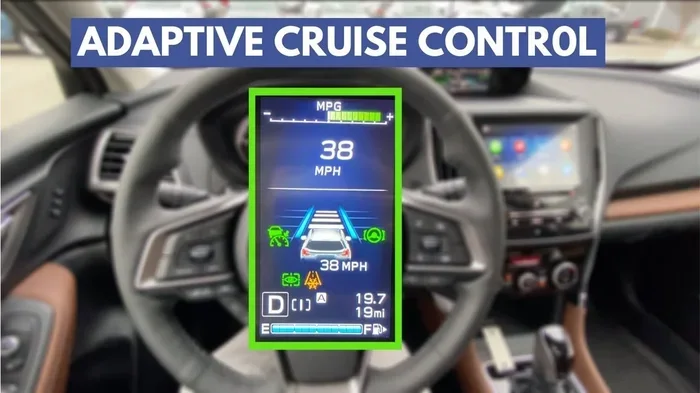
- Adaptive cruise control: Maintains a safe following distance automatically
These features were becoming standard on many models by 2019 and 2020. So a 5 year old car from those years may have them built in. That is a huge safety advantage over older used vehicles.
Crash Test Ratings and Safety
Crash test ratings do not expire. A vehicle that earned a five-star rating from the NHTSA five years ago still holds that rating today. When evaluating a 5 year old car, check the IIHS crash test results and NHTSA ratings for that specific model year.
Also look at structural integrity. How does the vehicle perform in side-impact and rollover tests? These details matter just as much today as they did when the car was new.
Should You Buy Used or Certified Pre-Owned?
This is one of the most important decisions you will make. Both options have clear advantages. Understanding the difference helps you choose with confidence.
Comparing Your Options
Let us break down the main differences between buying a regular used car and a certified pre-owned model.
- Regular used car: Sold as-is by a private seller or dealer. No warranty coverage unless you buy a separate plan.
- Certified pre-owned (CPO): Backed by the manufacturer. Includes a thorough multi-point inspection and an extended warranty.
A 5 year old car from a CPO program often comes with powertrain coverage that extends beyond the original warranty. This can add significant peace of mind, especially if you plan to keep the vehicle for several more years.
Warranty Coverage Matters
Warranties on a 5 year old car vary widely. Original factory warranties typically last 3 years or 36,000 miles. By year five, that coverage is usually expired. This is where CPO programs shine. They often provide an additional 1 to 2 years of coverage.
If you buy a regular pre-owned vehicle, consider purchasing a third-party extended warranty. This can protect you from unexpected repair bills. Compare the cost of the warranty against the potential repair costs for the specific model you are considering.
Quick Tips:
- Always get a pre-purchase inspection from an independent mechanic
- Check the vehicle history report for any title brands or accident history
- Compare warranty options from multiple providers
- Ask about the remaining factory warranty if the 5 year old car is still covered
Tips for Buying a 5 Year Old Car
Shopping for a 5 year old car requires some strategy. You want to get the best vehicle at the fairest price. Here are practical tips that make a real difference.
Inspection Checklist
Before you commit to any purchase, go through this checklist carefully.
- Exterior check: Look for rust, dents, mismatched paint, and uneven gaps between panels
- Interior check: Test all controls, seats, windows, and electronics. Check for unusual smells or stains
- Under the hood: Look for fluid leaks, corroded battery terminals, and worn hoses
- Test drive: Listen for unusual noises. Test braking, acceleration, and steering at various speeds
- Paperwork: Verify the title, service records, and vehicle identification number match
Negotiation Strategies That Work
Negotiating on a 5 year old car is very different from negotiating on a new car. Here is what works.
- Know the market value: Use tools like Kelley Blue Book, Edmunds, and TrueCar to find fair pricing
- Point out issues: Any wear, needed repairs, or missing features give you leverage
- Be willing to walk away: The best deals come to buyers who are patient and willing to move on
- Check competing listings: Show the seller you have researched other options in your area
Remember, the car buying guide rule that never gets old is this: never pay full sticker price for a 5 year old car. There is almost always room to negotiate.
Financing a 5 Year Old Car
Getting a car loan for a slightly older vehicle is very doable. Many lenders offer competitive rates for pre-owned vehicles up to 7 or 8 years old. Your credit score plays a big role in the interest rate you receive.
Here are some financing tips to keep in mind.
- Get pre-approved before shopping: This gives you a clear budget and negotiating power
- Keep the loan term reasonable: Aim for 36 to 60 months to avoid paying too much interest
- Check credit unions: They often offer lower rates than traditional banks
- Make a larger down payment: This reduces monthly payments and helps you build equity faster
Common Mistakes to Avoid
Buying a 5 year old car comes with pitfalls. Being aware of them keeps you from making costly errors.
Skipping the Vehicle History Report
This is the single biggest mistake buyers make. A vehicle history report from Carfax or AutoCheck costs about $40. It can reveal title problems, accident history, odometer discrepancies, and service gaps. Skipping this step is like driving blind.
Ignoring Insurance Costs
Insurance rates for a 5 year old car are usually lower than for a new model. But they still vary by vehicle type, your driving record, and your location. Get an insurance quote before you buy. A car that looks like a great deal on paper might cost more to insure than you expect.
Overlooking Total Ownership Cost
The purchase price is just the beginning. Factor in fuel costs, maintenance, insurance, registration fees, and any loan interest. A cheaper 5 year old car might end up costing more over time if it has poor fuel economy or expensive repair needs.
Expert Insight: Always calculate the total cost of ownership before making a decision. A slightly more expensive 5 year old car with better reliability and fuel economy can save you thousands over a five-year ownership period.
Is a 5 Year Old Car Right for You?
The answer depends on your situation, budget, and goals. A 5 year old car is an excellent choice for most buyers who want value, reliability, and modern features without the steep new-car price tag.
If you drive less than 15,000 miles per year and plan to keep the vehicle for several years, a 5 year old car can serve you beautifully. You get the benefits of recent technology and safety features at a fraction of the original cost.
On the other hand, if you need the absolute latest technology or plan to replace your car every two to three years, a new vehicle might make more sense. The car depreciation hit is less painful for short-term owners.
Think about what matters most to you. Is it saving money? Getting the safest vehicle possible? Having the latest car technology? Once you know your priorities, the decision becomes much clearer.
A 5 year old car offers a compelling package in 2024 and beyond. Smart buyers recognize the value in this age range. You get a well-built, relatively modern pre-owned vehicle that still has plenty of life left. The car buying guide advice is simple: do your homework, get the inspection, and trust the numbers.
Take your time. Compare models. Read reviews. And never rush a decision that affects your finances for years to come. A 5 year old car can be one of the smartest purchases you ever make, as long as you approach it with knowledge and patience.
Frequently Asked Questions
Is a 5 year old car still reliable?
Yes, most modern vehicles are designed to last well beyond 100,000 miles. A well-maintained 5 year old car from a reputable brand can easily last another 100,000 miles or more. Regular maintenance and prompt repairs are the keys to long-term reliability.
How much should I spend on a 5 year old car?
Prices vary widely by model and condition. Generally, a 5 year old car costs between 40% and 60% of its original new price. Set a budget based on your finances, and use pricing tools like Kelley Blue Book to ensure you are paying a fair amount.
Does a 5 year old car still have warranty coverage?
Most factory warranties expire by year three or five. A 5 year old car may still have some remaining coverage depending on the original terms. Certified pre-owned programs often add extended warranty coverage for additional peace of mind.
Will insurance cost more for a 5 year old car?
Typically, no. Insurance for a 5 year old car is usually lower than for a new vehicle. The vehicle value is lower, which means the cost to replace or repair it is less. However, rates vary based on the specific model and your personal driving history.
What is the best way to find a 5 year old car for sale?
Start with reputable platforms like CarGurus, Autotrader, and Cars.com. You can also check certified pre-owned programs from local dealerships. Always get a vehicle history report and a pre-purchase inspection before finalizing any purchase.
Are older cars more expensive to maintain than newer ones?
Not necessarily. A 5 year old car is still relatively modern and benefits from improved engineering. Maintenance costs for a pre-owned vehicle this age are generally predictable and manageable. The biggest costs come from wear items like brakes and tires, not major repairs.
=== CONCLUSION ===
A 5 year old car remains one of the smartest buys in today’s market. You avoid the steepest depreciation, enjoy modern safety features, and pay less for insurance and taxes. The used car market in 2024 offers more choices than ever, and a well-chosen 5 year old car can deliver years of dependable service.
Do your research. Get the history report. Schedule an inspection. And negotiate with confidence. These simple steps turn a good purchase into a great one. A 5 year old car is not just a compromise, it is a strategic choice for smart buyers who value value, reliability, and long-term savings.