How Big Is a Jeep Wrangler Gas Tank Really Explained
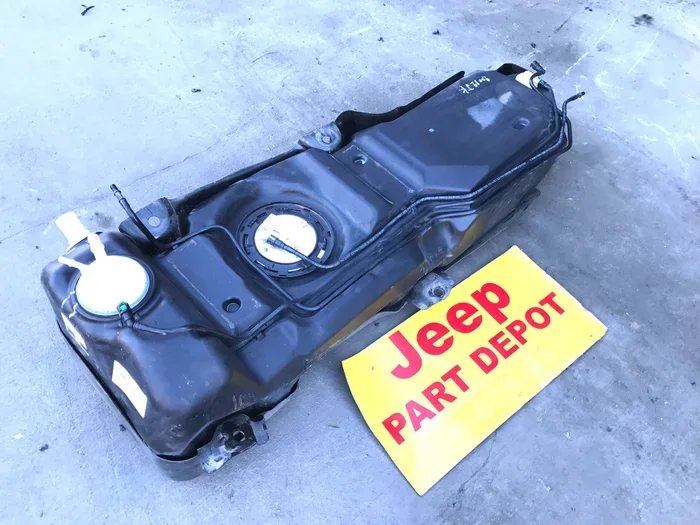
The Jeep Wrangler gas tank holds between 13.5 and 23 gallons depending on the model year and trim. This means your driving range can vary from about 300 to over 450 miles on a full tank. Whether you own a classic TJ or a modern JL, knowing your fuel capacity helps you plan trips and avoid getting stranded.
Key Takeaways
- Tank Size Varies by Model: Older Wranglers hold 13.5 gallons, while newer JL models can reach up to 23 gallons.
- Fuel Range Depends on MPG: Expect 20 to 30 MPG on the highway, which directly affects how far you can go.
- 4-Door Models Have Larger Tanks: The Wrangler Unlimited typically comes with a bigger gas tank than the 2-door version.
- Off-Road Driving Reduces Range: Rough terrain and low speeds burn more fuel than highway cruising.
- Aftermarket Options Exist: You can add auxiliary fuel tanks or larger capacity tanks for extended range.
- Knowing Your Numbers Helps: Understanding your tank size prevents fuel surprises on remote trails and long road trips.
📑 Table of Contents
- How Big Is a Jeep Wrangler Gas Tank Across All Models
- Fuel Economy and MPG of the Jeep Wrangler
- How Far Can a Jeep Wrangler Go on a Full Tank
- Tips to Maximize Your Jeep Wrangler Fuel Range
- Aftermarket Fuel Tank Options for Jeep Wrangler Owners
- Common Mistakes That Drain Your Jeep Wrangler Gas Tank
- Comparison: Jeep Wrangler Gas Tank Size by Generation
- Expert Insights on Jeep Wrangler Fuel Capacity
- Key Takeaways
- Conclusion
How Big Is a Jeep Wrangler Gas Tank Across All Models
If you have ever wondered how big is a Jeep Wrangler gas tank, the answer depends on the model year and body style you own. The Jeep Wrangler gas tank size has changed quite a bit over the decades. From the classic YJ to the modern JL, each generation brought different fuel capacity numbers. Understanding your specific model helps you plan road trips, estimate fuel costs, and avoid running low in remote areas.
The gas tank size Jeep Wrangler is not a one-size-fits-all answer. A 1990s TJ Wrangler holds much less fuel than a 2020s JL Unlimited. This difference matters a lot if you love long off-road adventures or daily highway commutes. Let us break down the numbers by generation so you know exactly what to expect.
Jeep Wrangler YJ and TJ (1987 to 2006)
The early Wranglers came with a modest fuel tank capacity. The YJ model from 1987 to 1995 carried a 13.5-gallon gas tank. This was standard for its time and kept the vehicle light and nimble on trails. The TJ model, which replaced the YJ from 1997 to 2006, kept the same 13.5-gallon tank size. Many owners of these classic models love the simplicity, but they often find themselves stopping for fuel more frequently.
With a 13.5-gallon tank and an average of 18 MPG in mixed driving, the YJ and TJ could travel about 240 miles on a full tank. That is enough for a solid day of trail riding, but long highway drives meant more frequent fuel stops.
Jeep Wrangler JK (2007 to 2018)
The JK generation brought some changes to the Jeep Wrangler fuel tank. Most JK models came with a 20-gallon gas tank, which was a significant upgrade. This larger tank capacity gave owners a much better driving range for both city and highway driving. The 2-door Wrangler JK and the 4-door Wrangler Unlimited JK both shared this 20-gallon capacity.
A 20-gallon tank with 22 MPG on the highway means a range of roughly 440 miles. That is a big improvement over the older models. Many JK owners report being able to drive from one state to another without worrying about fuel. The bigger tank made the JK a more practical daily driver while still keeping its legendary off-road capabilities.
Jeep Wrangler JL (2018 to Present)
The modern JL generation offers the largest gas tank capacity yet. The standard 2-door JL comes with a 21.5-gallon fuel tank. The Wrangler Unlimited JL (4-door) steps it up to a 23-gallon tank. This makes the Unlimited JL the king of range in the Wrangler lineup.
With a 23-gallon tank and highway MPG around 25 to 28, you could theoretically drive over 600 miles on a single tank. That is impressive for a vehicle known for its rugged off-road performance. The increased fuel capacity in the JL generation shows that Jeep understands its customers want both adventure and practicality.
Fuel Economy and MPG of the Jeep Wrangler
Knowing your Jeep Wrangler gas tank size is only half the battle. You also need to understand how much fuel your Wrangler actually uses. Fuel economy varies a lot depending on the engine, driving conditions, and model year. Let us look at what you can expect.
City vs Highway MPG
City driving always burns more fuel than highway driving. The stop-and-go nature of urban traffic keeps the engine working harder. For the Jeep Wrangler, city MPG typically ranges from 16 to 22 depending on the engine and model year.
Highway driving is where the Wrangler shines in terms of efficiency. At steady speeds on open roads, the engine operates more efficiently. Most Wranglers deliver 21 to 28 MPG on the highway. The newer JL models with the turbocharged engines tend to get better numbers than the older naturally aspirated engines.
Engine Options and Their Impact on Fuel Economy
The engine you choose has a big effect on your miles per gallon. Here is a quick look at the common engine options:
- 3.6L Pentastar V6: The standard engine for most Wranglers. It offers a good balance of power and efficiency. Expect around 22 MPG combined.
- 2.0L Turbo I4: Found in some JL models. It provides decent fuel economy, especially on highways. Some owners report 24 MPG combined.
- 3.0L EcoDiesel V6: Available in certain JK and JL models. The diesel engine delivers excellent fuel economy and strong low-end torque. MPG can reach 25 to 30 combined.
- 3.6L with eTorque Mild Hybrid: The newest option in some JL models. The mild hybrid system helps improve efficiency by a few MPG.
No matter which engine you choose, your driving habits matter just as much. Aggressive acceleration and speeding will always reduce your fuel efficiency. Smooth, steady driving helps you get the most out of every gallon.
How Far Can a Jeep Wrangler Go on a Full Tank
The driving range of a Jeep Wrangler depends directly on two things: tank size and fuel economy. Let us look at real-world numbers for different models.
Calculating Your Driving Range
To calculate your fuel range, simply multiply your tank capacity by your average MPG. Here are some examples:
- 1995 YJ with 13.5-gallon tank at 18 MPG: 13.5 x 18 = 243 miles
- 2010 JK with 20-gallon tank at 22 MPG: 20 x 22 = 440 miles
- 2022 JL Unlimited with 23-gallon tank at 26 MPG: 23 x 26 = 598 miles
These numbers give you a good baseline. Real-world results may vary based on terrain, load, tire size, and driving style. But these calculations help you understand what to expect.
Why the Reserve Tank Matters
Every Jeep Wrangler has a reserve portion in its tank. When the fuel gauge hits empty, you still have about 1 to 2 gallons left. This reserve can save you in a pinch. However, you should never rely on it regularly. Running on empty can damage the fuel pump and leave you stranded in remote locations.
The reserve tank is especially important for off-roaders. When you are miles from the nearest gas station on a rough trail, that extra gallon of fuel means the difference between getting home and calling for a tow. Always try to keep at least a quarter tank when heading out on remote adventures.
Tips to Maximize Your Jeep Wrangler Fuel Range
Want to get the most miles out of every tank? Here are some practical tips that actually work.
Drive Smoother and Slower
Your driving style has the biggest impact on fuel efficiency. Avoid hard acceleration and sudden braking. Maintain a steady speed, especially on the highway. Using cruise control on long road trips helps keep your speed consistent and saves fuel.
Speed matters a lot. Aerodynamic drag increases dramatically above 70 mph. If you can keep your speed around 60 to 65 mph, you will see a noticeable improvement in your MPG.
Keep Your Tires Properly Inflated
Underinflated tires create more rolling resistance. This means your engine has to work harder to maintain speed. Check your tire pressure at least once a month. The recommended pressure for a Jeep Wrangler is usually listed on the door jamb sticker. Keeping tires at the right pressure can improve your fuel economy by up to 3 percent.
Reduce Unnecessary Weight
The heavier your vehicle, the more fuel it burns. Remove roof racks, cargo carriers, and any other accessories you are not using. Every extra pound forces the engine to burn more fuel. If you have a hardtop, consider swapping to a soft top for lighter weight when you do not need the extra protection.
Use the Right Fuel
Most Wranglers run fine on regular unleaded gasoline. Using premium fuel when your engine does not require it will not improve performance or efficiency. Check your owner manual to confirm the recommended fuel type. For most Jeep Wrangler models, regular 87 octane is all you need.
Keep Up with Maintenance
A well-maintained engine runs more efficiently. Change your oil regularly, replace your air filters, and keep your spark plugs in good condition. A dirty air filter can reduce your fuel economy by up to 10 percent. Small maintenance tasks add up to big savings at the pump.
Aftermarket Fuel Tank Options for Jeep Wrangler Owners
If the stock fuel tank capacity does not meet your needs, there are aftermarket solutions. Many off-road vehicle enthusiasts want more range for long expeditions.
Auxiliary Fuel Tanks
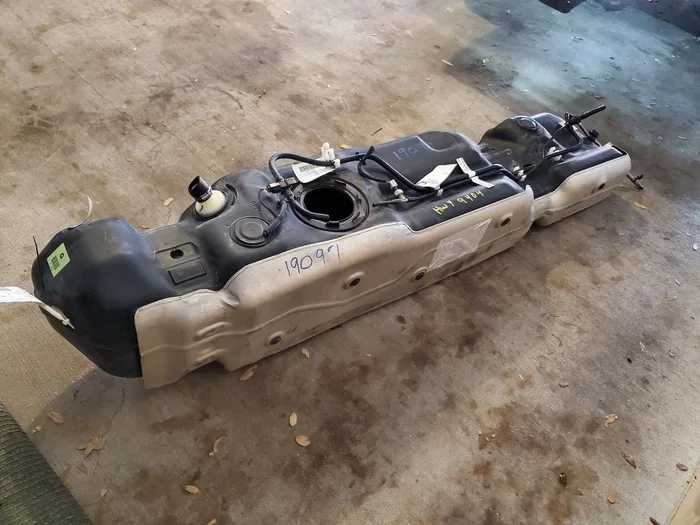
An auxiliary fuel tank adds extra capacity to your vehicle. These tanks mount in the cargo area or under the vehicle. They can add 5 to 15 extra gallons of fuel capacity. This is a popular choice for overland travelers who spend weeks on the trail without access to fuel stations.
Keep in mind that auxiliary tanks add weight to your vehicle. You need to consider the trade-off between extra fuel and reduced efficiency. The added weight can partially offset the benefit of carrying more fuel.
Larger Replacement Tanks
Some manufacturers offer replacement tanks that are larger than the stock unit. These tanks fit in the same location but hold more fuel. A larger replacement tank can increase your gallon tank capacity by 2 to 5 gallons. This is a simpler option than an auxiliary tank and does not require extra mounting hardware.
Before installing any aftermarket tank, make sure it fits properly and does not interfere with your suspension or exhaust components. Always buy from reputable manufacturers to ensure quality and safety.
Common Mistakes That Drain Your Jeep Wrangler Gas Tank
Several common habits can reduce your fuel range faster than you might think. Avoiding these mistakes helps you get the most out of your Jeep Wrangler gas tank.
Idling for Too Long
Letting your engine idle burns fuel without moving. If you expect to wait more than 30 seconds, turn off the engine. Modern engines use very little fuel to restart, so idling is never the most efficient choice.
Ignoring the Check Engine Light
A check engine light can indicate problems that reduce your fuel efficiency. A faulty oxygen sensor, for example, can lower your MPG by up to 40 percent. If your light comes on, get it checked as soon as possible.
Using the Wrong Tires
Large, aggressive off-road tires look great but create more drag. If you use 37-inch tires on a daily driver, you will notice a drop in your gas mileage. Consider using smaller tires or all-terrain tires for your daily commute to improve efficiency.
Skipping Oil Changes
Old or dirty oil increases engine friction. This makes your engine work harder and burn more fuel. Stick to your regular oil change schedule and use the recommended weight oil for your engine.
Comparison: Jeep Wrangler Gas Tank Size by Generation
Here is a quick comparison of the Jeep Wrangler gas tank sizes across different generations and models.
- YJ (1987 to 1995): 13.5 gallons
- TJ (1997 to 2006): 13.5 gallons
- JK (2007 to 2018): 20 gallons (both 2-door and 4-door)
- JL 2-Door (2018+): 21.5 gallons
- JL Unlimited (2018+): 23 gallons
As you can see, there has been a clear trend toward larger tank capacity over the years. Jeep has responded to customer demand for better range without sacrificing the off-road character that makes the Wrangler so special.
The jump from 13.5 gallons to 23 gallons represents a 70 percent increase in fuel capacity. That is a massive improvement and shows how much the vehicle has evolved. Modern Wranglers can go further, explore more, and worry less about finding the next fuel station.
Expert Insights on Jeep Wrangler Fuel Capacity
According to automotive experts, the Jeep Wrangler fuel tank size has always been a balancing act. Jeep engineers must consider weight, packaging, ground clearance, and off-road performance when designing the fuel system.
“The Wrangler is not designed to be a fuel-efficient commuter car,” says automotive analyst Mike Levine. “It is built for adventure, and the fuel tank size reflects that balance between capability and practicality.”
Many Wrangler owners who frequently go off-road recommend always carrying a portable fuel container. A 5-gallon jug in your cargo area can extend your range by 100 or more miles. This simple addition gives you peace of mind when exploring remote areas.
Another expert tip from long-time Wrangler owners is to track your actual MPG. The numbers on the dashboard are estimates. Use a fuel tracking app or simply record your mileage and fuel purchases. Over time, you will learn your vehicle’s true fuel economy and can plan your trips more accurately.
Key Takeaways
- Tank size varies by generation: Older models hold 13.5 gallons, while the latest JL Unlimited holds 23 gallons.
- Your driving range depends on both tank size and MPG: A bigger tank with good efficiency means fewer fuel stops.
- The Wrangler Unlimited has the largest stock tank: At 23 gallons, it offers the best range in the lineup.
- Aftermarket tanks can extend your range further: Auxiliary and replacement tanks are great options for overlanding.
- Your driving habits matter just as much as tank size: Smooth driving and proper maintenance improve your MPG significantly.
- Always keep at least a quarter tank for off-road trips: Remote trails rarely have fuel stations nearby.
- The trend is toward bigger tanks: Each new generation of the Wrangler offers improved fuel capacity.
Conclusion
The Jeep Wrangler gas tank size has grown significantly over the years, and each generation brings meaningful improvements. Whether you drive a classic TJ with 13.5 gallons or a modern JL Unlimited with 23 gallons, understanding your fuel capacity helps you make better plans. You can estimate your driving range, avoid fuel surprises, and enjoy your adventures with confidence.
Your Jeep Wrangler is built to take you places few vehicles can go. Knowing your tank size, fuel economy, and driving range ensures you get the most out of every journey. From daily commutes to multi-week off-road expeditions, the right knowledge makes all the difference.
So next time you fill up, take a moment to appreciate the engineering behind that fuel tank capacity. It is designed to give you the freedom to explore without limits. Keep these tips in mind, maintain your vehicle properly, and your Wrangler will carry you wherever the trail leads.
The bottom line is simple: how big is a Jeep Wrangler gas tank depends on your specific model, but every Wrangler is built to go the distance. With the right knowledge and a little planning, you will never have to worry about fuel again.
Frequently Asked Questions
What is the gas tank size on a 2-door Jeep Wrangler?
The 2-door Jeep Wrangler gas tank size varies by generation. The JK 2-door holds 20 gallons, while the newer JL 2-door comes with a 21.5-gallon tank. Older YJ and TJ models had a 13.5-gallon tank. Your exact capacity depends on the model year you own.
How many miles can a Jeep Wrangler go on a full tank?
Your driving range depends on your tank size and fuel economy. A JK with a 20-gallon tank getting 22 MPG can travel about 440 miles. A modern JL Unlimited with a 23-gallon tank getting 26 MPG can go over 590 miles. City driving will reduce your range, while highway driving increases it.
Can I add a bigger gas tank to my Jeep Wrangler?
Yes, many aftermarket companies offer larger replacement tanks that fit in the stock location. You can also install auxiliary fuel tanks in the cargo area. These options can add 5 to 15 extra gallons of capacity. Always check compatibility with your specific model year before purchasing.
Does the Jeep Wrangler Unlimited have a bigger gas tank than the 2-door?
Yes, the Wrangler Unlimited typically has a larger tank than the 2-door version. In the JL generation, the Unlimited holds 23 gallons compared to the 2-door’s 21.5 gallons. This extra capacity gives the Unlimited a longer driving range, which is great for families and long road trips.
What is the reserve fuel capacity of a Jeep Wrangler?
Most Jeep Wranglers have about 1 to 2 gallons of reserve fuel beyond the empty light. This reserve can help you reach a gas station in an emergency. However, you should never rely on it regularly. Running on empty can damage the fuel pump and leave you stranded in remote areas.
Which Jeep Wrangler gets the best fuel economy?
The newer JL models with the turbocharged 2.0L engine or the diesel 3.0L EcoDiesel engine tend to get the best fuel economy. The 3.0L EcoDiesel can achieve 25 to 30 MPG on the highway. Combined with the larger 23-gallon tank, the Unlimited EcoDiesel offers the longest driving range in the Wrangler lineup.
=== SEO TITLE ===
How Big Is a Jeep Wrangler Gas Tank Really Explained
=== META TITLE ===
Jeep Wrangler Gas Tank Size: Here’s How Big It Really Is
=== URL SLUG ===
/jeep-wrangler-gas-tank-size