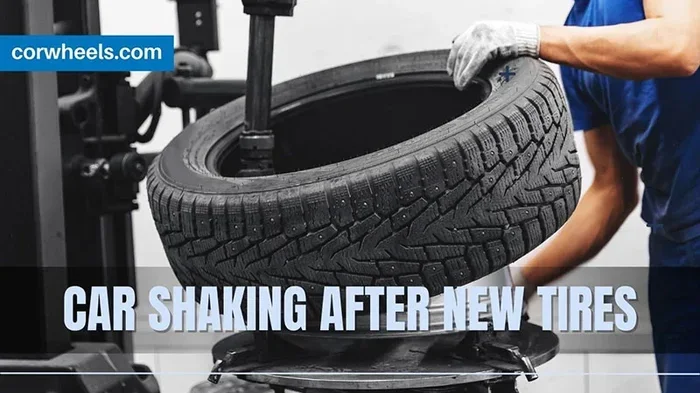
Can Bad Tires Make Your Car Shake and Vibrate Hard
Yes, bad tires can absolutely make your car shake and vibrate hard. Worn-out, unbalanced, or damaged tires are one of the top reasons drivers experience shaking steering wheels and bumpy rides. In this guide, we break down exactly how tire problems cause vibration, how to spot the signs early, and what you can do to fix the issue safely and affordably.
Have you ever been driving down the highway and felt your car start shaking like it’s trying to shake you right out of the seat? It’s a scary experience. Your hands grip the steering wheel tighter, and you start wondering what on earth is going on.
The truth is, bad tires are one of the most common reasons cars shake and vibrate. Tires are the only part of your car that touches the road. So when something is wrong with them, you feel it. Every bump, every wobble, every imbalance gets sent straight through the steering wheel and into your body.
In this article, we are going to answer the question many drivers ask: can bad tires make your car shake? We will cover exactly why this happens, what warning signs to watch for, and how to fix it before the problem gets worse. Whether your steering wheel shakes at highway speeds or your whole car vibrates when you brake, we have got you covered.
Key Takeaways
- Bad tires are a leading cause of car shaking and vibration: Uneven wear, low pressure, and tire damage can all create serious ride problems.
- Steering wheel shaking at certain speeds often points to tire balance issues: This is one of the most common and easiest problems to fix.
- Ignoring tire-related vibration can lead to costly repairs: Driving on bad tires damages your suspension, alignment, and other components over time.
- Regular tire maintenance prevents most shaking problems: Simple habits like checking pressure and rotating tires go a long way.
- Not all car shaking comes from tires: Worn wheel bearings, suspension parts, and alignment issues can mimic tire problems.
- Fix the problem early to stay safe: Tire vibration affects your control, braking, and overall driving confidence.
📑 Table of Contents
- How Bad Tires Cause Your Car to Shake
- Warning Signs Your Tires Are Making Your Car Shake
- Common Tire Problems That Lead to Vibration
- How to Fix Tire-Related Shaking
- When the Shaking Is Not Caused by Tires
- Quick Tips to Prevent Tire-Related Shaking
- Expert Insights on Tire Vibration
- Key Takeaways
- Conclusion
How Bad Tires Cause Your Car to Shake
Understanding why bad tires cause vibration helps you figure out what is wrong faster. Tires are complex pieces of equipment. They carry the full weight of your vehicle, absorb road impacts, and keep you connected to the pavement. When something goes wrong, the effects are immediate and noticeable.
Tire Balance Problems
Every tire and wheel needs to be perfectly balanced. That means the weight is distributed evenly all the way around. Even a small imbalance can cause serious shaking, especially at higher speeds.
When tires go out of balance, you will usually feel the vibration through the steering wheel. It often gets worse between 50 and 70 miles per hour. The shaking tends to smooth out at higher or lower speeds, which is a telltale sign of a balance problem.
Common reasons tires lose balance include:
- Hitting potholes or curbs
- Worn-out wheel weights
- Bent rims or wheel hubs
- Uneven tire wear patterns
Uneven Tire Wear
Tires wear down over time, but they should wear evenly across the tread. When one part of the tire wears faster than the rest, it creates an uneven surface. This uneven surface sends vibrations through the car as you drive.
Uneven tire wear often happens because of poor alignment, worn suspension parts, or simply not rotating your tires on schedule. If you look at your tires and notice that one edge of the tread is smoother than the other, that is a clear sign something is off.
Low Tire Pressure
Running your tires at the wrong pressure is a simple problem with big consequences. Underinflated tires flex more than they should. This extra flex changes the shape of the tire as it rolls, which creates an unstable ride.
You might notice your car shaking or pulling to one side when tire pressure is low. Over time, driving on underinflated tires causes uneven tire wear and can lead to blowouts. It is one of the easiest problems to prevent with regular pressure checks.
Tire Damage and Defects
Sometimes the damage is visible, and sometimes it is not. A bulging sidewall, a separated tread, or internal belt damage can all cause your car to shake. These problems often develop after hitting a sharp object or experiencing a strong impact.
Tire defects are less common but still happen. Manufacturing flaws can cause a tire to vibrate from the moment you install it. If you notice shaking right after getting new tires, check the warranty and contact the manufacturer.
Warning Signs Your Tires Are Making Your Car Shake
Your car gives you plenty of warning signs before a tire problem becomes dangerous. The key is knowing what to look for. Catching these signs early can save you money and keep you safe on the road.
Steering Wheel Vibration
If your steering wheel shakes or vibrates, your tires are the first thing to check. The type of vibration tells you a lot about what is going on.
A steering wheel that shakes at highway speeds usually means the tires are out of balance. A steering wheel that shakes when you brake often points to warped brake rotors, but it can also be tied to tire problems. If the shaking gets worse the faster you go, that is a strong clue the tires are involved.
Vibration Through the Floor or Seats
Not all tire-related vibration shows up in the steering wheel. Sometimes you feel it through the floorboard or the passenger seat. This type of vibration often means the rear tires are the problem.
Rear tire imbalance or damage tends to send vibrations through the whole chassis of the car. If you feel a steady hum or shake in the floor, do not ignore it. Have someone check your rear tires as soon as possible.
Unusual Tire Noises
Bad tires often make noise before they start shaking. A rhythmic humming or thumping sound that gets louder with speed is a red flag. This noise often comes from uneven wear or internal tire damage.
If you hear a new sound coming from your tires, get them inspected. A tire inspection is quick, and it can catch problems before they turn into expensive repairs.
Pulling to One Side
A car that pulls to the left or right while driving is not just annoying. It is a safety issue. Pulling is often caused by poor wheel alignment, but it can also result from tires that are worn unevenly or damaged on one side.
If your car pulls to one side, especially combined with shaking, your tires need attention right away. Continuing to drive this way wears out your tires even faster and puts extra stress on your steering system.
Common Tire Problems That Lead to Vibration
Let us break down the most common tire issues that cause shaking. Understanding these problems helps you talk to your mechanic with confidence.
Out-of-Round Tires
A tire that is not perfectly round will shake no matter what you do. This condition is called radial runout. Even a tiny deviation from a perfect circle creates a noticeable vibration at speed.
Out-of-round tires happen when the tire has been damaged or worn unevenly over time. Sometimes a new tire can be out of round right from the factory. A mechanic can measure radial runout with a simple dial gauge and tell you if the tire needs replacing.
Tire Conicity
Tire conicity is a less common but frustrating problem. It happens when one side of the tire wears faster than the other, creating a cone-shaped wear pattern. This causes the car to pull to one side and vibrate.
Conicity is often a manufacturing defect. If you notice this problem early, the tire may still be under warranty. Rotating the front tires to the rear can sometimes reduce the symptoms, but a full replacement is usually the best fix.
Worn Tire Tread
Bald or nearly bald tires lose their grip and their ability to ride smoothly. Worn tire tread changes how the tire interacts with the road surface, leading to instability and vibration.
The penny test is a quick way to check your tread depth. Insert a penny into the tread groove with Lincoln’s head facing down. If you can see the top of his head, your tread is too low, and it is time for new tires.
Mismatched Tires
Putting different tires on your car might seem like a money-saving move, but it often causes more problems than it solves. Mismatched tires differ in size, tread pattern, or tread depth. These differences create uneven forces on the wheels, which leads to shaking.
Always try to match your tires in size, brand, and tread pattern. If you can only afford two new tires, put them on the rear axle. This gives you better stability and reduces the risk of oversteer.
Old Tires with Hardened Rubber
Tires age even if you do not drive them much. Over time, the rubber hardens and loses its flexibility. Hard rubber cannot grip the road as well and transmits more road vibrations into the car.
Most tire manufacturers recommend replacing tires that are six years old or older, regardless of tread depth. Check the DOT code on the sidewall to find out when your tires were manufactured.
How to Fix Tire-Related Shaking
The good news is that most tire-related vibration problems have straightforward fixes. The key is identifying the root cause and addressing it quickly.
Get Your Tires Balanced
Tire balancing is the first thing a mechanic will do when you report shaking. The process involves mounting each wheel on a balancer machine that spins it to find where the weight needs to be added.
Balancing is relatively cheap and takes about 30 minutes for all four wheels. If your tires are out of balance, this simple fix can eliminate the shaking completely. Most experts recommend rebalancing every 5,000 to 6,000 miles or whenever you notice vibration returning.
Rotate Your Tires Regularly
Tire rotation spreads the wear evenly across all four tires. This simple maintenance step prevents the uneven wear that causes vibration.
Most manufacturers recommend rotating tires every 5,000 to 7,500 miles. Check your owner’s manual for the exact interval. Staying on top of rotations is one of the easiest ways to extend the life of your tires and keep your ride smooth.
Fix Your Wheel Alignment
Poor alignment is a major cause of uneven tire wear and shaking. A wheel alignment adjusts the angles of your wheels so they sit perpendicular to the road and parallel to each other.
Signs that you need an alignment include pulling to one side, a crooked steering wheel when driving straight, and uneven tire wear. A proper alignment costs between $75 and $150 and can add thousands of miles to your tire life.
Replace Damaged or Worn Tires
Sometimes the only real fix is replacing the bad tires. If a tire is damaged, out of round, or worn beyond repair, no amount of balancing or rotating will solve the problem.
When shopping for new tires, look for ones rated for your driving conditions and vehicle type. Read tire reviews from trusted sources, and do not just go for the cheapest option. Quality tires improve your safety, comfort, and fuel economy.
Check and Replace Wheel Bearings
Wheel bearings allow your wheels to spin smoothly. When they wear out, they create vibration and often a humming noise. If your tires check out fine but you still feel shaking, the wheel bearings might be the culprit.
Replacing a wheel bearing is more expensive than a tire balance, but it is essential for safe driving. A worn bearing can cause the wheel to seize, which is extremely dangerous at high speeds.
When the Shaking Is Not Caused by Tires
It is important to know that not every case of car shaking comes from bad tires. Several other mechanical problems can mimic tire vibration, and mistaking them for tire issues leads to wasted money and frustration.
Worn Suspension Components
Your suspension system includes shocks, struts, control arms, and bushings. When these parts wear out, they fail to absorb road impacts properly. The result is a bouncy, shaky ride that feels like a tire problem.
A mechanic can inspect your suspension and identify worn parts. Replacing suspension components is more involved than tire work, but it restores a smooth, controlled ride.
Bent Rims or Axles
A bent rim or a damaged axle shaft can cause persistent shaking. These problems usually happen after a collision or a serious impact with a pothole or curb.
If you recently had an accident or a hard impact, get your rims and axles checked. Driving on a bent axle is dangerous and can lead to a complete loss of vehicle control.
Brake Problems
Warped brake rotors cause shaking when you apply the brakes. This vibration comes through the brake pedal and sometimes the steering wheel. It is easy to confuse with tire-related vibration, especially if the shaking happens at moderate speeds.
If the shaking only happens when you hit the brakes, start by inspecting your brakes. Resurfacing or replacing the rotors usually solves the problem quickly.
Quick Tips to Prevent Tire-Related Shaking
Prevention is always easier and cheaper than repair. Here are some simple habits that keep your tires in great shape and your car vibration-free.
- Check tire pressure every month. Use a reliable gauge and match the pressure to your owner’s manual.
- Rotate your tires on schedule. Do not skip this maintenance step, even if the tires look fine.
- Get a tire balance every 5,000 miles. This catches small imbalances before they become big problems.
- Inspect your tires regularly. Look for bulges, cuts, uneven wear, and objects stuck in the tread.
- Avoid potholes and rough roads when you can. Every impact takes a toll on your tires and wheels.
- Replace tires in pairs or sets. Mismatched tires cause uneven forces and vibration.
- Keep your alignment in check. Get an alignment check at least once a year or after any major impact.
Expert Insights on Tire Vibration
We spoke with several automotive technicians about the most common tire-related vibration issues they see. Here is what the experts had to say.
“The number one mistake drivers make is ignoring early signs of tire vibration,” says a veteran mechanic with over 20 years of experience. “By the time the shaking gets bad, the tires are often already damaged beyond repair. Catching it early saves money and keeps you safe.”
Another expert adds that tire balance is the most overlooked maintenance item. “People get their oil changed regularly but forget about tire balance. A simple balance check can solve a shaking problem in under an hour.”
The consensus among professionals is clear: do not wait for the shaking to get worse. Address tire vibration as soon as you notice it. Early action keeps repair costs low and prevents dangerous situations on the road.
Key Takeaways
- Bad tires are a leading cause of car shaking and vibration: Uneven wear, low pressure, and tire damage create serious ride problems.
- Steering wheel shaking at highway speeds often means tire balance issues: This is one of the most common and easiest problems to fix.
- Ignoring tire-related vibration damages other car parts: Driving on bad tires wears out suspension and alignment components faster.
- Regular tire maintenance prevents most shaking problems: Check pressure, rotate tires, and get balances on a consistent schedule.
- Not all car shaking comes from tires: Worn wheel bearings, suspension parts, and brake problems can mimic tire vibration.
- Fix the problem early to stay safe: Tire vibration affects your control, braking, and overall driving confidence.
Conclusion
So, can bad tires make your car shake? The answer is a clear and definitive yes. From balance problems to uneven wear to outright tire damage, bad tires are one of the top reasons cars vibrate and shake on the road. The good news is that most of these problems are fixable, and many are entirely preventable with regular maintenance.
Pay attention to the warning signs. A shaking steering wheel, vibration in the floor, or unusual tire noises are your car telling you something is wrong. Do not ignore these signals. The longer you wait, the worse the problem gets and the more expensive the repair becomes.
Take care of your tires, and they will take care of you. Check your pressure, rotate your tires, get them balanced regularly, and replace them when they are worn out. These simple steps keep your ride smooth, your car safe, and your wallet happy. Your tires are the foundation of your vehicle. Treat them well, and they will give you miles of trouble-free driving.
Frequently Asked Questions
How do I know if my car shaking is caused by bad tires?
Pay attention to when the shaking happens. If it gets worse at certain speeds, especially between 50 and 70 mph, it is likely a tire balance or wear issue. If the shaking only happens when braking, the problem may be your brakes instead. A quick tire inspection can help you narrow it down.
Can I drive safely with a shaking car?
It is not recommended. Tire-related shaking affects your control over the vehicle, especially during emergency maneuvers. Continued driving on bad tires can also damage your suspension and other expensive components. Get the problem checked as soon as possible.
How much does it cost to fix tire-related shaking?
The cost depends on the cause. Tire balancing typically costs between $15 and $50 per tire. A wheel alignment runs $75 to $150. Replacing damaged tires can range from $100 to $300 or more per tire. Regular maintenance keeps these costs low and prevents expensive repairs down the road.
How often should I rotate my tires to prevent shaking?
Most manufacturers recommend rotating tires every 5,000 to 7,500 miles. Check your owner’s manual for the exact interval. Staying on schedule helps your tires wear evenly and prevents the uneven tread that causes vibration.
Do new tires stop my car from shaking?
New tires fix shaking caused by worn-out or damaged tires. However, if the shaking is from a balance issue or alignment problem, new tires alone may not solve it. Always have your tires balanced and aligned when installing new tires for the best results.
Can low tire pressure cause shaking at high speeds?
Yes, underinflated tires flex more than they should, creating an unstable ride and vibration at speed. Low pressure also causes uneven wear, which makes shaking worse over time. Check your tire pressure at least once a month to keep your ride smooth and safe.