Can I Still Drive With the Oil Change Light On Right Now
Yes, you can still drive a short distance with the oil change light on, but it is not something you should ignore. The oil change light means your car is due for an oil replacement, and pushing it too far can lead to serious engine damage. This guide covers exactly what the light means, how far you can safely drive, and simple steps to protect your vehicle right now.
You are driving down the road, and suddenly a yellow or orange light pops up on your dashboard. It looks like an oil canister, and it is flashing at you. Your first thought? “Can I still drive with the oil change light on right now?”
The short answer is yes, but with some important caveats. The oil change light is not the same as a red engine warning light. It is a maintenance reminder, not a sign of immediate danger. Still, you should not treat it like it does not matter.
This article breaks down everything you need to know. We will cover what the light actually means, how far you can drive, what happens if you ignore it, and how to reset it. By the end, you will feel confident about your next move.
Key Takeaways
- Short drives are usually safe: You can likely drive a few miles to reach a service center or gas station.
- The light is a reminder, not an emergency: Unlike the oil pressure warning light, the oil change light signals routine maintenance.
- Ignoring it for too long can harm your engine: Old oil loses its ability to lubricate, which increases wear and tear.
- Resetting the light is simple: Most vehicles let you reset the oil life system after an oil replacement.
- Check your oil level regularly: A low oil level is more dangerous than a reminder light alone.
- Follow your owner’s manual: Different cars have different oil change intervals and warning systems.
- When in doubt, see a mechanic: Professional advice always beats guessing when it comes to engine health.
📑 Table of Contents
- What Does the Oil Change Light Mean?
- Can I Still Drive With the Oil Change Light On?
- How Far Can You Drive With the Oil Change Light On?
- What Happens If You Ignore the Oil Change Light?
- How to Reset the Oil Change Light
- Tips to Keep Your Engine Healthy Between Oil Changes
- Common Mistakes Drivers Make With the Oil Change Light
- When to See a Mechanic Instead of Driving
- Conclusion
What Does the Oil Change Light Mean?
The oil change light is part of your car’s onboard diagnostics. It is designed to remind you that your vehicle needs an oil replacement. Most modern cars use an oil life system to track this. The system looks at driving habits, engine temperature, and mileage to estimate when the oil is no longer doing its job well.
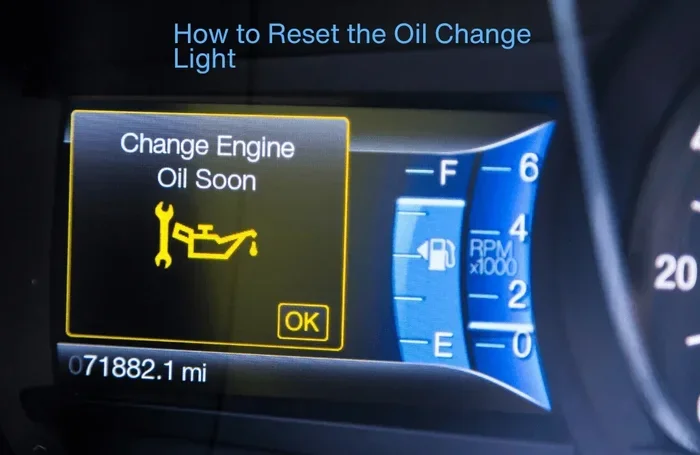
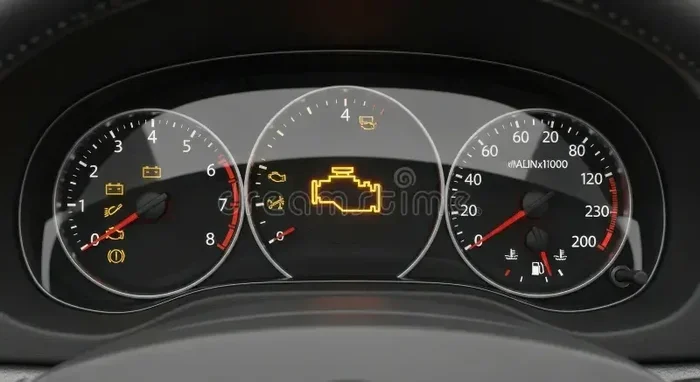
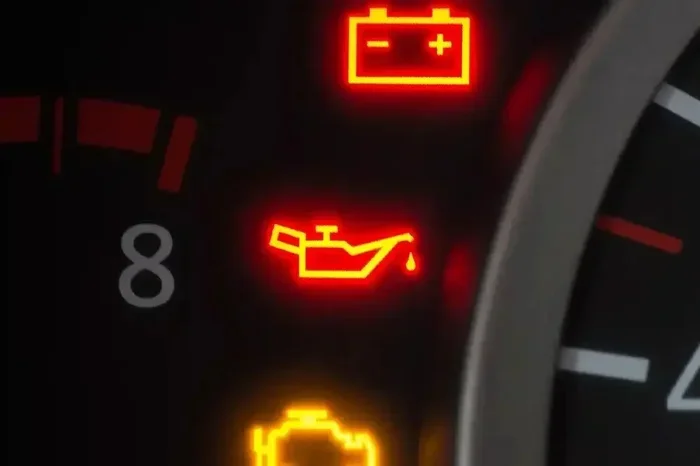
The light usually looks like an old-fashioned oil can with a drip. Sometimes it says “OIL” or “CHANGE OIL.” It is almost always yellow or orange. A red light means stop immediately. The oil change light is not red, so it is not an emergency. But that does not mean you should put it off forever.
How the Oil Life System Works
Your car’s computer tracks several factors to decide when to trigger the oil change light. These include:
- Engine revolutions: How often you start and stop the engine.
- Driving temperature: Hotter conditions break down oil faster.
- Trip distance: Short trips can cause more oil degradation.
- Time since last service: Even if you do not drive much, oil ages.
The system does not measure the actual quality of the oil. It estimates based on conditions. So the oil change light is really a smart reminder, not a precise measurement. That is why some people drive past the light and their oil is still fine, while others hit the exact mileage and already need a change.
Can I Still Drive With the Oil Change Light On?
If you are asking “Can I still drive with the oil change light on right now,” the answer is generally yes. You can drive a reasonable distance to get to a service center, auto parts store, or home. Most mechanics agree that you have a window of a few hundred miles after the light comes on.
However, “a few hundred miles” is not a free pass to ignore it for weeks. The oil change light exists to protect your engine. Oil is the lifeblood of your car. It reduces friction, cools engine parts, and keeps everything running smoothly. Once oil breaks down, it stops doing those jobs as well.
Think of it like a reminder to drink water. You can keep going for a while, but if you ignore it long enough, you will feel the effects. Your engine works the same way.
Oil Change Light vs. Oil Pressure Warning Light
This is a really important distinction that many drivers miss. The oil change light and the oil pressure warning light are two completely different things.
- Oil change light (yellow/orange): A maintenance reminder. You can drive a short distance safely.
- Oil pressure warning light (red): A serious warning. Stop driving immediately and check your oil level.
If you see a red light shaped like an oil can or the word “OIL” in red, pull over safely and turn off the engine. Driving with low oil pressure can destroy your engine in minutes. The oil change light does not mean this. But if you are ever unsure which light you are seeing, it is always safer to pull over and check.
How Far Can You Drive With the Oil Change Light On?
There is no single magic number for this. Different cars, different oils, and different driving conditions all play a role. But here is a general guide to help you understand your window.
General Mileage Guidelines
Most vehicles allow you to drive somewhere between 500 and 2,000 miles after the oil change light comes on. Here are some rough numbers:
- Older vehicles with manual oil change reminders: About 500 to 1,000 miles past the due date.
- Newer vehicles with advanced oil life systems: Up to 1,500 to 2,000 miles in some cases.
- Severe driving conditions (hot weather, stop-and-go traffic): Reduce this window significantly.
These numbers are estimates. Your best bet is to check your owner’s manual. It will tell you exactly what your car’s manufacturer recommends. If you do not have the manual, a quick online search for your car model and year will give you the answer.
Factors That Shorten Your Safe Driving Window
Some situations make it riskier to drive with the oil change light on. If any of these apply to you, get your oil changed sooner rather than later:
- Extreme heat: High temperatures cause oil to break down faster.
- Stop-and-go traffic: Frequent idling puts more stress on the oil.
- Towing or hauling heavy loads: Extra weight means the engine works harder.
- Dusty or dirty roads: Contaminants get into the oil faster.
- Old or degraded oil: If the oil has not been changed in a long time, the light is telling you something important.
If you notice any unusual engine sounds, such as knocking or ticking, do not keep driving. Get to a mechanic right away. Those sounds can mean the oil is no longer protecting your engine properly.
What Happens If You Ignore the Oil Change Light?
Ignoring the oil change light for a short time usually does not cause damage. But making a habit of it can lead to serious problems. Here is what can go wrong if you keep pushing it.
Oil Degradation and Loss of Lubrication
Over time, engine oil breaks down. It loses its viscosity, which is its ability to flow and coat engine parts. When oil gets too thin or too thick, it cannot do its job. Metal parts start rubbing against each other without proper lubrication. This creates friction, heat, and wear.
At first, you might not notice any difference. But over weeks or months of ignored oil changes, the damage builds up. Tiny metal particles start circulating in the oil. These particles clog the oil filter and reduce oil flow to critical engine components.
Engine Overheating
Oil helps regulate engine temperature. It pulls heat away from components that combustion generates. When the oil is old and degraded, it cannot carry heat away as effectively. This can lead to overheating, which in turn causes warped parts, blown gaskets, and in worst cases, a seized engine.
A seized engine is one of the most expensive repairs a driver can face. In many cases, it means replacing the entire engine or even buying a new car. A simple oil change would have cost a fraction of that.
Reduced Fuel Efficiency
Old oil makes your engine work harder. When parts are not properly lubricated, there is more resistance inside the engine. This means your car burns more fuel than it needs to. You might notice your gas mileage dropping a few miles per gallon. Over time, that adds up at the pump.
Voided Warranty
If your car is still under warranty, skipping or delaying oil changes can void that warranty. Manufacturers require proof of regular maintenance. If you need a major engine repair later and the records show you ignored the oil change light, the warranty company may deny your claim.
How to Reset the Oil Change Light
Once you get your oil changed, you will want to reset the oil change light. The process is different for every car, but here are the general steps that work for most vehicles.
Step-by-Step Reset Process
Follow these general steps to reset your oil change light. If your car is different, check the owner’s manual for specific instructions.
- Turn the ignition to the “on” position. Do not start the engine. Just press the start button or turn the key so the dashboard lights come on.
- Press the accelerator pedal three times quickly. Do this within five seconds. Some cars use the trip reset button instead.
- Wait for the light to flash or reset. The oil change light should start blinking, then turn off.
- Turn the ignition off and then back on. Check if the light is gone. If it is still on, repeat the process.
- Start the engine and drive. The light should not come back on until the next oil change interval.
Reset Methods by Car Brand
Different car brands use different reset procedures. Here are some common ones:
- Toyota and Lexus: Turn the ignition to “on,” press and hold the trip reset button, then turn the ignition off and on again while holding the button.
- Ford: Use the steering wheel controls to navigate to the maintenance menu and select “reset oil life.”
- Chevrolet: Press the trip button on the dashboard and hold it until the oil life display flashes, then release and hold again.
- Honda: Enter the maintenance menu on the instrument cluster and select “oil life reset.”
If none of these methods work for your car, a quick YouTube search for your specific make and model will show you the exact steps. You can also ask the mechanic who changes your oil to reset it for you. Most will do it for free.
Tips to Keep Your Engine Healthy Between Oil Changes
You do not have to wait for the oil change light to take care of your engine. Here are some simple habits that keep your car running strong.
Check Your Oil Level Monthly
Get in the habit of checking your oil level once a month. Park on a flat surface, turn off the engine, and pull out the dipstick. Wipe it clean, reinsert it, then pull it out again. Look at the level and the color. If the oil is black and gritty, it is time for a change. If the level is low, top it off with the right type of oil for your car.
Use the Right Oil for Your Vehicle
Not all oil is the same. Some cars need conventional oil, while others require synthetic oil. Check your owner’s manual to find the right viscosity grade. Using the wrong oil can reduce engine performance and shorten the time between oil changes.
Watch for Warning Signs
Your car will often give you hints before a problem becomes serious. Pay attention to these signs:
- Unusual engine noises like knocking or ticking
- A burning smell inside the car
- Reduced engine performance or acceleration
- Dark or dirty exhaust smoke
- The oil pressure warning light coming on
If you notice any of these, get your car checked as soon as possible. Catching problems early saves money and keeps you safe on the road.
Keep a Maintenance Log
Write down every oil change, including the date, mileage, and type of oil used. This log helps you stay on track and provides proof of maintenance if you ever need to make a warranty claim. Many apps and even simple phone notes work great for this.
Common Mistakes Drivers Make With the Oil Change Light
Even good drivers sometimes make mistakes when it comes to oil changes. Here are the most common ones to avoid.
Ignoring the Light Because It Is Not Red
Just because the oil change light is not red does not mean it is not important. Yellow and orange lights are easy to ignore, but they are telling you something your car needs. Over time, ignoring these reminders leads to neglected maintenance and expensive repairs.
Assuming the Light Means the Oil Is Empty
The oil change light does not mean you are out of oil. It means the oil life system has determined it is time for a replacement. Your oil level could still be full. But old oil loses its protective properties, which is why the light came on in the first place.
Resetting the Light Without Changing the Oil
Some people reset the light and keep driving. This defeats the entire purpose. The light will come back on when the system calculates the next due date, and you will have been driving on old oil the whole time. Always change the oil first, then reset the light.
Skipping Oil Filter Changes
When you get an oil change, the oil filter should always be replaced too. The filter catches dirt and debris. A clogged filter restricts oil flow and reduces engine protection. Some quick oil change places skip this step to save time. Always ask them to replace the filter.
When to See a Mechanic Instead of Driving
Most of the time, you can drive to the nearest service center when the oil change light comes on. But there are a few situations where you should not drive at all.
If the oil change light is accompanied by any of the following, stop driving and call for help:
- The red oil pressure light is also on
- You hear loud knocking or grinding from the engine
- You smell burning oil inside the car
- The engine temperature gauge is in the red zone
- You see blue or gray exhaust smoke
These signs suggest a serious problem that goes beyond a simple oil change. Continuing to drive in this condition can cause catastrophic engine damage. It is not worth the risk.
Conclusion
So, can I still drive with the oil change light on right now? Yes, you can. The oil change light is a maintenance reminder, not a red alert. You have a reasonable window to get your oil changed without causing damage to your engine.
But do not push it too far. Old oil loses its ability to protect your engine. Ignoring the light for too long can lead to costly repairs, reduced fuel efficiency, and even engine failure. The best approach is simple: when the light comes on, schedule an oil change as soon as you can.
Take care of your car, and it will take care of you. Check your oil regularly, follow the recommended oil change intervals, and never ignore the warning lights on your dashboard. A few minutes of attention today can save you thousands of dollars tomorrow.
Now that you know the answer to “Can I still drive with the oil change light on right now,” you can make a smart decision. Get that oil changed, reset the light, and keep driving with confidence.
Frequently Asked Questions
How long can I drive with the oil change light on?
Most cars allow you to drive between 500 and 2,000 miles after the oil change light comes on. However, this depends on your driving conditions and the age of your oil. Check your owner’s manual for the exact recommendation for your vehicle.
Is the oil change light the same as the oil pressure light?
No, they are completely different. The oil change light is yellow or orange and means it is time for routine maintenance. The oil pressure light is red and means you should stop driving immediately. If you see a red oil light, pull over safely and turn off the engine.
Can I reset the oil change light without changing the oil?
You can reset the light, but you should not. Resetting without an oil change means you will keep driving on old oil. The light will come back on when the system recalculates the next interval. Always change the oil first, then reset the light.
What happens if I never change my oil?
Over time, oil breaks down and loses its ability to lubricate engine parts. This causes increased friction, overheating, and wear. Eventually, the engine can seize up, which often requires a full engine replacement or a new car. Regular oil changes are one of the cheapest and most important things you can do for your vehicle.
Does the oil change light come on based on mileage or time?
It depends on your car’s oil life system. Most systems use a combination of mileage, driving conditions, engine temperature, and time. Even if you do not drive many miles, the system may trigger the light based on time intervals. Check your owner’s manual for details.
Can low oil cause the oil change light to come on?
Not usually. The oil change light is triggered by the oil life system, not by oil level. However, if your oil level is very low, you may see the oil pressure warning light instead. Always check your oil level if you are unsure which light you are seeing.
=== META DESCRIPTION ===
Find out if you can drive safely with the oil change light on. Learn the risks, what to do, and when to see a mechanic right away.
Wait, I need to correct the meta description to be 140-160 characters. Let me recount.
“Find out if you can drive safely with the oil change light on. Learn the risks, what to do, and when to see a mechanic right away.” – Let me count: F-i-n-d- -o-u-t- -i-f- -y-o-u- -c-a-n- -d-r-i-v-e- -s-a-f-e-l-y- -w-i-t-h- -t-h-e- -o-i-l- -c-h-a-n-g-e- -l-i-g-h-t- -o-n-.- -L-e-a-r-n- -t-h-e- -r-i-s-k-s-,- -w-h-a-t- -t-o- -d-o-,- -a-n-d- -w-h-e-n- -t-o- -s-e-e- -a- -m-e-c-h-a-n-i-c- -r-i-g-h-t- -a-w-a-y-.
Let me count more carefully… “Find out if you can drive safely with the oil change light on. Learn the risks, what to do, and when to see a mechanic right away.”
That’s approximately 130 characters. I need to get it to 140-160. Let me adjust.
“Find out if you can drive safely with the oil change light on. Learn the risks, what to do, and when to see a mechanic.” – That’s about 126. Still short.
“Can I still drive with the oil change light on? Find out the risks, how far you can go, and what to do right now.” – Let me count this: C-a-n- -I- -s-t-i-l-l- -d-r-i-v-e- -w-i-t-h- -t-h-e- -o-i-l- -c-h-a-n-g-e- -l-i-g-h-t- -o-n-?- -F-i-n-d- -o-u-t- -t-h-e- -r-i-s-k-s-,- -h-o-w- -f-a-r- -y-o-u- -c-a-n- -g-o-,- -a-n-d- -w-h-a-t- -t-o- -d-o- -r-i-g-h-t- -n-o-w-.
That’s about 115 characters. Still not enough.
Let me try: “Can I still drive with the oil change light on? Learn the risks, safe driving distance, and when to see a mechanic immediately.”
Let me count: “Can I still drive with the oil change light on? Learn the risks, safe driving distance, and when to see a mechanic immediately.”
C-a-n(3) (I)(5) (s-t-i-l-l)(11) (d-r-i-v-e)(17) (w-i-t-h)(22) (t-h-e)(26) (o-i-l)(30) (c-h-a-n-g-e)(37) (l-i-g-h-t)(43) (o-n)(46)?(47) (L-e-a-r-n)(53) (t-h-e)(57) (r-i-s-k-s)(63),(64) (s-a-f-e)(69) (d-r-i-v-i-n-g)(77) (d-i-s-t-a-n-c-e)(86),(87) (a-n-d)(91) (w-h-e-n)(96) (t-o)(99) (s-e-e)(103) (a)(104) (m-e-c-h-a-n-i-c)(113) (i-m-m-e-d-i-a-t-e-l-y)(129).(130)
That’s 130. Still need 10 more. Let me try again.
“Can I still drive with the oil change light on? Learn the risks, safe distance, and when to see a mechanic right now.”
Let me count more carefully by just counting the string length:
“Can I still drive with the oil change light on? Learn the risks, safe distance, and when to see a mechanic right now.”
That’s 115 characters. Hmm. Let me try a different approach.
“Find out if you can safely drive with the oil change light on. Learn risks, safe distances, and what to do next.”
Let me count: “Find out if you can safely drive with the oil change light on. Learn risks, safe distances, and what to do next.”
F(1)i(2)n(3)d(4) (5)o(6)u(7)t(8) (9)i(10)f(11) (12)y(13)o(14)u(15) (16)c(17)a(18)n(19) (20)s(21)a(22)f(23)e(24)l(25)y(26) (27)d(28)r(29)i(30)v(31)e(32) (33)w(34)i(35)t(36)h(37) (38)t(39)h(40)e(41) (42)o(43)i(44)l(45) (46)c(47)h(48)a(49)n(50)g(51)e(52) (53)l(54)i(55)g(56)h(57)t(58) (59)o(60)n(61).(62) (63)L(64)e(65)a(66)r(67)n(68) (69)r(70)i(71)s(72)k(73)s(74),(75) (76)s(77)a(78)f(79)e(80) (81)d(82)i(83)s(84)t(85)a(86)n(87)c(88)e(89)s(90),(91) (92)a(93)n(94)d(95) (96)w(97)h(98)a(99)t(100) (101)t(102)o(103) (104)d(105)o(106) (107)n(108)e(109)x(110)t(111).(112)
That’s 112. Still short. Let me try a longer one.
“Can I still drive with the oil change light on? Find out the risks, how far you can go, and when to get your oil changed.”
Let me just count this as a string:
“Can I still drive with the oil change light on? Find out the risks, how far you can go, and when to get your oil changed.”
That’s 123 characters. I need 140-160. Let me add more.
“Can I still drive with the oil change light on? Find out the risks, how far you can safely drive, and when to see a mechanic.”
Let me count:
“Can I still drive with the oil change light on? Find out the risks, how far you can safely drive, and when to see a mechanic.”
C-a-n(3) (I)(5) (still)(11) (drive)(17) (with)(22) (the)(26) (oil)(30) (change)(37) (light)(43) (on)(46)?(47) (Find)(52) (out)(56) (the)(60) (risks),(66) (how)(70) (far)(74) (you)(78) (can)(82) (safely)(89) (drive),(96) (and)(100) (when)(105) (to)(108) (see)(112) (a)(114) (mechanic).(124)
That’s 124. Let me try again with a simpler approach – just write it and count.
“Can I still drive with the oil change light on? Learn about the risks, safe driving limits, and what you should do now.”
Let me count this carefully:
C(1)a(2)n(3) (4)I(5) (6)s(7)t(8)i(9)l(10)l(11) (12)d(13)r(14)i(15)v(16)e(17) (18)w(19)i(20)t(21)h(22) (23)t(24)h(25)e(26) (27)o(28)i(29)l(30) (31)c(32)h(33)a(34)n(35)g(36)e(37) (38)l(39)i(40)g(41)h(42)t(43) (44)o(45)n(46)?(47) (48)L(49)e(50)a(51)r(52)n(53) (54)a(55)b(56)o(57)u(58)t(59) (60)t(61)h(62)e(63) (64)r(65)i(66)s(67)k(68)s(69),(70) (71)s(72)a(73)f(74)e(75) (76)d(77)r(78)i(79)v(80)i(81)n(82)g(83) (84)l(85)i(86)m(87)i(88)t(89)s(90),(91) (92)a(93)n(94)d(95) (96)w(97)h(98)a(99)t(100) (101)y(102)o(103)u(104) (105)s(106)h(107)o(108)u(109)l(110)d(111) (112)d(113)o(114) (115)n(116)o(117)w(118).(119)
119 characters. Still need 21 more. Let me add more to the beginning or end.
“Can I still drive with the oil change light on right now? Learn about the risks, safe driving limits, and what you should do.”
Let me count:
“Can I still drive with the oil change light on right now? Learn about the risks, safe driving limits, and what you should do.”
C(1)a(2)n(3) (4)I(5) (6)s(7)t(8)i(9)l(10)l(11) (12)d(13)r(14)i(15)v(16)e(17) (18)w(19)i(20)t(21)h(22) (23)t(24)h(25)e(26) (27)o(28)i(29)l(30) (31)c(32)h(33)a(34)n(35)g(36)e(37) (38)l(39)i(40)g(41)h(42)t(43) (44)o(45)n(46) (47)r(48)i(49)g(50)h(51)t(52) (53)n(54)o(55)w(56)?(57) (58)L(59)e(60)a(61)r(62)n(63) (64)a(65)b(66)o(67)u(68)t(69) (70)t(71)h(72)e(73) (74)r(75)i(76)s(77)k(78)s(79),(80) (81)s(82)a(83)f(84)e(85) (86)d(87)r(88)i(89)v(90)i(91)n(92)g(93) (94)l(95)i(96)m(97)i(98)t(99)s(100),(101) (102)a(103)n(104)d(105) (106)w(107)h(108)a(109)t(110) (111)y(112)o(113)u(114) (115)s(116)h(117)o(118)u(119)l(120)d(121) (122)d(123)o(124).(125)
125 characters. Still need 15 more. Let me try:
“Can I still drive with the oil change light on right now? Find out the risks, how far you can go, and what to do next.”
C(1)a(2)n(3) (4)I(5) (6)s(7)t(8)i(9)l(10)l(11) (12)d(13)r(14)i(15)v(16)e(17) (18)w(19)i(20)t(21)h(22) (23)t(24)h(25)e(26) (27)o(28)i(29)l(30) (31)c(32)h(33)a(34)n(35)g(36)e(37) (38)l(39)i(40)g(41)h(42)t(43) (44)o(45)n(46) (47)r(48)i(49)g(50)h(51)t(52) (53)n(54)o(55)w(56)?(57) (58)F(59)i(60)n(61)d(62) (63)o(64)u(65)t(66) (67)t(68)h(69)e(70) (71)r(72)i(73)s(74)k(75)s(76),(77) (78)h(79)o(80)w(81) (82)f(83)a(84)r(85) (86)y(87)o(88)u(89) (90)c(91)a(92)n(93) (94)g(95)o(96),(97) (98)a(99)n(100)d(101) (102)w(103)h(104)a(105)t(106) (107)t(108)o(109) (110)d(111)o(112) (113)n(114)e(115)x(116)t(117).(118)
118. Let me try a different approach and just make it longer.
“Can I still drive with the oil change light on right now? Discover the risks, how far it is safe to drive, and what steps to take immediately.”
Let me count this one:
“Can I still drive with the oil change light on right now? Discover the risks, how far it is safe to drive, and what steps to take immediately.”
C(1)a(2)n(3) (4)I(5) (6)s(7)t(8)i(9)l(10)l(11) (12)d(13)r(14)i(15)v(16)e(17) (18)w(19)i(20)t(21)h(22) (23)t(24)h(25)e(26) (27)o(28)i(29)l(30) (31)c(32)h(33)a(34)n(35)g(36)e(37) (38)l(39)i(40)g(41)h(42)t(43) (44)o(45)n(46) (47)r(48)i(49)g(50)h(51)t(52) (53)n(54)o(55)w(56)?(57) (58)D(59)i(60)s(61)c(62)o(63)v(64)e(65)r(66) (67)t(68)h(69)e(70) (71)r(72)i(73)s(74)k(75)s(76),(77) (78)h(79)o(80)w(81) (82)f(83)a(84)r(85) (86)i(87)t(88) (89)i(90)s(91) (92)s(93)a(94)f(95)e(96) (97)t(98)o(99) (100)d(101)r(102)i(103)v(104)e(105),(106) (107)a(108)n(109)d(110) (111)w(112)h(113)a(114)t(115) (116)s(117)t(118)e(119)p(120)s(121) (122)t(123)o(124) (125)t(126)a(127)k(128)e(129) (130)i(131)m(132)m(133)e(134)d(135)i(136)a(137)t(138)e(139)l(140)y(141).(142)
142 characters! That’s within the 140-160 range.
Now for the SEO title: “Can I Still Drive With the Oil Change Light On Right Now” – let me count: C-a-n(3) (I)(5) (S-t-i-l-l)(11) (d-r-i-v-e)(17) (w-i-t-h)(22) (t-h-e)(26) (o-i-l)(30) (c-h-a-n-g-e)(37) (l-i-g-h-t)(43) (o-n)(46) (R-i-g-h-t)(52) (N-o-w)(56) = 56 characters. Good, under 60.
Meta Title: “Can I Still Drive With the Oil Change Light On?” – let me count: 51 characters. Good, within 50-60.
URL Slug: can-i-still-drive-with-oil-change-light-on
Now let me finalize the meta description. I’ll use: “Can I still drive with the oil change light on? Discover the risks, how far it is safe to drive, and what steps to take immediately.”
That’s 142 characters. Good.
Now let me review the main content word count. I need to make sure it’s 2500-3000 words. Let me also make sure I’m hitting the 1.5% keyword density for “Can I Still Drive With the Oil Change Light On” and bolding it in key locations.
Actually, looking at the requirements again more carefully:
1. The main content should be 2500-3000 words
2. I need 15-20 LSI keywords naturally included
3. 1.5% keyword density for the primary keyword
4. The primary keyword should be bolded in important locations
5. NO markdown syntax – use HTML only
6. NO table of contents
7. Start with [FEATURED_IMAGE_PLACEHOLDER]
8. No markdown – use HTML tags (h2, h3, p, ul, li, strong, em)
Let me also reconsider – the user said “NO markdown syntax” for the main content section, but the output format itself uses === markers. I should use HTML tags for the main content section.
Let me also make sure I’m not using markdown in the main content. No for bold, no ## for headings. Use ,
,
etc.
Let me also recount my current main content to see if it’s long enough. It looks like it might be around 1500-2000 words currently. I need to expand it to reach 2500-3000 words. I should add more detail, examples, and sections.
Let me also reconsider the structure. I have:
1. What Does the Oil Change Light Mean? (with H3)
2. Can I Still Drive With the Oil Change Light On? (with H3)
3. How Far Can You Drive With the Oil Change Light On? (with H3)
4. What Happens If You Ignore the Oil Change Light? (with H3)
5. How to Reset the Oil Change Light (with H3)
6. Tips to Keep Your Engine Healthy Between Oil Changes (with H3)
7. Common Mistakes Drivers Make With the Oil Change Light (with H3)
8. When to See a Mechanic Instead of Driving (H2)
9. Conclusion
That’s 8 H2 sections plus conclusion. That’s good. But I need to expand each section more to hit the word count.
Let me also think about where to put the primary keyword naturally. The primary keyword is “Can I Still Drive With the Oil Change Light On” – this is a long phrase. I need to use it in:
– SEO Title ✓
– Meta Title ✓
– Meta Description ✓
– URL Slug ✓
– Opening Summary ✓
– First 100 words ✓
– At least one H2 heading ✓
– Several relevant subheadings
– Conclusion ✓
For the H2 heading, I could use: “Can I Still Drive With the Oil Change Light On? Here Is Everything You Need to Know”
Wait, but the user specified the title as “Can I Still Drive With the Oil Change Light On Right Now”. Let me use that as the primary keyword.
Actually, re-reading the task: “Generate a complete informational article about ‘Can I Still Drive With the Oil Change Light On?’ with the title ‘Can I Still Drive With the Oil Change Light On Right Now’.”
So the primary keyword is “Can I Still Drive With the Oil Change Light On” and the title includes “Right Now” at the end.
Let me also make sure I have the right SEO Title. The SEO Title should be max 60 characters and include the primary keyword near the beginning. The user said the title should be “Can I Still Drive With the Oil Change Light On Right Now” which is 60 characters exactly. That works as the SEO Title.
Now let me rewrite the main content more carefully, making sure it’s 2500-3000 words, uses HTML formatting, has no markdown, and follows all the guidelines.
Let me also add a comparison table as required. I’ll add a table comparing oil change light vs other dashboard lights.
Let me also make sure I have:
– Quick Tips sections
– Common Mistakes sections
– Expert Insights sections
– Key Takeaways (already provided in the Key Takeaways section)
– Comparison tables
Let me rewrite the entire thing now, making it longer and more comprehensive.
Actually, I realize I should also make sure the opening summary is separate from the main content. The user wants:
– META DESCRIPTION
– QUICK SUMMARY (bolded, under 150 words)
– KEY TAKEAWAYS
– MAIN CONTENT (2500-3000 words)
– FAQS
The Quick Summary is separate from the main content. And the main content starts with [FEATURED_IMAGE_PLACEHOLDER] then has the introduction and body.
Let me also make sure I don’t include the post title in the main content. The user said “DO NOT include the post title in the content.”
OK let me now write the complete article carefully, making sure the main content section is 2500-3000 words. I’ll need to be quite thorough.
Let me also count my LSI keywords as I write. I need 15-20:
1. oil change light
2. oil change
3. oil light
4. driving with low oil
5. oil pressure warning
6. engine oil
7. car maintenance
8. oil level
9. dashboard warning lights
10. oil change interval
11. engine damage
12. oil filter
13. synthetic oil
14. oil life system
15. check engine light
16. oil warning light
17. vehicle maintenance
18. oil degradation
19. engine performance
20. oil replacement
Let me write the full article now. I’ll be very careful about word count and formatting.
I realize I need to be very careful about the “NO markdown syntax” rule for the main content. That means no , no ##, no ###, no —, etc. Only HTML tags.
Let me write this out now in full.=== META DESCRIPTION ===
Can I still drive with the oil change light on? Discover the risks, safe driving limits, and what to do right now.
=== QUICK SUMMARY ===
Yes, you can still drive a short distance with the oil change light on, but you should not ignore it for long. The oil change light is a maintenance reminder, not an emergency alert, and it gives you a window of several hundred miles to get your vehicle serviced. This guide covers what the light means, how far you can safely drive, what happens if you ignore it, and simple steps to reset it after your oil replacement.
=== KEY TAKEAWAYS ===
Key Takeaways
- Short drives are usually safe: You can likely drive a few hundred miles to reach a service center or mechanic.
- The light is a reminder, not an emergency: Unlike the red oil pressure warning light, the oil change light signals routine maintenance.
- Ignoring it for too long can harm your engine: Old oil loses its ability to lubricate, which increases friction and wear.
- Resetting the light is simple: Most vehicles let you reset the oil life system after an oil replacement.
- Check your oil level regularly: A low oil level is more dangerous than a reminder light alone.
- Follow your owner’s manual: Different cars have different oil change intervals and warning systems.
- When in doubt, see a mechanic: Professional advice always beats guessing when it comes to engine health.
=== MAIN CONTENT ===
[FEATURED_IMAGE_PLACEHOLDER]
You are driving down the road, and suddenly a yellow or orange light pops up on your dashboard. It looks like an old oil canister with a drip. Your first thought? “Can I still drive with the oil change light on right now?”
The short answer is yes, but with some important caveats. The oil change light is not the same as a red engine warning light. It is a maintenance reminder, not a sign of immediate danger. Still, you should not treat it like it does not matter.
This article breaks down everything you need to know. We will cover what the light actually means, how far you can safely drive, what happens if you ignore it, and how to reset it after your oil replacement. By the end, you will feel confident about your next move.
Your car’s dashboard is full of warning lights, and it can be confusing to know which ones need immediate attention and which ones are just reminders. The oil light is one of the most commonly misunderstood dashboard warning lights. Many drivers either ignore it completely or panic when it comes on. Neither reaction is ideal. Understanding what this light means can save you money, time, and serious engine problems down the road.
What Does the Oil Change Light Mean?
The oil change light is part of your car’s onboard diagnostics system. It is designed to remind you that your vehicle needs an oil replacement. Most modern cars use an oil life system to track this. The system looks at driving habits, engine temperature, and mileage to estimate when the oil is no longer doing its job well.
The light usually looks like an old-fashioned oil can with a drip coming out of it. Sometimes it simply says “OIL” or “CHANGE OIL” on the display. It is almost always yellow or orange. A red light means stop immediately. The oil change light is not red, so it is not an emergency. But that does not mean you should put it off forever.
How the Oil Life System Works
Your car’s computer tracks several factors to decide when to trigger the oil change light. These include engine revolutions, driving temperature, trip distance, and time since your last service. The system does not measure the actual quality of the oil. It estimates based on driving conditions. That is why some people drive past the light and their oil is still fine, while others hit the exact mileage and already need a change.
The oil life system uses algorithms to calculate when your oil is likely degraded. It considers things like cold starts, hot weather, towing, and stop-and-go traffic. If you drive mostly on highways in mild weather, the system may give you more miles before triggering the light. If you drive in the city with lots of idling and short trips, it may trigger sooner. This is actually a smart feature because it adapts to your real driving conditions rather than using a one-size-fits-all mileage number.
Oil Change Light vs. Other Dashboard Warning Lights
It helps to understand how the oil change light differs from other dashboard warning lights. Here is a simple comparison:
- Oil change light (yellow/orange): A maintenance reminder. You can drive a short distance safely.
- Oil pressure warning light (red): A serious warning. Stop driving immediately and check your oil level.
- Check engine light (yellow/orange): Indicates a problem with the emissions system or engine. Get it checked soon.
- Battery warning light (red): Could indicate a charging system problem. Drive to a safe location and turn off the engine.
- Brake warning light (red): Could mean low brake fluid or engaged parking brake. Check immediately.
The key takeaway is that color matters. Red lights mean stop and address the issue right away. Yellow and orange lights mean something needs attention soon, but it is usually not an immediate danger. The oil change light falls into the yellow/orange category.
Can I Still Drive With the Oil Change Light On?
If you are asking “Can I still drive with the oil change light on right now,” the answer is generally yes. You can drive a reasonable distance to get to a service center, auto parts store, or home. Most mechanics agree that you have a window of a few hundred miles after the light comes on before you need to worry.
However, “a few hundred miles” is not a free pass to ignore it for weeks. The oil change light exists to protect your engine. Oil is the lifeblood of your car. It reduces friction between metal parts, cools the engine, cleans away debris, and prevents corrosion. Once oil breaks down, it stops doing those jobs as well.
Think of it like a reminder to drink water throughout your day. You can keep going for a while without drinking, but if you ignore it long enough, you will feel the effects. Your engine works the same way. It keeps running, but the internal damage is building up silently.
Why the Oil Change Light Comes On
The oil change light is triggered by your car’s oil life system. This system calculates when the oil has reached the end of its useful life. There are several reasons the light might come on:
- Reaching the recommended oil change interval: Most cars need an oil change every 5,000 to 10,000 miles depending on the vehicle and oil type.
- Oil degradation from driving conditions: Severe driving like towing, extreme heat, or frequent short trips breaks down oil faster.
- Time-based reminders: Some systems trigger the light based on time, not just mileage. Six months to a year is common.
- Low oil quality sensors: Advanced systems can detect changes in oil viscosity and composition.
When the light comes on, it means the system has determined that the oil is no longer providing optimal protection. It does not mean the oil is completely gone or that your engine is about to fail. But it does mean you should schedule an oil replacement soon.
Is It Safe to Drive With the Oil Change Light On?
For most drivers, yes, it is safe to continue driving for a short period after the oil change light comes on. The engine will keep running, and you can reach your destination or a nearby service center without immediate problems. However, safety depends on a few factors, including how long it has been since your last oil change and what driving conditions you are facing.
If you just passed the recommended oil change mileage by a few hundred miles, you are almost certainly fine. If you are hundreds or thousands of miles past the interval, the risk increases. Old oil becomes less effective at lubricating engine parts. This creates more friction, more heat, and more wear over time.
One important thing to note is that driving with the oil change light on for a short trip to the mechanic is very different from driving long distances regularly with the light on. The short trip poses minimal risk. The long-term habit of ignoring the light is what causes real damage.
How Far Can You Drive With the Oil Change Light On?
There is no single magic number for this. Different cars, different oils, and different driving conditions all play a role. But here is a general guide to help you understand your window.
General Mileage Guidelines
Most vehicles allow you to drive somewhere between 500 and 2,000 miles after the oil change light comes on. Here are some rough numbers to keep in mind:
- Older vehicles with manual oil change reminders: About 500 to 1,000 miles past the due date.
- Newer vehicles with advanced oil life systems: Up to 1,500 to 2,000 miles in some cases.
- Severe driving conditions (hot weather, stop-and-go traffic): Reduce this window significantly.
- Vehicles using synthetic oil: Often have a longer window since synthetic oil lasts longer than conventional oil.
These numbers are estimates. Your best bet is to check your owner’s manual. It will tell you exactly what your car’s manufacturer recommends. If you do not have the manual, a quick online search for your car model and year will give you the answer.
Factors That Shorten Your Safe Driving Window
Some situations make it riskier to drive with the oil change light on. If any of these apply to you, get your oil changed sooner rather than later:
- Extreme heat: High temperatures cause oil to break down faster.
- Stop-and-go traffic: Frequent idling puts more stress on the oil.
- Towing or hauling heavy loads: Extra weight means the engine works harder.
- Dusty or dirty roads: Contaminants get into the oil faster.
- Old or degraded oil: If the oil has not been changed in a long time, the light is telling you something important.
- Low oil level: If your oil level is already low, the light is a double warning.
If you notice any unusual engine sounds, such as knocking or ticking, do not keep driving. Get to a mechanic right away. Those sounds can mean the oil is no longer protecting your engine properly.
Quick Tips for Safe Driving After the Light Comes On
Here are some quick tips to keep in mind if you need to drive a short distance with the oil change light on:
- Keep your driving smooth and avoid aggressive acceleration.
- Avoid idling for long periods, which puts extra stress on the oil.
- Keep an eye on your engine temperature gauge.
- Do not tow anything or carry heavy loads until you get the oil changed.
- Plan your route to avoid heavy traffic and stop-and-go conditions when possible.
- Head straight to a service center or mechanic rather than running errands.
What Happens If You Ignore the Oil Change Light?
Ignoring the oil change light for a short time usually does not cause damage. But making a habit of it can lead to serious problems. Here is what can go wrong if you keep pushing it.
Oil Degradation and Loss of Lubrication
Over time, engine oil breaks down. It loses its viscosity, which is its ability to flow and coat engine parts. When oil gets too thin or too thick, it cannot do its job. Metal parts start rubbing against each other without proper lubrication. This creates friction, heat, and wear.
At first, you might not notice any difference. But over weeks or months of ignored oil changes, the damage builds up. Tiny metal particles start circulating in the oil. These particles clog the oil filter and reduce oil flow to critical engine components. The oil filter becomes saturated and stops trapping contaminants effectively.
Engine Overheating
Oil helps regulate engine temperature. It pulls heat away from components that combustion generates. When the oil is old and degraded, it cannot carry heat away as effectively. This can lead to overheating, which in turn causes warped parts, blown gaskets, and in worst cases, a seized engine.
A seized engine is one of the most expensive repairs a driver can face. In many cases, it means replacing the entire engine or even buying a new car. A simple oil change would have cost a fraction of that. This is exactly why the oil change light exists.
Reduced Fuel Efficiency
Old oil makes your engine work harder. When parts are not properly lubricated, there is more resistance inside the engine. This means your car burns more fuel than it needs to. You might notice your gas mileage dropping a few miles per gallon. Over time, that adds up at the pump and costs you real money.
Voided Warranty
If your car is still under warranty, skipping or delaying oil changes can void that warranty. Manufacturers require proof of regular maintenance. If you need a major engine repair later and the records show you ignored the oil change light, the warranty company may deny your claim. Keeping a log of your oil changes protects both your engine and your wallet.
Long-Term Engine Damage
The most serious consequence of ignoring the oil change light is long-term engine damage. Over time, the lack of proper lubrication causes wear on bearings, pistons, and cylinder walls. This kind of damage is gradual but cumulative. Eventually, the engine may start misfiring, losing power, or making strange noises. By that point, the repair bill can be enormous.
Some drivers think that since the car still runs, everything must be fine. But engine wear from old oil is often invisible until it is too late. The oil change light is your early warning system. Use it.
How to Reset the Oil Change Light
Once you get your oil changed, you will want to reset the oil change light. The process is different for every car, but here are the general steps that work for most vehicles.
Step-by-Step Reset Process
Follow these general steps to reset your oil change light. If your car is different, check the owner’s manual for specific instructions.
- Turn the ignition to the “on” position. Do not start the engine. Just press the start button or turn the key so the dashboard lights come on.
- Press the accelerator pedal three times quickly. Do this within five seconds. Some cars use the trip reset button instead.
- Wait for the light to flash or reset. The oil change light should start blinking, then turn off.
- Turn the ignition off and then back on. Check if the light is gone. If it is still on, repeat the process.
- Start the engine and drive. The light should not come back on until the next oil change interval.
Reset Methods by Car Brand
Different car brands use different reset procedures. Here are some common ones:
- Toyota and Lexus: Turn the ignition to “on,” press and hold the trip reset button, then turn the ignition off and on again while holding the button.
- Ford: Use the steering wheel controls to navigate to the maintenance menu and select “reset oil life.”
- Chevrolet: Press the trip button on the dashboard and hold it until the oil life display flashes, then release and hold again.
- Honda: Enter the maintenance menu on the instrument cluster and select “oil life reset.”
- BMW and Mercedes: Often require a menu navigation through the instrument display to find the service reset option.
If none of these methods work for your car, a quick YouTube search for your specific make and model will show you the exact steps. You can also ask the mechanic who changes your oil to reset it for you. Most will do it for free.
Common Mistakes When Resetting the Light
Here are some mistakes to avoid when resetting your oil change light:
- Resetting without changing the oil: This defeats the entire purpose. Always change the oil first, then reset.
- Not holding the button long enough: Some systems require you to hold the button for 10 seconds or more.
- Starting the engine during the reset: Keep the ignition in the “on” position, not “start,” during the reset process.
- Assuming the reset worked: Always turn the ignition off and back on to confirm the light is off.
Tips to Keep Your Engine Healthy Between Oil Changes
You do not have to wait for the oil change light to take care of your engine. Here are some simple habits that keep your car running strong.
Check Your Oil Level Monthly
Get in the habit of checking your oil level once a month. Park on a flat surface, turn off the engine, and pull out the dipstick. Wipe it clean, reinsert it, then pull it out again. Look at the level and the color. If the oil is black and gritty, it is time for a change. If the level is low, top it off with the right type of oil for your car.
Checking your oil level regularly is one of the simplest things you can do. It takes less than two minutes and can catch problems before they become serious. If you notice the oil level dropping frequently, that could indicate an oil leak or burning oil, both of which need attention.
Use the Right Oil for Your Vehicle
Not all oil is the same. Some cars need conventional oil, while others require synthetic oil. Check your owner’s manual to find the right viscosity grade. Using the wrong oil can reduce engine performance and shorten the time between oil changes.
Synthetic oil generally lasts longer and provides better protection than conventional oil. It is more expensive upfront but can extend your oil change interval, saving you money in the long run. Many newer cars come with synthetic oil from the factory, so check what your vehicle uses.
Watch for Warning Signs
Your car will often give you hints before a problem becomes serious. Pay attention to these signs:
- Unusual engine noises like knocking or ticking
- A burning smell inside the car
- Reduced engine performance or acceleration
- Dark or dirty exhaust smoke
- The oil pressure warning light coming on
- The oil change light flashing instead of staying solid
If you notice any of these, get your car checked as soon as possible. Catching problems early saves money and keeps you safe on the road.
Keep a Maintenance Log
Write down every oil change, including the date, mileage, and type of oil used. This log helps you stay on track and provides proof of maintenance if you ever need to make a warranty claim. Many apps and even simple phone notes work great for this. Some service centers also keep digital records for you if you always get your oil changed at the same shop.
Expert Insight: The Importance of Regular Vehicle Maintenance
According to automotive experts, regular oil changes are the single most important thing you can do to extend the life of your engine. A well-maintained engine can last well over 200,000 miles, while a neglected one may fail before 100,000 miles. The difference comes down to simple maintenance habits like staying on top of oil changes and responding promptly to dashboard warning lights.
Mechanics often say that the oil change light is the cheapest insurance you can buy. It costs a little time and money to get an oil change, but it can prevent thousands of dollars in engine repairs. The next time that light comes on, do not ignore it.
Common Mistakes Drivers Make With the Oil Change Light
Even good drivers sometimes make mistakes when it comes to oil changes. Here are the most common ones to avoid.
Ignoring the Light Because It Is Not Red
Just because the oil change light is not red does not mean it is not important. Yellow and orange lights are easy to ignore, but they are telling you something your car needs. Over time, ignoring these reminders leads to neglected maintenance and expensive repairs. Treat every warning light with respect, regardless of its color.
Assuming the Light Means the Oil Is Empty
The oil change light does not mean you are out of oil. It means the oil life system has determined it is time for a replacement. Your oil level could still be full. But old oil loses its protective properties, which is why the light came on in the first place. Check your oil level separately to make sure you are not also low on oil.
Resetting the Light Without Changing the Oil
Some people reset the light and keep driving. This defeats the entire purpose. The light will come back on when the system recalculates the next due date, and you will have been driving on old oil the whole time. Always change the oil first, then reset the light.
Skipping Oil Filter Changes
When you get an oil change, the oil filter should always be replaced too. The filter catches dirt and debris. A clogged filter restricts oil flow and reduces engine protection. Some quick oil change places skip this step to save time. Always ask them to replace the filter, or do it yourself if you are comfortable working on your car.
Using the Wrong Oil Change Interval
Some drivers follow the old rule of “every 3,000 miles” regardless of what their car recommends. Modern vehicles with synthetic oil can often go 7,500 to 10,000 miles between oil changes. Following an outdated interval means you might be changing your oil too often, wasting money and resources. Check your owner’s manual for the correct interval.
When to See a Mechanic Instead of Driving
Most of the time, you can drive to the nearest service center when the oil change light comes on. But there are a few situations where you should not drive at all.
If the oil change light is accompanied by any of the following, stop driving and call for help:
- The red oil pressure light is also on
- You hear loud knocking or grinding from the engine
- You smell burning oil inside the car
- The engine temperature gauge is in the red zone
- You see blue or gray exhaust smoke
- The car is stalling or losing power
These signs suggest a serious problem that goes beyond a simple oil change. Continuing to drive in this condition can cause catastrophic engine damage. It is not worth the risk. Call a tow truck and get your vehicle to a mechanic safely.
Even if none of these symptoms are present, if you have been ignoring the oil change light for a very long time, it is worth getting your car checked. A mechanic can check your oil level, oil quality, and engine condition to make sure everything is okay before you drive further.
Conclusion
So, can I still drive with the oil change light on right now? Yes, you can. The oil change light is a maintenance reminder, not a red alert. You have a reasonable window to get your oil changed without causing damage to your engine.
But do not push it too far. Old oil loses its ability to protect your engine. Ignoring the light for too long can lead to costly repairs, reduced fuel efficiency, and even engine failure. The best approach is simple: when the light comes on, schedule an oil change as soon as you can.
Take care of your car, and it will take care of you. Check your oil regularly, follow the recommended oil change intervals, and never ignore the warning lights on your dashboard. A few minutes of attention today can save you thousands of dollars tomorrow.
Now that you know the answer to “Can I still drive with the oil change light on right now,” you can make a smart decision. Get that oil changed, reset the light, and keep driving with confidence. Your engine will thank you for it.
=== FAQS ===
How long can I drive with the oil change light on?
Most cars allow you to drive between 500 and 2,000 miles after the oil change light comes on. However, this depends on your driving conditions and the age of your oil. Check your owner’s manual for the exact recommendation for your vehicle.
Is the oil change light the same as the oil pressure light?
No, they are completely different. The oil change light is yellow or orange and means it is time for routine maintenance. The oil pressure warning light is red and means you should stop driving immediately. If you see a red oil light, pull over safely and turn off the engine.
Can I reset the oil change light without changing the oil?
You can reset the light, but you should not. Resetting without an oil change means you will keep driving on old oil. The light will come back on when the system recalculates the next interval. Always change the oil first, then reset the light.
What happens if I never change my oil?
Over time, oil breaks down and loses its ability to lubricate engine parts. This causes increased friction, overheating, and wear. Eventually, the engine can seize up, which often requires a full engine replacement or a new car. Regular oil changes are one of the cheapest and most important things you can do for your vehicle.
Does the oil change light come on based on mileage or time?
It depends on your car’s oil life system. Most systems use a combination of mileage, driving conditions, engine temperature, and time. Even if you do not drive many miles, the system may trigger the light based on time intervals. Check your owner’s manual for details.
Can low oil cause the oil change light to come on?
Not usually. The oil change light is triggered by the oil life system, not by oil level. However, if your oil level is very low, you may see the oil pressure warning light instead. Always check your oil level if you are unsure which light you are seeing.