Can Too Much Coolant Cause Overheating in Your Car
Can too much coolant cause overheating? Yes — an overfilled cooling system can create excess pressure, trigger leaks, and actually lead to engine overheating. When the coolant level exceeds the max mark in the reservoir, there is no room for expansion, which forces hot coolant out and reduces the system’s ability to regulate temperature properly. Understanding how your cooling system works and maintaining the correct coolant level can save you from costly repairs and keep your engine running safely.
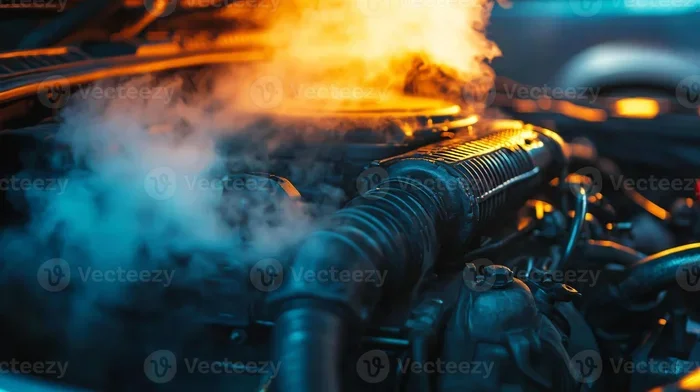
You just finished topping off your coolant, and everything seems fine. But a few days later, you notice steam creeping out from under the hood. Your temperature gauge is climbing into the red zone. You did everything right, or so you thought. So what went wrong?
Here is the surprising truth. Can too much coolant cause overheating? Absolutely. It sounds backwards, but flooding your cooling system with more coolant than it needs can actually make your engine run hotter, not cooler. This is a mistake many car owners make without even realizing it.
Your car’s cooling system is a carefully balanced setup. It relies on precise fluid levels, correct pressure, and proper airflow to keep your engine at a safe operating temperature. When you throw off that balance by adding too much coolant, you create a chain reaction of problems. From blown hose connections to a failing radiator cap, the damage can add up fast. In this article, we will walk you through exactly how overfilling happens, what symptoms to watch for, and how to fix it before it turns into a major repair bill.
Key Takeaways
- Overfilling coolant can cause overheating: Excess coolant creates pressure that pushes past seals and hoses, reducing system efficiency.
- Watch for warning signs: Steam from the hood, a rising temperature gauge, and coolant puddles under your car all point to overfilling problems.
- The reservoir has a max line for a reason: Coolant needs room to expand as the engine heats up, and exceeding that limit causes serious issues.
- Use the correct coolant mixture: A 50/50 ratio of antifreeze to water is the standard recommendation for most vehicles.
- Bleed the system properly: Air pockets trapped after filling can mimic overheating symptoms and damage the engine over time.
- Prevention is simple: Check the level regularly, use the right type of coolant, and never fill past the maximum mark.
📑 Table of Contents
- How the Cooling System Works and Why Fluid Levels Matter
- Can Too Much Coolant Cause Overheating: The Real Connection
- Common Symptoms of an Overfilled Coolant System
- What Happens to Other Parts When Coolant Is Overfilled
- The Right Way to Fill Your Coolant System
- Comparison: Correct Coolant Level vs. Overfilled Coolant System
- Common Mistakes That Lead to Overfilling
- When to See a Mechanic About Your Coolant System
- Quick Tips to Keep Your Coolant System Healthy
- Conclusion
How the Cooling System Works and Why Fluid Levels Matter
Before we dive into the problems, let us quickly understand how your cooling system actually works. Most people think coolant just sits in the engine and absorbs heat. But there is much more going on behind the scenes.
Your engine runs hot. We are talking temperatures that can exceed 200 degrees Fahrenheit. The cooling system uses a mixture of water and antifreeze to pull that heat away from the engine block. The heated fluid travels through hoses to the radiator, where air flowing through the fins cools it down. Then the cooled fluid cycles back through the engine to do it all over again.
A coolant reservoir stores extra fluid so there is room for expansion. When the engine warms up, the coolant expands and flows into the reservoir. When the engine cools down, the fluid contracts and gets pulled back into the system. This cycle depends on having the right amount of space inside the reservoir. Too little fluid means air gets sucked in. Too much fluid means there is no room for expansion.
The Role of the Coolant Reservoir
The coolant reservoir is that small plastic tank sitting near the radiator. It has two marks on the side: a minimum line and a maximum line. These marks are not suggestions. They are engineering limits based on how much your specific vehicle needs.
When the engine is cold, the coolant level should sit between the two marks. When the engine is warm, it may rise slightly closer to the max line. But if the level is above the max line even when cold, you have a problem. The excess fluid has nowhere to go when it expands.
Why the Pressure Cap Is So Important
Your radiator cap does more than just seal the system. It regulates pressure. A healthy cooling system operates under controlled pressure, which raises the boiling point of the coolant. This allows the fluid to stay liquid at higher temperatures without turning into steam.
When there is too much coolant, the expanding fluid pushes against the pressure cap. If the cap cannot release the excess, pressure builds up inside the system. This can force coolant out through the overflow hose, weaken hose connections, or even damage the cap itself. A failed pressure cap means the entire cooling system loses its ability to maintain proper pressure. And that leads directly to overheating.
Can Too Much Coolant Cause Overheating: The Real Connection
Now let us answer the big question head-on. Can too much coolant cause overheating? The short answer is yes, and here is exactly how it happens.
When you overfill the coolant reservoir, the excess fluid has no place to expand into. As the engine heats up, the coolant inside tries to expand. But the reservoir is already full. This creates increased pressure throughout the entire system. That pressure pushes coolant past the overflow hose and out of the system entirely.
Once coolant escapes, the level drops. A low coolant level means there is not enough fluid to absorb and carry away heat. The engine starts to run hot. And just like that, overfilling has caused the very problem you were trying to prevent.
Pressure Buildup and Its Effects
Excessive pressure inside the cooling system can cause several serious issues. The radiator hoses are designed to handle a specific pressure range. When pressure exceeds that range, hoses can bulge, crack, or burst. A burst hose means instant coolant loss and rapid engine overheating.
High pressure can also damage the water pump seals. The water pump circulates coolant through the engine, and it relies on tight seals to do its job. When pressure builds beyond normal levels, those seals can fail. Coolant leaks out, and the pump loses its ability to move fluid effectively.
Air Pockets and Their Hidden Danger
Overfilling can also trap air inside the system. Air pockets form when the coolant has no room to move freely. These pockets block the flow of fluid through the engine and radiator. Hot spots develop in areas that are supposed to be cooled by circulating fluid. Over time, those hot spots can warp engine components and cause the engine temperature gauge to spike.
Air pockets are especially dangerous because they do not always cause immediate symptoms. Your car might seem fine for a few days. Then suddenly, the temperature gauge climbs and steam starts pouring from under the hood. By that point, the damage could already be significant.
Common Symptoms of an Overfilled Coolant System
How do you know if you have put too much coolant in your car? The symptoms can be subtle at first, but they get worse over time. Here are the most common signs to watch for.
Steam or Coolant Leaks Under the Car
If you see steam coming from under your hood, pull over safely. Steam means coolant is escaping the system and hitting hot engine parts. This often happens when excess pressure forces coolant out through the overflow hose or a weakened connection.
Check the ground underneath your car. A bright green, orange, or pink puddle is a clear sign of a coolant leak. Do not ignore this. Even a small leak can drain the system enough to cause overheating.
Rising Temperature Gauge
Your dashboard has a temperature gauge that tells you how hot the engine is. If you notice the needle creeping into the hot zone after filling the coolant, that is a red flag. The gauge may spike and then drop, or it may stay steadily high. Either way, this means the cooling system is not working properly.
Swollen or Bulging Radiator Hoses
Take a look at your radiator hoses when the engine is cool. If they feel unusually firm or look swollen, excess pressure is likely the cause. Healthy hoses should feel slightly flexible but not rock-hard. Bulging hoses are a warning sign that the system is under too much pressure.
Coolant Smell Inside or Outside the Car
A sweet, syrupy smell inside the cabin or around the engine bay often means coolant is leaking somewhere. Overfilled systems push coolant out through tiny gaps in seals and connections. If you smell something sweet while driving, get under the hood and check the coolant level and condition.
Rattling or Gurgling Noises from the Engine
Air pockets trapped in the cooling system can create unusual sounds. You might hear a gurgling or bubbling noise coming from the dashboard or the engine area. These sounds mean the fluid is not flowing correctly, and your engine may not be getting proper cooling.
What Happens to Other Parts When Coolant Is Overfilled
Overfilling does not just affect the coolant reservoir. It can damage several other components in and around the cooling system. Here is a closer look at what is at risk.
The Thermostat
The thermostat regulates the flow of coolant through the engine. It opens and closes based on the engine’s temperature. When excess pressure and air pockets disrupt normal flow, the thermostat can get stuck. A stuck thermostat means coolant either flows too much or not enough, both of which lead to overheating problems.
The Head Gasket
This is the big one. The head gasket sits between the engine block and the cylinder head. It keeps coolant, oil, and combustion gases in their proper places. When cooling system pressure rises too high, it can stress the head gasket. A blown head gasket is one of the most expensive repairs a car owner can face. It can cause white smoke from the exhaust, milky oil, and severe engine overheating.
The Radiator and Cooling Fan
The radiator fan helps cool the fluid when the car is moving slowly or idling. Excess coolant can overflow onto the fan clutch or electrical connections, causing corrosion or electrical failures. A malfunctioning radiator fan means the engine cannot cool down properly, especially in stop-and-go traffic.
The Water Pump Seal
We mentioned this earlier, but it deserves its own attention. The water pump is the heart of the cooling system. It keeps fluid moving. High pressure from overfilling wears out the pump seal faster than normal. Once the seal fails, coolant leaks out and the pump cannot do its job. Engine overheating follows quickly.
The Right Way to Fill Your Coolant System
Prevention is always better than repair. Here is how to fill your coolant system correctly and avoid the problems we have discussed.
Step 1: Let the Engine Cool Completely
Never open the coolant reservoir or radiator cap when the engine is hot. The system is under pressure, and opening it can cause hot coolant to spray out and cause burns. Wait at least 30 minutes after turning off the engine before you check or fill the coolant.
Step 2: Check the Owner’s Manual
Every vehicle is different. Your owner’s manual will tell you the correct type of coolant and the exact capacity of the system. Some cars need a specific coolant mixture ratio, usually 50% antifreeze and 50% distilled water. Using the wrong type or ratio can cause corrosion and reduce cooling efficiency.
Step 3: Fill to the Correct Level
When filling the coolant reservoir, aim for the level between the minimum and maximum marks. Do not go past the max line. If you are unsure, fill to about 80% of the reservoir. This gives the fluid plenty of room to expand as the engine warms up.
Step 4: Bleed the System
After filling, it is important to bleed the cooling system to remove air pockets. Many modern cars have a bleed valve or a specific procedure for this. Check your owner’s manual for instructions. Running the engine with the heater on full blast for 10 to 15 minutes helps circulate the coolant and push out trapped air.
Step 5: Recheck the Level After Driving
Once the engine has cooled down again, check the coolant level one more time. Top off if needed, but always stay between the min and max marks. Make this a regular part of your vehicle maintenance routine.
Comparison: Correct Coolant Level vs. Overfilled Coolant System
It helps to see the difference side by side. Here is a simple comparison of what happens in each scenario.
| Aspect | Correct Coolant Level | Overfilled Coolant System |
|---|---|---|
| Pressure level | Normal, controlled pressure | Excessive pressure builds up |
| Coolant expansion room | Adequate space in reservoir | No room for expansion |
| Risk of leaks | Low | High, especially at hose connections |
| Air pockets | Minimal or none | Common, blocking fluid flow |
| Engine temperature | Stays within normal range | Can spike and cause overheating |
| Radiator cap lifespan | Lasts as designed | Wears out faster under excess pressure |
| Overall cooling efficiency | Optimal | Reduced, leading to heat buildup |
Common Mistakes That Lead to Overfilling
Knowing what not to do is just as important as knowing what to do. Here are the most common mistakes car owners make when adding coolant.
Mixing Coolant Types
Not all coolants are the same. There are different chemical formulas, and mixing them can create a gel-like substance that clogs the system. Always use the type recommended by your vehicle manufacturer.
Ignoring the Overflow Hose
The overflow hose carries excess coolant back to the reservoir when the system cools down. If this hose is cracked or clogged, coolant cannot return properly. This can make it seem like the system is overfilled when it is actually just not cycling correctly.
Topping Off Without Flushing
If your coolant is old and dirty, simply adding new coolant on top does not fix the problem. Old coolant loses its ability to transfer heat and can contain rust and debris that clog passages. A full coolant flush at the recommended interval keeps the system clean and efficient.
Forgetting to Check for Leaks
If you keep needing to add coolant, there is likely a leak somewhere. Overfilling to compensate for a leak is a temporary fix that can cause all the problems we have discussed. Always find and fix the source of a leak before simply topping off the fluid.
When to See a Mechanic About Your Coolant System
Some coolant issues are easy to handle at home. But there are times when you should let a professional take a look. If you notice any of the following, it is time to visit a mechanic.
- Your temperature gauge regularly climbs into the red zone
- You see steam or coolant puddles under your car frequently
- The coolant looks rusty, oily, or has a sludgy texture
- You hear persistent gurgling or boiling sounds from the engine
- You have tried bleeding the system but air pockets keep returning
- The radiator cap seems loose or does not seal properly
A mechanic can pressure-test the entire cooling system to find hidden leaks, check the thermostat and water pump operation, and make sure everything is working as it should. It is always better to catch a small problem early than to deal with a blown head gasket or a seized engine later.
Quick Tips to Keep Your Coolant System Healthy
- Check your coolant level once a month when the engine is cold
- Use distilled water when mixing coolant to avoid mineral buildup
- Never mix different coolant colors or types unless the manufacturer says it is safe
- Replace the radiator cap every 3 to 5 years as a preventive measure
- Flush the coolant according to your vehicle’s maintenance schedule
- Keep the radiator clean of debris so airflow is not blocked
- Listen to your engine and pay attention to any new sounds or smells
Conclusion
The answer to the question can too much coolant cause overheating is a clear and definitive yes. Overfilling your cooling system creates excess pressure, forces coolant out of the system, and reduces the system’s ability to regulate engine temperature. The damage can range from minor leaks to a catastrophic blown head gasket.
The good news is that prevention is simple. Check your coolant level regularly, fill to the correct mark, use the right type of coolant, and bleed the system after filling. These small habits can save you from expensive repairs and keep your engine running smoothly for years to come.
Your car depends on a healthy cooling system to do its job. Treat it with care, and it will return the favor. Do not let something as simple as overfilling the coolant reservoir turn into a major engine problem. Stay proactive, stay informed, and keep your car running at the right temperature.
Frequently Asked Questions
What happens if you put too much coolant in your car?
Excess coolant creates too much pressure inside the cooling system. This can force coolant out through the overflow hose, cause hose connections to leak, and reduce the system’s ability to cool the engine. Over time, it can also damage the radiator cap, water pump seals, and even the head gasket.
How do you fix an overfilled coolant reservoir?
Let the engine cool completely, then carefully open the reservoir cap and use a turkey baster or syringe to remove the excess coolant until the level sits between the min and max marks. Run the engine for a few minutes, let it cool again, and recheck the level. Make sure to bleed the system to remove any trapped air.
Can overfilling coolant cause the temperature gauge to rise?
Yes. When excess pressure builds up and coolant escapes the system, the remaining fluid level drops. This means less coolant is available to absorb heat, which causes the engine temperature gauge to rise. Air pockets from overfilling can also block proper coolant circulation, contributing to temperature spikes.
Is it okay to mix different types of coolant?
No. Mixing different coolant types can cause chemical reactions that create a gel-like substance. This can clog hoses, block the radiator, and reduce cooling efficiency. Always use the coolant type specified in your vehicle’s owner’s manual.
How often should you flush your coolant system?
Most manufacturers recommend a coolant flush every 30,000 to 50,000 miles, or every 2 to 5 years. Check your owner’s manual for the exact interval. Old coolant loses its protective properties and can become acidic, which damages internal components over time.
What is the correct coolant mixture ratio for most cars?
A 50/50 mix of antifreeze and distilled water is the standard recommendation for most vehicles. This ratio provides the best balance of freeze protection, boil-over protection, and heat transfer. In extremely cold climates, you may go up to 60% antifreeze, but never exceed a 70/30 ratio as it can actually reduce cooling efficiency.
=== SEO TITLE ===
Can Too Much Coolant Cause Overheating in Your Car?
=== META TITLE ===
Can Too Much Coolant Cause Overheating? Here’s Why
=== URL SLUG ===
can-too-much-coolant-cause-overheating