Can You Charge a Dead Car Battery Without a Charger
Can You Charge a Dead Car Battery without a charger? The answer is yes, and there are several practical methods you can try right now. Whether your car won’t start because of a dead battery, you have options like a jump start, a portable jump starter, or even a push start. Each method has its own benefits, and knowing them can save you time and money. This guide walks you through every reliable method in simple, easy-to-follow steps. You will also learn how to keep your battery healthy and avoid common mistakes that shorten your battery’s life.
There is nothing worse than turning your key and hearing nothing but silence. Your car won’t start, and you realize your battery is dead. Most people assume they need a car battery charger to fix this. But what if you do not have one? What if you are stranded on the side of the road with no charger in sight? Can You Charge a Dead Car Battery without a charger? Yes, you can. And there are several proven methods to get your car running again. This guide covers every practical option in detail, so you are never left stranded. Let us dive in and explore each method step by step.
Understanding how to handle a dead battery is an essential skill for every driver. Whether you are dealing with cold weather battery issues or simply forgot to turn off your headlights, knowing your options makes all the difference. You do not need to be a mechanic. You just need the right information and a little confidence. So let us break down each method and get you back on the road.
Key Takeaways
- Multiple Methods Work: You can charge a dead car battery without a traditional charger using jump starts, portable starters, push starts, and trickle charging methods.
- Safety Comes First: Always follow proper steps when handling a dead battery to avoid damage or injury.
- Know When to Replace: Some batteries are too old or damaged to hold a charge, and replacement is the better choice.
- Prevention Is Key: Regular battery maintenance can prevent you from ever facing a dead battery situation.
- Portable Tools Help: A portable jump starter is a small investment that can save you from roadside trouble.
- Cold Weather Matters: Low temperatures reduce battery capacity, so extra care is needed in winter months.
- Check Your Alternator: A faulty alternator can cause repeated battery drain even after charging.
📑 Table of Contents
- What Happens When Your Car Battery Dies
- Can You Charge a Dead Car Battery Without a Charger?
- Comparison of Methods
- How to Tell if Your Battery Is Truly Dead
- Common Mistakes People Make with Dead Batteries
- Expert Tips for Keeping Your Battery Healthy
- When to Replace Your Battery Instead of Charging
- Quick Tips for Emergency Situations
- Final Thoughts
What Happens When Your Car Battery Dies
Before we look at solutions, it helps to understand what is happening. Your car battery provides the electrical power needed to start the engine. When the battery dies, your battery voltage drops too low to power the starter motor. This means the engine simply will not turn over. But why does a battery die in the first place?
Several factors can drain your battery. Leaving lights on is the most common cause. But other issues play a role too. A faulty alternator may fail to recharge the battery while you drive. Extreme cold temperatures slow down the chemical reactions inside the battery. And over time, every battery reaches the end of its battery lifespan. Battery sulfation can also build up inside the battery, reducing its ability to hold a charge. Understanding these causes helps you prevent future problems.
The good news is that a dead battery does not always mean a dead battery. In many cases, the battery still has enough remaining charge to be revived. The key is knowing the right method to use. Let us explore your options now.
Can You Charge a Dead Car Battery Without a Charger?
The short answer is absolutely yes. You do not need a traditional car battery charger to bring a dead battery back to life. Several alternative methods work just as well, and some you can do right from your driveway. Below, we walk through each method in detail so you can choose the one that fits your situation best.
Method 1: Jump Start Using Another Vehicle
The most popular way to revive a dead battery is a jump start. This method uses another vehicle’s battery to provide the power boost your dead battery needs. Here is how to do it safely.
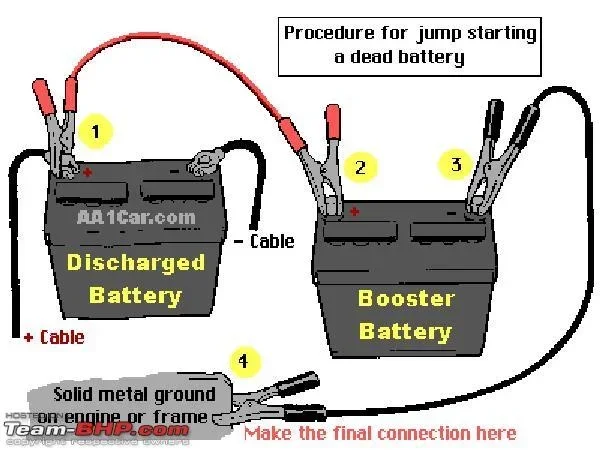
First, park the working vehicle close to yours. Make sure both cars are turned off. Open the hoods and locate the battery terminals on each vehicle. You will see a positive terminal marked with a plus sign and a negative terminal marked with a minus sign. Now follow these steps:
- Connect the red clamp to the positive terminal of the dead battery.
- Connect the other red clamp to the positive terminal of the working battery.
- Connect the black clamp to the negative terminal of the working battery.
- Connect the other black clamp to an unpainted metal surface on your car’s engine block.
- Start the working vehicle and let it run for a few minutes.
- Try starting your car. If it starts, let it run for at least 15 minutes.
Always remove the cables in reverse order. This method works great in emergencies and is something most drivers can do with a basic jump starter cable set. Just be careful not to let the clamps touch each other during the process.
Method 2: Use a Portable Jump Starter
A portable jump starter is a compact device that fits in your trunk. It acts like a mini battery that can start your car without needing another vehicle. These devices are affordable and incredibly convenient. You simply clip the clamps to your battery terminals and press the power button.
Portable jump starters come with built-in safety features. Many include USB ports so you can also charge your phone. They are perfect for roadside assistance situations where no other car is around. Keep one in your trunk, and you will never worry about a dead battery again. They cost between 30 and 100 dollars, making them a smart investment for any driver.
Method 3: Try a Push Start (Bump Start)
If you have a manual transmission car, you can try a push start. This method uses the momentum of the wheels to turn the engine. It works best on flat ground or a slight downhill slope.
First, turn the ignition to the on position. Have a friend push the car or let it roll down a gentle hill. Once the car reaches walking speed, release the clutch quickly. The engine should turn over and start. This method does not work for automatic transmission vehicles. It also works best when the battery still has a small amount of charge left. A completely dead battery may not respond to this method.
Method 4: Trickle Charge From a Power Source
If you have access to a wall outlet, you can use a trickle charger to slowly recharge your battery. A trickle charger delivers a low, steady current over several hours. This gentle approach is safe and helps extend your battery health. You simply connect the charger to your battery terminals and plug it into a standard outlet.
Trickle chargers are ideal if you plan to leave your car parked for a long time. They prevent the battery from draining completely. Some smart chargers even automatically stop charging when the battery is full, so you do not have to worry about overcharging. This method takes patience, but it is one of the safest ways to restore a dead battery.
Comparison of Methods
| Method | Cost | Difficulty | Time Required | Best For |
|---|---|---|---|---|
| Jump Start | Free if you have cables | Easy | 10 20 minutes | Emergency situations |
| Portable Jump Starter | 30 100 dollars | Very Easy | 5 minutes | Solo drivers |
| Push Start | Free | Moderate | 5 10 minutes | Manual transmission cars |
| Trickle Charger | 20 50 dollars | Easy | 4 24 hours | Long term battery care |
Each method has its place. A jump start is your best friend in a sudden emergency. A portable jump starter gives you independence and peace of mind. A trickle charger is perfect for ongoing battery maintenance. Choose the method that fits your situation and tools available.
How to Tell if Your Battery Is Truly Dead
Before you try any method, you need to know if your battery is truly dead or just weak. A weak battery can still be saved, but a dead one might need replacement. Here are some signs to look for.
If you turn the key and hear a clicking sound but the engine does not start, your battery likely has some charge left. If you hear nothing at all, the battery may be completely dead. You can also check the battery voltage with a multimeter. A healthy battery should read around 12.6 volts. Anything below 12.0 volts means the battery is weak. Below 11.8 volts, and the battery is likely too far gone to recover.
Look at the battery terminals too. Corroded terminals can prevent electricity from flowing properly. If you see a white or greenish buildup on the terminals, clean them with a mixture of baking soda and water. Sometimes a simple cleaning is all it takes to restore the connection. Always wear gloves and eye protection when handling batteries.
Common Mistakes People Make with Dead Batteries
When you are frustrated and just want your car to start, mistakes happen. Here are the most common errors drivers make when dealing with a dead battery.
- Forgetting to turn off all electronics. Before attempting a jump start, make sure your headlights, radio, and air conditioning are off. This reduces the strain on both batteries.
- Connecting cables in the wrong order. Always connect positive first, then negative. Removing them in the wrong order can cause sparks and damage.
- Letting the car run for too short a time. After a jump start, drive for at least 15 to 20 minutes. This gives the alternator time to recharge the battery.
- Ignoring corroded terminals. Dirty terminals block the electrical connection. Clean them before attempting any charging method.
- Trying to jump start a frozen battery. Never attempt a jump start if the battery is frozen. This can cause an explosion. Let the battery thaw first.
Avoiding these mistakes keeps you safe and protects your vehicle. Take your time and follow each step carefully.
Expert Tips for Keeping Your Battery Healthy
Prevention is always better than cure. A few simple habits can extend your battery lifespan and keep you from facing a dead battery in the first place. Here are expert-backed tips that actually work.
- Drive your car regularly. Short trips do not give the alternator enough time to fully recharge the battery. Try to take longer drives at least once a week.
- Check battery water levels. If your battery has removable caps, check the electrolyte levels monthly. Top off with distilled water if needed.
- Keep the battery clean. Wipe down the terminals and casing regularly. Dirt and moisture accelerate corrosion.
- Use a battery maintainer during winter. Cold weather is the biggest enemy of car batteries. A maintainer keeps the charge steady during long periods of inactivity.
- Turn off all lights and accessories before shutting off the engine. This small habit prevents unnecessary drain over time.
- Get your battery tested annually. Most auto parts stores offer free battery testing. This helps you catch weak batteries before they fail completely.
These tips are simple but powerful. They can add years to your battery’s life and save you from unexpected breakdowns.
When to Replace Your Battery Instead of Charging
Sometimes a dead battery cannot be saved. Knowing when to replace it is just as important as knowing how to charge it. Here are clear signs that replacement is the better choice.
If your battery is more than three to five years old, it may not hold a charge anymore. A rechargeable battery has a limited number of charge cycles. Once those cycles are used up, no amount of charging will restore full capacity. If you notice the battery swelling or cracking, replace it immediately. A damaged battery is a safety risk.
Also, if you jump start the car and it dies again within a few hours, the battery is likely beyond recovery. The alternator might also be the culprit at this point. A failing alternator cannot recharge the battery while you drive. In this case, you need to fix the alternator and possibly replace the battery. Consult a trusted mechanic if you are unsure.
Quick Tips for Emergency Situations
When you are in a crunch, these quick tips can make all the difference:
- Keep a set of jumper cables in your trunk at all times.
- Invest in a portable jump starter. It fits in your glove box.
- Always carry the phone number of a local roadside assistance service.
- Know where your battery is located before you need it.
- Share these methods with a friend or family member who drives.
Being prepared turns a stressful situation into a quick fix. You will feel confident and capable when the unexpected happens.
Final Thoughts
Can You Charge a Dead Car Battery without a charger? Absolutely. Whether you use a jump start, a portable jump starter, a push start, or a trickle charger, you have real options. Each method is practical and accessible. You do not need expensive tools or professional help. A little knowledge and the right approach go a long way.
Remember that prevention plays a huge role too. Regular battery maintenance and smart driving habits keep your battery strong for years. And when the time comes to replace the battery, do not hesitate. A new battery is a small price for peace of mind on the road. Stay prepared, stay safe, and never let a dead battery ruin your day.
Frequently Asked Questions
Is It Safe to Jump Start a Dead Battery?
Yes, jump starting is safe when you follow the correct steps. Always connect the cables in the right order and never let the clamps touch each other. If the battery is frozen or leaking, do not attempt a jump start. Wait for professional help instead.
How Long Should I Drive After a Jump Start?
Drive for at least 15 to 20 minutes after a jump start. This gives the alternator enough time to recharge the battery. If you turn the car off too soon, the battery may not have enough charge to start again.
Can a Portable Jump Starter Damage My Battery?
No, a portable jump starter will not damage your battery when used correctly. These devices are designed to deliver a safe burst of power. Just make sure the device matches your battery type and follow the manufacturer’s instructions.
How Do I Know if My Battery Is Too Old to Charge?
Check the age of your battery. If it is more than five years old and struggles to hold a charge, replacement is likely the best option. A mechanic can also test the battery’s load capacity to give you a definitive answer.
Does Cold Weather Kill Car Batteries?
Cold weather does not kill batteries directly, but it reduces their capacity significantly. The chemical reactions inside the battery slow down in low temperatures. This is why batteries are more likely to die in winter. Using a battery maintainer during cold months helps prevent this.
What Is the Difference Between a Trickle Charger and a Regular Charger?
A trickle charger delivers a low, steady current over a long period. A regular charger charges the battery faster but requires more monitoring. Trickle chargers are safer for long-term use and help maintain battery health without the risk of overcharging.