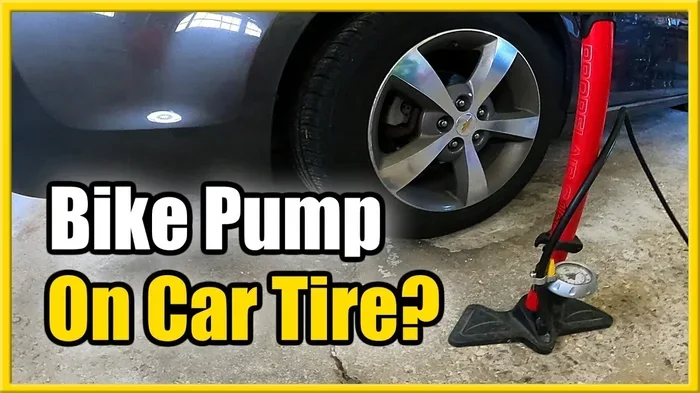
Can You Pump a Car Tire With a Bike Pump in Seconds
Yes, you can pump a car tire with a bike pump, but it takes time and the right setup. A standard bike pump works best when paired with a valve adapter and some patience. This guide shows you exactly how to inflate a car tire using a bike pump safely and effectively.
Have you ever been stuck with a flat car tire and only a bike pump nearby? It is a frustrating situation, but the good news is that you can pump a car tire with a bike pump. Many drivers face this exact problem on the roadside or in their garage. The question can you pump a car tire with a bike pump comes up often, and the answer is a clear yes. However, there are important things you need to know before you start.
Using a bike pump for a car tire is not the same as using a regular air compressor. It takes more time, more effort, and the right tools. In this guide, we will walk you through everything you need to know. From valve types to step-by-step instructions, you will have all the details to handle this task with confidence. Whether it is an emergency or a curious experiment, this article covers it all.
Key Takeaways
- It is possible: You can pump a car tire with a bike pump, but it requires more effort and time than a standard air compressor.
- Valve compatibility matters: Most car tires use Schrader valves, which are the same type found on bike tires, making connection easier.
- Use the right adapter: A Presta-to-Schrader adapter or a dual-head bike pump eliminates compatibility issues.
- Floor pumps work best: A high-volume bike floor pump is far more efficient than a mini hand pump for car tires.
- Know your PSI: Car tires typically need 32 to 35 PSI, while bike tires need much less, so always check the recommended pressure first.
- It is a backup solution: A bike pump works great for emergencies but is not ideal for regular car tire maintenance.
- Safety first: Never overinflate and always check for leaks after pumping.
📑 Table of Contents
- Can You Actually Pump a Car Tire With a Bike Pump?
- How Car Tire and Bike Tire Valves Differ
- Step-by-Step: Pumping a Car Tire With a Bike Pump
- Types of Bike Pumps That Can Handle Car Tires
- Pros and Cons of Using a Bike Pump for Car Tires
- When to Use a Bike Pump for Your Car Tire
- Key Takeaways
- FAQ
- Conclusion
Can You Actually Pump a Car Tire With a Bike Pump?
The short answer is yes. A bike pump can inflate a car tire, but the process is slower and more physically demanding. Car tires hold much more air than bike tires. A typical car tire needs about 32 to 35 PSI, which stands for pounds per square inch. A standard bike tire might only need 30 to 80 PSI depending on the type, but the volume of air is much smaller.
This means your bike pump has to move a lot more air to fill a car tire. A floor pump or a hand pump with a large barrel will work much better than a tiny portable bike pump. The key is choosing the right type of pump and having the correct valve adapter on hand.
What Makes This Possible
Both car tires and bike tires use air valves to hold pressure. The most common valve on car tires is the Schrader valve. You will also find Schrader valves on many mountain bikes. This shared design is what makes it possible to use a bike pump on a car tire. The pump connects to the valve, and air flows into the tire.
However, some bike tires use a Presta valve. These are narrower and have a small nut on top. You cannot connect a Presta valve directly to a car tire. You will need a valve adapter to convert the Presta to a Schrader-style connection. This small metal piece is inexpensive and easy to carry in your glove box.
The Physics of Tire Inflation
Here is a simple way to think about it. Imagine filling a swimming pool with a garden hose versus a straw. The garden hose fills the pool fast because it moves a lot of water at once. A straw would eventually fill the pool too, but it would take forever. A bike pump is like the straw, and an air compressor is like the garden hose.
Car tires need a large volume of air at high pressure. A bike pump can deliver that air, but it does so in smaller amounts per stroke. This is why pumping a car tire with a bike pump takes significantly longer. Plan for about 10 to 20 minutes of steady pumping, depending on how flat the tire is.
Quick Tips
- Use a floor pump: It has a larger barrel and requires fewer strokes.
- Check the PSI rating: Make sure your pump can handle at least 35 PSI.
- Keep the valve clean: Dirt around the valve can cause air leaks.
- Pump in short bursts: This prevents overheating the pump mechanism.
- Have a pressure gauge: Always verify the pressure as you go.
How Car Tire and Bike Tire Valves Differ
Understanding tire valves is essential before you start pumping. The valve is the small protrusion on the rim where you attach the pump. There are two main types, and knowing the difference saves time and frustration.
Schrader Valves
The Schrader valve is the most common type found on car tires. It is the same valve you see on most standard bike tires, especially on mountain bikes and city bikes. Schrader valves are wide and have a spring-loaded pin in the center. When you press the pump head onto the valve, it depresses this pin and allows air to flow in.
These valves are simple and reliable. They work with almost all bike pumps without any adapter. If your car tire has a Schrader valve, you are already halfway there. Just attach the pump and start pumping.
Presta Valves
Presta valves are commonly found on road bikes and some hybrid bikes. They are narrower than Schrader valves and have a small nut at the top that you must loosen before pumping. Presta valves cannot be used directly on car tires because the opening is too small.
To use a bike pump with a Presta valve on a car tire, you need a Presta-to-Schrader adapter. This small piece screws onto the Presta valve and converts it to a Schrader-compatible fitting. These adapters weigh almost nothing and cost just a few dollars.
Comparison: Car Tire Valves vs Bike Tire Valves
| Feature | Car Tire Valve | Bike Tire Valve (Schrader) | Bike Tire Valve (Presta) |
|---|---|---|---|
| Width | Wide | Wide | Narrow |
| Spring Mechanism | Yes | Yes | No (manual nut) |
| Compatible with Bike Pump | Yes | Yes | With adapter only |
| Typical PSI Range | 32-35 PSI | 30-80 PSI | 80-130 PSI |
| Air Volume Needed | High | Low | Low |
| Adapter Required | No | No | Yes |
Common Mistakes
- Forgetting to check the valve type: This leads to a poor seal and air leaks.
- Using a pump with low PSI capacity: Some mini bike pumps cannot reach 35 PSI.
- Not tightening the Presta nut: Air escapes if the nut stays loose.
- Ignoring the pressure gauge: Overinflation can be dangerous.
- Rushing the process: Pumping too fast causes heat buildup and pump damage.
Step-by-Step: Pumping a Car Tire With a Bike Pump
Now that you understand the basics, let us walk through the actual process. Follow these steps carefully for safe and effective tire inflation.
Step 1: Gather Your Tools
Before you start, make sure you have everything ready. You will need your bike pump, a valve adapter if the valve is Presta, and a tire pressure gauge. It helps to have a towel and a flat surface to work on.
Step 2: Find the Valve Stem
Locate the valve stem on the car tire. It is usually on the inner side of the wheel rim. Remove the valve cap and set it aside in a safe place. Check the valve for any dirt or debris and wipe it clean with a cloth.
Step 3: Attach the Pump
If your bike pump has a dual-head design, switch it to the Schrader setting. Press the pump head firmly onto the valve stem. You should feel the spring pin compress. If using a Presta valve, screw on the adapter first, then attach the pump.
Step 4: Start Pumping
Begin pumping with steady, even strokes. Use your full body weight on the handle if you are using a floor pump. Keep an eye on the pressure gauge as you go. Stop pumping once you reach the recommended PSI for your car, which is usually printed on a sticker inside the driver door frame.
Step 5: Check the Pressure
After you finish pumping, detach the pump and check the pressure with a tire pressure gauge. If it is slightly under, add a few more strokes. If it is over, release a small amount of air by pressing the valve pin gently.
Step 6: Replace the Valve Cap
Once the tire is at the correct pressure, screw the valve cap back on. This protects the valve from dirt and moisture. Double-check that the cap is tight.
Expert Insights
Automotive experts recommend always carrying a portable tire inflator in your trunk. A bike pump works as a great backup, but a compact 12-volt air compressor is faster and more convenient for regular use. Many modern portable inflators are small enough to fit under a seat or in a trunk compartment.
Types of Bike Pumps That Can Handle Car Tires
Not all bike pumps are created equal. Some are designed specifically for bike tires and cannot reach the PSI needed for car tires. Here are the types that work best for this task.
Floor Pumps
A bike floor pump is the best option for inflating car tires. These pumps have a large barrel that moves a significant volume of air with each stroke. They also have high PSI ratings, typically up to 160 PSI or more, which easily covers the 32 to 35 PSI needed for most car tires.
Floor pumps are stable and do not require you to hold them in place. This makes the tire inflation process much faster and less tiring. Look for a floor pump with a dual-head design that fits both Schrader and Presta valves.
Portable Hand Pumps
A compact hand pump is a good backup option. These are small enough to carry in a backpack or glove box. However, they have a smaller barrel, which means more strokes and more effort. Choose a hand pump rated for at least 50 PSI to ensure it can handle car tire pressure.
Some portable pumps come with a built-in LED light and a USB charging port. These features are handy for emergency situations, especially if you get a flat tire at night.
CO2 Inflators
CO2 inflators use small cartridges of carbon dioxide to inflate tires quickly. They are popular among cyclists because they are fast and lightweight. However, they are not ideal for car tires. A single CO2 cartridge does not hold enough air to fully inflate a car tire. You would need multiple cartridges, which makes this option expensive and impractical.
Pros and Cons of Using a Bike Pump for Car Tires
Like any solution, using a bike pump for car tires has its advantages and limitations. Understanding both helps you decide if this approach works for your situation.
Advantages
- Always available: Many people already own a bike pump at home.
- Portable and lightweight: Hand pumps are easy to carry on road trips.
- No electricity needed: You can pump a tire anywhere, even in remote areas.
- Saves money: You avoid calling a roadside assistance service for a simple flat.
- Good for emergencies: A bike pump can get you to the nearest gas station or repair shop.
- Multi-purpose: The same pump works for your bike tires too.
Limitations
- Time-consuming: Pumping a car tire with a bike pump takes 10 to 20 minutes of continuous effort.
- Physical effort: It can be tiring, especially with a small hand pump.
- Limited PSI on mini pumps: Some portable bike pumps cannot reach the PSI needed for car tires.
- Not ideal for regular use: An air compressor is much faster for routine tire maintenance.
- Risk of overinflation: Without a good pressure gauge, it is easy to add too much air.
Quick Tips for Better Results
- Warm up the tire first: A slightly warm tire accepts air more easily.
- Use a pump with a pressure gauge: This eliminates guesswork and prevents overinflation.
- Pump on a flat surface: This ensures the tire stays stable while you work.
- Lubricate the valve: A tiny bit of soapy water on the valve stem helps create a better seal.
- Take breaks: Rest your arms every few minutes to avoid fatigue.
When to Use a Bike Pump for Your Car Tire
Knowing when a bike pump is the right tool makes all the difference. Here are the best scenarios where using a bike pump for your car tire makes sense.
Emergency situations: You get a flat tire on a remote road with no gas station or air pump nearby. A bike pump in your trunk can save the day and get you to safety.
Slow leaks: If your tire loses air slowly over a few days, a bike pump is perfect for topping it off. You do not need a full compressor for a small top-up.
Home garage use: If your air compressor is broken or you do not own one, a floor pump works well for routine tire inflation at home.
Road trips: Carrying a portable bike pump as part of your emergency kit adds peace of mind. It weighs very little and takes up minimal space.
Cold weather: In winter, tire pressure drops. A bike pump lets you quickly add air at home before heading out on a cold morning.
Common Mistakes to Avoid
- Using the wrong pump head: Make sure the pump head matches your valve type.
- Overinflating the tire: Always check the recommended PSI on the door sticker or owner manual.
- Ignoring leaks: If the tire goes flat again quickly, there may be a puncture that needs repair.
- Using a damaged pump: A leaky pump handle wastes your effort and time.
- Forgetting the valve cap: Always replace the cap after inflation to protect the valve.
Expert Insights: When to Choose a Different Tool
Most tire professionals agree that a bike pump is an excellent emergency tool but not a replacement for a proper air compressor. If you drive regularly, investing in a small 12-volt compressor for your car is a smart move. These compressors plug into your cigarette lighter and can inflate a car tire in just a few minutes. However, for occasional use and emergencies, a bike pump does the job well.
Key Takeaways
- Yes, you can pump a car tire with a bike pump: It works well with the right pump type and valve setup.
- Schrader valves are compatible: Most car tires and many bike tires share the same valve design.
- A floor pump is the best choice: It moves more air per stroke and reaches car tire PSI easily.
- Always check your PSI: Car tires typically need 32 to 35 PSI. Use a pressure gauge to avoid overinflation.
- Prepare your tools beforehand: Have your pump, adapter, and gauge ready before you start.
- It is a backup solution: A bike pump is great for emergencies but not ideal for regular maintenance.
- Safety matters: Never exceed the recommended pressure and always inspect the tire after inflating.
FAQ
Can I use any bike pump to inflate a car tire?
Not every bike pump is suitable for car tires. You need a pump that can reach at least 35 PSI. Most floor pumps and many hand pumps meet this requirement. Mini bike pumps designed only for low-pressure bike tires may not have enough power to inflate a car tire properly.
How long does it take to pump a car tire with a bike pump?
It typically takes 10 to 20 minutes of continuous pumping, depending on how flat the tire is and the type of pump you use. A floor pump with a large barrel works faster than a small hand pump. Plan for extra time if you are using a portable bike pump with a narrow barrel.
Do I need a valve adapter to pump a car tire with a bike pump?
You only need an adapter if the car tire has a Presta valve, which is rare. Most car tires use Schrader valves, which are the same type found on standard bike tires. In that case, no adapter is needed, and you can connect the pump directly.
Is it safe to pump a car tire with a bike pump?
Yes, it is safe as long as you follow the correct steps. Always check the recommended PSI and never exceed it. Use a tire pressure gauge to monitor the pressure as you pump. Stop immediately if you hear a hissing sound, which indicates a leak or poor seal.
Can a CO2 inflator work for car tires?
CO2 inflators are designed for bike tires and work poorly for car tires. A single CO2 cartridge does not contain enough air to fully inflate a car tire. You would need multiple cartridges, which makes this option impractical and expensive for car tire use.
What is the best bike pump for car tires?
A high-volume floor pump is the best choice. Look for one with a PSI rating of at least 50 to 100 PSI and a dual-head design that fits both Schrader and Presta valves. Popular brands like Topeak, Lezyne, and Blackburn make excellent models that handle car tires with ease.
Conclusion
The answer to can you pump a car tire with a bike pump is a confident yes. It is entirely possible, and many drivers have done it successfully in emergency situations. A bike pump is a versatile tool that can handle more than just bicycle tires. With the right setup, a little patience, and some basic knowledge, you can inflate a car tire without needing a full-size air compressor.
Remember to check your valve type, use the correct adapter if needed, and always monitor your tire pressure as you pump. A floor pump is the most efficient choice, but even a small hand pump gets the job done in a pinch. The key is preparation. Keep a bike pump, a valve adapter, and a pressure gauge in your car, and you will be ready for almost any tire emergency.
Next time you find yourself with a flat tire and a bike pump nearby, you will know exactly what to do. Stay calm, follow the steps, and get back on the road safely. Pumping a car tire with a bike pump is a practical skill that every driver can benefit from knowing.