Auto Tint: Everything You Need to Know Before Buying
Auto tint is one of the best upgrades you can make for your vehicle. It blocks harmful UV rays, reduces heat, and adds privacy to your car. This guide covers everything from tint types and costs to legal laws and installation tips. Whether you are a first-time buyer or replacing old tint, you will find all the answers here.
You have probably seen cars driving down the road with dark, sleek windows. That dark finish is called auto tint, and it is more popular than ever. People tint their windows for many reasons. Some want to stay cooler in summer. Others care about privacy or protecting their skin from the sun. Whatever your reason, auto tint can make a real difference in how your car feels and looks.
But buying auto tint is not as simple as picking the darkest shade you can find. There are different types of tint film, various price ranges, and strict legal rules you must follow. Choosing the wrong tint can lead to bubbling, peeling, or even a ticket from law enforcement. That is exactly why this guide exists.
In this article, we will walk you through everything you need to know about auto tint before spending a single dollar. You will learn about the different film types, what they cost, how the installation process works, and what the law says in your area. By the end, you will feel confident and ready to make the best decision for your vehicle.
Key Takeaways
- Multiple tint types exist: dyed, metalized, carbon, and ceramic tints each offer different benefits and price points.
- Legal limits vary by state: always check your local tint laws before purchasing to avoid fines or removal orders.
- Ceramic tint is the premium choice: it offers superior heat rejection and UV protection without interfering with electronics.
- Professional installation is recommended: DIY kits save money but often lead to bubbles, peeling, and poor results.
- Auto tint costs range from $100 to $400+ per window: your choice of film and installation method affects the final price.
- Tint percentage matters: lower VLT means darker tint, and different windows have different legal limits.
- Quality tint lasts 5 to 10 years: a good warranty protects you from bubbling, fading, and peeling over time.
📑 Table of Contents
- What Is Auto Tint and Why Do People Use It?
- Types of Auto Tint Film Explained
- Benefits of Installing Auto Tint
- Auto Tint Cost: What You Should Expect
- Legal Tint Laws: What You Need to Know
- How to Choose the Right Auto Tint for Your Vehicle
- Common Auto Tint Mistakes to Avoid
- Quick Tips for the Best Auto Tint Experience
- Conclusion
What Is Auto Tint and Why Do People Use It?
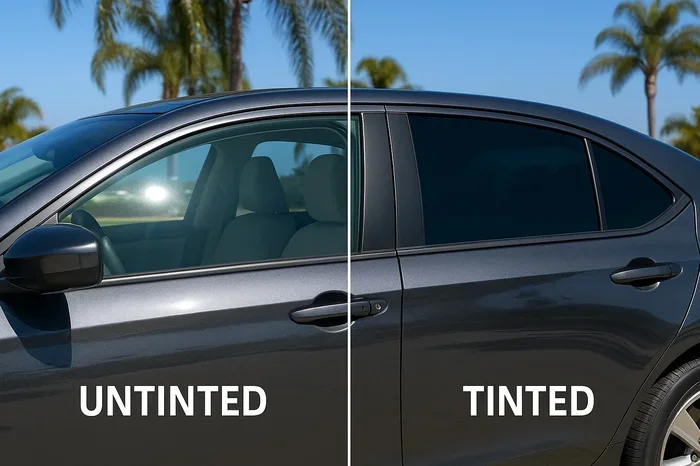
Auto tint, also known as car window tint or window film, is a thin laminate film applied to the glass surfaces of a vehicle. The film comes in rolls and is cut to fit each window precisely. Once applied, it sticks directly to the inside of your car windows. The result is a tinted look that changes the appearance and function of your vehicle’s glass.
People tint their car windows for a variety of practical and aesthetic reasons. Let us break down the most common benefits:
- Heat reduction: auto tint blocks a significant amount of solar energy. This keeps your car interior cooler on hot days.
- UV protection: harmful ultraviolet rays can damage your skin and fade your dashboard and seats. Tint film blocks up to 99 percent of UV rays.
- Glare reduction: driving with the sun or headlights glaring into your eyes is dangerous. Tint film reduces this glare significantly.
- Privacy and security: darker tint makes it harder for people outside to see into your car. This protects your belongings.
- Interior protection: sun exposure can crack and fade your seats, steering wheel, and console over time. Tint helps preserve your interior.
- Safety: in the event of a broken window, tint film can help hold glass pieces together, reducing the risk of injury.
These benefits make auto tint a worthwhile investment for almost any vehicle owner. Whether you drive a daily commuter or a luxury SUV, the right tint film adds real value.
Types of Auto Tint Film Explained
Not all auto tint films are created equal. There are several types available on the market, and each one has its own strengths and weaknesses. Understanding these differences is key to choosing the right film for your needs and budget.
Dyed Auto Tint
Dyed tint is the most basic and affordable option. It uses a layer of dye between the adhesive and a protective scratch coat. The dye absorbs solar heat and blocks some light. Dyed auto tint is great for budget-conscious buyers who want a basic level of heat reduction and a dark look.
However, dyed tint has downsides. It tends to fade over time, turning purple or bluish. It also offers less heat rejection compared to more advanced films. If you are looking for a short-term or budget solution, dyed tint can work. But for long-lasting performance, you may want to look at better options.
Metalized Auto Tint
Metalized tint contains tiny metallic particles embedded in the film. These particles reflect heat and UV rays away from your car. Metalized auto tint is more durable than dyed tint and does not fade easily. It also adds strength to your windows, making them more shatter-resistant.
The downside is that metal particles can interfere with electronic signals. If you use GPS, Bluetooth, or mobile phone connectivity inside your car, metalized tint may cause interference. It also tends to have a shiny, reflective appearance that some people find less appealing.
Carbon Auto Tint
Carbon tint is a popular middle-ground option. It does not contain metal, so it will not interfere with your electronics. Carbon auto tint offers excellent heat rejection and a matte finish that does not fade over time. The matte black look also gives your car a sleek, modern appearance.
Carbon film is more expensive than dyed tint but more affordable than ceramic options. For many car owners, carbon tint hits the sweet spot between performance and cost. It is a solid choice if you want good quality without paying premium prices.
Ceramic Auto Tint
Ceramic tint is the top-of-the-line option. It uses nano-ceramic particles to block heat and UV rays without any metal or dye. Ceramic auto tint offers the highest level of heat rejection available. It also provides excellent clarity, meaning your view through the window stays clear and unobstructed.
Ceramic tint does not interfere with electronics, fades, or bubble easily. It is also the most expensive option. If you want the best performance and are willing to invest, ceramic auto tint is the way to go. Many premium car owners and those in hot climates swear by this type of film.
| Tint Type | Heat Rejection | UV Protection | Signal Interference | Durability | Price Range |
|---|---|---|---|---|---|
| Dyed | Low to Medium | Good | None | Low (fades over time) | $50 – $150 per window |
| Metalized | Medium to High | Good | Yes | High | $100 – $200 per window |
| Carbon | High | Excellent | None | High | $150 – $250 per window |
| Ceramic | Very High | Excellent | None | Very High | $200 – $400+ per window |
Benefits of Installing Auto Tint
Beyond the aesthetic appeal, auto tint offers a wide range of practical benefits that make it a smart investment for any vehicle owner.
Keep Your Car Cooler in Summer
One of the biggest advantages of auto tint is heat rejection. When sunlight hits your car, the interior absorbs that energy and turns your car into an oven. Tint film blocks a large portion of that solar energy before it enters your vehicle. With quality tint, your car interior can be 15 to 30 degrees cooler than untreated windows. This means a more comfortable driving experience and less reliance on your air conditioning system.
Protect Your Skin and Health
Did you know that UV rays can pass through car windows and damage your skin? Prolonged exposure to UV radiation while driving can increase your risk of skin damage and even skin cancer. Auto tint blocks up to 99 percent of harmful UV rays, protecting you and your passengers during every drive. This is especially important for people who spend a lot of time on the road.
Preserve Your Car’s Interior
Sun damage is one of the biggest enemies of your car’s interior. Dashboards crack, seats fade, and leather dries out over time. Auto tint acts as a shield, blocking UV rays and reducing heat that cause this damage. A good tint can help your interior look newer for years longer, saving you money on repairs and replacements.
Add Privacy and Security
Tinted windows make it harder for people to see inside your car. This adds a layer of privacy when you park in public areas. It also protects your valuables from prying eyes. If someone cannot see your laptop bag, gym bag, or personal items, they are less likely to target your car for theft.
Auto Tint Cost: What You Should Expect
The cost of auto tint varies widely depending on several factors. Understanding these factors helps you set a realistic budget and avoid surprises.
Factors That Affect Auto Tint Cost
- Type of film: ceramic tint costs significantly more than dyed tint. Your film choice is the biggest factor in overall cost.
- Number of windows: tinting all windows costs more than tinting just the front or rear windows.
- Vehicle type: larger vehicles like trucks and SUVs have more glass, which increases the total cost.
- Installation quality: professional installation costs more than DIY kits but delivers far better results and longevity.
- Brand of film: premium brands with lifetime warranties cost more than budget options.
- Your location: labor costs vary by region. Urban areas typically charge more than rural areas.
Average Price Ranges
For a standard sedan, full auto tint installation typically costs between $200 and $600. For larger vehicles, expect to pay $300 to $800 or more. DIY tint kits can be found for as low as $50 to $150 per window, but the quality and longevity are often much lower. Professional installation is almost always the better long-term investment.
Keep in mind that the cheapest option is not always the best value. A poorly installed budget tint may bubble and peel within a year, costing you more in the long run. Investing in quality film and professional installation saves money over time.
Legal Tint Laws: What You Need to Know
Before you buy auto tint, you need to understand the legal rules in your area. Tint laws vary by state, county, and even city. Ignorance of the law is not an excuse, and getting caught with illegal tint can result in fines and mandatory removal.
Visible Light Transmission (VLT)
Tint laws are based on Visible Light Transmission, or VLT. VLT measures how much light the tint allows to pass through the glass. A higher VLT means a lighter tint. A lower VLT means a darker tint. For example, a 50 percent VLT tint allows 50 percent of light through, while a 5 percent VLT tint allows only 5 percent through.
Each state sets its own legal VLT limits for different windows. Generally, front side windows must have a higher VLT than rear windows. Windshield tint is also regulated, with most states only allowing a strip along the top.
Common Legal Tint Limits
While laws differ everywhere, here are some common patterns across many states:
- Front side windows: often require 50 to 70 percent VLT.
- Rear side windows: usually allow 20 to 35 percent VLT.
- Rear windshield: often allowed at 20 to 35 percent VLT.
- Windshield: typically only the top 4 to 6 inches can be tinted.
Always check your specific state and local laws before purchasing auto tint. Some states have medical exemptions that allow darker tint for individuals with specific health conditions. Your tint installer should also be knowledgeable about local regulations.
How to Choose the Right Auto Tint for Your Vehicle
Choosing the right auto tint can feel overwhelming with so many options available. But if you consider a few key factors, the decision becomes much easier.
Tint Percentage Explained
The tint percentage refers to the VLT of the film. When choosing your tint level, consider your priorities. If you want maximum heat rejection and privacy, go for a lower percentage. If you want to maintain good visibility, choose a higher percentage. Keep in mind that front windows often have stricter legal limits, so your options may be limited there.
DIY vs Professional Installation
Some people choose to install auto tint themselves using DIY kits. While this saves money upfront, it comes with risks. Poor installation leads to bubbles, creases, peeling, and an ugly appearance. Professional installers have the tools, experience, and clean environments needed for a flawless result.
If you are not experienced with window film installation, we strongly recommend going with a professional. The extra cost is worth the peace of mind and superior finish you will get.
Check the Warranty
A good auto tint comes with a warranty. Look for films that offer at least a 5-year warranty against bubbling, peeling, and fading. Premium ceramic films often come with lifetime warranties. A strong warranty protects your investment and gives you confidence in your purchase.
Consider Your Climate
Where you live matters when choosing auto tint. If you live in a hot, sunny climate, prioritize heat rejection and UV protection. Ceramic tint is ideal for these conditions. If you live in a cooler climate, you may not need the highest level of heat rejection, and a budget-friendly carbon or even dyed tint might suffice.
Common Auto Tint Mistakes to Avoid
Even with the best intentions, many people make mistakes when buying or installing auto tint. Avoiding these common errors will save you time, money, and frustration.
- Choosing the darkest tint available: the darkest option is not always legal or practical. It can reduce visibility, especially at night, and may violate local laws.
- Skipping professional installation: saving a few dollars on installation often leads to bubbles, peeling, and a poor finish that looks worse than no tint at all.
- Ignoring tint laws: never assume your tint is legal. Always verify the VLT limits for your specific vehicle and location before installation.
- Buying cheap film: budget tints often fade quickly, bubble, and peel. Spending a little more on quality film pays off in the long run.
- Not considering infrared rejection: heat rejection is not just about visible darkness. Good auto tint blocks infrared heat even if it looks relatively light.
- Forgetting about signal interference: if you rely heavily on electronic devices in your car, avoid metalized tint and choose carbon or ceramic instead.
Quick Tips for the Best Auto Tint Experience
Here are some quick tips to make sure your auto tint experience is smooth and satisfying:
- Choose a reputable installer with good reviews and proper certifications.
- Ask about the specific film brand and its warranty before committing.
- Wait at least 3 to 7 days after installation before rolling down your windows.
- Clean your tinted windows with a soft cloth and ammonia-free cleaner.
- Avoid parking in direct sunlight for the first 48 hours after installation.
- Keep your tint receipt and warranty documents in a safe place.
Conclusion
Auto tint is a smart upgrade that enhances comfort, protects your health, and adds value to your vehicle. From heat rejection and UV protection to privacy and interior preservation, the benefits are clear and substantial. By understanding the different tint types, costs, legal requirements, and installation options, you can make a confident and informed decision.
Take your time when choosing auto tint. Consider your budget, your climate, your vehicle type, and your local laws. Invest in quality film and professional installation for the best long-term results. With the right tint, every drive will be more comfortable, safer, and more enjoyable.
Now that you have all the information you need, you are ready to take the next step. Find a trusted installer, pick the right film for your needs, and enjoy the difference that quality auto tint makes in your daily driving experience.
Frequently Asked Questions
How long does auto tint last?
The lifespan of auto tint depends on the type of film and quality of installation. Dyed tint typically lasts 2 to 5 years, while carbon and ceramic tints can last 5 to 10 years or more. A good warranty often covers bubbling, peeling, and fading for the lifetime of the film.
Can I tint my own windows?
Yes, you can use DIY auto tint kits, but the results are often inferior to professional installation. DIY kits are prone to bubbles, creases, and peeling. If you want a flawless, long-lasting finish, professional installation is the better choice.
Is auto tint legal everywhere?
No, tint laws vary by state and locality. Most states regulate the VLT percentage allowed on different windows. Always check your local laws before purchasing tint to avoid fines or mandatory removal of your film.
Does auto tint affect nighttime visibility?
Darker tints can reduce visibility at night, especially on the front windows. It is important to choose a tint percentage that allows enough light through for safe nighttime driving. Many installers recommend a lighter tint on front windows for this reason.
How much does auto tint cost on average?
The average cost of full auto tint installation ranges from $200 to $600 for a standard sedan. Larger vehicles and premium films like ceramic tint can cost $300 to $800 or more. DIY kits are cheaper upfront but often result in lower quality and shorter lifespan.
What is the best auto tint for heat rejection?
Ceramic auto tint offers the highest level of heat rejection available. It blocks infrared heat without interfering with electronics or reducing visibility. Carbon tint is a strong runner-up that provides excellent heat rejection at a more affordable price point.