Harley V-Rod Problems: Common Issues Explained Now
Harley V-Rod Problems affect many owners, from overheating and clutch wear to rod bearing failures. Understanding these issues early can save you thousands in repairs and keep your motorcycle running reliably. This guide breaks down every major problem with clear fixes and expert-backed maintenance advice.
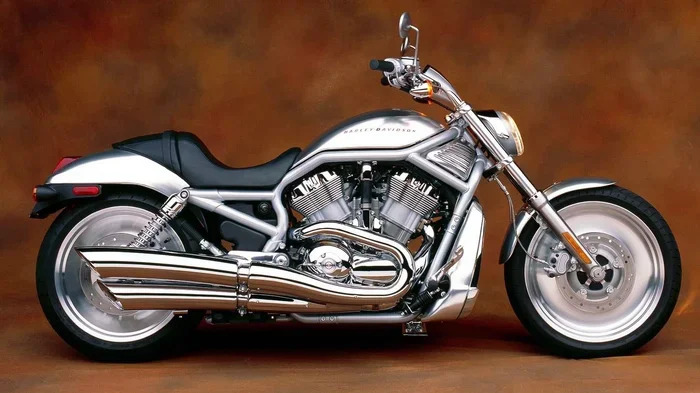
The Harley Davidson V-Rod has a cult following. Its screamer engine, bold styling, and raw power made it one of the most talked-about motorcycles of the 2000s. But beneath the surface, the V-Rod carries a reputation for mechanical troubles that every potential buyer and current owner should understand.
If you own a V-Rod or are thinking about buying one, you need to know what Harley V-Rod Problems lurk under that sleek bodywork. This guide covers every major issue in detail, from overheating to clutch failure, and gives you real solutions you can use today. We will walk through each problem step by step so you never feel lost.
The V-Rod is not a bad motorcycle. Far from it. It delivers an incredible riding experience. But it does demand attention and proper care. Many of the problems we will discuss are preventable with regular maintenance. Others are known design flaws that Harley addressed in later model years. Either way, knowledge is your best tool.
We wrote this article to give you everything you need in one place. No fluff. No filler. Just clear, honest information about V-Rod common problems and how to handle them like a pro.
Key Takeaways
- Overheating is the #1 enemy: The V-Rod’s unique engine design runs hot, making cooling system maintenance critical for long-term reliability.
- Clutch problems are extremely common: Worn clutch plates and hydraulic issues plague V-Rod owners, especially with higher mileage bikes.
- Rod bearing failure can be catastrophic: Ignoring early warning signs like rattling noises leads to expensive engine rebuilds.
- Regular maintenance prevents most issues: Staying on top of oil changes, valve adjustments, and coolant flushes dramatically reduces breakdowns.
- Fuel injection problems are fixable at home: Many V-Rod fuel system issues stem from simple causes like dirty injectors or faulty sensors.
- Know when to repair vs. sell: Some V-Rod problems cost more to fix than the bike is worth, so understanding your options matters.
📑 Table of Contents
- Understanding the Harley V-Rod Engine Design
- Common Harley V-Rod Problems Owners Face
- Engine and Internal Component Failures
- Electrical and Fuel System Concerns
- Maintenance Tips to Prevent Harley V-Rod Problems
- When to Repair vs. When to Sell Your V-Rod
- Expert Insights on V-Rod Ownership
- Final Thoughts on Harley V-Rod Problems
Understanding the Harley V-Rod Engine Design
What Makes the V-Rod Engine Unique
The V-Rod engine is unlike any other Harley Davidson engine. It uses a 60-degree V-twin configuration with a gear-driven camshaft and a revolutionary Revolution engine design. This setup produces massive torque and a distinctive sound that V-Rod fans love.
However, that unique design also creates specific challenges. The engine runs at higher temperatures than traditional Harley engines. The tight packaging leaves less room for heat dissipation. And the gear-driven cam system, while reliable in theory, introduces its own set of maintenance requirements.
Understanding these design traits helps you see why Harley V-Rod Problems happen in the first place. When you know the root cause, fixing the problem becomes much easier.
Why the V-Rod Runs Hot
The Revolution engine produces a lot of power in a compact space. All that energy creates heat. The V-Rod cooling system works hard to keep temperatures in check, but it has limits. On hot days, in traffic, or during long rides, the engine can push past safe operating temperatures.
This overheating tendency is the single biggest factor behind most V-Rod reliability issues. When the engine runs too hot, internal components degrade faster. Oil breaks down. Gaskets fail. Metal parts expand and wear unevenly.
Common Harley V-Rod Problems Owners Face
Overheating and Cooling System Failures
Overheating tops the list of V-Rod engine issues reported by owners worldwide. The problem shows up in several ways. Your temperature gauge climbs into the red zone. You notice steam or coolant vapor rising from the engine bay. Or you feel a sudden loss of power during a ride.
Several factors cause the V-Rod to overheat:
- Clogged radiator fins: Dirt, bugs, and debris block airflow through the radiator. This reduces cooling efficiency dramatically.
- Low coolant levels: Small leaks in the cooling system slowly drain coolant over time. Many owners do not notice until it is too late.
- Faulty thermostat: A stuck thermostat prevents coolant from circulating properly. The engine heats up fast with no relief.
- Water pump failure: The V-Rod water pump can develop leaks or wear out over time, leading to poor coolant flow.
The fix starts with regular inspection. Check your coolant level before every ride. Flush and replace coolant every two years. Clean your radiator fins with a soft brush. And never ignore a rising temperature gauge.
Clutch and Transmission Troubles
Clutch problems rank among the most frequent Harley V-Rod complaints. The V-Rod uses a wet clutch system, which means it operates inside engine oil. Over time, clutch plates wear down and lose their grip.
Common clutch symptoms include:
- Slipping clutch: The engine revs high but the rear wheel does not respond proportionally. You feel a loss of power during acceleration.
- Grabbing clutch: The clutch engages abruptly instead of smoothly. This creates a jerky riding experience, especially at low speeds.
- Hard shifting: Difficulty changing gears, particularly into first or second gear, signals clutch or transmission wear.
Most clutch issues stem from three causes. Worn clutch plates need replacement. Contaminated oil from missed oil changes reduces friction performance. And a worn clutch spring or hydraulic system leak affects engagement.
Quick tip: Change your V-Rod engine oil every 3,000 to 5,000 miles. Use high-quality synthetic oil designed for wet clutch systems. This simple habit extends clutch life significantly.
Rod Bearing Failure
Rod bearing failure is the most serious of all V-Rod engine issues. The connecting rod bearing wears down over time, especially if the bike sees heavy use or infrequent oil changes. When the bearing fails, it causes metal-on-metal contact inside the engine.
Warning signs include:
- A deep knocking or rattling noise from the engine, especially under load.
- Sudden loss of oil pressure.
- Engine seizing during a ride.
Rod bearing replacement requires a full engine teardown. The cost can range from $2,000 to $5,000 depending on damage severity. Prevention is far cheaper. Stick to your oil change schedule and use quality oil with proper viscosity.
Engine and Internal Component Failures
Piston and Cylinder Wear
The V-Rod’s pistons work incredibly hard. The engine produces high compression ratios and operates at elevated temperatures. Over time, piston rings can wear, and cylinder walls develop scoring.
Piston problems often show up as:
- Excessive oil consumption between changes.
- Blue or white exhaust smoke.
- Reduced engine power and acceleration.
If you notice these symptoms, get a compression test done immediately. Catching piston wear early allows for simpler repairs. Ignoring it leads to more severe engine damage.
Valve Adjustment and Timing Chain Issues
The V-Rod uses a gear-driven camshaft, which eliminates the need for a timing belt. However, valve adjustments still require attention. Over time, valve clearances change, causing rough idling, poor fuel economy, and reduced performance.
Harley recommends valve checks at regular intervals. Most V-Rod owners should have their valves inspected every 10,000 to 15,000 miles. A simple adjustment fixes most valve-related V-Rod reliability issues.
Timing chain stretch is another concern on higher-mileage V-Rods. A stretched chain causes timing drift, which leads to poor engine performance and potential valve damage. Listen for a rattling noise from the front of the engine, especially on startup.
Electrical and Fuel System Concerns
Fuel Injection and Sensor Problems
The V-Rod uses electronic fuel injection, which is generally more reliable than carburetors. But fuel injection systems still develop problems. Dirty fuel injectors, faulty sensors, and wiring issues can all cause drivability complaints.
Common fuel system symptoms include:
- Check engine light: The V-Rod’s diagnostic system triggers the check engine light for various reasons. A code reader helps identify the specific issue quickly.
- Rough idle: A failing idle air control valve or dirty throttle body causes the engine to stumble at low speeds.
- Poor fuel economy: Clogged injectors or a faulty oxygen sensor send the wrong fuel mixture to the engine.
- Hard starting: A weak fuel pump or clogged fuel filter makes starting the bike difficult, especially when hot.
Most fuel injection problems are fixable with basic maintenance. Replace your fuel filter annually. Use fuel injector cleaner every few thousand miles. And keep your battery terminals clean and tight.
Electrical Gremlins and Wiring Issues
Older V-Rod models are prone to electrical gremlins. Wiring harnesses degrade over time, especially when exposed to heat and moisture. Ground connections corrode, and connectors become loose.
Common electrical issues include flickering lights, intermittent power loss, and faulty instrument readings. These problems can be frustrating to diagnose. Start by checking all ground connections and inspecting wiring for damaged insulation.
Pro tip: Apply dielectric grease to electrical connectors after cleaning them. This protects against moisture and corrosion, preventing many common electrical V-Rod common problems.
Maintenance Tips to Prevent Harley V-Rod Problems
Follow the Service Schedule Strictly
The best way to avoid Harley V-Rod Problems is prevention. Harley Davidson published a detailed service schedule for every V-Rod model. Following it to the letter keeps your engine healthy and your rides worry-free.
Key maintenance intervals every V-Rod owner should know:
- Oil change: Every 3,000 to 5,000 miles with quality synthetic oil.
- Coolant flush: Every two years or 15,000 miles.
- Valve check: Every 10,000 to 15,000 miles.
- Clutch fluid change: Every two years.
- Air filter replacement: Every 10,000 miles or more often in dusty conditions.
- Spark plug replacement: Every 12,000 miles.
Invest in Quality Parts and Fluids
Not all parts and fluids are created equal. The V-Rod engine runs at higher temperatures and pressures than standard Harley engines. Using cheap oil or inferior coolant accelerates wear and invites problems.
Stick with OEM Harley parts or high-quality aftermarket alternatives. For oil, choose a synthetic blend rated for wet clutch applications. For coolant, use Harley’s recommended ethylene glycol formula. These small investments pay off enormously in long-term reliability.
Pre-Ride Inspection Habits
Spend five minutes before every ride checking the basics. Look at your coolant level, oil level, and tire pressure. Listen for unusual noises. Feel for vibrations or strange handling. These quick checks catch problems early before they become expensive repairs.
When to Repair vs. When to Sell Your V-Rod
Evaluating Repair Costs
Not every Harley V-Rod Problem is worth fixing. Major engine rebuilds, frame damage, and extensive electrical repairs can cost more than the bike is worth. Before committing to a major repair, get a detailed estimate from a qualified mechanic.
Consider these factors when deciding:
- The age and mileage of your V-Rod.
- The total cost of repairs versus the bike’s market value.
- The availability of replacement parts for your specific model year.
- Your emotional attachment and riding plans.
Model Year Considerations
Harley improved the V-Rod significantly over its production run. Later model years (2010 and newer) addressed many early design flaws. If you are shopping for a used V-Rod, aim for models from 2010 onward when possible. They have fewer V-Rod reliability issues and better overall build quality.
Earlier models from 2002 to 2008 are still great bikes but require more attentive ownership. Budget extra maintenance costs and be proactive about inspections.
Expert Insights on V-Rod Ownership
What Long-Term V-Rod Owners Say
Veteran V-Rod owners share one consistent message: maintenance is everything. Those who stay on top of oil changes, coolant flushes, and regular inspections report far fewer problems. The V-Rod rewards attentive owners with years of thrilling rides and reliable performance.
Many experienced riders also recommend joining V-Rod owner forums and communities. These groups share real-world troubleshooting advice, recommended mechanics, and parts suppliers. The knowledge available from fellow V-Rod owners is invaluable when dealing with V-Rod engine issues.
The Role of Proper Storage
How you store your V-Rod matters more than many riders realize. Extended periods of inactivity cause coolant to stagnate, oil to degrade, and seals to dry out. If you store your bike seasonally, follow these steps:
- Change the oil and filter before storage.
- Fill the fuel tank and add stabilizer.
- Disconnect the battery or use a trickle charger.
- Cover the bike with a breathable motorcycle cover.
- Store in a cool, dry location away from direct sunlight.
Proper storage prevents many of the V-Rod common problems that plague neglected bikes. A few hours of preparation saves hundreds of dollars in repairs.
Final Thoughts on Harley V-Rod Problems
The Harley Davidson V-Rod remains a remarkable motorcycle. Its unique engine design, powerful performance, and striking appearance continue to attract riders worldwide. But owning a V-Rod comes with responsibilities.
Harley V-Rod Problems are real, but they are manageable. With proper maintenance, attentive ownership, and timely repairs, you can enjoy years of reliable V-Rod performance. The key is never ignoring warning signs and always staying current with service intervals.
Whether you ride a 2002 Night Rod or a 2017 Muscle, the advice in this guide applies. Know your bike, respect its quirks, and give it the care it deserves. The V-Rod will reward you with one of the most exciting riding experiences on two wheels.
Stay proactive. Stay informed. And never let a small problem become a big expense. Your V-Rod deserves the best care you can give it.
Frequently Asked Questions
What are the most common Harley V-Rod Problems?
The most common issues include overheating due to the high-performance engine design, clutch slipping from worn plates, rod bearing failure at higher mileage, and fuel injection sensor malfunctions. Regular maintenance dramatically reduces the likelihood of these problems.
How do I prevent my V-Rod from overheating?
Keep your coolant levels topped off and flush the system every two years. Clean your radiator fins regularly to ensure proper airflow. Check for leaks in the cooling system, and never ignore a rising temperature gauge during rides. These simple habits prevent most overheating issues.
Is rod bearing failure common on the Harley V-Rod?
Rod bearing wear occurs more frequently on V-Rods with higher mileage or those that have skipped oil changes. The engine’s high-performance nature puts extra stress on bearings. Staying consistent with oil changes using quality synthetic oil is the best prevention.
What causes clutch slipping on a V-Rod?
Clutch slipping typically results from worn clutch plates, contaminated engine oil, or a failing hydraulic clutch system. The V-Rod’s wet clutch operates in engine oil, so oil quality directly affects clutch performance. Replace worn plates and use manufacturer-recommended oil.
Are later V-Rod model years more reliable?
Yes, Harley made significant improvements to the V-Rod from 2010 onward. Later models addressed many cooling system weaknesses, improved clutch durability, and refined the fuel injection system. If reliability is a priority, choose a 2010 or newer model when possible.
How often should I service my Harley V-Rod?
Follow Harley Davidson’s published service schedule. Change oil every 3,000 to 5,000 miles, flush coolant every two years, check valves every 10,000 to 15,000 miles, and replace spark plugs every 12,000 miles. Consistent service is the single best way to avoid Harley V-Rod Problems and keep your bike running strong for years.
=== CONCLUSION ===
Understanding Harley V-Rod Problems empowers you to be a better owner. From overheating to clutch wear, rod bearings to fuel injection, every issue covered in this guide has a solution. The V-Rod is not without its flaws, but with proper care and attention, it delivers an unforgettable riding experience.
Take the lessons from this article and apply them to your bike today. Check your coolant. Inspect your clutch. Listen for unusual sounds. Stay ahead of maintenance. These small actions compound into years of reliable, thrilling rides on your V-Rod.
Knowledge is power. Use it wisely, and your Harley V-Rod will reward you for many miles to come.