How Much Mileage Is Good for a Used Car You Need to Know
So, how much mileage is good for a used car? Most experts agree that 10,000 to 15,000 miles per year is the standard benchmark for a healthy used car. Whether you are shopping for a low-mileage gem or considering a higher-mileage vehicle, understanding the mileage sweet spot can save you thousands of dollars and headaches down the road.
Buying a used car is one of the smartest financial moves most people make. But here is the thing — the number on the odometer can make or break your deal. If you have ever walked onto a car lot wondering how much mileage is good for a used car, you are not alone.
Mileage tells a story. It reveals how much a car has been driven, how hard it has been used, and whether the previous owner took care of it. Too many miles and you risk expensive repairs. Too few miles and the car might have sat idle for too long. The truth is, finding the right balance is the key to a great purchase.
In this guide, we will break down everything you need to know about used car mileage. We will cover what counts as good mileage, how mileage affects value, and the red flags to watch for. By the end, you will feel confident walking into any dealership or private sale.
Key Takeaways
- 10,000-15,000 miles per year is the gold standard for used car mileage.
- Low mileage does not always mean better — a car that sits too long can have its own problems.
- Maintenance history matters more than the number on the odometer.
- Highway miles are easier on a car than stop-and-go city miles.
- A vehicle history report is essential before making any purchase decision.
- Certified pre-owned vehicles often come with mileage warranties and extra peace of mind.
- Total cost of ownership includes maintenance, repairs, and depreciation — not just the sticker price.
📑 Table of Contents
- What Is Considered Good Mileage for a Used Car?
- How Mileage Affects a Car’s Value and Performance
- Low Mileage vs High Mileage: Which Is Better?
- Factors That Affect What Mileage Is Good
- How to Evaluate Mileage When Buying a Used Car
- Common Mistakes Buyers Make with Mileage
- When Higher Mileage Is Actually a Good Deal
- Conclusion
What Is Considered Good Mileage for a Used Car?
The simple answer is that 10,000 to 15,000 miles per year is the standard benchmark. This is what most automotive experts and industry professionals use as a mileage benchmark. If a car is five years old, you would expect it to have roughly 50,000 to 75,000 miles on the clock.
The Math Behind the Number
Here is an easy way to think about it. The average American drives about 13,500 miles per year. So a used car with mileage close to that annual average is usually in good shape. Cars that fall significantly below or above that range deserve a closer look.
For example, a three-year-old sedan with 45,000 miles is right in the sweet spot. But a three-year-old truck with 90,000 miles might need more attention. The mileage vs age ratio gives you a quick snapshot of whether a vehicle has been driven normally or abused.
Why 10,000 to 15,000 Miles Per Year Is the Sweet Spot
Cars are designed to be driven regularly. When a vehicle is used consistently, all the moving parts stay lubricated and functioning properly. The engine gets warmed up, the transmission shifts smoothly, and the brakes work as intended.
A car that racks up average mileage per year within the standard range has likely been well-maintained. The owner drove it regularly and probably followed the recommended service schedule. This is what most buyers look for when they search for a reliable used car mileage range.
Quick Tip: Always ask for the maintenance records. A car with 80,000 miles that has been fully serviced is often a better buy than a car with 40,000 miles that has been neglected.
How Mileage Affects a Car’s Value and Performance
Mileage has a direct impact on both the resale value and the mechanical health of a vehicle. Understanding this relationship helps you make smarter buying decisions and avoid costly mistakes.
The Relationship Between Mileage and Depreciation
Cars lose value over time, and mileage is one of the biggest factors in car depreciation. A vehicle with higher mileage will generally depreciate faster than one with lower mileage. This is because more miles mean more wear on the engine, transmission, suspension, and other critical components.
Here is a simple breakdown of how mileage affects depreciation:
- Under 50,000 miles: Minimal depreciation. These cars hold their value well and are often called “low-mileage vehicles.”
- 50,000 to 100,000 miles: Moderate depreciation. The car is still in good shape but has seen some use.
- Over 100,000 miles: Significant depreciation. Buyers often shy away from high-mileage cars, even if they are well-maintained.
The good news is that modern cars are built to last. Many vehicles can easily reach 200,000 miles or more with proper care. So do not automatically rule out a car just because it has a higher odometer reading.
How Mileage Impacts Engine Health
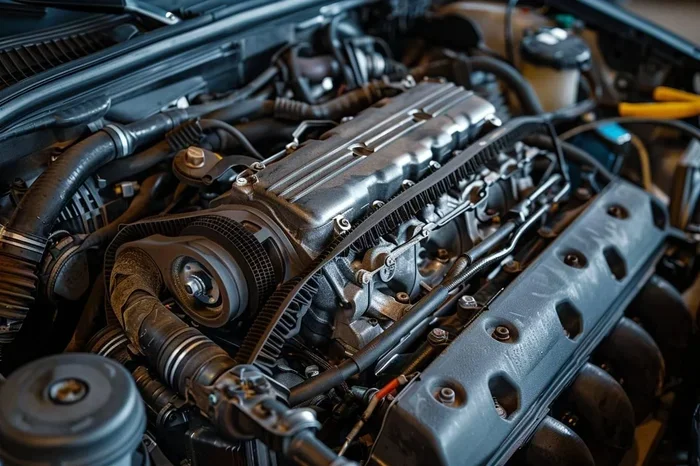
The engine is the heart of any vehicle, and mileage directly affects its lifespan. As a car accumulates miles, internal components like piston rings, bearings, and gaskets experience wear. Regular oil changes and timely maintenance can significantly extend engine life.
However, a car that has been driven gently on the highway tends to have better engine health than one that has been used for stop-and-go city driving. Highway miles vs city miles is an important distinction that many buyers overlook.
City driving involves frequent acceleration, braking, and idling. All of these put extra stress on the engine and transmission. Highway driving is more consistent and allows the engine to operate at a steady, efficient pace. So a car with 80,000 highway miles might actually be in better shape than one with 50,000 city miles.
Low Mileage vs High Mileage: Which Is Better?
This is one of the most debated questions in the car-buying world. The truth is, neither extreme is always the best choice. It depends on the specific vehicle, its history, and how it was maintained.
The Case for Low Mileage Cars
Low-mileage cars are attractive for a reason. They have less wear on the engine, transmission, and other components. The tires, brakes, and belts are likely to last longer. And the resale value tends to be higher because buyers love a car with fewer miles.
But there is a hidden danger. A car that has sat unused for long periods can develop problems of its own. Seals and gaskets can dry out. The battery can drain. Fluids can degrade. Tires can develop flat spots. A low-mileage car that has been garage-kept for years might actually need more attention than a well-driven vehicle.
The Case for High Mileage Cars
Do not fear high mileage. A car with 120,000 miles that has been regularly serviced can easily outlast a car with 40,000 miles that has been neglected. The key is the maintenance history.
High-mileage vehicles that have had timely oil changes, fluid replacements, and component swaps are often surprisingly reliable. Many modern engines are designed to last well beyond 200,000 miles. So when you see a high mileage car with a clean history, do not dismiss it just because of the numbers.
Quick Tip: Look for a car with a complete service history. This tells you the owner took the vehicle seriously and kept it in good shape regardless of the mileage.
Comparison: Low Mileage vs High Mileage
| Factor | Low Mileage (Under 60k) | High Mileage (Over 100k) |
|---|---|---|
| Purchase Price | Higher upfront cost | Lower upfront cost |
| Engine Wear | Minimal wear | More wear, if not maintained |
| Maintenance Costs | Lower short-term | Higher if maintenance was skipped |
| Resale Value | Holds value better | Depreciates faster |
| Risk of Idle-Related Issues | Higher if car sat unused | Lower — car was driven regularly |
| Overall Reliability | Good if maintained | Good if maintained |
Factors That Affect What Mileage Is Good
Mileage is not a one-size-fits-all metric. Several factors influence what counts as good mileage for a specific vehicle. Let us explore the most important ones.
Vehicle Age and Mileage Ratio
The mileage vs age ratio is crucial. A ten-year-old car with 150,000 miles has an average of 15,000 miles per year. That is perfectly normal. But a ten-year-old car with only 30,000 miles raises questions. Why did the owner barely drive it? What might have deteriorated from sitting?
On the flip side, a five-year-old car with 120,000 miles averages 24,000 miles per year. That is above the standard benchmark. It could mean the car was used as a daily commuter, which might have led to more wear and tear.
Type of Vehicle
Different vehicles handle mileage differently. A sedan used for commuting will rack up miles faster than an SUV that only sees weekend trips. A truck used for towing will experience more strain than one used for light errands.
Consider the vehicle type when evaluating mileage. A sports car with 80,000 miles might be more worn than a family sedan with the same mileage because sports cars are often driven harder.
Driving Conditions
Where and how a car was driven matters enormously. Highway miles vs city miles can make a big difference in overall wear. Stop-and-go traffic in a busy city is harder on a car than steady highway cruising.
Other driving conditions to consider include:
- Extreme heat or cold climates: Temperature extremes can accelerate wear on engines, transmissions, and rubber components.
- Rough roads and construction zones: Potholes and uneven surfaces stress suspension and alignment.
- Short trips: Frequent short drives prevent the engine from reaching full operating temperature, which can cause moisture buildup and premature wear.
- Towing or hauling: Extra weight puts additional strain on the engine, brakes, and transmission.
How to Evaluate Mileage When Buying a Used Car
Now that you understand the basics, let us talk about what to do when you are actually shopping. Evaluating mileage properly can mean the difference between a great buy and a money pit.
Get a Vehicle History Report
Always, always get a vehicle history report. Services like Carfax and AutoCheck provide detailed information about a car’s past, including ownership history, accident reports, service records, and odometer readings.
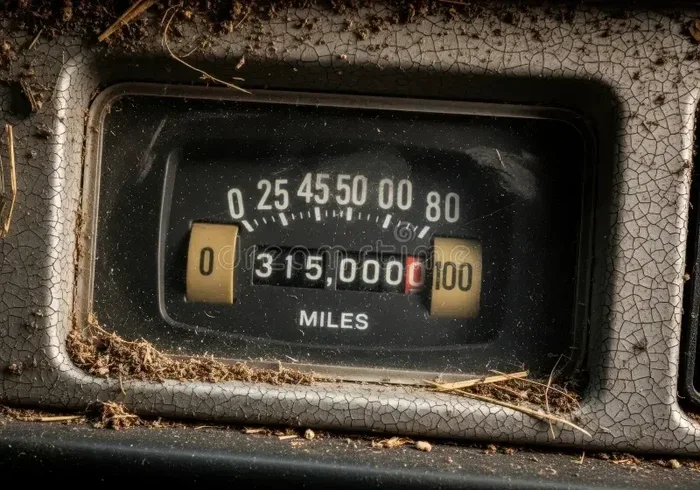
A vehicle history report can reveal odometer rollback, which is when someone illegally turns back the odometer to make a car appear to have fewer miles. This is more common than you might think, and it can cost you thousands in unexpected repairs.
Request Maintenance Records
The maintenance records tell you more about a car’s health than the odometer ever could. Ask the seller or dealer for service invoices, oil change receipts, and repair orders.
If the records show consistent oil changes, timely brake replacements, and regular inspections, that is a strong sign of a well-cared-for vehicle. If there are no records at all, that is a red flag regardless of the mileage.
Have a Mechanic Inspect the Car
Never skip a pre-purchase inspection. A trusted mechanic can look under the hood, check the suspension, test the transmission, and identify potential issues that are not visible on the surface.
This is especially important for cars with mileage above 100,000. A mechanic can spot early signs of engine wear, transmission slipping, or suspension problems that could lead to expensive repairs down the road.
Expert Insight: “I always tell buyers to trust the maintenance history more than the mileage number. A well-documented car with 120,000 miles is often a better buy than a car with 60,000 miles and no service records.” — Certified Automotive Technician
Test Drive Thoroughly
A test drive is your best opportunity to feel how the car performs. Pay attention to how the engine starts, how the transmission shifts, and how the car handles on different road types.
Listen for unusual sounds. Feel for vibrations in the steering or brake pedal. Watch for smoke from the exhaust. Any of these could indicate underlying problems that the mileage number alone will not tell you.
Common Mistakes Buyers Make with Mileage
Even experienced car buyers can fall into traps when evaluating mileage. Here are the most common mistakes to avoid.
Focusing Only on the Odometer Number
The odometer reading is just one piece of the puzzle. A car with 30,000 miles that was used as a rental vehicle might be more worn than a car with 80,000 miles that was carefully maintained by a single owner. Always look at the full picture — age, history, condition, and maintenance.
Ignoring the Car’s Age
Mileage without context is meaningless. A car that is 15 years old with 60,000 miles might have older technology, outdated safety features, and aging components that no amount of low mileage can fix. Age-related wear happens even when a car is not driven much.
Overlooking the Cost of Ownership
A low-mileage car might have a higher purchase price, but that does not mean it is the cheaper option overall. Consider the total cost of ownership, which includes insurance, maintenance, repairs, fuel, and depreciation.
A higher-mileage car that is cheap to buy but needs immediate repairs can end up costing more than a slightly pricier, well-maintained vehicle with moderate mileage.
Assuming Low Mileage Means No Problems
This is a big one. A car that has been sitting for years can have deteriorated seals, a dead battery, flat-spotted tires, and stale fluids. Just because the mileage is low does not mean the car is ready to drive. Always have it inspected before purchasing.
When Higher Mileage Is Actually a Good Deal
There are situations where a higher-mileage car makes perfect sense. Let us look at when you should not be afraid of the numbers.
Certified pre-owned vehicles are a great option. These cars have been inspected, reconditioned, and certified by the manufacturer or dealer. They often come with extended warranties that cover repairs, giving you peace of mind even with higher mileage.
Vehicles with a clean single-owner history are also worth considering. A car that has been owned by one person for many years and driven to work daily is often more reliable than a car with multiple owners and unclear maintenance.
Cars with documented major services — such as timing belt replacements, transmission flushes, and coolant changes — are worth the extra mileage. These services show the previous owner invested in keeping the car running smoothly.
Quick Tip: When comparing two similar cars, choose the one with better documentation over the one with lower mileage every time.
Conclusion
So, how much mileage is good for a used car? The answer is not a single number. It is a combination of factors that includes the annual mileage rate, the vehicle’s age, the maintenance history, and the driving conditions.
The general rule of thumb remains simple: 10,000 to 15,000 miles per year is the standard benchmark. Cars within this range have typically been driven normally and are likely in good mechanical shape. But remember, mileage is just one factor in the buying decision.
Always look beyond the odometer. Get a vehicle history report, request maintenance records, and invest in a pre-purchase inspection. These steps will protect you from costly surprises and help you find a reliable car that fits your budget.
Whether you are looking at a low-mileage classic or a higher-mileage commuter, the right car is out there. Armed with the knowledge in this guide, you are now ready to find it. Happy car shopping!
Frequently Asked Questions
Is 100,000 miles too much for a used car?
Not necessarily. Modern cars are built to last well beyond 100,000 miles. What matters most is the maintenance history. A car with 100,000 miles that has been regularly serviced is often a better buy than a car with 50,000 miles that has been neglected. Always check the service records before making a decision.
What is the average mileage per year for a used car?
The average American drives about 13,500 miles per year. So a good rule of thumb is to expect roughly 10,000 to 15,000 miles per year for a well-used vehicle. Cars that fall significantly outside this range deserve a closer look at their history and condition.
Should I buy a low-mileage or high-mileage used car?
It depends on the specific vehicle and its history. A low-mileage car is not automatically better, especially if it has been sitting unused for long periods. A high-mileage car with complete maintenance records is often a smarter choice. Focus on the full picture — age, condition, and service history — rather than just the odometer number.
How does highway mileage compare to city mileage for car wear?
Highway mileage is generally easier on a car than city mileage. Highway driving involves steady speeds and less frequent stopping, which reduces stress on the engine, transmission, and brakes. City driving with constant stop-and-go traffic puts more wear on these components. A car with 80,000 highway miles might be in better shape than one with 50,000 city miles.
What should I look for in a vehicle history report?
Look for consistent odometer readings across all records, a clean title with no accident history, and a record of regular maintenance. Check for any gaps in ownership or service. A vehicle history report from Carfax or AutoCheck can reveal odometer fraud, title branding, and other red flags that are invisible during a visual inspection.
Does mileage affect the resale value of a used car?
Yes, mileage has a significant impact on resale value. Cars with lower mileage generally hold their value better because buyers perceive them as having more life left. However, a well-documented, properly maintained high-mileage car can still retain strong resale value. The key is consistent maintenance and a clean vehicle history.