Car Wont Start and Makes No Noise Troubleshooting Guide
When your car wont start and makes no noise, the most common culprits are a dead battery, bad starter motor, or faulty ignition switch. This troubleshooting guide walks you through every possible cause step by step. You will learn how to diagnose the problem yourself and save money on repairs.
There is nothing more frustrating than turning your car key or pressing the start button and hearing absolutely nothing. Your car wont start and makes no noise. No clicking. No grinding. No cranking. Just dead silence. This situation can leave anyone feeling stuck and confused. But here is the good news. Most of the time, this problem has a simple and fixable cause.
Whether you are standing in your driveway on a Monday morning or stuck in a parking lot, knowing what to check can save you hours of stress. This guide breaks down every possible reason your car makes no sound when you try to start it. We will cover everything from a dead battery to a bad ignition switch. You will learn how to diagnose the issue yourself and get back on the road faster.
Let us be clear about something right away. When a car wont start and makes no noise, it usually means the electrical system is not sending power to the starter motor. The starter motor is what actually cranks the engine. If it does not get the signal or the power, nothing happens. No noise at all. This is different from a car that clicks but wont start or one that cranks slowly. Those problems have different causes. This guide focuses specifically on the complete silence scenario.
Key Takeaways
- A dead or weak battery is the #1 reason your car wont start and makes no noise.
- Corroded battery terminals can block electrical flow even when the battery is fine.
- A faulty starter motor or solenoid causes total silence when you turn the key.
- Ignition switch failure prevents power from reaching the starter system entirely.
- A bad neutral safety switch stops the engine from cranking in certain gears.
- Parasitic draw slowly drains your battery overnight without you noticing.
- Knowing the right diagnostic steps helps you avoid expensive mechanic visits.
📑 Table of Contents
Why Your Car Wont Start and Makes No Noise
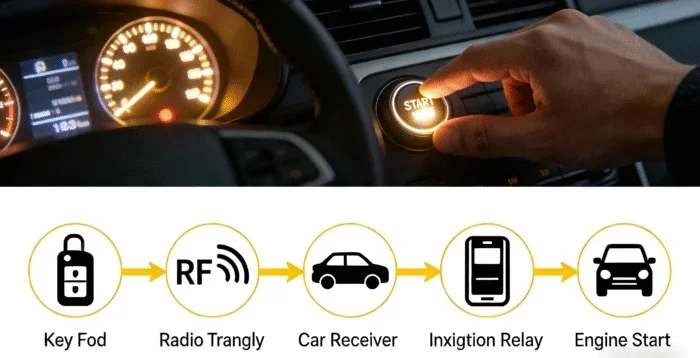
Understanding the basic system helps you troubleshoot better. When you turn your key or push the start button, a chain of events must happen. First, the battery sends power to the ignition switch. The ignition switch activates the starter relay. The relay sends power to the starter motor. The starter motor then turns the engine over. If any link in that chain breaks, your car will not start. And if the break happens early in the chain, you get total silence.
This is why a no-crank no-start condition is so common. The problem is usually at the very beginning of that electrical chain. The battery, the connections, or the ignition switch. Let us go through each one in detail.
The Battery Is Dead or Too Weak
The most common reason by far is a dead battery. Your battery provides all the electrical power when you start the car. If it has no charge, nothing happens. You turn the key and hear nothing. No fan noise. No dashboard lights. Just silence.
But here is something people miss. Sometimes the battery is not completely dead. It just has low voltage. A battery with 10.5 volts or less cannot power the starter motor. The dashboard lights might still glow dimly. But the starter will not engage. This is why a simple battery test can reveal the problem.
Common reasons a battery dies include leaving lights on overnight. Extreme cold weather also drains batteries fast. And batteries older than three to five years just lose their ability to hold a charge. If you have a dead battery, a jump start often solves the problem right away.
Corroded or Loose Battery Terminals
Even if your battery is fully charged, bad connections can stop your car from starting. The battery terminals are the positive and negative posts where cables connect. Over time, these connections get covered in a white or greenish crusty buildup. This is corrosion. It blocks electrical current from flowing properly.
Loose cable connections cause the same problem. If the cable is not tight on the terminal, power cannot flow. You might see some dashboard lights flicker. But the starter motor gets no power at all. This is a very common hidden cause of the no noise no start problem.
The fix is simple. Disconnect the cables. Clean the terminals with a wire brush or baking soda solution. Reconnect them tightly. This small step solves the problem more often than people realize.
Faulty Starter Motor or Starter Solenoid
The starter motor is the heavy-duty electric motor that cranks your engine. The starter solenoid is the switch that sends power to it. When either one fails, you get a complete no crank no start situation.
A bad starter motor often happens after years of use. The internal brushes wear out. The motor seizes up. When you turn the key, the solenoid might not even click. This is the full silence scenario we are talking about.
A faulty starter solenoid can also cause this. The solenoid is a small electromagnetic switch. It sits on top of the starter motor. When it fails, no power reaches the motor. No power means no cranking. No cranking means no noise. Replacing a starter motor or solenoid is a job best left to a mechanic unless you have experience.
Ignition Switch Problems
The ignition switch is the part your key turns or the button you press. It sends the first electrical signal in the starting process. When this switch fails, the entire starting circuit stays dead. No power goes to the starter. No power goes to the fuel pump. Nothing happens at all.
Ignition switch failure is more common in older vehicles. But it can happen in newer cars too. The signs include the dashboard not lighting up when you turn the key. Or the engine does not crank even though the battery is good. Sometimes the switch wears out internally and loses contact.
If you suspect an ignition switch issue, try wiggling the key gently while turning it. A worn key or a worn switch tumbler can sometimes make intermittent contact. This is a telltale sign that the ignition switch is the problem.
Neutral Safety Switch Failure
Your car has a safety feature called the neutral safety switch. It prevents the engine from starting unless the transmission is in Park or Neutral. When this switch goes bad, your car will not crank no matter what you do. The starter gets no signal. You hear nothing.
This problem is more common in automatic transmission vehicles. But manual transmission cars have a similar clutch safety switch. Both can fail over time. The fix is usually straightforward. A mechanic can test the switch with a multimeter and replace it if needed.
Quick tip: try shifting your shifter to Neutral and then try starting the car. If it starts in Neutral but not in Park, the neutral safety switch is likely your culprit. This is a very common and easy fix.
Ignition Relay or Fuse Failure
Inside your car’s fuse box, there is an ignition relay. This relay controls power flow to the starter system. If the relay burns out or a related fuse blows, the entire starting circuit goes dark. No power reaches the starter. No noise at all.
Relays can fail from heat exposure or electrical surges. Fuses blow from short circuits or overloaded circuits. Both are inexpensive and easy to replace. Check your owner’s manual to find the location of the starter relay and its fuse. A simple swap can bring your car back to life.
Security System or Anti-Theft Lockout
Many modern cars have an immobilizer system. This security feature prevents the engine from starting unless the correct key or key fob is recognized. When the system locks out, your car will not crank. You get silence or maybe a flashing security light on the dash.
A dead key fob battery is a very common cause of this lockout. The car cannot read the chip in the fob. It thinks someone is trying to steal the car. So it refuses to start. Replacing the key fob battery usually fixes this immediately.
Another cause is a faulty transponder chip in the key itself. If the chip is damaged or not programmed correctly, the immobilizer stays active. This is more common after a key replacement or battery change on the fob.
Parasitic Draw Draining Your Battery Overnight
A parasitic draw is when something in your car continues to pull power from the battery after you turn off the engine. This happens slowly over hours or overnight. By morning, the battery has no charge left. You turn the key and your car wont start and makes no noise.
Common causes of parasitic draw include a glove box light that stays on. A faulty relay that does not disengage. An aftermarket alarm system drawing too much power. Even a USB charger left plugged in can contribute over time.
Finding a parasitic draw requires a multimeter and some patience. You disconnect the negative battery terminal. You connect the multimeter in series between the terminal and the battery post. You then pull fuses one by one until the draw drops. This tells you which circuit is causing the problem.
How to Diagnose the Problem Step by Step
Now that you know the possible causes, let us talk about how to actually diagnose your specific problem. Following a systematic approach saves time and money. You do not have to guess or replace parts randomly.
Step One: Check the Dashboard Lights
When you turn the key to the ON position (not START), do your dashboard lights come on? If yes, your battery likely has some charge. If no, your battery is probably dead or the connections are bad. This simple check narrows down the problem fast.
Step Two: Test the Battery Voltage
A fully charged battery should read 12.6 volts or higher with a multimeter. If it reads below 12.0 volts, the battery is weak. Below 11.5 volts and the battery is probably too weak to start the car. A reading of 12.4 or higher is good enough to rule out the battery as the cause.
Pro tip: have someone turn the key to START while you watch the voltage. It should not drop below 10 volts. If it drops to zero or close to zero, the battery or starter is the problem.
Step Three: Inspect the Battery Terminals
Look at both battery terminals closely. Do you see any white, blue, or greenish buildup? Do the cables feel tight when you wiggle them? Clean and tight connections are essential for proper electrical flow. This is a step people skip too often.
Step Four: Try the Headlights Test
Turn the headlights on and try to start the car. If the headlights dim significantly or go completely dark when you turn the key, the battery has power but the starter is drawing too much. If the headlights stay bright and nothing happens, the starter circuit is not completing. This tells you a lot about where the problem lies.
Step Five: Check the Starter Relay and Fuses
Open your fuse box and locate the starter relay. Swap it with a relay of the same type and rating from another circuit. If the car starts after the swap, the old relay was bad. Also check the starter fuse. A blown fuse is an easy and cheap fix that many people overlook.
Step Six: Test the Neutral Safety Switch
Shift the gear selector to Neutral. Try starting the car again. If it starts in Neutral but not in Park, the neutral safety switch is your problem. This is a quick and free test anyone can do right in their driveway.
Step Seven: Check for Security System Lockout
Look at your dashboard for a security or anti-theft light. If it is flashing, the immobilizer is active. Try using a spare key. Replace the key fob battery. If the light stops flashing and the car starts, the security system was the issue.
Common Mistakes People Make When Troubleshooting
When your car wont start and makes no noise, it is easy to make mistakes that waste time and money. Here are the most common ones to avoid.
- Assuming it is always the battery. While the battery is the most common cause, it is not always the case. A bad starter or ignition switch can look identical from the driver’s seat.
- Ignoring corroded terminals. Many people replace a perfectly good battery when the real problem is dirty terminals. Always clean the connections first.
- Not checking the gear position. A car in Neutral will start even if the Park position is faulty. This simple test can save a lot of confusion.
- Jump starting a completely dead battery without testing it. If the battery is old and damaged, a jump start might work temporarily but the battery will fail again quickly.
- Replacing parts without proper diagnosis. Starter motors are expensive. Do not replace one unless you have confirmed it is the actual cause.
- Forgetting about the key fob battery. In push-button start vehicles, a dead fob battery can completely prevent starting. This is an easy and cheap fix that many people never think of.
When to Call a Professional Mechanic
There is a point where DIY troubleshooting is no longer practical. Knowing when to call a professional saves you from frustration and potential damage to your vehicle.
Call a mechanic if you have confirmed the battery is good but the car still makes no noise. If you have checked all the connections, relays, and fuses, the problem is likely deeper. A professional mechanic has specialized tools like a starter draw tester and an oscilloscope that can pinpoint electrical issues precisely.
Also call a professional if you are not comfortable working with electrical systems. Working with car batteries and starter circuits involves electrical current. Mistakes can cause damage to your vehicle or injury to yourself. There is no shame in getting expert help when needed.
Another good reason to call a mechanic is if your car is still under warranty. DIY repairs can sometimes void your warranty. Check with your dealer before attempting any electrical troubleshooting on a newer vehicle.
Prevention Tips to Avoid This Problem
The best way to deal with a car that wont start and makes no noise is to prevent it from happening in the first place. Here are some simple habits that keep your starting system healthy.
- Have your battery tested every year. Most auto parts stores will test your battery for free. This catches weak batteries before they leave you stranded.
- Keep your terminals clean and tight. A quick inspection every few months goes a long way. Use anti-corrosion spray on the terminals after cleaning them.
- Replace your key fob battery regularly. Every two years is a good schedule for most vehicles. This prevents the security lockout scenario.
- Avoid leaving accessories on when you turn off the engine. Lights, radio, phone chargers, and other accessories drain your battery over time.
- Drive your car regularly. A car that sits for weeks at a time will develop a weak battery. Driving at least 15 to 20 minutes charges the battery back up.
- Replace your battery every 3 to 5 years. Even if it seems fine, an old battery is a ticking time bomb. Preventive replacement saves you from unexpected breakdowns.
Quick Tips for Cold Weather Starting
Cold weather makes starting problems worse. Batteries lose capacity in low temperatures. Oil gets thicker and harder to crank through. Here are some quick tips that help.
- Keep your battery fully charged at all times. A partially charged battery freezes at higher temperatures.
- Use a battery blanket or heater pad in extreme cold climates. These keep the battery warm and ready to deliver full power.
- Let the key turn to ON for a few seconds before cranking. This lets the fuel pump prime and the electrical systems wake up.
- Keep your gas tank at least half full in winter. A fuller tank reduces condensation that can freeze fuel lines.
Conclusion
When your car wont start and makes no noise, the problem almost always lies in the electrical starting system. A dead battery, corroded terminals, a bad starter, or a faulty ignition switch are the usual suspects. By following the diagnostic steps in this guide, you can narrow down the cause and find the right fix.
Start with the simplest checks first. Look at the battery. Test the voltage. Clean the terminals. Check the gear position. These free and easy steps solve the problem more often than you might think. If the simple fixes do not work, move on to the relay, the starter motor, and the neutral safety switch.
Remember that prevention is your best tool. Regular battery maintenance, clean connections, and a little attention to warning signs can keep your car starting reliably for years. You do not have to be a mechanic to handle most no-crank no-start problems. With the right knowledge and a few basic tools, you can diagnose and often fix the issue yourself.
The next time your car wont start and makes no noise, stay calm. Work through this checklist systematically. You will find the answer. And you will be back on the road before you know it.
Frequently Asked Questions
Why does my car make no sound at all when I try to start it?
The most common reason is a dead or weak battery that cannot send enough power to the starter motor. Other causes include corroded battery terminals, a faulty ignition switch, or a bad starter motor. Start by checking your battery voltage and cleaning the terminals before moving on to more complex checks.
Can a bad key fob battery cause a car not to start with no noise?
Yes, absolutely. In vehicles with push-button start, the car cannot read the key fob if the battery is dead. The immobilizer system stays active and prevents the engine from cranking. Replacing the key fob battery is a quick and easy fix that solves this problem in most cases.
How do I know if my starter motor is bad when there is no noise?
A bad starter motor often causes complete silence when you turn the key. If your battery is fully charged and the connections are clean, but the car still does not crank, the starter motor or its solenoid is likely the problem. A mechanic can test the starter with a draw meter to confirm this diagnosis.
Is a no crank no start problem expensive to fix?
It depends on the cause. A dead battery or corroded terminals are cheap fixes. A faulty ignition switch is also affordable. But a bad starter motor replacement can cost between 300 and 500 dollars including parts and labor. Getting the right diagnosis first helps you budget properly.
What should I do if my car wont start and makes no noise in cold weather?
Cold weather drains batteries fast. First, try a jump start. If that works, your battery was the problem. If the jump start does not work, check the battery voltage with a multimeter. A reading below 12 volts in cold weather means the battery needs replacement. Also check that the gear shifter is fully in Park.
How can I prevent my car from not starting with no noise in the future?
Have your battery tested annually and replace it every three to five years. Keep your battery terminals clean and tight. Replace your key fob battery every two years. Avoid leaving accessories on when you turn off the engine. These simple habits will prevent most no-start situations from happening.