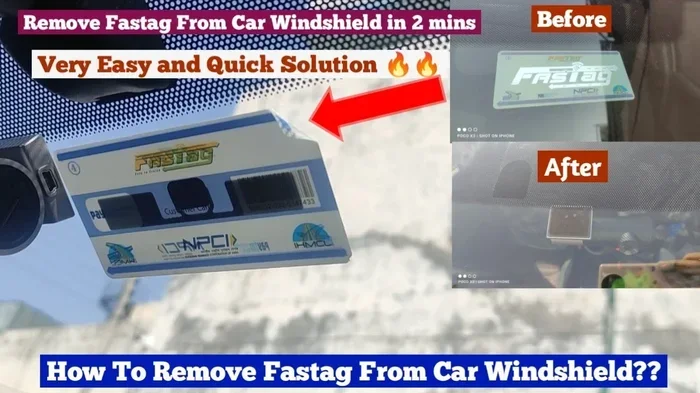
How to Remove FASTag from Car Glass Without Damage
Removing a FASTag from your car glass is easier than you think, and you can do it without leaving any sticky residue or causing scratches. This guide walks you through every step safely, from the tools you need to cleaning the windshield afterward. Whether you are upgrading, transferring, or deactivating your tag, you will find clear, practical instructions here.
Have you ever needed to take a FASTag off your car glass and worried about leaving a mess behind? You are not alone. Thousands of car owners face this task every month, whether they are selling their vehicle, switching to a new tag, or simply replacing an old one. The good news is that removing a FASTag from car glass without damage is completely doable at home. You do not need expensive tools or professional help. With the right approach, you can get your windshield looking as good as new in under ten minutes.
A FASTag sticker is a small RFID tag that you stick on your car windshield. It allows your vehicle to pass through toll plazas without stopping. The tag uses a strong adhesive that bonds tightly to glass. This is great for daily use, but it becomes a challenge when you want to remove it. The adhesive can leave behind a stubborn residue, and if you are not careful, you might scratch the glass. That is exactly why this guide exists. We will show you the safest, most effective methods to get the job done right.
Before you start, it helps to understand what you are dealing with. The FASTag is held in place by a pressure-sensitive adhesive. This type of glue grips the glass firmly but responds well to heat and certain cleaning solutions. Knowing this makes the whole process much less intimidating. Let us dive into the details and walk you through each step carefully.
Key Takeaways
- Use a hairdryer or warm water to gently loosen the FASTag adhesive before peeling it off.
- Avoid sharp objects like knives or scrapers that can scratch or crack your car glass.
- Clean the residue with isopropyl alcohol or a dedicated adhesive remover for a streak-free finish.
- Deactivate your FASTag first through your bank or the NHAI portal to avoid toll billing issues.
- Transfer your FASTag to a new vehicle if needed, instead of discarding it entirely.
- Work in a shaded area and take your time to prevent damage to the windshield.
📑 Table of Contents
- Why You Might Need to Remove FASTag from Your Car Glass
- Tools and Materials You Will Need
- Step-by-Step Guide to Remove FASTag Safely
- How to Clean the Adhesive Residue from Windshield
- What to Do After Removing FASTag
- Common Mistakes to Avoid When Removing FASTag
- Expert Tips for a Perfect FASTag Removal
- Can You Reuse a Removed FASTag?
- How Long Does the FASTag Removal Process Take?
- Frequently Asked Questions
- Final Thoughts
Why You Might Need to Remove FASTag from Your Car Glass
There are several reasons why a car owner needs to remove a FASTag. Understanding your reason can help you choose the best approach. Here are the most common situations:
You Are Selling or Giving Away Your Car
When you sell a vehicle, the FASTag usually stays with the seller. The new owner will need to get their own tag linked to their bank account. Leaving an old FASTag on the windshield can cause toll billing confusion. The tag may still be active and linked to your account, which means you could get charged for someone else’s toll usage. Removing it before handing over the keys is the smart move.
You Are Upgrading to a New FASTag
Sometimes the FASTag sticker wears out or the adhesive loses its strength. The tag might start falling off during drives, which is both annoying and risky. In such cases, you remove the old one and apply a fresh tag. The removal process matters here because any leftover residue can prevent the new tag from sticking properly.
You Are Transferring FASTag to Another Vehicle
If you buy a new car or switch vehicles, you can transfer your FASTag. But first, you need to peel it off the old windshield. Doing this cleanly ensures the tag stays intact and can be reapplied on the new glass without any issues.
You Are Deactivating Your FASTag
Some people simply stop using the FASTag system. Maybe they no longer drive on toll roads, or they prefer paying tolls manually. In that case, deactivating the tag through the NHAI portal or your bank is the first step. Removing the physical sticker comes next.
Tools and Materials You Will Need
Gathering the right tools before you start makes the process smooth and safe. You do not need a lot of items. Most of them are already in your home. Here is what you should have ready:
- A hairdryer or heat gun — heat softens the adhesive and makes peeling easier.
- A plastic scraper or old credit card — this helps lift the tag edges gently without scratching the glass.
- Isopropyl alcohol (rubbing alcohol) — this dissolves adhesive residue effectively.
- A microfiber cloth — soft and lint-free, perfect for cleaning the windshield.
- Adhesive remover spray — available at auto shops, this works wonders on stubborn glue.
- Warm soapy water — a mild dish soap mixed with warm water helps with initial cleaning.
- Dental floss or fishing line — useful for sliding under the tag and cutting through adhesive.
- Gloves — optional but recommended to keep your hands clean during the process.
Having all these items within arm’s reach means you will not have to pause midway. Preparation is the first step toward a clean, damage-free removal.
Step-by-Step Guide to Remove FASTag Safely
Now let us get into the actual process. Follow these steps carefully, and your windshield will come out of this looking pristine.
Step 1: Deactivate Your FASTag First
Before you touch the sticker, make sure your FASTag is deactivated. Log in to your bank’s net banking portal or visit the NHAI FASTag website. Find the option to deactivate or close the tag. This step is crucial because an active tag linked to your account can cause billing problems after you remove it. You do not want toll charges showing up on your statement weeks later.
Step 2: Park in a Shaded Area
Choose a cool, shaded spot to work. Direct sunlight can heat the windshield unevenly and make the process messier. A garage or a covered parking area works perfectly. Make sure the car glass is cool to the touch before you begin.
Step 3: Apply Heat to Soften the Adhesive
Take your hairdryer and set it to a medium heat setting. Hold it about six inches away from the FASTag sticker. Move the dryer back and forth across the tag for about two to three minutes. The heat softens the adhesive underneath, making the sticker much easier to peel. Do not use maximum heat as it can damage the windshield or the defrosting wires embedded in the glass.
Step 4: Lift the Edge of the Tag
Once the adhesive feels warm and soft, use a plastic scraper or the edge of an old credit card to gently lift one corner of the FASTag. Start from one corner and slowly peel it back. Pull the tag at a low angle, close to the glass surface. Pulling straight up can stretch the adhesive and leave more residue behind.
Step 5: Use Dental Floss for Stubborn Tags
If the tag does not want to come off easily, try the dental floss method. Take a piece of floss and slide it under the edge of the sticker. Move it back and forth in a sawing motion. The floss cuts through the adhesive bond gradually. This technique works especially well for older FASTags that have been on the glass for a long time.
Step 6: Remove the Tag Completely
Continue peeling slowly. Apply more heat if you feel resistance. Go at a steady pace and do not rush. Once the entire tag is off, inspect the glass to see if any parts of the sticker are still stuck. Repeat the heating process on any remaining pieces.
How to Clean the Adhesive Residue from Windshield
Even after careful peeling, you will likely find a sticky residue left on the glass. This is completely normal and nothing to worry about. Here is how to get rid of it effectively.
Method 1: Use Isopropyl Alcohol
Dampen a microfiber cloth with isopropyl alcohol. Gently rub the residue in circular motions. The alcohol dissolves the glue without harming the glass or any coatings on the windshield. Wipe clean with a fresh section of the cloth. You may need to repeat this a few times for tough spots.
Method 2: Apply Adhesive Remover Spray
Spray a small amount of adhesive remover on the affected area. Let it sit for about thirty seconds. Then wipe it away with a microfiber cloth. These sprays are designed specifically for automotive glass and work very well on FASTag glue. Make sure to choose a product that is safe for car windshields.
Method 3: Try Warm Soapy Water
For light residue, warm soapy water can do the trick. Mix a few drops of mild dish soap in a bowl of warm water. Dip a cloth into the solution and rub the sticky area gently. This method is the mildest and works best when the residue is not too thick.
Method 4: Use a Razor Blade (With Caution)
For really stubborn residue, a razor blade can help, but you must be very careful. Hold the blade at a flat angle against the glass and scrape gently. Never press hard. The goal is to lift the glue off, not scratch the surface. This method should be your last resort.
After removing all residue, give the windshield a final wipe with a clean, dry microfiber cloth. Inspect the glass closely. If you see any remaining spots, repeat the cleaning process. A clean surface also ensures that a new FASTag sticks properly if you decide to apply one.
What to Do After Removing FASTag
Once the FASTag is off and the glass is clean, there are a few things you should do to wrap up the process properly.
Deactivate and Close Your FASTag Account
If you are not transferring the tag to another vehicle, make sure to fully close the FASTag account. Contact your bank or log in to the NHAI portal. This prevents any future toll charges from being linked to your name. It also frees up the tag ID so it cannot be reused fraudulently.
Check for Damage on the Windshield
Take a close look at your windshield after removal. Check for any tiny scratches or marks. If you notice any, a glass polishing compound can often fix minor scratches. For deeper damage, consider consulting a professional auto glass technician. Most of the time, though, the glass will look perfectly fine after a careful removal.
Store or Dispose of the FASTag Properly
If you plan to reuse the FASTag on another vehicle, store it in a safe place. Keep it away from heat and moisture. If the tag is damaged or expired, do not just throw it in the trash. Cut through the circuit board with scissors before disposal. This ensures that the RFID chip cannot be misused.
Consider a New FASTag if Needed
If you are removing the FASTag because you want a replacement, order a new one through your bank or the NHAI FASTag website. The new tag usually comes with fresh adhesive, so you will not have trouble sticking it to a clean windshield. Make sure to fill out the FASTag application form correctly to avoid delays.
Common Mistakes to Avoid When Removing FASTag
Many people make avoidable mistakes during the FASTag removal process. Here are the ones you should watch out for:
- Using a knife or metal scraper — this is the number one cause of windshield scratches. Always use a plastic tool instead.
- Peeling the tag too quickly — rushing causes the adhesive to stretch and leave behind more residue. Patience is key.
- Skipping the deactivation step — an active FASTag can lead to toll charges being wrongly attributed to your account even after removal.
- Using excessive heat — a hairdryer on high heat can damage the windshield or the heating elements inside it. Keep the temperature moderate.
- Ignoring the residue — leftover adhesive attracts dirt and can affect visibility. Always clean the area thoroughly after removal.
- Removing the tag in direct sunlight — the glass heats unevenly, which can cause the adhesive to bond even tighter in some spots.
Avoiding these mistakes saves you time, money, and the headache of fixing a scratched windshield. Take your time and follow the steps outlined above.
Expert Tips for a Perfect FASTag Removal
Here are some extra tips from experienced car owners and auto professionals that can make the process even smoother:
- Warm the car glass first by running the defroster for a few minutes. This helps soften the adhesive evenly across the entire tag.
- Work in sections. If the tag is large or has multiple layers, peel it off in small pieces rather than trying to remove it all at once.
- Keep a spray bottle of soapy water nearby. Spraying a little on the glass before scraping makes it easier to glide the plastic scraper across the surface.
- Use a clay bar after removing the tag. An automotive clay bar can pick up tiny bits of adhesive that are hard to see but feel rough to the touch.
- Apply a glass sealant after cleaning. This adds a protective layer to the windshield and makes future sticker removals even easier.
These small extra steps can make a big difference in the final result. Your windshield will look brand new, and you will have avoided any damage in the process.
Can You Reuse a Removed FASTag?
Yes, you can reuse a FASTag on a different vehicle as long as the tag is still active and within its validity period. The NHAI allows FASTag transfers between vehicles. However, you need to update the vehicle registration details linked to the tag. Contact your bank or log in to the FASTag portal to make the change. The physical tag itself can be peeled off and reapplied on the new windshield using the same removal and cleaning process described above.
If the tag is damaged or no longer works, you will need to purchase a new one. Many banks and online platforms offer FASTag recharging and new tag purchases. The cost of a new FASTag is usually quite affordable, and the process is straightforward. Just make sure to keep the old tag deactivated so there is no confusion with toll billing.
How Long Does the FASTag Removal Process Take?
In most cases, the entire process takes between five and fifteen minutes. The heating and peeling steps take the longest, especially if the tag has been on the glass for several years. Cleaning up the residue adds another five minutes. Overall, it is a quick task that does not require a trip to the mechanic. With the right tools and a little patience, you can handle it comfortably at home.
Frequently Asked Questions
Can I remove a FASTag without damaging my car windshield?
Yes, absolutely. As long as you use gentle methods like heat from a hairdryer, plastic scrapers, and adhesive removers, you can remove a FASTag without any damage. Avoid metal tools and excessive force, and your windshield will remain scratch-free and clear.
What is the best adhesive remover for FASTag residue?
Isopropyl alcohol and dedicated automotive adhesive removers work best for FASTag glue. Products like Goo Gone or WD-40 Specialist Adhesive Remover are popular choices. Always test the remover on a small, hidden area of the glass first to make sure it does not affect any coatings.
How do I deactivate my FASTag before removal?
You can deactivate your FASTag by logging into your bank’s internet banking portal or the NHAI FASTag website. Navigate to the FASTag management section and select the option to deactivate or close the tag. This stops all toll transactions linked to that tag.
Can I transfer my FASTag to another car after removing it?
Yes, FASTags are transferable between vehicles. After removing the tag, update the vehicle details on the NHAI portal or through your bank. The tag must be within its validity period, and the new vehicle must have a valid registration certificate linked to the FASTag account.
Will removing the FASTag leave a permanent mark on my windshield?
Not if you follow the proper removal and cleaning steps. Using heat, plastic tools, and adhesive removers ensures a clean removal. Any residue left behind can be wiped off with isopropyl alcohol or a dedicated cleaner, leaving no permanent marks on the glass.
How often should I replace my FASTag sticker?
A FASTag typically lasts for five years from the date of purchase. If the sticker starts peeling off or the adhesive weakens before that, you can replace it earlier. Always check the validity date on your FASTag and renew it on time to avoid any toll collection issues.
Final Thoughts
Removing a FASTag from your car glass does not have to be a stressful task. With the right tools, a little patience, and the steps outlined in this guide, you can do it safely and effectively. The key is to go slow, use gentle heat, and clean up any residue thoroughly. Whether you are selling your car, upgrading your tag, or simply switching vehicles, a clean removal keeps your windshield in great shape.
Remember to deactivate your FASTag before you start, and always use plastic tools instead of anything sharp. These small precautions make a huge difference in protecting your car glass. Now that you know exactly how to handle this task, you are fully prepared to do it yourself with confidence. Give it a try, and you will be surprised at how simple and satisfying the process can be.