Is It Safe to Drive With the VSC Light On Right Now
Driving with the VSC light on can be risky because it means your Vehicle Stability Control system may not be working properly. The VSC light is a dashboard warning that signals a problem with your car’s stability or traction control. In this guide, you will learn what causes the VSC light to turn on, whether it is safe to keep driving, and how to fix the issue quickly.
You are driving down the road, and suddenly a yellow or red warning light pops up on your dashboard. It says VSC. Your heart skips a beat. What does it mean? Is your car about to break down? More importantly, is it safe to drive with the VSC light on right now?
You are not alone. Thousands of drivers see this warning every single day and wonder what to do next. The VSC light, which stands for Vehicle Stability Control, is one of the most important safety features in modern cars. When it lights up, your car is trying to tell you something.
This article will walk you through everything you need to know. We will cover what the VSC light means, the most common reasons it comes on, whether you should keep driving, and how to fix the problem. By the end, you will feel confident and informed.
The VSC system works hand in hand with your traction control and anti-lock braking system, also known as ABS. Together, these systems help you maintain control during slippery or emergency driving situations. When the VSC light turns on, one or more of these systems may not be functioning at full capacity.
Key Takeaways
- The VSC light means your stability control system has a detected fault.
- It may not be safe to drive with the VSC light on in certain conditions.
- Common causes include a faulty wheel speed sensor, ABS issues, and low brake fluid.
- You can often reset the VSC light after fixing the root problem.
- Ignoring the VSC warning can lead to reduced safety and higher repair costs.
- Short drives at low speeds are usually safer if the light is on.
- A professional diagnosis is the best way to identify the exact cause.
📑 Table of Contents
What Does the VSC Light Mean?
The VSC light is a dashboard warning that appears when your Vehicle Stability Control system detects a problem. Think of VSC as your car’s safety net. It helps prevent skidding, sliding, and loss of control during sharp turns or on wet roads. When this light comes on, it means the system has been deactivated or is malfunctioning.
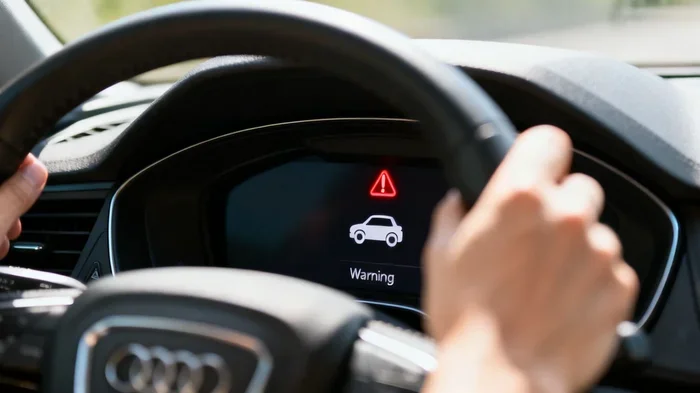
There are two types of VSC warnings you might see. The first is a yellow or amber triangle with an exclamation mark. The second is a red light that often comes with other warning indicators. A yellow light usually means a less urgent issue. A red light can signal a more serious problem that needs immediate attention.
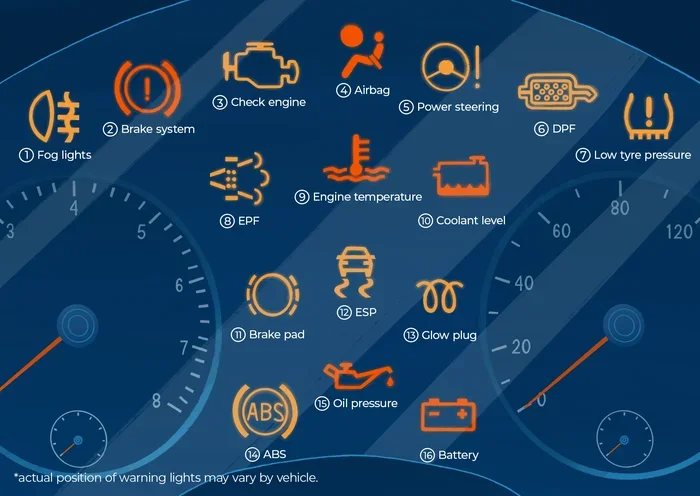
Many drivers confuse the VSC light with the check engine light. While they can be related, they are not the same thing. The check engine light monitors your engine and emissions systems. The VSC light specifically tracks your car’s stability and traction control functions. However, a problem detected by the VSC system can sometimes trigger the check engine light as well.
How the VSC System Works
The VSC system uses sensors on each wheel to monitor speed and traction. It also monitors your steering angle and yaw rate, which is how fast your car rotates. If the system detects that your car is sliding or losing grip, it automatically applies the brakes to individual wheels and reduces engine power. This helps you stay on course.
When one of these sensors fails or sends incorrect data, the entire VSC system shuts down as a safety precaution. That is when the VSC light comes on. The system essentially says, “I cannot reliably keep you safe, so I am turning myself off until the issue is fixed.”
Common Reasons the VSC Light Comes On
Understanding why the VSC light turns on is the first step toward fixing it. Several issues can trigger this warning. Some are simple and cheap to fix. Others require more attention. Let us look at the most common causes.
Faulty Wheel Speed Sensor
A bad wheel speed sensor is the number one reason the VSC light comes on. These sensors sit near each wheel and measure how fast they are spinning. When one sensor fails or gets dirty, it sends wrong information to the car’s computer. The VSC system then cannot do its job properly.
Wheel speed sensors are exposed to road conditions every day. Dirt, mud, salt, and water can all affect them over time. Replacing a wheel speed sensor is usually straightforward and affordable. Most mechanics can do it in under an hour.
ABS System Malfunction
Since the VSC system relies heavily on the ABS, any ABS problem can trigger the VSC light. If your ABS module fails or has a wiring issue, both the ABS and VSC lights may come on at the same time. This is a serious issue because your anti-lock brakes will not work correctly either.
ABS malfunctions can happen due to worn brake components, low brake fluid, or electrical faults. If you see both the ABS light and the VSC light on your dashboard, do not ignore it. Get your car checked as soon as possible.
Low Brake Fluid
Brake fluid is the lifeblood of your car’s braking system. When the level drops too low, it affects braking performance and can trigger the VSC light. Low brake fluid often indicates worn brake pads or a leak somewhere in the system.
Check your brake fluid reservoir under the hood. If the level is below the minimum mark, top it off with the correct type of fluid recommended in your owner’s manual. But remember, topping it off is only a temporary fix. You need to find and repair the source of the leak.
Steering Angle Sensor Problems
Your car has a steering angle sensor that tells the VSC system how much you are turning the wheel. If this sensor is misaligned or faulty, the VSC light will turn on. This often happens after a steering wheel replacement or alignment.
Recalibrating the steering angle sensor usually solves this problem. Some auto parts stores and dealerships offer this service for free or at a low cost. It is a quick fix that can turn off your VSC light immediately.
Faulty Yaw Rate Sensor
The yaw rate sensor measures how quickly your car is rotating around its vertical axis. It works together with the steering angle sensor to help the VSC system understand your car’s movement. When the yaw rate sensor goes bad, the system loses its ability to detect skids and slides.
Replacing a yaw rate sensor can be more expensive than other fixes. The part itself costs more, and the calibration process takes time. However, it is essential for your safety. Do not drive without a working yaw rate sensor if you can avoid it.
Electrical or Wiring Issues
Sometimes the problem is not a sensor at all. It can be a loose connection, corroded wiring, or a blown fuse. Modern cars rely on complex networks of wires and connectors. Even a small corroded terminal can disrupt communication between sensors and the car’s computer.
If you have recently had work done under the hood, check that all connectors are secure. A simple wiggle test on sensor plugs can sometimes reveal a loose connection that is causing the VSC light to stay on.
VSC Off Button Accidentally Pressed
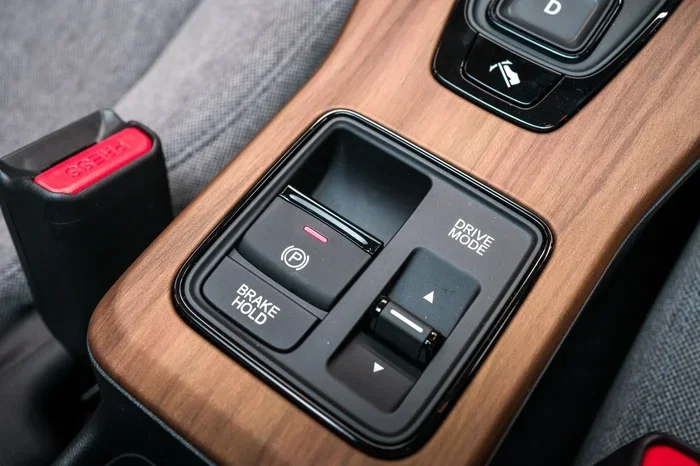
Many cars have a VSC off button, usually located near the gear shift or on the dashboard. If this button is accidentally pressed, the VSC light will turn on and stay on. This is the easiest fix of all. Simply press the button again to turn the system back on.
However, if the light stays on even after pressing the button, you have a real problem that needs diagnosis. Do not assume it is just a button issue.
Is It Safe to Drive With the VSC Light On?
This is the big question, and the answer is not a simple yes or no. Whether it is safe to drive with the VSC light on depends on several factors. Let us break it down.
In general, driving with the VSC light on is not ideal. Your car loses a layer of protection that was designed to keep you safe. On dry, flat roads at low speeds, you might be okay. But on wet, icy, or winding roads, the lack of stability control can be dangerous.
Short Distances and Low Speeds
If you need to drive a short distance to get to a mechanic, it is usually okay. Keep your speed low and drive carefully. Avoid sudden braking, sharp turns, and highway driving. Think of it as driving with reduced safety features. You need to compensate by being more cautious yourself.
For example, if you are driving to a nearby auto shop that is only ten minutes away on a dry road, the risk is relatively low. But if you are driving on a rainy highway, that risk increases significantly.
Long Distances and Highway Driving
Driving long distances with the VSC light on is not recommended. Highway driving involves higher speeds and less room for error. Without stability control, a sudden skid or hydroplane can be much harder to recover from. The VSC system is designed to help in exactly these situations.
If you must drive a long distance, drive at reduced speeds, leave extra following distance, and avoid driving in bad weather. Consider having someone else drive or arrange for a tow truck if the situation feels unsafe.
Driving in Bad Weather
This is where the VSC light becomes a serious concern. Rain, snow, ice, and even wet leaves can make roads treacherous. The VSC system is your best friend in these conditions. Without it, you are more likely to lose control of your vehicle.
If the VSC light is on and the weather turns bad, the safest choice is to pull over and wait. No appointment or errand is worth risking your life. Stay parked until you can get the problem fixed.
How to Diagnose the VSC Light
Figuring out why the VSC light is on starts with a proper diagnosis. You have several options for doing this. Each has its pros and cons. Let us look at them.
Use an OBD2 Scanner
An OBD2 scanner is the most common tool for diagnosing car problems. You plug it into a port under your dashboard, and it reads error codes stored in your car’s computer. These codes tell you exactly what is wrong.
You can buy a basic OBD2 scanner for under $30 at any auto parts store. More advanced scanners cost more but give you detailed information. If you have a scanner at home, plug it in and check for codes related to the VSC system. Common codes include C0200, C0205, and C0210, which all relate to wheel speed sensors and ABS issues.
Visit an Auto Parts Store
Many auto parts stores, like AutoZone or O’Reilly, offer free diagnostic scanning. They will plug in their scanner and read the codes for you. This is a quick and easy way to find out what is triggering the VSC light.
Keep in mind that the codes they give you are not always the final answer. They point you in the right direction but may not tell the whole story. A professional mechanic can dig deeper and find the root cause.
See a Professional Mechanic
For the most accurate diagnosis, visit a qualified mechanic. They have the tools, training, and experience to find problems that a basic scanner might miss. A mechanic can check the wiring, test each sensor, and inspect the brake system in detail.
This is especially important if multiple warning lights are on at the same time. A combination of VSC, ABS, and check engine lights could indicate a deeper issue with your car’s braking or electrical system.
How to Reset the VSC Light
Once you have fixed the underlying problem, you will want to reset the VSC light. Here is how to do it in most vehicles.
- Turn off the engine. Make sure your car is completely stopped and parked safely.
- Locate the OBD2 port. It is usually under the dashboard on the driver’s side.
- Plug in your OBD2 scanner. Turn the ignition to the on position without starting the engine.
- Clear the error codes. Follow the scanner instructions to erase the stored codes.
- Start the engine. Drive for a few minutes and see if the VSC light stays off.
If the light comes back on after resetting, the problem has not been fully resolved. Go back and double-check your repairs. Sometimes a sensor needs to be replaced rather than just cleaned or reseated.
You can also reset the VSC light by disconnecting the car battery for about 15 minutes. This clears all error codes and resets the car’s computer. However, this method should be a last resort because it can reset other settings in your car, like radio presets and power window calibration.
How to Prevent VSC Light Problems
Prevention is always better than repair. Here are some simple steps to keep your VSC system healthy and your VSC light off.
- Keep up with regular maintenance. Follow your car’s service schedule for brake inspections, fluid changes, and sensor checks.
- Check brake fluid regularly. Low brake fluid is one of the easiest problems to prevent. Just glance at the reservoir once a month.
- Clean your wheel speed sensors. During tire rotations or brake jobs, ask your mechanic to clean the sensors.
- Avoid driving through deep water. Submerging your car in water can damage sensors and wiring.
- Address warning lights promptly. Do not ignore any dashboard warning. Early detection prevents bigger problems later.
- Keep your tires in good condition. Worn tires affect traction and can cause false readings from the VSC system.
Expert Insights
Experienced mechanics agree that the VSC light should never be ignored. Even if your car seems to drive fine, a malfunctioning stability control system means you are less protected in an emergency. Many accidents are prevented by VSC, and a faulty system takes away that protection.
Automotive experts also recommend keeping a basic OBD2 scanner in your glove box. It costs very little and can save you hundreds of dollars in diagnostic fees. When the VSC light comes on, you can get a quick reading before heading to the shop. This gives you a head start on the repair and helps you avoid being overcharged.
One more tip from the pros: always check for software updates from your car manufacturer. Some VSC issues are caused by outdated software that can be updated at the dealership for free. It is worth checking, especially if your car is a few years old.
Key Takeaways
- The VSC light means your vehicle stability control system has detected a fault.
- Common causes include faulty wheel speed sensors, ABS problems, low brake fluid, and wiring issues.
- It is generally not safe to drive with the VSC light on in adverse weather or at high speeds.
- Short, low-speed drives to a repair shop are usually acceptable if conditions are safe.
- An OBD2 scanner is the best tool for diagnosing the root cause of the VSC light.
- Resetting the light without fixing the problem will only cause it to come back on.
- Regular maintenance and prompt attention to warning lights can prevent VSC issues.
Conclusion
So, is it safe to drive with the VSC light on right now? The honest answer is that it depends on the situation. If you are on a dry road, driving slowly, and going a short distance, the risk is lower. But in any challenging driving condition, a malfunctioning VSC system puts you at a real disadvantage.
The VSC light is your car’s way of asking for help. It is not something to ignore or brush off. Whether the cause is a simple wheel speed sensor or a more serious ABS issue, getting it diagnosed and repaired should be your priority.
Take the time to understand what the light means. Use an OBD2 scanner, visit a mechanic, and fix the problem. Your safety and the safety of others on the road depend on it. A working VSC system is one of the best investments in your daily driving safety.
Do not wait until it is too late. The next time you see that VSC light on your dashboard, take action. Your car is trying to tell you something important. Listen to it.
Frequently Asked Questions
Can I drive my car if the VSC light and check engine light are both on?
It is not recommended to drive when both lights are on. The combination often points to a shared issue, such as a faulty wheel speed sensor or ABS problem. These problems affect your braking and stability. Drive to a mechanic only if it is a short distance on safe roads.
How much does it cost to fix the VSC light?
The cost depends on the cause. A wheel speed sensor replacement typically costs between $100 and $300. ABS module repairs can range from $300 to over $1,000. Brake fluid top-offs are very inexpensive. Always get a quote from your mechanic before approving repairs.
Will the VSC light turn off by itself?
Sometimes the VSC light will turn off if the issue was temporary, such as a momentary sensor glitch. However, if the light stays on for more than a few trips, it will not go away on its own. You need to diagnose and fix the underlying problem.
What is the difference between VSC and traction control?
VSC and traction control are closely related but not the same. Traction control prevents your wheels from spinning during acceleration. VSC is broader and helps prevent skidding and loss of control during turning and braking. They work together to keep your car stable.
Can low tire pressure cause the VSC light to come on?
Yes, in some cases. Low tire pressure affects your car’s traction and can cause wheel speed sensors to send incorrect readings. This can trigger the VSC light. Always check your tire pressure when you see a VSC warning.
Is it safe to reset the VSC light without fixing the problem?
No. Resetting the VSC light without fixing the underlying issue is only a temporary solution. The light will come back on, and more importantly, your safety systems will remain disabled. Always fix the root cause first.