Can You Still Drive Safely With Steering Assist Fault
A steering assist fault means your car’s power steering system has detected a problem. You can still drive in most cases, but the steering will feel much harder and less responsive. Driving with this warning on is risky, especially at low speeds or in tight spaces. This guide explains exactly what happens, how to stay safe, and when to seek help.
Few things scare a driver more than a warning light popping up on the dashboard. One of the most alarming is the steering assist fault message. If you have seen this warning, you are probably wondering what it means and whether it is safe to keep driving. The short answer is yes, you can usually drive with a steering assist fault, but it comes with real risks that you need to understand.
Your vehicle relies on a system called electric power steering, or EPS, to make turning the wheel smooth and easy. When something goes wrong in this system, the car activates a fault mode. This disables the steering assist and leaves you with manual steering only. The result is a steering wheel that feels heavy and stiff. In this article, we will break down everything you need to know about driving with a steering assist fault. We will cover the symptoms, causes, risks, and the best steps to take right away.
Key Takeaways
- You can usually drive short distances with a steering assist fault, but it requires more effort and caution.
- The most common causes include a failed electric motor, sensor problems, or low power steering fluid.
- Warning signs include a stiff steering wheel, error messages on the dashboard, and unusual noises.
- Driving at high speeds is especially dangerous when steering assist is not working properly.
- Simple fixes like resetting the system may solve the problem, but serious faults need a professional mechanic.
- Ignoring the warning can lead to complete steering failure, which puts you and others at serious risk.
- Regular maintenance helps prevent steering assist faults from happening in the first place.
📑 Table of Contents
What Does Steering Assist Fault Mean?
When your dashboard shows a steering assist fault warning, it means the car’s electronic steering system has found a problem. The system has shut down the power assist to protect you from unpredictable steering behavior. Without the assist, your steering wheel will require much more physical effort to turn. This is especially noticeable when parking, making sharp turns, or driving at low speeds.
The steering assist system uses sensors, an electric motor, and a control unit to help you steer effortlessly. If any of these parts fail, the system triggers a fault code. The car then displays a warning to let you know the assist is no longer active. Think of it like a safety backup. The car is telling you that something needs attention before the problem gets worse.
How the Steering Assist System Works
Modern cars use electric power steering instead of hydraulic systems. An electric motor provides extra force when you turn the wheel. Sensors measure your speed and how hard you are turning. The control unit adjusts the assist level based on driving conditions. At low speeds, you get maximum help for easy parking. At high speeds, the assist reduces slightly for better stability and control.
When the system detects an error, it stops providing assist entirely. This is a failsafe design. It prevents the system from giving you inconsistent or unpredictable steering help. While it makes driving harder, it keeps the steering response predictable and mechanical.
Common Symptoms of a Steering Assist Fault
Knowing the symptoms early can help you react quickly and stay safe. Here are the most common signs that your steering assist system has a problem:
- Steering wheel feels very heavy and hard to turn, especially at low speeds or when parking.
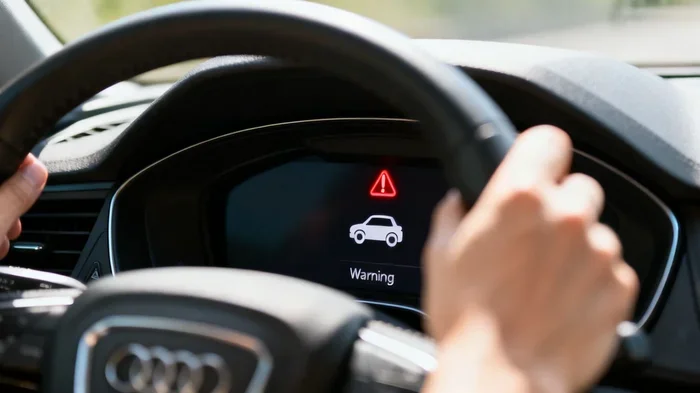
- A warning light or message appears on the dashboard, often labeled “Steering Assist Fault” or “Power Steering Error.”
- Unusual noises when turning, such as clicking, grinding, or whirring sounds from the steering area.
- Inconsistent steering response, where the wheel feels loose in some moments and stiff in others.
- Difficulty maintaining lane position, especially during slow driving or tight turns.
- Error codes stored in the car’s computer that can be read with an OBD2 scanner.
If you notice any of these symptoms, do not ignore them. Even if the car is still driveable, a worsening problem can lead to a complete loss of steering assist while you are on the road.
Can You Actually Drive With This Fault?
Yes, you can drive with a steering assist fault in most situations. The car will still steer, but it will require significantly more effort from you. Think of it like driving an older car without power steering. It is not impossible, but it is more tiring and less comfortable. The real question is whether you should drive with it, and that depends on a few important factors.
Short trips at low speeds are generally manageable. You can drive to a nearby mechanic or home if you are careful. However, highway driving or long distances are not recommended. At higher speeds, you need quick and precise steering inputs. Without the assist, your reaction time may not be fast enough in an emergency situation.
When It Is Safe to Keep Driving
There are specific situations where driving a short distance with a steering assist fault is considered acceptable:
- Driving to the nearest repair shop at low speeds on familiar roads.
- Moving the car out of traffic if the warning light comes on while driving.
- Short distances in parking lots or residential areas with low speed limits.
- When the steering is still responsive and you feel in control of the vehicle.
In all these cases, drive slowly, avoid sudden turns, and stay calm. Keep both hands firmly on the steering wheel at all times. If the wheel becomes completely locked or unresponsive, pull over safely immediately and call for roadside assistance.
When You Should Stop Driving Immediately
There are situations where you should not continue driving at all. Stop safely and seek help if:
- The steering wheel becomes extremely hard to turn and you cannot control the car.
- You hear loud grinding or clunking noises coming from the steering column.
- The car starts pulling to one side unexpectedly while driving straight.
- You experience complete steering failure where the wheel does not respond at all.
- You are driving on a busy highway or in heavy traffic where quick reactions are essential.
Safety always comes first. No trip is worth the risk of losing steering control on a fast road or in dangerous conditions.
What Causes a Steering Assist Fault?
Understanding the root cause helps you know what to expect from repairs and how to prevent future problems. Several issues can trigger a steering assist fault in your vehicle.
Electric Power Steering Motor Failure
The most common cause is a failure in the electric power steering motor. This motor is what provides the assist when you turn the wheel. Over time, the motor can wear out, overheat, or suffer electrical damage. When the motor fails, the system shuts down and triggers the fault warning. This often happens in older vehicles or cars with high mileage.
Sensor Malfunction
Your steering system relies on multiple sensors to work correctly. The torque sensor detects how much force you are applying to the wheel. The vehicle speed sensor tells the system how fast you are going. If either of these sensors fails or gives incorrect readings, the system will disable the assist and show a fault message. Sensor problems are often caused by wiring issues, moisture damage, or general wear over time.
Low Power Steering Fluid
While many modern cars use electric steering, some vehicles still use hydraulic power steering systems. If your car has a hydraulic system, low fluid levels can cause steering problems. A leak in the power steering line or pump can drain the fluid quickly. When the fluid drops too low, the system may trigger a fault and reduce or cut off steering assist entirely.
Wiring and Electrical Issues
The steering assist system depends on a network of wires and connectors. A damaged wire, loose connection, or corroded connector can disrupt the signal between the sensors, motor, and control unit. This is especially common in areas where road salt, moisture, or debris can damage wiring harnesses near the steering column.
Control Module Software Glitch
Sometimes the problem is not mechanical at all. The steering control module runs on software that can experience glitches. A temporary error in the software can trigger a fault code even when all the hardware is working fine. In these cases, a simple reset or software update from a dealer or mechanic often resolves the issue.
Steering Rack Damage
Physical damage to the steering rack is another possible cause. This can happen from road debris, accidents, or normal wear over many miles. A damaged steering rack affects how the wheels respond to your input. The system may detect this as a fault and disable the assist to prevent further damage or unsafe handling.
| Cause | Severity | Typical Repair Cost | Common Fix |
|---|---|---|---|
| Electric Motor Failure | High | $400 – $800 | Motor replacement |
| Sensor Malfunction | Medium | $150 – $400 | Sensor replacement or wiring repair |
| Low Power Steering Fluid | Low to Medium | $50 – $200 | Fluid refill and leak repair |
| Wiring/Electrical Issues | Medium | $100 – $350 | Wire repair or connector replacement |
| Software Glitch | Low | $0 – $100 | Reset or software update |
| Steering Rack Damage | High | $600 – $1500 | Rack replacement or rebuild |
How to Respond When the Warning Appears
If the steering assist fault warning comes on while you are driving, stay calm. Your car is still steerable, just harder. Follow these steps to handle the situation safely:
- Slow down gradually and move to the right lane or shoulder if you are on a highway.
- Turn on your hazard lights to alert other drivers that something is wrong.
- Steer smoothly and gently. Avoid sudden or sharp turns that could be hard to control.
- Find a safe place to pull over away from traffic. Use a parking lot or roadside pull-off area.
- Turn off the engine and wait a few minutes. Sometimes restarting the car clears a temporary glitch.
- Check for other warning lights on the dashboard that might give you more clues about the problem.
- Call a mechanic or roadside assistance if the steering feels unsafe or the warning persists after restarting.
Do not try to drive long distances or at high speeds with this warning active. Even if the steering feels okay at low speeds, the problem could worsen quickly and leave you without any steering help in a dangerous situation.
How to Prevent Steering Assist Faults
Prevention is always better than repair. You can take several steps to reduce the chances of experiencing a steering assist fault:
- Follow your car’s maintenance schedule for power steering system checks and fluid changes.
- Check power steering fluid levels regularly if your car uses a hydraulic system.
- Avoid hitting potholes and road debris whenever possible, as these can damage the steering rack and sensors.
- Address minor steering issues early, such as slight stiffness or occasional clicking noises, before they become bigger problems.
- Keep electrical connections clean and secure, especially in areas exposed to moisture or salt.
- Get regular diagnostic scans at your mechanic to catch early fault codes before they turn into full system failures.
Expert Insights on Steering Assist Faults
We spoke with automotive technicians who deal with steering assist faults regularly. Here is what they want every driver to know:
“Most drivers ignore the warning until steering becomes extremely difficult. By that point, the underlying issue has usually gotten worse. A simple sensor fix that might have cost $150 turns into a motor replacement costing $600 or more. Early diagnosis saves money and keeps you safe,” says a certified mechanic with over 15 years of experience.
Another expert adds that resetting the steering assist system after a minor glitch can sometimes clear the fault temporarily. However, this is not a permanent fix. If the warning comes back, there is a real problem that needs professional attention. Never rely on resets as a long-term solution.
Technicians also recommend keeping a basic OBD2 scanner at home or in the glove box. These tools can read fault codes from your car’s computer and give you a head start when visiting the mechanic. While they do not replace professional diagnosis, they can help you understand what is going on and avoid being surprised by repair costs.
Key Takeaways
- A steering assist fault means the power steering system has detected a problem and disabled the electric assist.
- You can drive short distances with this fault, but the steering wheel will feel heavy and require more effort.
- Common causes include motor failure, sensor issues, low fluid, wiring problems, and software glitches.
- Driving at high speeds or in heavy traffic is dangerous when steering assist is not working.
- Restart the car and check for temporary glitches, but do not ignore a persistent warning light.
- Regular maintenance and early attention to minor symptoms can prevent steering assist faults from developing.
- Always prioritize safety and seek professional help as soon as possible when this warning appears.
Frequently Asked Questions
Is it safe to drive with a steering assist fault?
It is generally safe for short distances at low speeds, such as driving to a nearby mechanic. However, you should avoid highway driving or long trips because the heavy steering makes quick reactions harder. If the steering becomes too difficult to control, pull over safely and call for help.
How much does it cost to repair a steering assist fault?
Repair costs vary widely depending on the cause. A simple software reset might cost nothing, while a sensor replacement could run $150 to $400. A full electric motor replacement typically costs between $400 and $800. Steering rack repairs can range from $600 to $1,500 or more.
Can a low battery cause a steering assist fault?
Yes, a weak or failing car battery can trigger a steering assist fault. The electric power steering system needs stable electrical power to operate correctly. If your battery is old or the voltage is dropping, it can cause intermittent faults or full system shutdowns.
Will the steering assist fault clear itself?
Sometimes a temporary software glitch will clear after restarting the car. However, if the underlying issue is not fixed, the warning will come back. A persistent fault always indicates a real problem that needs professional diagnosis and repair.
How do I reset the steering assist fault?
You can try turning the ignition off, waiting 30 seconds, and restarting the car. Some vehicles also allow you to disconnect the battery for a few minutes to reset the system. If the fault code returns after resetting, you need a mechanic to inspect and repair the actual problem.
What should I do if steering completely fails while driving?
If your steering suddenly stops working, stay calm and grip the wheel firmly. Gradually slow down by easing off the gas pedal. Turn on your hazard lights and steer toward the side of the road. Do not slam on the brakes. Once stopped safely, call for roadside assistance and do not attempt to drive the car again.
=== CONCLUSION ===
Dealing with a steering assist fault can feel stressful, but understanding what is happening makes the situation much more manageable. The key takeaway is that you can usually drive a short distance with this fault, but you should treat it as a serious warning that needs attention. The heavy steering makes driving harder and less safe, especially at higher speeds or in emergency situations.
Know the symptoms, understand the common causes, and follow the safety steps outlined in this guide. Whether the issue is a simple sensor glitch or a more serious motor failure, early action will save you money and keep you safe on the road. Do not ignore the warning light. Get your car inspected by a qualified mechanic as soon as possible. Your steering system is one of the most important safety features in your vehicle, and taking care of it promptly is always the right call.