Can a Diesel Car Run on Petrol Everything You Need to Know
Can a diesel car run on petrol? The short answer is no, not safely or for long. Diesel engines rely on compression ignition, while petrol engines use spark plugs. Putting petrol in a diesel car can cause serious fuel system damage, engine knocking, and costly repairs. If you accidentally misfuel, act quickly to drain the tank and avoid starting the engine.
Have you ever wondered can a diesel car run on petrol? Maybe you accidentally grabbed the wrong pump at the station. Or perhaps you are curious about fuel compatibility. Either way, this question matters more than most people think.
The truth is simple. A diesel car should never run on petrol. The two fuels work in completely different ways. Mixing them up can lead to engine damage, expensive repairs, and even a broken engine. In this guide, we will explain everything you need to know.
We will cover what happens inside the engine, why the combustion process differs, and what to do if you misfuel. By the end, you will have a clear picture of the risks and solutions.
Key Takeaways
- Petrol and diesel engines work differently: Compression ignition vs spark ignition makes them incompatible.
- Running a diesel car on petrol causes engine damage: The fuel system, injectors, and pistons can suffer serious harm.
- Act fast if you misfuel: Do not start the engine and call for professional help immediately.
- Petrol has a lower octane rating: This leads to premature ignition and knocking in diesel engines.
- Prevention is key: Always double-check the fuel nozzle color and label before filling up.
- Long-term use of petrol in a diesel car is catastrophic: It can destroy the engine beyond repair.
- Professional fuel drain is the safest fix: DIY solutions can make things worse.
📑 Table of Contents
- What Happens When You Put Petrol in a Diesel Car
- Why Diesel and Petrol Engines Are Different
- Can a Diesel Car Run on Petrol Even Briefly
- Signs Your Diesel Car Has Been Filled with Petrol
- What to Do If You Accidentally Put Petrol in Your Diesel Car
- Long-Term Effects and Prevention Tips
- Common Mistakes People Make After Misfueling
- Conclusion
What Happens When You Put Petrol in a Diesel Car
Putting petrol in a diesel car is one of the most common misfueling mistakes. But what actually happens inside the engine? Let us break it down.
The Combustion Process Misfires
A diesel engine uses compression ignition. Air gets squeezed until it is super hot. Then fuel is injected, and it ignites on its own. Petrol works the opposite way. It needs a spark from a spark plug to burn.
When you put petrol in a diesel car, the fuel does not ignite properly. The compression ratio is too high for petrol. This causes engine knocking, which sounds like a rattling noise under the hood. That knocking is your engine telling you something is very wrong.
Fuel System Damage
Petrol is a solvent. Diesel fuel acts as a lubricant for the fuel pump and fuel injectors. Petrol does not do this job well. Running petrol through a diesel fuel system strips away the lubrication.
This leads to metal-on-metal contact. Over time, the fuel pump and injectors wear out fast. In many cases, they need complete replacement. The cost can easily reach several thousand dollars.
Loss of Engine Power
Even if the car starts, it will not run well. You will notice a loss of power, rough idling, and poor acceleration. The engine may stall frequently. These are clear signs that the fuel system is not working as it should.
Why Diesel and Petrol Engines Are Different
Understanding the difference between these two engine types helps you see why can a diesel car run on petrol is such a bad idea. Let us look at the key differences.
How a Diesel Engine Works
A diesel engine relies on compression ignition. Here is how it works in simple steps:
- Air gets pulled into the cylinder.
- The piston compresses the air to a very high pressure.
- Diesel fuel is injected into the hot, compressed air.
- The fuel ignites on its own without a spark.
Diesel fuel has a high cetane number. This number measures how easily the fuel ignites under pressure. Higher cetane means smoother and more efficient combustion.
How a Petrol Engine Works
A petrol engine uses spark ignition. Here is the process:
- Air and petrol mix together in the cylinder.
- The piston compresses the mixture.
- A spark plug fires to ignite the mixture.
- The explosion pushes the piston down.
Petrol has a high octane rating. This measures how well the fuel resists premature ignition. In a diesel engine, you do not want premature ignition. That is exactly what petrol causes.
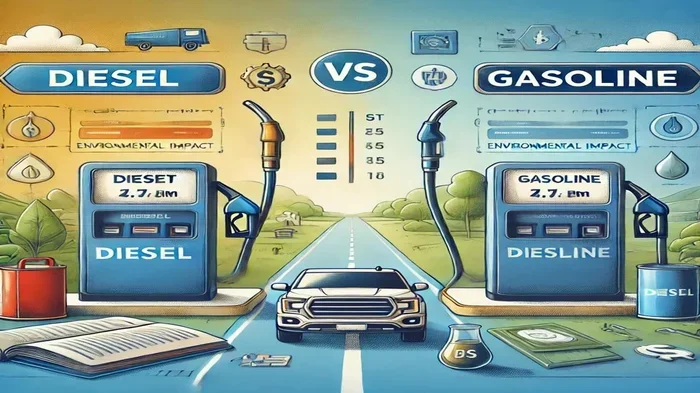
The Key Differences at a Glance
Here is a simple comparison of the two engine types:
- Ignition Method: Diesel uses compression. Petrol uses a spark.
- Fuel Lubricity: Diesel lubricates the system. Petrol does not.
- Compression Ratio: Diesel engines run at much higher compression.
- Fuel Rating: Diesel uses cetane number. Petrol uses octane rating.
- Torque Output: Diesel engines produce more torque at low speeds.
- Fuel Efficiency: Diesel engines are generally more fuel-efficient.
These differences show why fuel compatibility is so important. Never assume the two fuels are interchangeable.
Can a Diesel Car Run on Petrol Even Briefly
Some people think a short trip on petrol will not hurt. That is a dangerous assumption. Let us look at what happens in different scenarios.
Starting the Engine with Petrol in the Tank
If you start the engine after putting petrol in the tank, damage begins immediately. The petrol moves through the fuel lines and reaches the injectors. The lack of lubrication starts to wear down internal parts.
Even a few seconds of running can cause harm. The fuel injectors are especially vulnerable. They rely on diesel fuel to stay cool and lubricated. Petrol dries them out and causes friction.
Driving a Short Distance on Petrol
Driving even a short distance on petrol can do significant damage. The engine will knock and run rough. You may notice smoke from the exhaust or a strong petrol smell.
Do not try to drive to the nearest garage. The further you drive, the more damage occurs. Call a breakdown service and have the car towed instead.
What If Only a Small Amount Got In
Sometimes a small amount of petrol mixes with diesel. A few litres in a full tank might not cause immediate damage. However, it is still risky. The petrol contaminates the fuel and lowers the lubricity of the mixture.
If this happens, get the tank drained as soon as possible. Do not wait for symptoms to appear. Prevention is always better than repair.
Signs Your Diesel Car Has Been Filled with Petrol
Knowing the warning signs helps you catch the problem early. If you notice any of these symptoms, stop driving right away.
Engine Knocking or Rattling
Engine knocking is the most common sign. You will hear a metallic rattling sound, especially under load. This happens because petrol ignites too early in the combustion chamber. The knocking can damage pistons and connecting rods over time.
Rough Idle or Stalling
The engine may idle roughly or stall at traffic lights. This happens because the fuel is not burning correctly. The fuel injectors are not receiving the right fuel type, so the combustion cycle becomes erratic.
Loss of Power and Acceleration
You may feel the car is sluggish. Pressing the accelerator does not produce the usual response. This is a sign that the engine is struggling with the wrong fuel.
Smoke from the Exhaust
Black or blue smoke from the exhaust is a red flag. This indicates incomplete combustion. The fuel is not burning properly, and unburned particles are exiting the exhaust system.
Check Engine Light
Modern diesel cars have sensors that detect fuel irregularities. The check engine light may turn on. Do not ignore this warning. It is the car telling you something is seriously wrong.
What to Do If You Accidentally Put Petrol in Your Diesel Car
Misfueling happens more often than you think. Studies show that thousands of drivers make this mistake every year. Here is exactly what you should do.
Step 1: Do Not Start the Engine
This is the most important rule. If the car is not running, the petrol stays in the tank. Starting the engine pushes petrol through the fuel system and causes damage.
Step 2: Turn Off the Engine If Already Running
If you realize the mistake while driving, pull over safely. Turn off the engine immediately. Do not attempt to drive any further.
Step 3: Call for Professional Help
Contact a breakdown service or a mobile fuel drain company. They have the right equipment to drain the tank and flush the fuel lines. Do not try to fix this yourself.
Step 4: Do Not Attempt to Top Up with Diesel
Some people think adding diesel will dilute the petrol. This is a myth. It does not solve the problem and can push contaminated fuel deeper into the system.
Step 5: Get the Fuel System Inspected
After the tank is drained, have a mechanic inspect the entire fuel system. Check the fuel pump, injectors, and fuel lines for damage. Early detection can save you from bigger repairs later.
Quick Tips to Avoid Misfueling
- Always check the nozzle color. Diesel nozzles are usually green or black. Petrol nozzles are often red.
- Read the label on the pump. Do not rely on memory or the pump handle.
- Place a reminder on your dashboard. A small note can prevent costly mistakes.
- Stay focused at the pump. Distractions are the number one cause of misfueling.
- Use a fuel cap with a unique shape. Some diesel cars have different filler neck sizes to prevent petrol nozzles from fitting.
Long-Term Effects and Prevention Tips
Running a diesel car on petrol over time has devastating consequences. Let us look at the long-term effects and how to prevent them.
Engine Wear and Tear
Petrol does not lubricate the way diesel fuel does. Over time, the fuel pump and injectors wear out prematurely. Metal parts grind against each other, causing irreversible damage.
In severe cases, the engine may seize completely. A seized engine means a full replacement or a very expensive rebuild.
Catalytic Converter Damage
Petrol burns differently than diesel. The exhaust gases contain different chemical compounds. These can clog or damage the catalytic converter. Replacing this component is expensive and time-consuming.
How to Prevent Misfueling
Prevention is always better than cure. Here are some practical tips:
- Know your fuel type. Always remember whether your car takes diesel or petrol.
- Read the fuel cap label. Most cars have the fuel type printed on the cap.
- Stay alert at the station. Do not use your phone or get distracted while fueling.
- Use a fuel additive marker. Some diesel fuels contain markers that make contamination easier to detect.
- Teach other drivers. If family or friends drive your car, make sure they know the correct fuel type.
Expert Insights on Fuel Compatibility
Automotive experts agree on one thing. Never run a diesel engine on petrol, even for a short time. The compression ignition system is designed for diesel fuel only. Petrol causes premature ignition, poor lubrication, and long-term damage.
According to industry reports, the cost of repairing a diesel engine damaged by petrol can range from 500 to 5000 dollars or more. The exact cost depends on how long the engine ran on petrol and how far you drove.
The best advice is simple. If you suspect misfueling, stop immediately and seek professional help. Every minute you wait increases the risk of damage.
Common Mistakes People Make After Misfueling
Many drivers make mistakes that make the situation worse. Here are the most common ones to avoid.
- Trying to drive to a garage. This pushes contaminated fuel through the entire system.
- Adding more diesel to dilute the petrol. This does not work and can cause more harm.
- Ignoring the check engine light. The light is there for a reason. Do not dismiss it.
- Using cheap fuel additives. These do not fix the problem and can complicate the repair.
- Delaying professional help. The longer you wait, the more damage occurs.
Conclusion
The answer to can a diesel car run on petrol is a clear no. Petrol and diesel engines are built differently. They require different fuels to work properly. Putting petrol in a diesel car causes engine knocking, fuel system damage, and loss of power.
If you ever misfuel, do not start the engine. Call for professional help and have the tank drained immediately. Prevention is your best defence. Always double-check the fuel type before filling up.
Taking these simple precautions can save you from expensive repairs and keep your diesel car running smoothly for years to come.
Frequently Asked Questions
What happens if you put petrol in a diesel car?
Petrol causes premature ignition in a diesel engine because it lacks the lubricity of diesel fuel. This leads to engine knocking, fuel system damage, and potentially catastrophic engine failure if the car is driven.
Can a diesel car start on petrol?
Yes, a diesel car can sometimes start on petrol, but it should not be driven. Starting the engine pushes petrol through the fuel system, causing damage to the fuel pump, injectors, and other components.
How much petrol is dangerous in a diesel car?
Even a small amount of petrol can be harmful. As little as 10% petrol contamination can cause problems. The higher the percentage, the more severe the damage to the engine and fuel system.
What should I do immediately after misfueling?
Do not start the engine. Turn off the ignition if the car is already running. Call a breakdown service or mobile fuel drain company to have the tank emptied and the system inspected.
Is misfueling covered by car insurance?
Some comprehensive car insurance policies cover misfueling damage. However, coverage varies by provider and policy. Check your insurance details or contact your provider to confirm.
How can I prevent putting petrol in my diesel car?
Always check the fuel nozzle color and pump label before filling. Read the fuel cap on your car for the correct fuel type. Stay focused at the pump and avoid distractions to prevent costly mistakes.