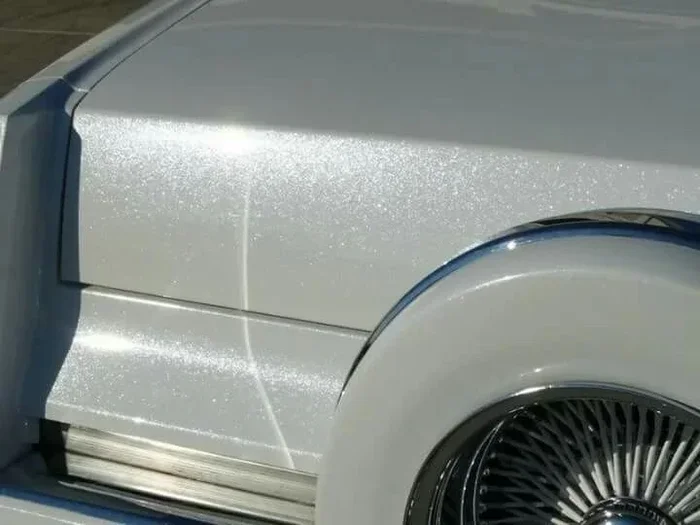
Candy White Car Paint Guide for a Show Stopper Look
Candy white car paint delivers a stunning, translucent white finish that looks incredible on any vehicle. This guide covers everything from application techniques and product choices to cost estimates and maintenance tips. You will learn how to achieve a professional-grade candy white finish that turns heads at every car show.
Key Takeaways
- Candy white paint uses layered translucent coats to create a deep, glowing white finish that regular paint cannot match.
- The candy paint process requires three key layers: base coat, candy layer, and clear coat for maximum depth and shine.
- Professional application costs between $3,000 and $10,000 depending on the vehicle size and complexity of the job.
- Choosing the right products like House of Kolor, PPG, or Sherwin-Williams candy white paint ensures a flawless result.
- Regular washing and waxing keeps your candy white finish looking fresh and protects the translucent layers from damage.
- Avoid common mistakes like skipping the guide coat, applying candy coats too thick, or using low-quality clear coats.
- Candy white paint works best on smooth, well-prepped surfaces and demands patience at every stage of the process.
📑 Table of Contents
- What Is Candy White Car Paint?
- How Candy White Paint Works: The Layering System
- Best Candy White Paint Products for Your Project
- Candy White Paint Job Cost and Time Investment
- Tips for a Flawless Candy White Finish
- Common Mistakes to Avoid with Candy White Paint
- Candy White Paint vs. Other Popular Car Paint Colors
- Maintaining Your Candy White Car Paint
- Final Thoughts on Candy White Car Paint
What Is Candy White Car Paint?
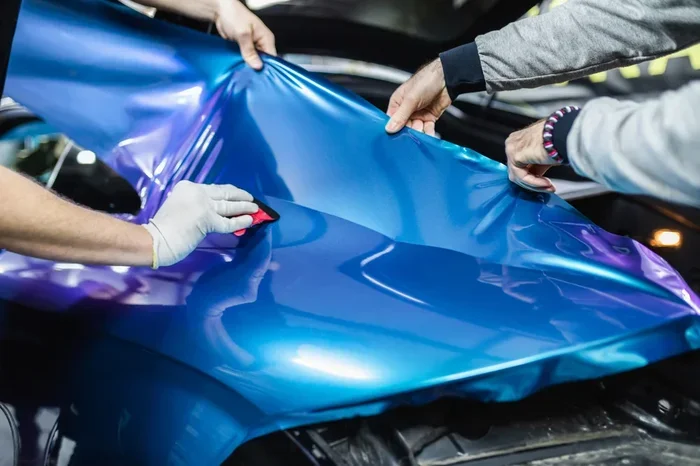
Candy white car paint is a special automotive finish that creates a rich, translucent white look. Unlike regular white paint, candy white has a glass-like depth that makes your car glow from the inside out. This finish has been a favorite among car enthusiasts for decades.
The magic of candy white car paint comes from its layered application. Each layer adds depth and clarity. The result is a finish that looks almost wet, even when dry. Many people confuse candy paint with metallic paint, but they are very different. Metallic paint uses tiny metal flakes for sparkle. Candy paint uses transparent color layers over a white base to create depth.
If you want your car to stand out at shows or on the street, candy white car paint is one of the best choices you can make. It works on all types of vehicles, from classic cars to modern trucks. The finish catches light beautifully and changes subtly as you move around the car.
Many people also call this finish candy apple white or candy coat paint. The terms all refer to the same technique. You build up transparent white layers over a solid white base. This creates that signature deep, luminous glow that candy finishes are known for.
How Candy White Paint Works: The Layering System
Understanding how candy white car paint works helps you appreciate the craft behind it. The process uses three main layers, each serving a specific purpose. Let us break them down so you understand exactly what goes on under that stunning finish.
The Base Coat
The base coat is the foundation of your entire paint job. For candy white, you start with a solid white base. This base provides the opacity that the candy layers need. Without a solid white base, the candy coat would look thin and washed out.
Most painters use a high-quality white base coat from brands like PPG, Sherwin-Williams, or House of Kolor. The base must be perfectly smooth. Any imperfections will show through the translucent candy layers. This is why surface prep is so important before you ever spray a coat of paint.
The Candy Layer
The candy layer is where the magic happens. This is the transparent white paint that gives the finish its depth. You apply multiple thin coats of candy white paint over the base coat. Each layer adds more translucency and glow.
The key to a great candy layer is thin, even coats. If you apply too much paint at once, it runs or looks cloudy. Most professionals apply three to five thin coats. They let each coat dry before adding the next. This patience pays off with a beautiful, glass-like finish.
The Clear Coat
The clear coat is the final protective layer. It seals in the candy layers and adds gloss. A good clear coat makes the paint durable and resistant to UV rays, rain, and road debris. Without clear coat, your candy white finish would dull and scratch easily.
Many painters use a high-build clear coat for extra depth. This adds a slight wet look that enhances the candy effect. Brands like 3M, DuPont, and PPG make excellent clear coats for candy finishes. The clear coat also determines how much sparkle or shine your finish has.
Best Candy White Paint Products for Your Project
Choosing the right products makes or breaks your candy white paint job. Not all paints are created equal. Some brands specialize in candy finishes and offer products designed specifically for this technique. Here are the top brands you should consider.
- House of Kolor – A favorite among custom painters. Their candy white line offers excellent translucency and easy sprayability.
- PPG – A trusted name in automotive paint. PPG candy white products are known for durability and consistent quality.
- Sherwin-Williams – Offers professional-grade candy paints that work well for both beginners and experts.
- Spies Hecker – A premium option with outstanding color depth and smooth application.
- Axalta – Known for innovative paint technology and a wide range of candy white formulas.
When shopping for candy white car paint, look for products labeled as “candy” or “translucent.” Regular white paint will not give you the same effect. You also need a compatible base coat and clear coat from the same product line. Mixing brands can cause adhesion problems or color inconsistencies.
For those doing it yourself, starter kits from these brands include everything you need. They typically include the base coat, candy coat, and clear coat. Some kits also include a guide coat and sanding materials. This makes the process easier for first-time painters.
Candy White Paint Job Cost and Time Investment
The cost of a candy white car paint job varies widely. Several factors affect the final price. Understanding these factors helps you set realistic expectations for your project.
Factors That Affect Cost
- Vehicle size – Larger vehicles like trucks and SUVs cost more than compact cars.
- Number of paint layers – More candy coats mean more material and labor time.
- Body work needed – Dents, rust, or old paint removal adds to the cost.
- Painter’s experience – Skilled professionals charge more but deliver better results.
- Location – Paint shops in major cities often charge higher rates.
For a standard candy white car paint job on a sedan, expect to pay between $3,000 and $5,000 at a professional shop. Larger vehicles or custom designs can push costs to $8,000 or even $10,000. These prices include prep work, all paint layers, and clear coat application.
DIY candy paint jobs cost significantly less in materials. A complete DIY kit runs $500 to $1,500. However, DIY requires skill, proper equipment, and a well-ventilated workspace. Mistakes can be expensive to fix, so be honest about your experience level before starting.
Time Required
A professional candy white paint job takes about one to two weeks. This includes several days of curing time between coats. DIY projects can take longer, especially for beginners. Plan for at least two to three weeks to allow proper drying and curing.
Tips for a Flawless Candy White Finish
Achieving a perfect candy white car paint finish takes practice and patience. Even experienced painters face challenges with this technique. These tips will help you get the best possible results.
Prep Your Surface Thoroughly
Surface preparation is the most important step in any paint job. Start by washing the vehicle to remove dirt and grease. Then sand the entire surface with a fine-grit sandpaper. This creates a rough surface for the paint to grip. After sanding, wipe down the car with a tack cloth to remove all dust.
Apply a primer coat after prep. The primer fills in small imperfections and provides a smooth surface for the base coat. Let the primer cure completely before moving to the next step. Rushing this process is one of the most common mistakes painters make.
Use a Guide Coat
A guide coat is a thin layer of dark spray paint applied over the primer. It helps you spot imperfections after sanding. Once you sand the guide coat smooth, wipe it away before applying the base coat. This simple step ensures a perfectly smooth surface for your candy white paint.
Apply Thin, Even Coats
When spraying candy white paint, less is more. Hold the spray gun about 10 to 12 inches from the surface. Use smooth, overlapping passes. Each coat should be thin enough to dry quickly but thick enough to provide coverage.
Watch for runs and sags. If you see a drip forming, stop immediately and let it dry. Then sand the area lightly and reapply. Multiple thin coats always produce better results than one thick coat.
Control Your Environment
Painting in a controlled environment is essential. Ideally, you should work in a booth with temperature control and filtered air. If you do not have access to a booth, choose a dry day with low humidity. Avoid painting in direct sunlight or windy conditions.
Dust and debris are the enemies of a smooth paint finish. Cover nearby surfaces and use a paint booth filter if possible. Even a small piece of dust trapped in your paint can ruin the finish.
Common Mistakes to Avoid with Candy White Paint
Even the best painters make mistakes. Knowing what to avoid saves you time, money, and frustration. Here are the most common errors people make when working with candy white car paint.
- Skipping the base coat – Candy paint needs a solid white base to look good. Without it, the finish looks transparent and weak.
- Applying candy coats too thick – Thick coats cause runs, sags, and a cloudy appearance. Always go thin and build up gradually.
- Using mismatched products – Mixing paint brands or product lines can cause adhesion failure and color problems.
- Rushing the curing process – Each layer needs proper drying time. Applying the next coat too soon traps moisture and causes bubbling.
- Neglecting the clear coat – The clear coat protects your candy finish. Skipping it leaves the paint vulnerable to scratches and UV damage.
- Painting in poor conditions – Humidity, dust, and temperature extremes all affect paint quality. Always paint in clean, controlled conditions.
Avoiding these mistakes dramatically improves your chances of a flawless finish. If you are new to candy painting, practice on a scrap panel first. This lets you test your technique before committing to the entire vehicle.
Candy White Paint vs. Other Popular Car Paint Colors
Not sure if candy white is right for you? Let us compare it to other popular paint options. Each finish has unique qualities that suit different tastes and budgets.
| Feature | Candy White | Metallic White | Solid White | Pearlescent White |
|---|---|---|---|---|
| Depth and Glow | Excellent | Good | Low | Very Good |
| Cost | High | Medium | Low | Medium-High |
| Maintenance | Moderate | Easy | Very Easy | Moderate |
| Show-Worthy | Yes | Good | No | Yes |
| Durability | Good with clear coat | Good | Excellent | Good |
| Application Difficulty | Advanced | Intermediate | Beginner | Intermediate |
Candy white paint offers the most dramatic and eye-catching look among white finishes. It costs more than solid or metallic white, but the result is worth it for show cars and custom builds. If you want maximum impact, candy white car paint is hard to beat.
Metallic white is a good budget-friendly alternative. It provides sparkle and shine at a lower cost. Pearlescent white offers a subtle shimmer that looks elegant. Solid white is the simplest and most affordable option. It is easy to apply and maintain but lacks the depth of candy finishes.
Maintaining Your Candy White Car Paint
Your candy white paint job is an investment. Proper maintenance keeps it looking stunning for years. Follow these simple steps to protect your finish.
- Wash regularly – Use a pH-neutral car wash soap and a soft microfiber mitt. Wash your car at least once a week to remove dirt and contaminants.
- Apply wax every three months – A quality carnauba wax adds a protective layer and enhances the gloss. Avoid harsh automated car washes that use strong chemicals.
- Use a ceramic coating – For long-term protection, apply a ceramic coating after the paint cures. This creates a durable barrier against UV rays, bird droppings, and tree sap.
- Park in the shade – Prolonged sun exposure can dull candy paint over time. Park indoors or under a cover whenever possible.
- Touch up chips immediately – Even small chips can lead to rust if left untreated. Keep touch-up paint from your paint shop on hand.
With proper care, your candy white car paint finish will stay vibrant and deep-looking for many years. The clear coat does most of the protective work, but regular maintenance keeps everything looking its best.
Final Thoughts on Candy White Car Paint
Candy white car paint is more than just a color. It is a statement. The translucent layers, the deep glow, and the mirror-like finish all come together to create something truly special. Whether you are building a show car or simply want your daily driver to stand out, candy white delivers results that never disappoint.
The process requires patience, quality products, and attention to detail. But the reward is a finish that looks better than anything you can buy off the lot. If you are willing to invest the time and money, candy white car paint will transform your vehicle into a true showstopper.
Start by choosing the right products. Prep your surface properly. Apply thin, even coats. And protect your finish with regular maintenance. Follow these steps and you will have a candy white paint job that turns every head on the road.
Frequently Asked Questions
Can I apply candy white car paint myself?
Yes, you can apply candy white paint yourself if you have basic spray painting skills and the right equipment. However, candy paint is more challenging than regular paint because it requires precise layering and thinning. Practice on scrap panels first to build your confidence before tackling your vehicle.
How long does candy white car paint last?
With proper care and a quality clear coat, candy white paint can last 10 years or more. The clear coat protects the translucent layers from UV damage and environmental wear. Regular washing, waxing, and ceramic coating significantly extend the lifespan of the finish.
Is candy white paint more expensive than regular white paint?
Yes, candy white paint is more expensive than regular solid white paint. The cost difference comes from the additional layers, specialized products, and more labor-intensive application process. A professional candy white job typically costs two to three times more than a standard solid white paint job.
What is the difference between candy paint and metallic paint?
Candy paint uses transparent color layers over a solid base to create depth and glow. Metallic paint uses tiny metal flakes suspended in the paint for sparkle. Candy paint has a deeper, wetter look while metallic paint has a flashier, sparkly appearance. Both are beautiful but achieve their effects differently.
Does candy white paint require special maintenance?
Candy white paint requires slightly more maintenance than solid paint. The translucent layers can show imperfections more easily. You should wash your car gently, avoid harsh automated car washes, and apply wax or ceramic coating regularly. These steps protect the clear coat and keep the finish looking its best.
Can candy white paint be applied over an existing paint job?
Yes, candy white paint can be applied over an existing paint job if the surface is properly prepared. The existing paint must be clean, smooth, and free of damage. Light sanding and a quality primer create the best bonding surface. However, full strip and prep always produces the best long-term results for candy finishes.