What Does AMG Stand For Discover the Meaning and Legacy
AMG stands for Aufrecht, Melcher, and Großaspach, the names of the three founders and their hometown that started it all. What began as a small tuning shop in Germany grew into one of the most powerful and respected names in high-performance automotive engineering. Today, Mercedes-AMG represents the pinnacle of sporty driving, combining raw power with luxury in every AMG model on the road.
If you have ever seen a sleek black Mercedes with a red three-pointed star and a small “AMG” badge on the grille, you have witnessed automotive excellence in its purest form. But what does AMG stand for? The answer is far more interesting than most people realize. The story behind these three letters spans decades of passion, engineering brilliance, and a relentless pursuit of speed.
What Does AMG Stand For? It stands for Aufrecht, Melcher, and Großaspach. These are not just random letters. They represent the names of two brilliant engineers and the small German town where their journey began. Together, they built a legacy that now defines what it means to drive a truly powerful car.
In this article, we will dive deep into the meaning behind AMG, explore its fascinating history, and look at why the Mercedes-AMG brand has earned such a powerful reputation. Whether you are a car enthusiast or simply curious about the badge on your neighbor’s sedan, this guide covers everything you need to know.
Key Takeaways
- AMG Meaning: AMG stands for Aufrecht, Melcher, and Großaspach, the founders and their hometown.
- AMG History: The brand started in 1967 as a small engine tuning company before becoming a Mercedes-Benz partner.
- Performance Focus: Every AMG engine is hand-built with a focus on power, precision, and driving thrill.
- Iconic Models: From the AMG C-Class to the AMG GT, the lineup covers sedans, SUVs, and supercars.
- Racing Heritage: AMG has a deep connection to motorsport, including DTM and endurance racing success.
- Distinctive Sound: The AMG exhaust note is one of the most recognizable sounds in the automotive world.
- Buying Tip: Understanding the AMG badge helps buyers choose the right performance level for their needs.
📑 Table of Contents
What Does AMG Stand For?
The full meaning of AMG traces back to the founding of the company in 1967. Hans Aufrecht and Erhard Melcher started the business based on their shared love for engines and performance. The “G” in AMG stands for Großaspach, which is the small town in Baden-Württemberg, Germany, where Hans Aufrecht was born.
So when you see the AMG badge, you are looking at a name that carries the identity of real people and a real place. This is not a marketing trick. It is a badge of honor that represents genuine engineering passion.
The Founders Behind the Name
Hans Aufrecht and Erhard Melcher were both engineers who worked at Mercedes-Benz in the early 1960s. They shared a vision of creating more powerful and capable engines. In 1967, they founded AMG as a small engineering and tuning company. Their workshop was based in Großaspach, a quiet town that would soon become the birthplace of a performance revolution.
At first, AMG focused on engine tuning and racing preparations. The company built its reputation through motorsport success. Racers and car enthusiasts began to notice that AMG engines delivered incredible power and reliability. This early success laid the foundation for what would become one of the most respected names in the automotive world.
Why the Full Name Matters
Understanding the full meaning of AMG helps you appreciate the brand on a deeper level. Every time you see an AMG vehicle, you are looking at a machine that carries the legacy of three key elements. The people, the place, and the passion for building extraordinary engines. This origin story sets AMG apart from other performance brands that use generic or made-up names.
The name also reflects the company’s roots in German engineering. Precision, quality, and attention to detail are baked into every AMG product. When you drive an AMG car, you are experiencing the result of over five decades of dedication to performance excellence.
The History of AMG and Mercedes-Benz
The relationship between AMG and Mercedes-Benz is one of the most successful partnerships in automotive history. But it did not start that way. For years, AMG operated independently, building high-performance engines and tuning Mercedes-Benz cars for racing and road use.
Early Days as an Independent Tuning Company
In the late 1960s and 1970s, AMG operated as a small but mighty tuning company. The team focused on creating powerful engine upgrades for Mercedes-Benz vehicles. Their work in motorsport brought them early recognition. AMG engines powered race cars that dominated tracks across Europe.
One of the most notable early achievements was AMG’s success in the German Touring Car Championship, known as DTM. The company’s engines proved to be faster and more reliable than many competitors. This racing success built a strong reputation and attracted attention from car buyers who wanted a taste of that racing DNA in their daily drivers.
The Partnership with Mercedes-Benz
The turning point came in 1990 when AMG and Mercedes-Benz signed a cooperation agreement. This partnership allowed AMG to access Mercedes-Benz platforms and distribution networks. In return, Mercedes-Benz gained access to AMG’s engineering expertise and performance know-how.
This collaboration was a game-changer. It allowed AMG to develop complete vehicles rather than just tuning existing models. The first true Mercedes-AMG model was the C 36 AMG, which debuted in 1993. It combined the comfort and refinement of a Mercedes-Benz with the raw power and sporty character that AMG was known for.
DaimlerChrysler Takes Full Ownership
In 1999, DaimlerChrysler (now Mercedes-Benz Group) acquired a majority stake in AMG. By 2005, Mercedes-Benz had fully absorbed AMG into its lineup. Today, AMG operates as a high-performance division within the Mercedes-Benz brand. This means every AMG vehicle benefits from the resources and technology of one of the world’s largest automakers.
Despite this corporate structure, AMG has managed to maintain its independent spirit. The hand-built engines, the distinctive styling, and the racing heritage all remain intact. This balance between Mercedes-Benz resources and AMG independence is what makes the brand so special.
What Makes AMG Engines So Special?
The heart of every AMG vehicle is its engine. AMG engines are famous for their power, sound, and engineering quality. But what exactly makes them different from standard Mercedes-Benz engines?
Hand-Built by Master Engineers
Every AMG engine is hand-built by a single master engineer. This is a tradition that dates back to the earliest days of the company. Each engineer signs their name on the engine they build. This personal touch ensures that every engine receives the care and attention it deserves.
This one-engine-one-engineer approach is rare in the automotive industry. Most manufacturers use automated assembly lines for engine production. AMG believes that the human touch makes a difference. It is a commitment to quality that sets AMG apart from competitors.
Power and Performance Numbers
AMG engines are known for delivering impressive horsepower and torque figures. The entry-level AMG models still produce significantly more power than their standard Mercedes-Benz counterparts. At the top end, AMG supercars produce over 700 horsepower from their twin-turbo V8 engines.
Here is a quick look at some popular AMG engines and their power output:
- AMG 2.0L Turbo Inline-4: Produces around 402 to 416 horsepower. Found in the AMG A-Class and CLA 45.
- AMG 4.0L Twin-Turbo V8: Produces between 469 and 730 horsepower depending on the variant. Used in the AMG C 63, E 63, and GT models.
- AMG 6.3L V8 (Naturally Aspirated): A legendary engine producing 510 to 525 horsepower. Found in older C 63 and SL 63 models.
- AMG 4.0L Twin-Turbo V8 Hybrid: Combines a V8 engine with an electric motor for over 800 horsepower in the AMG One hypercar.
The AMG Exhaust Note
One of the most distinctive features of an AMG vehicle is its sound. The AMG exhaust note is deep, aggressive, and unmistakable. It is a sound that instantly identifies an AMG car on the road or at a track day.
AMG engineers carefully tune the exhaust system to produce this signature sound. The design balances performance with acoustics, ensuring that the engine note is both powerful and pleasing. Many car enthusiasts choose AMG specifically because of this unique auditory experience.
The AMG Model Lineup
Today, the Mercedes-AMG lineup covers a wide range of vehicles. From compact sedans to full-size SUVs and supercars, there is an AMG model for almost every type of driver. Let us take a closer look at the key segments.
AMG Sedans and Coupes
The AMG sedan and coupe range includes some of the most popular performance cars on the market. The AMG C-Class is the entry point into the AMG world. It offers a perfect balance of daily comfort and sporty performance. The AMG E-Class and S-Class take the luxury and power to a higher level.
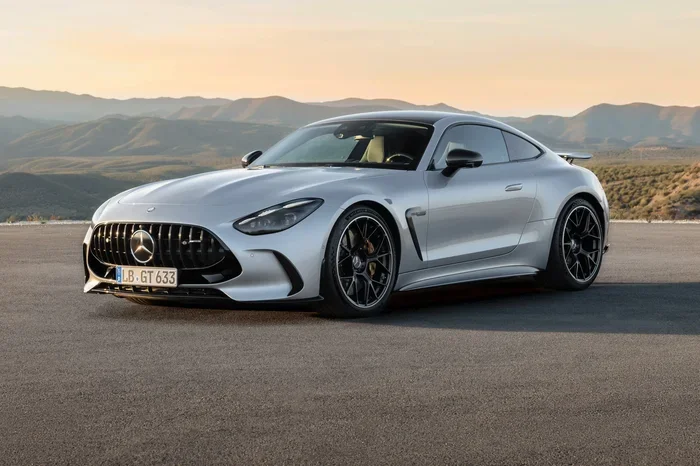
The AMG GT and AMG GT Pro are flagship sports cars that compete with the best in the world. These vehicles feature mid-engine layouts, advanced aerodynamics, and track-focused engineering. They represent the absolute peak of AMG’s road car capabilities.
AMG SUVs
AMG has expanded into the SUV segment with impressive results. The AMG GLE 63 and AMG GLS 63 are full-size performance SUVs that combine utility with incredible speed. These vehicles can accelerate from zero to sixty in under four seconds while still offering seating for seven passengers.
The AMG G-Class, also known as the G-Wagon, has become an icon of luxury and off-road capability. The AMG G63 variant adds a massive V8 engine and enhanced performance features to this legendary platform. It is one of the most recognizable and desirable SUVs in the world.
AMG Special Editions and Limited Models
AMG regularly releases special edition models that offer unique styling and performance upgrades. These limited-run vehicles often feature exclusive color options, interior treatments, and enhanced power output. Collectors and enthusiasts eagerly await each new special edition release.
Some notable special editions include the AMG C 63 S Edition 507, the AMG GT Black Series, and the AMG SL 63 Edition Limited. These models push the boundaries of what AMG can deliver and often become highly sought after in the used car market.
The AMG Badge and What It Means on the Road
The AMG badge is more than just a logo. It is a symbol of performance, quality, and engineering excellence. When you see an AMG badge on a car, you know that vehicle has been engineered to deliver an exceptional driving experience.
Design and Placement
The AMG badge features the letters “AMG” in a distinctive typeface, often accompanied by the Mercedes-Benz three-pointed star. The badge appears on the front grille, the steering wheel, the seat headrests, and the floor mats. It is a subtle but unmistakable sign of the vehicle’s performance heritage.
Inside the car, AMG-specific details set the interior apart. Sport seats with the AMG logo, a flat-bottom steering wheel, and unique trim elements all contribute to the driver-focused cabin environment. Every detail has been designed to enhance the driving experience.
What the Badge Tells You
The AMG badge communicates several things about the vehicle. First, it tells you that the car has been built with a focus on performance. Second, it indicates that the vehicle has received enhanced engineering and tuning compared to standard Mercedes-Benz models. Third, it signals a connection to AMG’s racing heritage and motorsport success.
For many car buyers, the AMG badge is a key factor in their purchase decision. It represents a promise of driving pleasure, power, and prestige. The badge has become synonymous with high-performance luxury vehicles.
Common Mistakes People Make When Buying an AMG
Buying an AMG vehicle is an exciting experience, but there are some common pitfalls that buyers should be aware of. Understanding these mistakes can help you make a smarter purchase decision.
Overlooking Maintenance Costs
AMG vehicles are high-performance machines, and that comes with higher maintenance costs. Tires, brakes, and engine oil all need to be replaced more frequently than on a standard Mercedes-Benz. Prospective buyers should factor these costs into their budget before making a purchase.
Choosing the Wrong Model for Your Needs
With so many AMG models available, it is easy to choose one that does not suit your lifestyle. A large AMG SUV may look impressive, but it might not be practical for daily city driving. Consider your real-world needs before falling in love with a particular model.
Ignoring the Used Car Market
AMG vehicles hold their value well, but buying a used model can save you a significant amount of money. Older AMG models often offer the same driving thrill at a fraction of the cost of a brand-new vehicle. Research the used market thoroughly before deciding.
Expert Insights on the AMG Legacy
Industry experts consistently praise AMG for its commitment to performance and engineering quality. The hand-built engine philosophy alone sets AMG apart from most competitors. According to automotive analysts, AMG has successfully balanced the demands of modern luxury with the thrill of high-performance driving.
Many experts also highlight AMG’s role in shaping the modern performance car market. The company helped popularize the idea of a luxury performance sedan and SUV. Before AMG, high-performance cars were mostly limited to sports cars and track-focused machines. AMG proved that you could have both comfort and speed in a single vehicle.
The AMG One hypercar, which debuted in 2022, represents the absolute pinnacle of this philosophy. It uses a Formula 1-derived hybrid powertrain that produces over 1,000 horsepower. This car demonstrates that AMG is not resting on its laurels. The company continues to push the boundaries of what is possible in a road-legal car.
Key Takeaways
- AMG Meaning: AMG stands for Aufrecht, Melcher, and Großaspach, the founders and their hometown.
- AMG History: The brand started in 1967 as a small engine tuning company before becoming a Mercedes-Benz partner.
- Performance Focus: Every AMG engine is hand-built with a focus on power, precision, and driving thrill.
- Iconic Models: From the AMG C-Class to the AMG GT, the lineup covers sedans, SUVs, and supercars.
- Racing Heritage: AMG has a deep connection to motorsport, including DTM and endurance racing success.
- Distinctive Sound: The AMG exhaust note is one of the most recognizable sounds in the automotive world.
- Buying Tip: Understanding the AMG badge helps buyers choose the right performance level for their needs.
Conclusion
So, what does AMG stand for? The answer is Aufrecht, Melcher, and Großaspach. But the true meaning of AMG goes far beyond those three words. It represents a legacy of performance, engineering excellence, and a passion for building extraordinary cars.
From a small tuning shop in Germany to one of the most powerful names in the automotive world, AMG has come a long way. The hand-built engines, the racing heritage, and the distinctive sound all tell a story of dedication and craftsmanship. Every Mercedes-AMG vehicle carries that story with pride.
Whether you are drawn to the AMG C-Class for its balanced performance or the AMG GT for its supercar thrills, understanding the meaning behind the badge adds another layer of appreciation. The next time you see an AMG on the road, you will know exactly what those letters represent and the incredible journey behind them.
The AMG legacy continues to grow with each new model and innovation. As the automotive industry evolves, AMG remains committed to its core values of performance, quality, and driver engagement. That is a legacy worth celebrating and a story that is still being written.
Frequently Asked Questions
What does AMG stand for in Mercedes cars?
AMG stands for Aufrecht, Melcher, and Großaspach. These are the names of the two founders and their hometown in Germany where the company was established in 1967.
Is AMG better than standard Mercedes-Benz?
AMG models offer higher performance, more power, and sportier tuning compared to standard Mercedes-Benz vehicles. They are designed for drivers who want a more engaging and thrilling driving experience.
Are AMG engines really hand-built?
Yes, every AMG engine is hand-built by a single master engineer who signs their name on the engine. This tradition ensures exceptional quality and attention to detail in every unit.
What is the most powerful AMG model?
The AMG One is currently the most powerful AMG model, producing over 1,000 horsepower from a Formula 1-derived hybrid powertrain. It represents the absolute peak of AMG’s engineering capabilities.
Can I buy a used AMG and save money?
Yes, buying a used AMG can save you a significant amount of money. Older models still deliver excellent performance and often hold their value well on the used car market.
What does the AMG badge mean on a car?
The AMG badge indicates that the vehicle has been engineered and tuned by AMG for enhanced performance, power, and driving dynamics compared to standard Mercedes-Benz models.