Do You Have to Calibrate Your Adaptive Cruise Control
Do you have to calibrate adaptive cruise control? Yes, calibration is often required after windshield replacement, sensor repairs, or system resets. Keeping your adaptive cruise control properly calibrated ensures your safety and helps the system work the way it should on every drive.
This is a comprehensive guide about Do You Have to Calibrate Adaptive Cruise Control.
Key Takeaways
- Calibration is often necessary: After windshield work, sensor replacement, or a system reset, your ACC needs recalibration.
- Safety depends on accuracy: An uncalibrated system can misread distances and create dangerous driving conditions.
- Two types of calibration exist: Static calibration happens in a shop, while dynamic calibration occurs while driving.
- DIY calibration is limited: Most vehicles require professional tools and a controlled environment for proper calibration.
- Watch for warning signs: The ACC warning light, erratic braking, or inaccurate speed settings signal a calibration need.
- Regular maintenance matters: Routine checks keep your cruise control system performing at its best.
[FEATURED_IMAGE_PLACEHOLDER]
You have probably noticed that modern cars come packed with smart features. Adaptive cruise control, or ACC, is one of the most popular driver assistance tools on the road today. It automatically adjusts your speed to keep a safe distance from the vehicle ahead of you. The question many car owners ask is, do you have to calibrate adaptive cruise control?
The short answer is yes, in many situations. Calibration ensures the sensors and radar work correctly. Without it, your cruise control system may not respond the way it should. This article breaks down everything you need to know about calibrating your adaptive cruise control.
We will cover when calibration is needed, how the process works, and whether you can do it yourself. By the end, you will have a clear picture of what keeps your ACC running safely and accurately.
What Is Adaptive Cruise Control and Why Does It Need Calibration
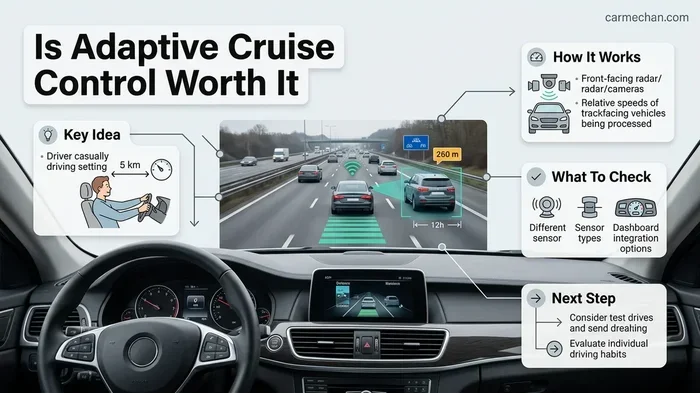
Adaptive cruise control is a smart driving feature. It uses sensors and radar to detect the car in front of you. The system then adjusts your speed to maintain a safe following distance. Unlike traditional cruise control, ACC can slow down and speed up on its own.
But here is the thing. These sensors and radar units must be precisely aligned. Even a tiny shift can throw off the entire system. That is where calibration comes in. Calibration is the process of adjusting and testing the ACC sensors so they read distances and speeds accurately.
Think of it like tuning a musical instrument. If the strings are even slightly off, the music sounds wrong. The same goes for your cruise control system. A misaligned sensor can cause false readings, unexpected braking, or a failure to detect vehicles ahead.
How Adaptive Cruise Control Sensors Work
Most ACC systems use a front radar sensor. This sensor is usually located behind the front grille or near the windshield. It sends out radar waves that bounce off other vehicles. The system then calculates speed and distance based on the returning signals.
Some newer cars also use camera-based systems. These cameras work alongside the radar to improve accuracy. Together, these components form the backbone of your driver assistance features. When they are out of alignment, the whole system suffers.
Why Calibration Matters for Safety
Safety is the number one reason calibration matters. An uncalibrated ACC system can misjudge the distance to the car ahead. This could lead to rear-end collisions or sudden, unnecessary braking. No driver wants either of those outcomes.
Calibration also keeps your vehicle compliant with safety standards. Many manufacturers require calibration after certain repairs. Skipping this step could void your warranty. It could also affect your insurance coverage in the event of an accident.
When Do You Need to Calibrate Your Adaptive Cruise Control
Not every car trip requires calibration. But certain situations make it absolutely necessary. Knowing these triggers helps you stay ahead of potential problems.
After Windshield Replacement
This is the most common reason for ACC calibration. The front radar sensor is often mounted behind the windshield. When a technician removes and replaces your windshield, the sensor position can shift. Even a few millimeters of movement can affect readings.
If you have recently had a windshield replacement, do not skip the calibration step. Many shops include it as part of the service. But always confirm before you leave.
After Sensor or Radar Repair
Any repair involving the front radar sensor or ACC camera requires recalibration. This includes replacing a damaged sensor, fixing a cracked camera mount, or repairing wiring. The system needs a fresh calibration to verify everything is working correctly.
After a Battery Disconnect or System Reset
Disconnecting your car battery can reset the ACC system. The same goes for clearing error codes or performing a system reboot. In these cases, the system loses its saved calibration data. A new calibration session restores proper function.
After Suspension or Alignment Work
Changes to your suspension or wheel alignment can affect sensor angles. The ACC radar reads the road at a specific angle. If that angle changes, the readings become inaccurate. Calibration after suspension work keeps the system reliable.
After a Collision or Minor Accident
Even a minor fender bender can knock sensors out of alignment. If your front end takes any impact, have the ACC system checked. A professional can determine if calibration is needed.
The ACC Calibration Process: What to Expect
Curious about what happens during calibration? The process is more straightforward than you might think. But it does require the right tools and a controlled environment.
Static Calibration
Static calibration happens in a shop or garage. The vehicle is parked on a flat, level surface. A technician uses specialized diagnostic equipment to access the ACC system. They then run a calibration sequence that checks sensor alignment and function.
During static calibration, the technician may use target boards or reference markers. These help the system verify the radar and camera positions. The process usually takes between 30 minutes and two hours, depending on the vehicle.
Dynamic Calibration
Dynamic calibration occurs while the vehicle is in motion. The technician drives the car on a pre-set route under specific conditions. The system learns road conditions, speed patterns, and sensor feedback in real time.
Dynamic calibration often follows static calibration. Together, the two methods ensure the ACC system is fully accurate. Some vehicles require both types for a complete calibration.
Tools and Equipment Needed
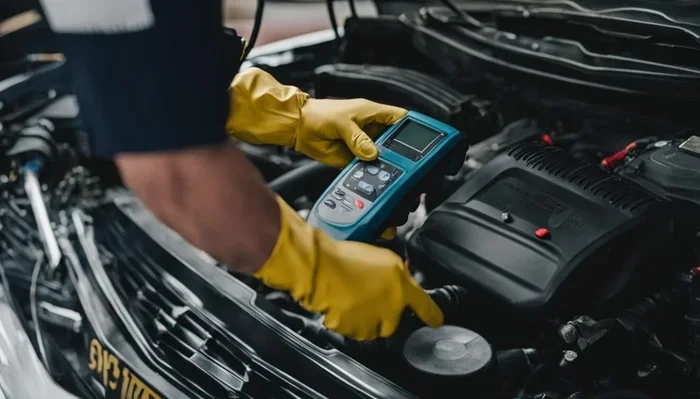
Calibrating adaptive cruise control is not a DIY job for most vehicles. You need professional-grade diagnostic tools. These include manufacturer-specific scan tools and calibration software. The equipment communicates directly with the ACC control module.
Some advanced calibration systems also require a controlled environment. This means no direct sunlight, no rain, and a flat surface. These conditions ensure the most accurate readings possible.
| Calibration Type | Where It Happens | Duration | Tools Required |
|---|---|---|---|
| Static Calibration | Shop or garage | 30 min to 2 hours | Diagnostic scan tool, target boards |
| Dynamic Calibration | Road or test track | 1 to 3 hours | Scan tool, GPS reference, controlled route |
| Combined Static and Dynamic | Shop and road | 2 to 5 hours total | Full calibration kit, manufacturer software |
Can You Calibrate Adaptive Cruise Control Yourself
The temptation to save money is real. But can you actually calibrate adaptive cruise control on your own? The answer depends on your vehicle and your tools.
Some newer vehicles offer a basic reset function through the infotainment screen. This can recalibrate the system after a minor reset. However, this is not the same as a full calibration after sensor work or windshield replacement.
For most situations, professional calibration is the safest route. The diagnostic tools required are expensive and vehicle-specific. A trained technician also knows the exact procedures for your make and model.
Here is a quick comparison to help you decide.
| Factor | DIY Calibration | Professional Calibration |
|---|---|---|
| Cost | Low (if you own tools) | Moderate to high |
| Accuracy | Limited | High |
| Tools Required | Basic scan tool | Manufacturer-specific equipment |
| Time Required | Varies | 1 to 5 hours |
| Warranty Impact | May void warranty | Preserves warranty |
| Safety | Risky without expertise | Reliable and verified |
As a rule of thumb, always choose professional calibration after major repairs. It is worth the investment for the peace of mind it provides.
Quick Tips for ACC Calibration
- Always confirm calibration with your service advisor after windshield work.
- Keep your vehicle on a flat surface before any calibration.
- Avoid washing the front sensors for 24 hours after calibration.
- Check the ACC warning light after calibration to confirm success.
- Schedule calibration at a dealership or certified shop for best results.
Common Mistakes That Affect ACC Calibration
Even with proper calibration, mistakes can undo your efforts. Knowing what to avoid saves time and money.
Skipping Calibration After Windshield Work
This is the most common mistake. Many car owners assume a new windshield does not affect ACC. In reality, the sensor position can shift during installation. Skipping calibration leaves your system unreliable.
Using Generic Diagnostic Tools
Not all scan tools are created equal. Generic tools may not support ACC calibration for your specific vehicle. Always use manufacturer-approved equipment or visit a qualified shop.
Ignoring the ACC Warning Light
If the ACC warning light stays on after calibration, do not ignore it. This usually means the calibration was not successful. Return to the shop for further diagnostics.
Calibrating in Poor Conditions
Calibrating in direct sunlight or on an uneven surface leads to inaccurate results. Always choose a shaded, flat area for static calibration. Weather conditions matter more than most people realize.
Forgetting to Clear Error Codes
Before starting calibration, all error codes must be cleared. Running calibration with active faults leads to incomplete results. A proper diagnostic scan should always come first.
Overlooking Camera Alignment
Many modern ACC systems use both radar and cameras. Calibrating only the radar and ignoring the camera creates a gap in accuracy. Always have both components checked and calibrated together.
Expert Insight
Certified technicians recommend treating ACC calibration as part of your regular maintenance routine. Just like oil changes and tire rotations, sensor calibration keeps your advanced driver assistance features working at their best. A quick check during routine service can prevent costly repairs down the road.
How Often Should You Calibrate Your Cruise Control System
There is no fixed schedule for ACC calibration. Unlike oil changes, calibration is event-driven. You calibrate when something triggers the need. But routine checks during regular service visits are a smart habit.
Most experts recommend having the ACC system inspected every 12,000 to 15,000 miles. This is not a full calibration every time. It is a visual inspection of the sensors and wiring. If everything looks good, no calibration is needed.
However, if you have had any of the following, calibration is likely needed:
- Windshield replacement or repair
- Front-end collision or impact
- Sensor or camera replacement
- Battery disconnect or reset
- Suspension or alignment work
- Noticing erratic ACC behavior
Staying proactive with calibration keeps your cruise control system reliable. It also extends the life of your advanced safety features.
Signs Your ACC Needs Calibration
How do you know if your system needs attention? Watch for these warning signs:
- The ACC warning light stays illuminated on your dashboard.
- The system brakes unexpectedly or fails to slow down.
- Your set speed fluctuates without reason.
- The following distance feels too short or too long.
- The system fails to detect vehicles ahead.
- You hear beeping or error sounds from the dashboard.
If you notice any of these signs, have your ACC system checked right away. Ignoring them can lead to bigger problems and reduced safety.
Key Takeaways
- Calibration is essential after specific events: Windshield replacement, sensor repairs, and system resets all require recalibration.
- Two calibration types exist: Static calibration happens in a shop, while dynamic calibration occurs during driving.
- Professional calibration is recommended: DIY calibration is limited and risky for most vehicles.
- Safety depends on accuracy: An uncalibrated ACC system can misread distances and create dangerous situations.
- Watch for warning signs: The ACC warning light and erratic behavior are clear signals that calibration is needed.
- Routine checks help prevent issues: Regular inspections during service visits keep your system in top shape.
- Do not skip calibration after repairs: It protects your warranty, your safety, and the longevity of your cruise control system.
Conclusion
So, do you have to calibrate adaptive cruise control? The answer is a clear yes in most situations where the system has been disturbed. Whether it is a windshield replacement, a sensor repair, or a battery reset, calibration ensures your ACC works as designed.
Your adaptive cruise control system is more than a convenience feature. It is a safety system that relies on precise sensor alignment and accurate readings. Skipping calibration puts you and others on the road at risk.
The good news is that calibration is a straightforward process when handled by professionals. It takes a bit of time, but the payoff is a system that performs reliably every time you drive. Stay proactive about your cruise control maintenance, and your vehicle will reward you with safer, smoother rides for years to come.
Take the time to understand your vehicle’s needs. Keep up with recommended calibrations and inspections. Your adaptive cruise control will thank you with consistent, dependable performance on every journey.
Do You Have to Calibrate Adaptive Cruise Control? FAQs
Can I drive with an uncalibrated adaptive cruise control system?
You can drive, but it is not recommended. An uncalibrated system may misread distances or fail to brake when needed. This compromises your safety and the safety of others on the road. Always calibrate after any event that could affect sensor alignment.
How much does it cost to calibrate adaptive cruise control?
Costs vary depending on your vehicle and the type of calibration needed. Static calibration typically costs between $100 and $300. Dynamic calibration can range from $200 to $500 or more. Dealerships may charge higher rates than independent shops, but they also have access to manufacturer-specific tools.
Does insurance cover ACC calibration after a windshield replacement?
Many insurance policies cover calibration as part of windshield replacement. This is especially true if the replacement is covered under a comprehensive claim. Check with your insurance provider before scheduling the service to understand your coverage.
How long does ACC calibration take?
Static calibration usually takes 30 minutes to two hours. Dynamic calibration can take one to three hours. Combined calibration, which includes both static and dynamic steps, may take up to five hours total. The exact time depends on your vehicle model and the condition of the system.
Will my ACC warning light go away after calibration?
In most cases, yes. If the warning light was triggered by a calibration issue, a successful calibration should clear it. If the light remains on after calibration, there may be a deeper problem. Return to the shop for further diagnostics to identify the root cause.
Can extreme weather affect my adaptive cruise control calibration?
Yes, extreme weather can temporarily affect sensor performance. Heavy rain, snow, or ice can interfere with radar and camera readings. However, this is usually temporary. If the issue persists after weather clears, a calibration check may be needed to ensure the sensors are properly aligned.
Frequently Asked Questions
What is Do You Have to Calibrate Adaptive Cruise Control?
Do You Have to Calibrate Adaptive Cruise Control is an important topic with many practical applications.