How Can I Find the Book Value of a Car and Save Money
Knowing the book value of a car helps you avoid overpaying and get a fair deal. You can use free online tools like Kelley Blue Book and NADA Guides to get instant estimates. This guide walks you through every step so you can save real money on your next vehicle transaction.
Have you ever wondered what your car is really worth? Maybe you want to sell it, trade it in, or buy a used one. Whatever your reason, understanding the book value of a car puts you in a powerful position. It protects you from unfair prices and helps you make smart financial decisions.
Finding the book value of a car is easier than most people think. You do not need to be a car expert or spend a lot of money. Free online tools give you estimates in minutes. With the right approach, you can save hundreds or even thousands of dollars. Let us walk through the entire process together.
Key Takeaways
- Multiple free tools exist: Kelley Blue Book, NADA Guides, Edmunds, and others give you quick estimates.
- Condition matters a lot: Your car’s actual value shifts based on mileage, wear, and service history.
- Compare private party vs. trade-in vs. retail: Each has a different number, and knowing all three saves you money.
- Check vehicle history reports: Clean titles and service records boost your car’s worth.
- Timing affects value: Seasonal demand and market trends can shift prices by hundreds of dollars.
- Get a professional appraisal if needed: For unique or classic cars, expert opinions add real value.
📑 Table of Contents
- What Is the Book Value of a Car?
- Top Tools to Find the Book Value of a Car
- Factors That Change the Book Value of a Car
- How to Prepare Your Car Before Valuation
- How to Use the Book Value to Save Money
- Common Mistakes People Make When Valuing a Car
- When to Get a Professional Appraisal
- How to Save the Most Money Using Book Value
- Conclusion
What Is the Book Value of a Car?
The book value of a car is the estimated worth of a vehicle based on standard factors. Think of it as the baseline price a car should sell for in the current market. It is not a random guess. Companies use real data from thousands of sales to calculate it.
Several things go into this number. The make and model matter a lot. So does the year, mileage, and overall condition. Where you live also plays a role because demand varies by region. Even the color and trim level can affect the final number.
Most people look up book value for three main reasons. First, they want to sell a car and need a fair asking price. Second, they are buying used and want to avoid overpaying. Third, they need to know what their car is worth for insurance or loan purposes. No matter your reason, knowing the vehicle book value gives you confidence in negotiations.
Top Tools to Find the Book Value of a Car
You have many options when you want to look up a car’s value. Each tool uses slightly different data, so the numbers can vary. That is actually a good thing. Comparing results gives you a fuller picture of what your car is worth.
Kelley Blue Book (KBB)
Kelley Blue Book is one of the most trusted names in car valuation. It has been around for decades and is widely used by dealers and buyers. You enter your car details and get a range of values. KBB shows the trade-in value, private party value, and retail value. This gives you a clear spread to work with.
The trade-in value is what a dealer would offer you. The private party value is what you could expect selling to another person. The retail value is what a dealer would charge a buyer. Always start negotiations near the lower end of the range.
NADA Guides
NADA Guides are popular in the auto lending world. Banks and credit unions often use them to set loan amounts. NADA tends to give slightly higher values than some other tools. This is because it factors in dealer preparation costs.
If you are getting a loan or refinancing, NADA is a great resource. It helps lenders determine the fair market value of your vehicle. You can access NADA Guides through their website or many bank portals.
Edmunds and Other Valuation Sites
Edmunds offers another strong option for finding car values. It provides detailed breakdowns including depreciation projections. You can see how much a car will lose in value over time. This is helpful if you plan to keep a vehicle for many years.
Other useful tools include Cars.com, AutoTrader, and CARFAX. Each one pulls from different data sets. Using two or three tools together gives you the most accurate picture. I always recommend checking at least two sources before making a decision.
Factors That Change the Book Value of a Car
The base number you get from a valuation tool is just the starting point. Real-world value shifts based on many factors. Understanding these helps you explain why your car might be worth more or less than the estimate.
Mileage and Wear
Mileage is one of the biggest factors in vehicle depreciation. A car with 150,000 miles will be worth less than one with 80,000 miles, even if they are the same year and model. Buyers look at mileage as a measure of remaining life.
But mileage alone does not tell the whole story. A well-maintained car with 100,000 miles can be worth more than a neglected car with 60,000 miles. Regular oil changes, tire replacements, and service records all add value.
Condition and Service History
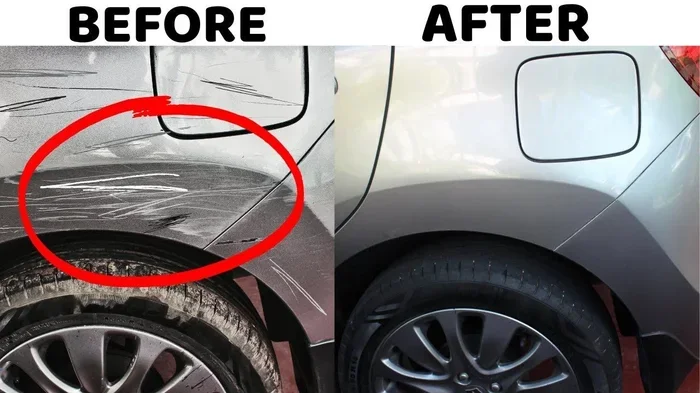
Condition plays a huge role in your car’s actual worth. You should honestly assess the interior, exterior, and mechanical condition. Small scratches and dents lower the value slightly. Major damage or missing parts lower it significantly.
Keep all service records if you can. A full service history proves your car was well cared for. Buyers pay more for vehicles they trust. If you have receipts for recent repairs or maintenance, keep them handy during negotiations.
Location and Market Demand
Where you live affects your car’s value more than you might think. Trucks and SUVs sell for more in rural areas. Fuel-efficient sedans might fetch higher prices in cities. Seasonal demand also shifts the numbers.
For example, convertibles sell better in warm climates during spring and summer. All-wheel-drive vehicles command higher prices in snowy regions. Check local listings on sites like Craigslist or Facebook Marketplace to see what similar cars sell for in your area.
Accident History and Title Status
A clean title boosts your car’s value significantly. Salvage titles or rebuilt titles reduce worth by a large margin. Even if the car was repaired perfectly, buyers and lenders treat it differently.
Accident history also matters. Use a vehicle history report from CARFAX or AutoCheck. These reports show previous accidents, title brands, and service records. A clean report gives buyers confidence and supports a higher asking price.
How to Prepare Your Car Before Valuation
You can boost your car’s value before getting it appraised. Small efforts often lead to big returns. Here is what I recommend doing before you look up the book value of a car or list it for sale.
Clean It Thoroughly
First impressions matter a lot in car sales. A clean car looks better and feels more valuable to buyers. Wash the exterior, vacuum the interior, and clean all windows. Do not forget the trunk and under the seats.
Consider a professional detail if your car has stubborn stains or odors. A detail job usually costs $50 to $150 but can increase your sale price by $200 or more. That is a solid return on investment.
Fix Minor Issues
Small repairs can make a big difference. Replace burnt-out headlights. Fix broken buttons on the dashboard. Touch up small scratches with paint pens. These fixes cost very little but signal that the car was well maintained.
Do not skip oil changes or other routine maintenance before selling. Fresh oil and a clean service record build trust with buyers. It tells them the engine has been properly cared for.
Gather Your Documents
Have all relevant paperwork ready before you price your car. This includes the title, registration, and service records. A clean title proves ownership and removes buyer concerns.
If you have original receipts for major repairs or recent part replacements, gather those too. Documentation gives you leverage in price negotiations. It shows you can back up your asking price with proof of care.
How to Use the Book Value to Save Money
Now that you know how to find the value, let us talk about how to use it to your advantage. The book value of a car is not just a number to look at. It is a tool you can use in many situations.
When Buying a Used Car
If you are buying used, always research the fair market value before you visit a dealership or meet a private seller. Know what the car should cost based on its year, mileage, and condition. Then negotiate from that number.
Dealers often mark up used cars above book value. They expect you to negotiate. If you walk in knowing the real number, you save money and avoid overpaying. Start your offer near the lower end of the book value range.
When Selling Your Car
If you are selling, set your asking price near the private party value from KBB or Edmunds. This is the highest reasonable price you can ask for. Be prepared for buyers to negotiate downward.
List your car on multiple platforms for maximum exposure. Facebook Marketplace, Craigslist, and AutoTrader all reach different buyers. Take clear photos and write an honest description. Transparency builds trust and speeds up the sale.
When Trading In a Car
Trade-in values are always lower than private party values. That is how dealerships make their profit. But you can still use the trade-in value to negotiate a better deal on your next purchase.
Get your trade-in value from KBB or Edmunds before you visit the dealer. Show the number to the salesperson. This sets a baseline and prevents lowball offers. You can also get competing offers from CarMax or online buyers to strengthen your position.
When Refinancing or Getting a Loan
Lenders use the vehicle appraisal value to determine how much they will lend. If your car is worth more than you owe, you have positive equity. This opens up better refinancing options and lower interest rates.
Check your car’s value before applying for a loan. If the residual value is lower than expected, you may need to make a larger down payment. Planning ahead saves you from unpleasant surprises at the lending office.
Common Mistakes People Make When Valuing a Car
Many people make avoidable mistakes when figuring out their car’s worth. Learning from these errors helps you get a more accurate number and save money.
Relying on Only One Source
No single valuation tool is perfect. Each uses different data and formulas. Relying on just one source can give you a skewed picture. Always compare at least two or three tools to get a reliable range.
Ignoring Local Market Conditions
National averages do not tell the whole story. Your local market may have higher or lower demand for certain vehicles. Always check local listings to see what cars like yours actually sell for in your area.
Overestimating Condition
It is easy to think your car is in better shape than it really is. Be honest about wear and tear. Buyers will notice every flaw, and that affects their willingness to pay full price.
Forgetting About Fees and Taxes
The book value of a car does not include taxes, title fees, or registration costs. If you are buying, add those to your budget. If you are selling, factor in any transfer fees. These extras can add hundreds of dollars to the total cost.
When to Get a Professional Appraisal
Online tools work great for most everyday vehicles. But some situations call for a professional appraisal. Classic cars, rare models, and heavily modified vehicles often fall outside standard valuation ranges.
A certified appraiser examines your car in person. They consider factors that online tools cannot capture. These include originality, provenance, and collector demand. An official appraisal document can support a higher asking price or insurance claim.
If you are divorcing, settling an estate, or dealing with a legal matter, a professional appraisal adds credibility. It provides a documented, defensible value that holds up under scrutiny.
How to Save the Most Money Using Book Value
Now let us put it all together. Here is a simple plan to use the book value of a car to save real money.
- Look up your car on at least two valuation sites.
- Adjust the number based on your car’s actual condition and local market.
- Check local listings to confirm what similar cars sell for.
- Use the adjusted number as your negotiation starting point.
- Walk away if the other party will not meet a fair price.
Following these steps gives you an edge in any car transaction. You will never feel pressured to accept an unfair deal again. Knowledge is power, and the book value of a car puts that power directly in your hands.
Remember, the goal is not just to find a number. The goal is to use that number wisely. Whether you are buying, selling, trading in, or refinancing, understanding your car’s true worth saves you money and reduces stress. Take the time to do your research before any major vehicle decision.
The process is simple, free, and fast. You can complete it in under 30 minutes. So take action today. Look up your car’s value, understand what drives that number, and use it to make the best financial decision possible. Your wallet will thank you.
Conclusion
Finding the book value of a car is one of the smartest things you can do as a car owner or buyer. It gives you clarity, confidence, and negotiating power. The process is simple and free, and the savings can be substantial.
Use trusted tools like Kelley Blue Book, NADA Guides, and Edmunds. Account for your car’s condition, mileage, and local market. Avoid common mistakes like relying on a single source or ignoring your vehicle’s history. And when in doubt, get a professional appraisal for unique or high-value vehicles.
Take what you have learned here and apply it to your next car decision. You deserve to get a fair deal. Understanding the book value of a car is your first step toward saving money and making confident choices.
Frequently Asked Questions
What is the best free tool to find the book value of a car?
Kelley Blue Book and Edmunds are both excellent free tools. NADA Guides is another strong option, especially for loan-related valuations. I recommend checking at least two of these sites to get the most accurate range. Each tool uses slightly different data, so comparing them gives you a fuller picture.
Does mileage really affect the book value of a car that much?
Yes, mileage is one of the biggest factors in vehicle depreciation. Cars with lower mileage generally hold their value better. However, a well-maintained higher-mileage car can still be worth more than a poorly maintained low-mileage one. Regular service records make a significant difference in perceived value.
Can I negotiate above the book value when buying a used car?
You can, but it is harder. If the car has rare features, low mileage, or high demand, a slight premium above book value may be justified. Always have data to back up your offer. Without solid reasoning, sellers will likely push back and hold firm on their asking price.
How often should I check my car’s book value?
It is smart to check your car’s value at least once a year. Values shift with market conditions, mileage increases, and new model releases. If you are planning to sell or refinance soon, check the value a few weeks before you take action. This ensures you are working with the most current numbers.
What is the difference between trade-in value and private party value?
The trade-in value is what a dealer offers to pay for your car. It is always lower because the dealer needs to make a profit when they resell it. The private party value is what you can expect when selling directly to another person. The private party value is typically $500 to $2,000 higher than the trade-in value.
Do online valuation tools account for accidents or damage?
Most online tools assume the car has a clean history and normal wear. They do not automatically adjust for accidents or damage. You should manually adjust the value downward if your car has been in an accident. A vehicle history report from CARFAX or AutoCheck helps you identify and account for any past damage that affects the book value of a car.