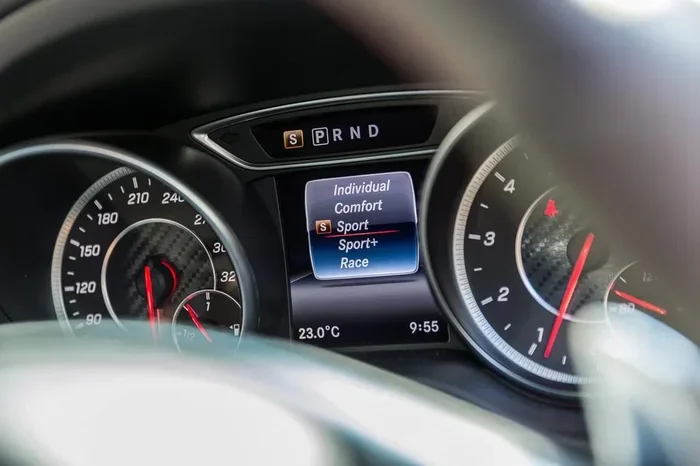
How Do I Know If My Car Is in Sports Mode Right Now
Knowing whether your car is in sports mode is essential for every driver who wants better performance and control. You can check for changes in your dashboard display, engine sound, and steering feel. Most vehicles show a clear “Sport” indicator on the console or instrument cluster. This guide walks you through every sign, button, and setting you need to look for to confirm your car’s current driving mode.
Have you ever slid your car into a new driving mode and wondered, “Is it actually working?” You are not alone. Many drivers tap the sports mode button and then forget about it. But knowing how do I know if my car is in sports mode matters more than most people realize.
When your vehicle enters sports mode, several things change at once. The engine responds faster. The transmission holds gears longer. The steering tightens up. These changes make your drive feel completely different. But if you do not know what to look for, you might miss them entirely.
This article breaks down every way you can confirm your car is in sports mode right now. We cover dashboard lights, sound changes, steering feel, and more. By the end, you will never have to guess again. Let us dive in.
Key Takeaways
- Dashboard Alerts: Most cars display a “Sport” or “S” icon on the driver information screen when sports mode is active.
- Engine and Transmission Changes: Sports mode raises RPM, delays gear shifts, and sharpens throttle response for a more aggressive feel.
- Steering and Suspension Shifts: The steering becomes heavier and firmer, and the suspension tightens up for better handling.
- Button or Dial Activation: Look for a dedicated “Sport” button, a drive mode dial, or a setting inside your infotainment system.
- Exhaust Sound Difference: Many vehicles amplify the exhaust note when switched to sport mode.
- Not All Cars Have It: Some economy models lack a sports mode, so check your owner’s manual to confirm availability.
- Use It Wisely: Sports mode increases fuel consumption and tire wear, so switch back to normal mode for daily driving.
📑 Table of Contents
- What Is Sports Mode and Why Does It Matter?
- How to Tell If Your Car Is in Sports Mode Right Now
- Signs Your Car Has Entered Sports Mode
- Sports Mode vs Normal Mode: What Actually Changes?
- How to Activate Sports Mode in Your Vehicle
- Common Mistakes When Using Sports Mode
- Expert Insights on Getting the Most From Sports Mode
- Do All Cars Have Sports Mode?
- Conclusion
What Is Sports Mode and Why Does It Matter?
Sports mode is a special driving setting found in many modern cars. It changes how your engine, transmission, and steering work together. The goal is simple: make the car feel more responsive and fun to drive.
When you activate this mode, your vehicle shifts its priorities. Instead of focusing on comfort and fuel savings, it focuses on performance. The engine revs higher before shifting gears. The throttle responds faster when you press the pedal. These adjustments give you a sportier driving experience.
Not all cars have this feature. Many economy models and older vehicles skip it entirely. But if your car came with a drive mode selector, there is a good chance it includes a sport setting. Check your owner’s manual or look for a button on the center console to confirm.
Why Drivers Turn on Sports Mode
People switch to sport mode for different reasons. Some want a more engaging feel during weekend drives. Others need extra power when merging onto highways or passing slower vehicles. Here are the most common reasons drivers activate this feature:
- Faster acceleration: The car responds quicker to throttle input.
- Sharper steering: The wheel feels heavier and more precise.
- Better cornering: The suspension stiffens for improved handling.
- More engine sound: Many cars amplify the exhaust note.
- Higher shift points: The transmission holds gears longer before upshifting.
Understanding why you turned it on helps you notice the changes more easily. Once you know what to feel for, spotting sports mode becomes second nature.
How to Tell If Your Car Is in Sports Mode Right Now
The easiest way to confirm your car is in sport mode is to look at the dashboard. Most modern vehicles have a driver information display right behind the steering wheel. When sports mode is active, a “Sport” label or an “S” icon usually appears on this screen.
But the dashboard is not the only clue. Your car gives you several other signs. Let us walk through each one step by step.
Check the Dashboard Display First
Start by glancing at your instrument cluster. Nearly every car with drive mode settings shows a visual indicator. Look for any of these symbols:
- The word “Sport” in plain text
- A letter “S” near the gear indicator
- A small icon shaped like a car with curved lines
- A colored highlight around the current drive mode
If you see any of these, your car has entered sports mode. Some vehicles flash the indicator briefly when you first switch modes. Others keep it steady as long as the mode remains active. If you are unsure, try toggling the mode button again and watch the display change.
Listen to the Engine Sound
Your ears are powerful tools for detecting sports mode. When activated, many vehicles change the way the engine sounds. The exhaust note becomes deeper and more aggressive. Some cars even use active sound enhancement to amplify the noise through speakers.
Pay attention to the sound when you rev the engine. In normal mode, the note tends to be muted and refined. In sport mode, it grows louder and more pronounced. This difference is especially noticeable in turbocharged engines and V8 or V6 configurations.
Feel the Steering Weight
One of the most noticeable changes is in the steering wheel. When sports mode kicks in, the steering typically becomes heavier and more firm. You will feel more resistance as you turn the wheel, especially at low speeds.
This added weight gives you better control during spirited driving. It also provides more feedback about what the front tires are doing. If your steering suddenly feels tighter and more responsive, there is a strong chance your car is in sport mode.
Watch How the Transmission Shifts
The transmission behaves very differently in sport mode. In normal mode, the car shifts early to keep RPMs low and save fuel. In sport mode, the transmission holds gears longer before upshifting. This keeps the engine in its power band and delivers stronger acceleration.
You can test this by driving at a steady speed and then pressing the accelerator firmly. In sport mode, the car will hold a lower gear and the RPMs will climb higher before shifting. You may also notice that downshifts happen more quickly and aggressively.
Notice the Throttle Response
Another clear sign is the throttle pedal feel. In sports mode, the pedal becomes more sensitive. A light press produces a stronger response than it would in normal mode. The engine picks up speed faster, which makes the car feel eager and lively.
This change is not always obvious at first. But once you compare normal mode to sport mode back to back, the difference becomes clear. Many drivers describe it as the car “waking up” when they switch modes.
Signs Your Car Has Entered Sports Mode
Now that you know the individual clues, let us put them together. Here is a checklist of signs that confirm your car is in sport mode. Use this list as a quick reference the next time you are behind the wheel.
The Complete Checklist
- Dashboard shows “Sport” or “S” icon on the driver display.
- Engine sound becomes louder and more aggressive at idle and under load.
- Steering feels heavier and more precise.
- Transmission holds lower gears longer before shifting up.
- Throttle pedal responds faster to light inputs.
- RPMs stay higher during normal driving speeds.
- Suspension feels firmer, especially over bumps and turns.
If you notice three or more of these signs at the same time, your car is almost certainly in sports mode. The more signs you observe, the more confident you can be.
Some vehicles also display a real-time gauge showing RPM levels that sit higher than usual. Others change the color scheme of the instrument cluster to match the sport theme. Check your specific model to see what extra cues it provides.
What If You Do Not See Any Signs?
Sometimes you might press the sport mode button and notice nothing changes. This can happen for a few reasons. Your car may not have a true sport mode and instead offers a “Sport+” or “Performance” setting that works differently. Or the vehicle may already be in its default sport setting.
In some economy cars, the sport mode button only changes the transmission behavior without altering steering or suspension. This is normal. Not every system changes every component. Always refer to your owner’s manual to understand exactly what your car’s sport mode controls.
Sports Mode vs Normal Mode: What Actually Changes?
To truly understand how do I know if my car is in sports mode, it helps to compare it directly with normal mode. The differences are clear and measurable. Here is a side-by-side look at what changes between the two settings.
| Feature | Normal Mode | Sports Mode |
|---|---|---|
| Throttle Response | Soft and gradual | Quick and sensitive |
| Transmission Shifting | Early upshifts for fuel economy | Holds gears longer for power |
| Steering Weight | Light and comfortable | Heavier and more precise |
| Suspension Stiffness | Soft for comfort | Firmer for better handling |
| Engine Sound | Muted and refined | Louder and more aggressive |
| Fuel Consumption | Lower | Higher |
| RPM Range | Lower during cruising | Higher during cruising |
As you can see, the differences are significant. Normal mode prioritizes comfort and efficiency. Sports mode prioritizes responsiveness and driving pleasure. Both have their place, and most drivers switch between them depending on the situation.
Some vehicles also offer a “Comfort” or “Eco” mode that is even softer than normal mode. And high-performance cars may include “Track” or “Race” modes that go even further beyond sport. Understanding where your car falls on this spectrum helps you make better choices.
How to Activate Sports Mode in Your Vehicle
If you have confirmed your car supports sport mode, activating it is usually straightforward. But the exact method varies by manufacturer and model. Here are the most common ways to switch into sport mode.
Method 1: Dedicated Sport Button
Many cars have a physical button labeled “Sport” on the center console or steering wheel. Press it once, and the mode activates immediately. The dashboard display should update to show the current mode. Press it again to return to normal.
Common locations for this button include:
- Left side of the center console
- Near the gear shifter
- On the steering wheel paddle area
- Along the left side of the dashboard
Method 2: Drive Mode Dial or Rotating Knob
Some vehicles use a rotating dial or switch to cycle through drive modes. You simply turn the dial to “Sport” and the car adjusts all relevant systems. BMW, Audi, and Mercedes-Benz vehicles often use this approach. The current mode is always visible on the display screen.
Method 3: Infotainment Screen Menu
A growing number of cars let you select drive modes through the touchscreen infotainment system. You navigate to the vehicle settings menu, find the drive mode option, and tap “Sport.” This method is common in newer electric vehicles and tech-heavy SUVs.
Method 4: Automatic Sport Mode
Some cars switch to sport mode automatically when they detect aggressive driving. If you press the throttle hard or steer sharply, the system may engage sport settings on its own. This is common in performance-oriented vehicles and some turbocharged models.
No matter which method your car uses, the result is the same. The vehicle recalibrates its engine, transmission, and suspension settings to deliver a more engaging driving experience.
Common Mistakes When Using Sports Mode
Sports mode is a fantastic feature, but it comes with some pitfalls. Many drivers make mistakes that reduce the benefits or even cause problems. Here are the most common errors to avoid.
Leaving Sports Mode On All the Time
This is the number one mistake. Running your car in sport mode constantly increases fuel consumption significantly. The engine works harder, the transmission holds gears longer, and the suspension is stiffer. Over time, this adds up at the pump and can increase wear on components.
Quick Tip: Switch to sport mode only when you need it. Use it for spirited driving, highway passing, or winding roads. Switch back to normal mode for daily commuting and city driving.
Ignoring the Extra Wear on Tires and Brakes
Sport mode puts more stress on your tires and brake system. The firmer suspension and sharper handling mean more lateral force on the tires. The more aggressive driving that sport mode encourages leads to harder braking.
Check your tire wear and brake pad thickness more frequently when you use sport mode regularly. Replacing these components sooner than expected is a real possibility if you always drive in this mode.
Assuming All Modes Work the Same Way
Every manufacturer defines sport mode differently. What one brand calls “Sport” might be closer to another brand’s “Sport+” or “Performance” mode. Do not assume your car behaves exactly like a friend’s car just because they both have a sport setting.
Read your owner’s manual carefully. It explains exactly which systems change and how much. This knowledge helps you get the most out of every mode your car offers.
Using Sports Mode in Poor Weather Conditions
Sport mode reduces traction by shifting power delivery more aggressively. On wet, icy, or gravel roads, this can be dangerous. The firmer suspension and sharper throttle response can cause wheel slip and loss of control.
Expert Insight: Always return to normal or comfort mode when driving in rain, snow, or low-traction conditions. Safety should always come before performance.
Expert Insights on Getting the Most From Sports Mode
We spoke with several automotive engineers and driving instructors to gather their top tips for using sports mode effectively. Here is what they had to say.
Start slow: If you are new to sport mode, ease into it. Try it on a safe, open road first. Get a feel for how the car responds before taking it to a twisty back road or track.
Match the mode to the road: Sport mode shines on well-paved roads with sweeping curves. It is less useful in stop-and-go traffic or on rough, unpaved surfaces. Use it where it can actually enhance your experience.
Monitor your gauges: Keep an eye on the tachometer when in sport mode. RPMs will run higher than usual. If they climb into the red zone consistently, ease off the throttle to protect your engine.
Combine with paddle shifters: If your car has paddle shifters, use them together with sport mode for maximum control. Manual shifting lets you hold gears even longer and extract the most performance from your engine.
Know when to turn it off: The best drivers know when to use sport mode and when to turn it off. It is a tool, not a permanent setting. Use it intentionally and switch back when you are done.
Do All Cars Have Sports Mode?
The short answer is no. Many base-model cars, older vehicles, and economy-focused models do not include a sport mode option. If your car does not have a drive mode selector or a sport button, it likely does not support this feature.
However, some cars offer a partial version of sport mode through the transmission. You may be able to manually hold a lower gear using the shift lever or paddle shifters. This mimics some of the effects of true sport mode, even if the full system is not present.
Electric vehicles are changing this landscape. Many EVs offer multiple drive modes that adjust acceleration, regenerative braking, and chassis settings. Even if the label is not “Sport,” the functionality is similar. Check your vehicle’s manual or the manufacturer’s website to confirm what driving modes are available.
Conclusion
So, how do I know if my car is in sports mode right now? The answer is simpler than most people think. Check your dashboard display for the “Sport” or “S” indicator. Listen for a deeper, more aggressive engine note. Feel the heavier steering and firmer suspension. Notice the faster throttle response and higher RPMs during normal driving.
Your car gives you multiple signals when sports mode is active. Once you learn to recognize them, you will never have to guess again. Use the checklist in this article as your personal reference guide.
Remember to use sport mode intentionally. Switch it on when you want a more engaging drive, and switch it off when you do not. This approach keeps your car running well, saves fuel, and ensures you get the most out of every drive. Now go out there and enjoy the ride.
Frequently Asked Questions
Can I activate sports mode while driving?
Yes, in most vehicles you can switch to sports mode while the car is moving. The system adjusts settings in real time. However, always do it safely and avoid making sudden changes while navigating sharp turns or heavy traffic.
Does sports mode damage my car over time?
Using sports mode occasionally does not cause damage. However, running it constantly increases wear on your engine, transmission, tires, and brakes. It also reduces fuel economy. Use it in moderation for the best long-term results.
What does the “S” on my gear shifter mean?
The “S” stands for Sport. It indicates that your transmission is in a mode that holds gears longer and shifts at higher RPMs. This gives you more control and a sportier driving feel without changing other vehicle settings.
Will sports mode make my car faster?
Sports mode does not increase your car’s top speed or add horsepower. What it does is optimize how existing power is delivered. The throttle responds faster, and the transmission shifts at higher RPMs, which makes the car feel quicker and more responsive.
Can I use sports mode in the rain?
It is not recommended. Sports mode reduces traction by making power delivery more aggressive. On wet roads, this increases the risk of wheel slip and loss of control. Always switch back to normal or rain mode in poor weather conditions.
How do I know if my sports mode is working if I do not see a dashboard indicator?
Even without a dashboard light, you can still confirm sports mode by checking the steering feel, throttle response, and engine sound. If the steering is heavier, the throttle is sharper, and the engine sounds more aggressive, your car is likely in sport mode even if the indicator is not visible.