How to Install a Front License Plate on Hyundai Tucson
Installing a front license plate on a Hyundai Tucson is a quick and easy DIY job that most owners can finish in under 30 minutes. With just a screwdriver, a socket wrench, and this detailed guide, you will have your plate mounted securely and correctly. This article covers every step from gathering your tools to the final check, ensuring your Tucson stays compliant and looks great.
Installing a front license plate on a Hyundai Tucson is a straightforward job that most owners can finish in under 30 minutes. Whether you just bought a new Tucson or replaced a damaged bracket, this guide walks you through every step. You will need a few basic tools, a clear workspace, and about 20 to 30 minutes of your time. This article covers the Hyundai Tucson front license plate mounting process from start to finish. By the end, you will know exactly how to mount your front plate securely and confidently.
There is something satisfying about completing a car project on your own. Installing a front license plate on your Tucson is one of those quick wins that saves you money and gives you a sense of accomplishment. Many people pay a shop to do this simple task, but with the right guidance, you can handle it yourself. This guide is designed for beginners and experienced DIYers alike. You will learn the proper tools, the correct technique, and how to avoid the most common mistakes.
The Hyundai Tucson is a popular compact SUV known for its reliability and practical design. Its front bumper is engineered with dedicated mounting points for a license plate, which makes the installation process much easier compared to some other vehicles. Whether your current plate is damaged, or you are replacing a bracket that has worn out, the process remains the same. Let us dive into what you need and how to get it done right the first time.
Key Takeaways
- Minimal Tools Needed: A Phillips head screwdriver and a 10mm socket wrench are all you need to complete the job.
- Factory Mounting Points: The Tucson front bumper has pre-drilled holes designed specifically for license plate installation.
- Take Your Time With Alignment: Rushing can lead to a crooked plate or stripped bolts, which creates extra work.
- Use Thread Locker: A small drop of thread locker on each bolt prevents loosening from road vibration over time.
- Check Local Laws: Most states require a front plate mounted at a specific height, so verify regulations before finalizing placement.
- Clean Before Mounting: Wiping down the bumper mounting area ensures a flush fit and prevents long-term rust issues.
📑 Table of Contents
What You Will Need Before Starting
Before you begin, gather everything you need. Having all your tools ready prevents frustrating stops mid-project. Think of it like preparing your workspace before you change your windshield wipers — having everything at hand makes the job smoother and faster.
Essential Tools and Materials
- Phillips head screwdriver — for removing old screws and fasteners
- 10mm socket wrench — the most common bolt size for Tucson license plate mounting
- Measuring tape — to verify proper placement and centering
- Soft cloth or microfiber towel — for cleaning the bumper mounting area
- Thread locker (optional) — helps prevent bolts from loosening during driving
- New license plate bracket (if needed) — check your model year for compatibility
- License plate screws or bolts — often included with a new bracket kit
Understanding Your Tucson Front Bumper
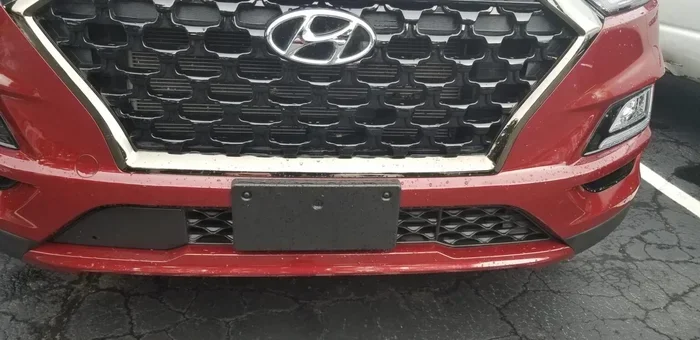
The Hyundai Tucson front bumper is designed with pre-drilled holes specifically for license plate mounting. These holes are strategically placed to ensure the plate sits securely without interfering with airflow or the bumper’s structural integrity. If you have ever had to fit a new bumper on any vehicle, you know that the front end has many carefully placed mounting points that serve specific purposes.
On most Tucson models from 2016 onward, the front license plate mount uses four bolt points — two on each side of the bumper. These are typically 10mm bolts that thread directly into the bumper fascia. Older models may use a different bracket style, so it is always a good idea to check your specific year and trim level before purchasing hardware. Using the factory mounting points keeps your bumper intact and your warranty valid.
Understanding the Tucson front bumper layout helps you avoid drilling unnecessary holes. The factory license plate bolt positions are there for a reason, and using them ensures a clean, professional look. If you are unsure about your specific model, consult your owner’s manual or check with a Tucson owner forum for model-specific advice. This small bit of research goes a long way toward a perfect installation.
How to Install a Front License Plate on Hyundai Tucson: Step-by-Step Guide
Now that you have your tools ready and understand the bumper layout, let us walk through the actual installation. Each step is designed to be simple and clear. Follow along in order for the best results. This front license plate installation process works for most Tucson model years and requires no special skills.
Step 1: Remove the Old License Plate
Start by removing the existing front license plate. Place your Tucson on a flat surface and turn off the engine. Open the hood if you need better access to the top mounting points. Using your Phillips head screwdriver or socket wrench, carefully unscrew the bolts holding the old plate. Work slowly and gently. If a screw is stuck, do not force it. A small amount of penetrating oil can help loosen rusted or corroded fasteners. Set the old screws and bracket aside in a safe place.
Once all bolts are removed, carefully lift the old license plate away from the bumper. You may need to wiggle it slightly if it has been on for a long time. Inspect the bumper surface where the old plate was mounted. Look for any damage, rust, or debris that needs cleaning before you install the new plate. This inspection step is often overlooked but it sets the foundation for a clean and lasting installation.
Step 2: Clean the Mounting Area
This step is easy to skip but very important. Use your soft cloth to wipe down the four mounting points on the bumper. Remove any dirt, grease, or old adhesive residue. A clean surface ensures that the new bracket sits flush against the bumper and that the bolts grip properly. If you notice any rust spots around the old mounting holes, use a small wire brush or sandpaper to gently clean them. Rust can weaken the hold of your new screws and cause the plate to become loose over time. After cleaning, dry the area completely with a fresh cloth. This preparation step makes a noticeable difference in how secure and professional the final result looks.
Step 3: Position the New Bracket
Take your new license plate bracket and hold it against the bumper. Align it with the pre-drilled holes. This is where your measuring tape comes in handy. The license plate should sit centered on the bumper, with equal spacing on both sides. Most states require the front license plate to be mounted at a specific height. Check your local regulations before finalizing the position. Generally, the plate should be centered between the top and bottom of the bumper, with the top edge about 12 to 18 inches from the ground.
Use a marker or small piece of tape to mark the exact hole positions if you need to adjust the bracket slightly. Having the bracket positioned correctly before you start threading bolts saves time and prevents mistakes. Double-check the alignment from multiple angles before moving on to the next step. A few extra seconds of checking now saves you from having to redo the job later.
Step 4: Secure the License Plate
With the bracket in position, thread the first bolt into the top hole on one side. Do not tighten it fully yet. Leave it loose enough to allow minor adjustments. Repeat this process with the remaining three bolts, always keeping them slightly loose at first. Once all four bolts are threaded in, check the bracket alignment one more time. Look at the plate from a distance to make sure it is straight and centered. Adjust as needed before tightening.
Now use your socket wrench to tighten all four bolts firmly. Apply even pressure to each bolt. Do not over-tighten, as this can strip the threads in the bumper or crack the plastic fascia. A snug fit is all you need. If you are using thread locker, apply a small drop to each bolt thread before final tightening. This simple step helps prevent the bolts from vibrating loose during driving, especially on rough roads. It is a small addition that makes a big difference in long-term durability. After tightening, wipe away any excess thread locker with a clean cloth.
Step 5: Final Check and Test
After tightening all bolts, give the license plate a gentle tug from different angles. It should feel secure with no wobbling or movement. If the plate shifts at all, check each bolt and re-tighten as needed. Next, start your Tucson and take it for a short drive around the block. Pay attention to any rattling or vibration from the front bumper. A properly installed license plate bracket should be completely silent while driving. If you hear any noise, pull over safely and recheck the bolts.
Finally, step back and visually inspect the installation from a few feet away. The plate should look straight, centered, and professional. This final check gives you peace of mind and ensures you pass any inspections with ease. Take a photo of the installed plate for your records. This is a simple habit that helps if you ever need to reference the installation or show proof of compliance.
Common Mistakes to Avoid
Even simple tasks can go wrong if you are not careful. Here are the most common mistakes people make when installing a front license plate on a Hyundai Tucson, and how to avoid each one.
- Skipping the cleaning step: Dirt and debris can prevent the bracket from sitting flush, leading to a loose or crooked plate that looks unprofessional.
- Over-tightening bolts: This is the number one cause of bumper damage. Tighten firmly but gently. If the bolt resists, stop and check for cross-threading.
- Using the wrong size hardware: Not all license plate bolts are the same. Always verify the size before purchasing replacements. The Tucson uses standard 10mm bolts for most model years.
- Ignoring local regulations: Some states and cities have specific rules about plate placement and mounting methods. Check your local laws before installing to avoid a ticket.
- Forgetting to check for rust: Old mounting holes can develop rust over time. Cleaning and treating these spots prevents future problems and extends the life of your new installation.
- Rushing the alignment: Taking an extra minute to check your alignment saves you from having to redo the entire job. Patience pays off with a clean, professional result.
Understanding your car’s axle setup and overall structure can also help you appreciate why proper mounting matters. Just as the axles on a car need to be properly aligned for safe driving, your license plate needs to be securely and correctly mounted to avoid becoming a road hazard or a ticket risk. Taking the time to do this right protects both your vehicle and your wallet.
Tips for Keeping Your License Plate Secure
Installation is only half the battle. Keeping your front license plate secure over time requires a little ongoing attention. Here are some practical tips that Tucson owners swear by. These simple habits will keep your plate looking great and firmly in place for years.
- Inspect your bolts every few months. Vibration from daily driving can gradually loosen fasteners. A quick check during your regular car wash routine takes only a minute and prevents bigger problems.
- Apply anti-seize compound to bolt threads. This prevents corrosion and makes future removal much easier if you ever need to replace the plate or bracket. It is a small step with big long-term benefits.
- Use rubber washers. These add a cushion between the bolt head and the bumper surface, reducing the risk of scratches and providing a tighter, more vibration-resistant fit.
- Replace damaged brackets immediately. A cracked or bent bracket will not hold the plate securely. Replacement brackets are inexpensive and widely available at auto parts stores and online.
- Avoid automatic car washes with high-pressure jets aimed directly at the bumper. While the Tucson bumper is durable, repeated high-pressure hits can gradually loosen bolts over time. Aim the pressure washer away from the license plate area.
Taking these small precautions extends the life of your license plate installation and keeps your Tucson looking clean and compliant. A secure front plate also contributes to the overall safety and appearance of your vehicle. These tips are easy to follow and require almost no extra time or money. A little prevention goes a long way toward avoiding the frustration of a loose or missing plate.
When to Seek Professional Help
Most Tucson owners can handle this installation without any issues. However, there are situations where professional help makes sense. Knowing when to call in an expert saves you time, money, and potential damage to your vehicle.
If your bumper has been damaged or repaired recently, the pre-drilled mounting holes may not align properly. In this case, a professional can assess whether the bumper needs replacement or if a custom bracket is needed. Similarly, if you are installing an aftermarket bumper or a front-end modification, the factory license plate holes may no longer be in the right position. A professional can fabricate or source a custom bracket that fits your modified setup perfectly.
Another reason to seek help is if you are uncomfortable working on your vehicle. There is no shame in paying a quick service visit. Many quick-lube shops and dealerships can install a license plate bracket for a minimal fee. It is a quick job for a trained technician, and you will have the peace of mind that everything is done correctly. If you live in an area with strict vehicle inspection requirements, having a professional handle the installation ensures that everything meets local standards. A properly installed plate is not just about aesthetics — it is also about legal compliance and avoiding unnecessary fines.
Frequently Asked Questions
Do I Need Special Tools to Install a Front License Plate on a Hyundai Tucson?
No special tools are required. A basic Phillips head screwdriver and a 10mm socket wrench are all you need for most Tucson models. If you already have a basic home toolkit, you are set. Some owners also find that a measuring tape and a small level help with perfect alignment, but these are optional. The entire job can be done with just two tools in under 30 minutes.
Can I Install the Front License Plate Myself, or Do I Need to Visit a Shop?
Absolutely, you can install the front license plate yourself. This is one of the simplest car maintenance tasks you can do at home. The Tucson’s front bumper comes with pre-drilled mounting holes, which makes the process straightforward. Most owners complete the installation in 20 to 30 minutes. If you are comfortable using basic hand tools, there is no reason to visit a shop for this job.
What Size Bolts Does the Hyundai Tucson Use for the Front License Plate?
Most Hyundai Tucson models use 10mm bolts for the front license plate mounting. However, it is always a good idea to check your specific model year and trim level. The bolts are typically standard metric sizes and are widely available at auto parts stores. If you are purchasing a new bracket, it usually comes with the correct bolts included. Using the wrong size can damage the bumper threads, so always verify before drilling or threading.
Is It Legal to Drive Without a Front License Plate in All States?
No, it is not legal in most states to drive without both a front and rear license plate. The majority of U.S. states require a front plate mounted on the front bumper. A few states, such as Florida and Arizona, only require a rear plate. Driving without the required plates can result in a traffic citation and fines. Always check your state’s specific requirements to ensure your Tucson remains street legal.
How Do I Prevent My License Plate From Becoming Loose Over Time?
The best way to prevent a loose license plate is to use thread locker on the bolt threads during installation. Also, periodically check your bolts every few months, especially after driving on rough roads. Using rubber washers adds cushioning and helps maintain a tight fit. If you notice any movement or rattling, stop and re-tighten the bolts right away. Small maintenance steps now save you from a loose or missing plate later.
What Should I Do if the Bumper Mounting Holes Are Stripped or Damaged?
If the factory mounting holes are stripped or damaged, do not try to force new bolts into them. Instead, consider using a bumper repair kit or a specialized license plate anchor kit designed for damaged threads. These kits are affordable and available online or at auto parts stores. If the damage is severe, a professional body shop can repair or replace the affected bumper section. Always address damaged mounting points before installing your license plate to ensure a safe and secure fit.
Conclusion
Installing a front license plate on a Hyundai Tucson is a simple, satisfying DIY project that anyone can complete. With the right tools, a clean workspace, and this step-by-step guide, you can have your plate mounted securely in less than half an hour. The process is quick, affordable, and gives you the confidence that comes from handling car maintenance on your own.
Remember to take your time with each step. Clean the mounting area thoroughly, align the bracket carefully, and tighten your bolts evenly. Avoid the common mistakes we outlined, and use the maintenance tips to keep your installation solid for years to come. A properly mounted front license plate is not just a legal requirement — it is a small detail that contributes to your Tucson’s overall look and roadworthiness.
Now that you know exactly how to handle this job, grab your tools and get started. Your Hyundai Tucson will look great, and you will have the satisfaction of knowing you did it yourself. Share this guide with fellow Tucson owners who might appreciate a little help with their own front plate installation.