What Attention Level Means in Hyundai Vehicles Explained
The attention level in Hyundai vehicles is a smart safety feature that watches how you drive and alerts you when it senses fatigue or distraction. It is part of Hyundai’s Driver Attention Warning system and works alongside other driver-assist tools to keep you safe. Understanding this feature helps you respond correctly and stay aware behind the wheel.
Hyundai has built a strong reputation for putting driver safety first. Over the years, the brand has added smart technology that helps you stay focused on the road. One of the most useful features in modern Hyundai vehicles is the attention level system. If you have ever seen a little icon or message pop up on your dashboard and wondered what it meant, this article is for you.
The attention level in Hyundai vehicles is a driver monitoring tool. It tracks your driving behavior and lets you know when it thinks you might be tired or distracted. Think of it as a helpful co-pilot that watches the road with you. In this article, we will break down everything you need to know about this feature. You will learn how it works, which Hyundai models have it, and what to do when the alert comes on.
Key Takeaways
- Attention Level Defined: It is a driver monitoring system that tracks your driving habits and warns you of drowsiness or inattention.
- How It Works: The system uses sensors and algorithms to detect steering patterns, driving behavior, and time spent on the road.
- Warning Indicators: A dashboard alert lets you know when the system thinks your attention is dropping.
- Model Availability: Many newer Hyundai models include this feature as part of the SmartSense safety package.
- What to Do: When the alert appears, pull over safely, take a break, and rest before continuing your drive.
- Maintenance Matters: Keeping your vehicle in good shape supports all safety systems, including attention detection.
- Complementary Safety: This feature works best when paired with other safe driving habits and regular car care.
📑 Table of Contents
- What Does Attention Level Mean in Hyundai Vehicles?
- How Does the Attention Level Detection System Work?
- Which Hyundai Models Include the Attention Level Feature?
- What Triggers the Attention Level Warning?
- What Should You Do When the Attention Level Alert Comes On?
- How to Keep Your Hyundai’s Safety Systems Working Well
- Final Thoughts on the Attention Level Feature
What Does Attention Level Mean in Hyundai Vehicles?
When Hyundai talks about attention level, they are referring to a system that measures how alert you are while driving. It is part of a bigger family of safety tools called Hyundai SmartSense. These tools work together to make your time behind the wheel safer and more comfortable.
The attention level system does not judge you. It simply watches your driving patterns and compares them to what normal driving looks like. If it notices changes that suggest you are not fully focused, it sends you a warning. This could mean you are feeling drowsy, you have been driving for a long stretch, or something else has pulled your focus away.
The system is designed to be smart but simple. It does not need you to press any buttons or set anything up. It turns on automatically when you start the engine. From that moment, it quietly keeps an eye on your driving style. You might not even notice it is working until it gives you a heads-up.
Why Does Attention Level Matter?
Driver fatigue is one of the biggest causes of accidents on the road. Studies show that drowsy driving can be just as dangerous as drunk driving. The attention level feature helps fight this problem by catching early signs of tiredness before they turn into a real danger.
Here are a few reasons why this feature matters so much:
- It catches fatigue early. The system can spot subtle changes in your driving before you even realize you are tired.
- It reduces distraction risks. If you have been looking at your phone or adjusting the radio, the alert brings you back to the task at hand.
- It works passively. You do not need to do anything special. It just runs in the background.
- It saves lives. Even a simple nudge from the system can prevent a serious accident.
Many drivers do not realize how much attention a long drive demands. The attention level system acts as a gentle reminder that you are human and need to stay sharp. It is one of those features that you hope you never need but will be very glad it is there if you do.
How Does the Attention Level Detection System Work?
Understanding how the system works can help you trust it more. The technology behind the attention level feature is clever but not complicated. It uses a mix of sensors, software, and driving data to form its judgment.
Steering Pattern Analysis
One of the main ways the system checks your attention is by watching how you steer. When you are alert and focused, your steering is smooth and steady. When you are tired or distracted, your steering tends to become erratic. Small corrections, sudden jerks, or long periods without movement can all signal a problem.
The system tracks these patterns in real time. It compares your current steering to what it considers normal driving for that road and speed. If it sees a big shift, it pays closer attention. A few small quirks might not trigger anything. But a clear pattern of inconsistent steering will set off the alert.
Driving Behavior Monitoring
Beyond steering, the system also looks at your overall driving behavior. It tracks things like:
- Speed changes. Sudden speeding up or slowing down can be a sign of inattention.
- Lane positioning. Drifting within your lane may suggest you are not fully focused.
- Brake patterns. Late or hard braking can indicate that your reaction time has slowed.
- Time on the road. The longer you drive without a break, the more likely the system is to flag your attention level.
All of this data gets processed quickly. The system does not wait for a problem to become serious. It acts early, giving you a chance to correct course before anything dangerous happens.
Time and Distance Tracking
The attention level system also pays attention to how long you have been driving. After a certain amount of continuous driving time, the system becomes more sensitive. It knows that long trips increase the risk of fatigue. So it watches more closely the longer you are on the road.
This is especially helpful on road trips. You might feel fine at hour two, but by hour four, your focus could be slipping. The system helps fill in the gaps that your own awareness might miss.
Which Hyundai Models Include the Attention Level Feature?
Not every Hyundai vehicle has the same features, but the attention level system is available on many popular models. Hyundai has been rolling out this technology across its lineup, especially in trims that include the SmartSense safety package.
| Model | Trim Level | Attention Level Available |
|---|---|---|
| Hyundai Sonata | SEL and above | Yes |
| Hyundai Tucson | SEL and above | Yes |
| Hyundai Santa Fe | SE and above | Yes |
| Hyundai Elantra | SEL and above | Yes |
| Hyundai Kona | EX and above | Yes |
| Hyundai Palisade | All trims | Yes |
Always check the specific trim and model year. Some older models might not have the latest version of this feature. If you are shopping for a used Hyundai, ask the seller whether the vehicle has the driver attention warning system. It is a great feature to have and adds real value to the car.
Hyundai continues to improve these systems with each new model year. The latest versions are faster, more accurate, and less likely to give false alarms. If you own a newer Hyundai, there is a good chance your vehicle already has this smart safety tool built in.
What Triggers the Attention Level Warning?
So what exactly causes the attention level alert to pop up on your dashboard? The system uses a set of rules to decide when to warn you. It is not random. It is based on real data about your driving.
Common Triggers
Here are the most common situations that will cause the system to activate:
- Long driving sessions. Driving for several hours without a break is a big trigger.
- Irregular steering. Frequent small corrections or sudden large movements signal inattention.
- Changes in speed. Unexplained acceleration or deceleration can indicate distraction.
- Time of day. Driving late at night or in the early morning hours increases fatigue risk, so the system may be more alert.
- Road conditions. Monotonous roads, like long highway stretches, can cause zoning out. The system knows this.
What the Warning Looks Like
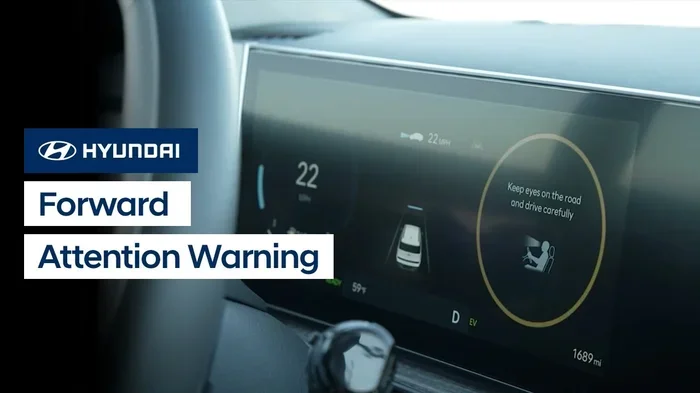
When the system triggers, you will usually see a message on the dashboard display. It might say something like “Driver Attention Attention Required” or show a coffee cup icon. Some models also play a chime or beep to get your attention. The alert is designed to be noticeable but not scary.
If you see this warning, do not ignore it. The system has already detected something that needs your attention. The best thing to do is find a safe place to pull over and take a break.
False Alerts and How to Handle Them
Sometimes the system might trigger a warning even when you feel fine. This can happen if you made a quick steering correction or changed lanes abruptly. False alerts are rare, but they do happen. If you get a warning and you feel fully alert, simply acknowledge it and keep driving safely.
If you keep getting false alerts, it might be worth checking your vehicle settings. Some Hyundai models let you adjust the sensitivity of the driver attention warning system. Just remember that turning it off means you lose that extra layer of safety.
What Should You Do When the Attention Level Alert Comes On?
Getting an attention level warning can feel startling, especially if you did not realize you were losing focus. But the system is there to help, not to scare you. Here is what you should do when that alert appears on your dashboard.
- Pull over safely. Find a parking lot or a safe spot on the side of the road. Do not stop on a highway shoulder unless it is an emergency.
- Take a break. Step out of the car. Stretch your legs, get some fresh air, and let your mind reset.
- Grab a drink or snack. A cup of coffee or a glass of water can help you feel more alert.
- Check your basic needs. Are you hungry? Are you too hot or too cold? Sometimes simple discomfort can drain your focus.
- Wait before driving again. Give yourself at least 15 to 20 minutes before getting back on the road. You want to make sure the alert was a genuine warning and not just a temporary lapse.
If you ignore the warning and keep driving, you put yourself and others at risk. The attention level system exists because Hyundai cares about your well-being. Trust it and respond accordingly.
It is also worth noting that the system works best when you are well-rested before a trip. Getting a good night’s sleep before a long drive is one of the best things you can do. The attention level feature is a backup, not a replacement for good sleep and healthy driving habits.
How to Keep Your Hyundai’s Safety Systems Working Well
The attention level system is just one part of your vehicle’s safety setup. Like everything else in your car, it needs proper care to work at its best. Regular maintenance keeps all your safety features running smoothly.
Make sure you keep up with your scheduled service appointments. During these visits, a trained technician can check the sensors and software that power the attention level system. They can also update the system’s software if Hyundai releases new patches or improvements.
Keep your dashboard clean and unobstructed. The alert messages rely on your display screen, so a cracked or dirty screen can make warnings harder to see. Also, make sure your mirrors and seat are positioned correctly. Good visibility supports better driving and helps the system read your behavior more accurately.
Just like you would not ignore a check engine light, do not ignore the attention level warning. If you notice the alert coming on more often than usual, it might be a sign that you need more rest or that something else is off. And if your vehicle has other issues, like car won’t start in cold weather but battery is good, those problems can add stress and fatigue to your driving experience. Take care of your vehicle, and it will take care of you.
Regular oil changes, tire rotations, and brake inspections all contribute to a safer driving experience. When your car is running well, you can focus more on the road and less on mechanical worries. This means the attention level system has less work to do because you are already driving at your best.
Some drivers also wonder about other maintenance topics. For example, if you are curious about how much oil is too much, you can read up on whether it is safe to drive with too much oil in your engine. Staying informed about your vehicle’s health helps you become a more confident and attentive driver.
Another important area is your transmission. If you have ever wondered about transmission lifespan, knowing at what mileage a transmission goes bad can help you plan for maintenance and avoid unexpected breakdowns. A well-maintained car supports safer driving in every way.
Final Thoughts on the Attention Level Feature
The attention level system in Hyundai vehicles is a fantastic piece of technology. It shows how far car safety has come in recent years. Instead of just protecting you during a crash, modern vehicles now work to prevent accidents before they happen.
This feature is a reminder that driving demands more than just skill. It demands focus, rest, and awareness. The attention level system helps you stay on top of all three. Whether you are commuting to work or heading out on a weekend road trip, it is nice to know your Hyundai has your back.
Take some time to explore your vehicle’s safety settings. Read the owner’s manual. Learn what each warning light means. The more you understand about your car’s features, the safer and more confident you will be on the road. And that is exactly what Hyundai wants for every driver.
Remember, the attention level alert is not something to fear. It is a friendly nudge from your car to take care of yourself. So the next time that message appears, smile, pull over, and enjoy a well-deserved break. Your safety is worth it.
Frequently Asked Questions
What does the attention level warning mean in a Hyundai?
The attention level warning means your Hyundai has detected signs that you may be drowsy or distracted while driving. The system monitors your steering and driving behavior and alerts you when it notices patterns that suggest your focus has dropped. It is a safety feature designed to help you stay aware on the road.
How do I turn off the attention level alert in my Hyundai?
You can usually dismiss the alert by pressing the OK button on your steering wheel or dashboard controls. However, it is best to pull over safely first and take a break. The system may reactivate if it still detects inattentive driving patterns. You can also adjust the sensitivity in your vehicle settings if your model supports it.
Which Hyundai models have the driver attention warning system?
Many modern Hyundai models include this feature, especially in mid-level and higher trims. Popular models like the Hyundai Sonata, Tucson, Santa Fe, Elantra, Kona, and Palisade offer the attention level system as part of the SmartSense safety package. Check your specific model and trim to confirm availability.
Can the attention level system detect if I am falling asleep at the wheel?
Yes, the system is designed to detect signs of drowsiness. It watches for erratic steering, changes in speed, and long periods of uninterrupted driving. If it senses you might be dozing off, it will trigger a warning to wake you up and encourage you to pull over and rest.
Is the attention level feature the same as lane keep assist?
No, they are different but related features. The attention level system monitors your overall alertness and driving behavior. Lane keep assist actively helps steer the vehicle if it detects you are drifting out of your lane. They work together to provide a safer driving experience.
Does the attention level system work in all driving conditions?
The system works in most conditions, but it may be more sensitive during long highway drives or late-night trips when fatigue is more common. It relies on detecting changes in your driving patterns, so very short trips or unusual driving conditions may not always trigger it the same way.
=== CONCLUSION ===
The attention level feature in Hyundai vehicles is a powerful tool that helps keep you safe. It monitors your driving, watches for signs of fatigue, and alerts you when your focus is slipping. Understanding how it works and how to respond to its warnings can make you a better, more aware driver.
Take advantage of this feature. Learn what the alerts look like in your specific model. Keep your vehicle well-maintained so all safety systems perform at their best. And most importantly, listen to your car when it tells you to take a break. The road will always be there, but your well-being comes first.