How Do You Release a Safety Latch on a Hood Easily
Releasing a safety latch on a hood is a simple process that every car owner should know. Whether your hood latch is stuck, jammed, or just hard to find, this guide walks you through each step with clear instructions. You will learn about different hood latch types, how to troubleshoot common problems, and easy maintenance tips to keep your hood release mechanism working smoothly for years to come.
Have you ever stood in front of your car, pulled the hood release handle, and nothing happened? It is a frustrating moment that happens to almost every driver at some point. Whether you are checking your engine oil, adding windshield washer fluid, or just trying to peek under the hood, knowing how to release a safety latch on a hood is an essential skill. This guide will walk you through the entire process step by step, so you can get that hood open with confidence every single time.
Your car’s hood latch might seem like a simple mechanism, but it actually involves several parts working together. There is the interior release handle, the safety latch, the prop rod, and sometimes even a cable system. Understanding how these pieces fit together makes the whole process much easier. In this article, we will cover everything you need to know about your hood release mechanism, from the basic steps to troubleshooting and maintenance. By the end, you will feel completely comfortable handling your own hood latch, no matter what type of vehicle you drive.
We have organized this guide into clear sections that build on each other. First, we will look at how your hood latch works and the different types you might encounter. Then, we will walk you through the exact steps to release a safety latch on a hood safely. After that, we will tackle the most common problems drivers face, like a stuck or jammed latch. We will also share practical maintenance tips that can extend the life of your latch system. Finally, we will discuss when it is time to replace parts and answer the most frequently asked questions. Let us get started.
Key Takeaways
- Know Your Latch Type: Different vehicles use different hood latch systems, and understanding yours is the first step to opening it quickly.
- Follow the Two-Step Process: Most hoods require pulling an interior lever and then releasing a secondary safety latch at the front of the car.
- Troubleshoot Before Panic: A stuck hood latch often has simple causes like rust, a broken spring, or a loose cable that are easy to fix.
- Lubrication Is Key: Regular maintenance with the right lubricant prevents most hood latch problems and extends the life of the mechanism.
- Replace When Needed: Worn or damaged latches compromise safety and should be swapped out promptly to avoid bigger issues.
- Safety First: Always secure the hood prop rod before working under the hood to prevent serious injury.
📑 Table of Contents
- Understanding Your Hood Safety Latch
- Common Types of Hood Safety Latches
- Step-by-Step Guide to Releasing a Hood Safety Latch
- Troubleshooting a Stuck or Jammed Hood Latch
- Maintaining Your Hood Latch for Long-Lasting Performance
- When to Replace Your Hood Safety Latch
- Final Thoughts on Releasing Your Hood Safety Latch
Understanding Your Hood Safety Latch
Before you can release a safety latch on a hood, it helps to understand what you are actually dealing with. The hood latch is the mechanism that keeps your hood securely closed while you are driving. It needs to be strong enough to withstand wind pressure and vibration, but easy enough for you to open when you need access to the engine bay.
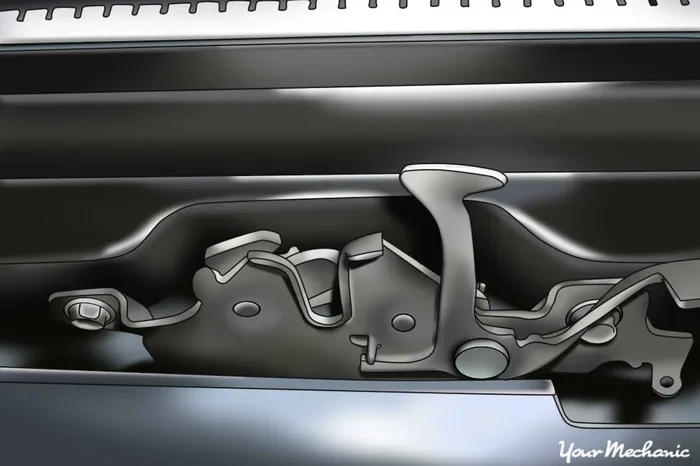
Every vehicle has at least two latch points. The first is the interior release handle, which you pull from inside the car. This handle is connected to the latch through a cable or linkage system. The second point is the safety latch, which is the secondary lock that prevents the hood from popping open accidentally. This is the part we are focusing on today.
The safety latch serves a very important purpose. Without it, the hood could fly open while you are driving at highway speeds, which would be extremely dangerous. The safety latch adds an extra layer of security. It usually requires a secondary action, like lifting the hood slightly and then pushing or pulling a secondary latch, to fully release the hood.
How the Hood Release Mechanism Works
The hood release mechanism is a system of levers, springs, and cables. When you pull the interior handle, it tugs on a cable that connects to the primary latch. This releases the primary lock, but the safety latch keeps the hood from opening fully. You then need to go to the front of the car, lift the hood a few inches, and find the safety latch to complete the process.
Some newer vehicles use electronic release systems instead of traditional cables. These systems use buttons or touch sensors to release the latch. However, the basic principle remains the same. There is always a primary release and a secondary safety lock. Understanding this two-part system is the key to opening any hood quickly and safely.
The hood latch spring plays a crucial role in this mechanism. The spring pushes the latch into the locked position and provides the tension needed to keep the hood closed. When the spring weakens or breaks, the latch may not engage properly, leading to a hood that feels loose or does not close securely.
Why the Safety Latch Matters
The hood safety catch is not just an extra step to make your life harder. It is a critical safety feature. Imagine driving at 70 miles per hour and the hood suddenly flies open. Visibility would be completely blocked, and the aerodynamic disturbance could make the car very hard to control. The safety latch prevents this scenario entirely. It ensures that even if the primary latch fails, the hood stays shut.
Knowing how your hood latch types work also helps you communicate better with mechanics. When you can describe the problem accurately, you save time and money. You will also be better equipped to handle basic issues yourself, which builds confidence and independence as a car owner.
Common Types of Hood Safety Latches
Not all hood latches are the same. Different vehicles use different hood latch types, and knowing which one your car has can make the release process much smoother. Let us look at the most common types you will encounter.
Traditional Cable-Operated Latches
The traditional cable-operated latch is the most common type found in older and many modern vehicles. It uses a steel cable that runs from the interior release handle to the latch assembly under the hood. When you pull the handle inside the car, the cable pulls the latch mechanism, releasing the primary lock. You then go to the front of the car, lift the hood slightly, and push or pull the hood safety catch to fully open it.
This type of latch is reliable and simple. However, the cable can stretch, fray, or corrode over time. If your hood is hard to open or feels loose, the cable might be the culprit. Regular hood latch maintenance can prevent these issues from becoming serious problems.
Electronic and Push-Button Latches
Many newer vehicles come with electronic hood release systems. Instead of a physical cable, these systems use an electric motor or solenoid to release the latch. You press a button inside the car, and the system disengages the primary lock. The secondary safety latch still needs to be manually released at the front of the car.
Electronic latches are convenient, but they can have electrical issues. A dead battery, a faulty sensor, or a blown fuse can prevent the system from working. If your electronic hood release fails, check the fuse box first. Many electronic systems also have a manual override cable hidden under the front bumper or grille, which you can use in an emergency.
Submarine-Style Latches
Submarine-style latches are common on trucks and SUVs. These latches engage from underneath the hood and use a lever system that drops down into place when the hood closes. To release a safety latch on a hood of this type, you lift the hood slightly and then pull the lever upward or sideways, depending on the design. These latches are very secure but can be tricky to locate if you have not seen them before.
Each type of latch has its own quirks. The good news is that the basic process of opening the hood is similar across all of them. You release the primary lock from inside the car, then find and release the safety latch at the front. Once you know what type your vehicle has, the process becomes second nature.
Step-by-Step Guide to Releasing a Hood Safety Latch
Now that you understand how the latch works and what type your vehicle might have, let us walk through the actual process of releasing a safety latch on a hood. Follow these steps carefully, and you will have that hood open in no time.
Step 1: Park on a Level Surface
Before you do anything, make sure your car is parked on a flat, level surface. Turn off the engine and let the car cool down for a few minutes. This prevents burns from hot engine components and ensures the car is stable while you work. Engage the parking brake for extra safety. Taking these simple precautions sets the foundation for a smooth and safe experience.
Step 2: Find the Interior Release Handle
Go inside the car and look for the hood release handle. In most vehicles, this is located on the left side of the driver’s footwell, near the bottom of the dashboard. Some cars have a small lever or a pull handle that is clearly labeled with a hood icon. Pull this handle firmly toward you. You should hear a click or feel the hood pop slightly.
If you do not hear or feel anything, do not panic. The hood release cable might need adjustment, or there could be an issue with the latch itself. We will cover troubleshooting in a later section. For now, move on to the next step.
Step 3: Go to the Front of the Car
Walk to the front of the vehicle and run your hand along the front edge of the hood. Feel for a gap between the hood and the bumper. Most hoods will have a slight lift after the interior release is pulled. Place your fingers in this gap and gently lift the hood upward.
Some vehicles require you to lift the hood about one to two inches before the safety latch releases. Others need more lift. Listen carefully for a second click, which indicates the safety latch has disengaged. This click is your signal that the hood latch release is complete and the hood can be raised fully.
Step 4: Release the Safety Latch
This is the critical step. Once the hood is lifted slightly, look for the safety latch mechanism. It is usually located near the center of the front edge of the hood. You may need to push it to the left or right, pull it toward you, or lift it upward, depending on your vehicle’s design.
When you find the latch, apply gentle pressure in the correct direction. The hood should rise freely once the safety latch is released. If it does not, do not force it. Double-check that you have fully released the interior handle and that the hood is lifted high enough. Forcing a stuck latch can damage the mechanism and lead to costly hood latch repair bills.
Step 5: Secure the Hood with the Prop Rod
Once the hood is open, secure it with the prop rod or hood stay. Most vehicles have a metal rod attached to the underside of the hood. Insert this rod into the designated hole on the underside of the hood or the fender. This keeps the hood open and stable while you work on the engine.
Never lean over an open hood without securing it first. A hood that falls unexpectedly can cause serious injury. Always double-check that the prop rod is firmly in place before reaching into the engine bay. This is one of those small habits that makes a big difference in safety.
Troubleshooting a Stuck or Jammed Hood Latch
Sometimes, despite your best efforts, the hood latch just will not cooperate. A stuck or jammed latch is one of the most common car problems drivers face, but it is usually easy to fix. Here is how to troubleshoot the most frequent issues.
The Hood Release Handle Feels Loose or Does Nothing
If pulling the interior release handle does nothing, the problem is often the cable. The hood release cable connects the handle to the latch mechanism, and over time it can stretch, fray, or disconnect. Open the glove box and look up to see if you can spot the cable. Check for visible damage or slack. If the cable has come off the latch, you may be able to reconnect it yourself with a pair of pliers. Otherwise, a mechanic can replace the cable quickly and affordably.
A loose handle can also indicate a broken plastic clip or lever inside the car. These small parts are inexpensive and easy to replace. Do not ignore a loose handle because it will only get worse over time. Addressing it early prevents a situation where you are stranded with a hood that will not open.
The Hood Lifts but Will Not Open Fully
This is usually a problem with the safety latch. The primary latch has released, but the hood safety catch is still engaged. Try lifting the hood a little higher and applying more pressure to the latch. If it still will not move, the latch may be rusted or corroded. A spray of hood latch lubrication like WD-40 or a silicone-based lubricant can often free up a stuck latch. Spray it directly into the latch mechanism and wait a few minutes before trying again.
Sometimes the issue is misalignment. If the hood has been bumped or the car has been in a minor accident, the latch and catch may no longer line up properly. Check the alignment by closing the hood gently and seeing if it sits flush. A misaligned hood puts uneven stress on the latch and can cause it to jam.
The Hood Latch Is Frozen in Cold Weather
Cold weather can cause the latch mechanism to freeze, especially if moisture has gotten into the moving parts. If you are dealing with a frozen latch, do not force it. Spray a de-icer or rubbing alcohol around the latch area and wait for the ice to melt. You can also use a hair dryer on a low setting to gently warm the latch from a safe distance. Once the ice melts, the latch should move freely again.
Prevention is the best approach for cold weather issues. Apply a coat of silicone-based lubricant to the latch before winter sets in. This creates a barrier against moisture and helps prevent freezing. It is a small effort that pays off when temperatures drop below freezing.
The Hood Will Not Close Properly
If your hood will not latch after opening it, the problem could be misalignment. Check that the hood is centered over the engine bay and that both sides are even. Sometimes a minor adjustment is all that is needed. If the latch still does not engage, the hood latch spring may be weak or broken. A weak spring means the latch cannot grip the hood securely, which is a safety hazard. In this case, you should have the spring or the entire latch assembly inspected and replaced if necessary.
For persistent hood latch troubleshooting, it is always a good idea to consult your vehicle’s owner manual. The manual often includes specific guidance for your model and may point you to the exact location of the safety latch and any manual release features. It is a valuable resource that many car owners overlook.
Maintaining Your Hood Latch for Long-Lasting Performance
The best way to avoid hood latch problems is to prevent them in the first place. Regular hood latch maintenance takes just a few minutes and can save you from frustrating situations on the road. Here is how to keep your latch system in top shape.
Lubricate the Latch Regularly
Apply a silicone-based lubricant or white lithium grease to the latch mechanism every six months. This keeps the moving parts smooth and prevents rust and corrosion. Spray the lubricant directly into the latch, the safety catch, and any pivot points. Wipe away any excess with a clean cloth to avoid attracting dirt and grime.
Regular hood latch lubrication is one of the simplest and most effective maintenance tasks you can do. It takes less than five minutes and significantly extends the life of your latch system. Make it part of your regular car care routine, just like checking your oil or tire pressure. A little prevention goes a long way.
Check the Cable and Linkage
Inspect the hood release cable at least once a year. Look for signs of fraying, rust, or slack in the cable. If the cable feels loose or does not pull smoothly, it may need adjustment or replacement. A loose cable is one of the most common reasons a hood release handle feels ineffective.
Also check the linkage connections where the cable attaches to the latch. These connections can become loose or corroded over time, especially in vehicles that are exposed to road salt, rain, or other harsh conditions. Keeping these connections clean and tight ensures smooth operation and prevents unexpected failures.
Clean the Hood Latch Area
Dirt, debris, and road grime can build up around the latch mechanism and interfere with its operation. Use a damp cloth to wipe down the latch area and the safety catch regularly. If there is heavy buildup, use a mild cleaner and a soft brush to remove grime. Keeping the area clean helps the latch move freely and reduces wear on the components.
Inspect the Hood Prop Rod
Do not forget about the hood prop rod. A damaged or worn prop rod can be dangerous because it may not hold the hood securely in place. Check that the rod is solid and that it clicks firmly into its holder. If the rod is bent or the holder is damaged, replace it before you need to use it. A secure prop rod is an essential part of safe hood operation.
Listen for Warning Signs
Pay attention to any changes in how your hood latch feels or sounds. If the release handle becomes harder to pull, if you hear grinding or clicking noises, or if the hood does not feel as secure as it used to, these are warning signs. Addressing these issues early through hood latch repair can prevent more serious problems down the road. Your car will thank you for the attention.
When to Replace Your Hood Safety Latch
Sometimes maintenance is not enough, and you need to replace parts of your hood latch system. Knowing when to replace components can save you time, money, and keep you safe on the road.
Signs You Need a Hood Latch Replacement
There are several clear signs that your hood latch assembly needs replacement. If the hood does not close securely, if the latch feels wobbly or loose, if you hear rattling noises when driving, or if the release handle feels broken or disconnected, these are all indicators that something needs attention.
A cracked or broken latch body is another clear sign. Latches are made of metal or durable plastic, but they can crack over time due to stress, impact, or corrosion. A cracked latch cannot hold the hood securely and should be replaced immediately. Driving with a damaged latch is a safety risk that no car owner should take lightly.
DIY vs. Professional Replacement
Replacing a hood latch is a task many car owners can handle themselves with basic tools. You will typically need a socket set, a screwdriver, and the replacement latch part, which you can order using your vehicle’s make, model, and year. The process involves removing the hood’s front trim, disconnecting the cable, unbolting the old latch, and installing the new one.
However, if you are not comfortable working on your car, a professional mechanic can handle the hood latch replacement quickly and efficiently. The cost is usually reasonable, ranging from $50 to $200 for parts and labor depending on your vehicle. It is a worthwhile investment for the peace of mind that comes with a properly functioning hood latch.
Choosing the Right Replacement Part
When shopping for a replacement latch, make sure you get the right part for your specific vehicle. Check your owner’s manual or look up the part number online. OEM (Original Equipment Manufacturer) parts are designed to fit your vehicle exactly, but quality aftermarket parts can also work well and often cost less. Always choose a reputable brand and read reviews before purchasing.
Remember, the hood safety latch is a critical safety component. Never compromise on quality when replacing it. A properly functioning latch keeps the hood secure while driving and ensures you can access the engine safely when needed. Take the time to choose the right part and install it correctly.
Final Thoughts on Releasing Your Hood Safety Latch
Knowing how to release a safety latch on a hood is a fundamental skill that every driver should have. It takes just a few minutes to learn, and it can save you from frustrating situations and expensive trips to the mechanic. We have covered the different types of hood latches, the step-by-step release process, troubleshooting common problems, and essential maintenance tips.
The key is to stay calm and work through the process methodically. Pull the interior handle, go to the front of the car, lift the hood slightly, and find the safety latch. If something is stuck, try lubrication or check the cable before assuming the worst. Regular maintenance like lubrication and cleaning will keep your hood release mechanism working smoothly for years to come.
Do not wait until you are stranded with a hood that will not open or close properly. Take a few minutes today to familiarize yourself with your vehicle’s latch system. Check the cable, lubricate the moving parts, and make sure the prop rod is in good condition. These small actions make a big difference in the long run. With the knowledge you have gained from this guide, you are now fully equipped to handle any hood latch situation with confidence and ease.
Frequently Asked Questions
Can I open my hood without the interior release handle?
Yes, most vehicles have a manual override cable located under the front bumper or grille. You can access this cable by removing the cover and pulling it firmly. This is especially useful if the interior handle breaks or the cable disconnects. Always consult your owner’s manual for the exact location of the override on your specific model.
Why does my hood latch keep sticking?
A sticking hood latch is usually caused by rust, corrosion, or lack of lubrication. Dirt and grime buildup can also interfere with the moving parts. Regular cleaning and lubrication with a silicone-based product can prevent sticking. If the problem persists, the latch spring may be weak and need replacement.
Is it safe to drive with a hood that is not fully latched?
No, it is not safe at all. A hood that is not fully latched can open while driving, blocking your vision and creating a serious hazard. If your hood will not latch securely, do not drive the car until the issue is resolved. Have the latch inspected and repaired by a professional if needed.
How much does it cost to replace a hood latch?
The cost typically ranges from $50 to $200 for parts and labor, depending on your vehicle’s make and model. OEM parts may cost more than aftermarket alternatives, but they offer a precise fit and reliable performance. Getting a quote from a trusted mechanic before proceeding is always a smart move.
Can cold weather affect my hood latch?
Yes, cold weather can freeze the latch mechanism, especially if moisture has entered the moving parts. Using a de-icer or rubbing alcohol can help thaw a frozen latch. Preventive lubrication before winter is the best way to avoid cold-weather latch problems and ensure smooth operation year-round.
What should I do if the hood latch cable breaks?
If the cable breaks, you can use the manual override cable located under the front bumper or grille to release the latch. You should also have the cable replaced as soon as possible, as a broken cable means you cannot rely on the interior release handle. A mechanic can install a new cable quickly and affordably.