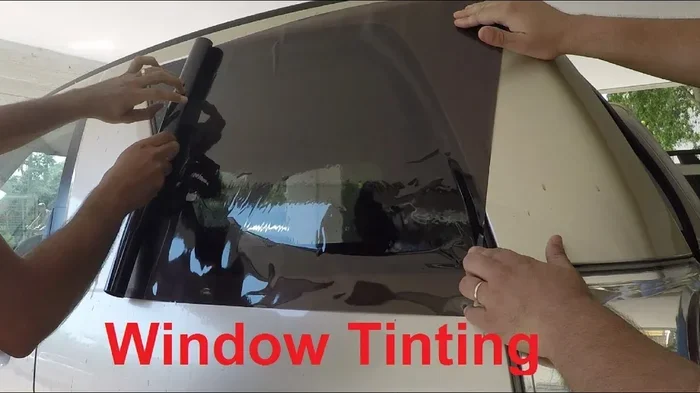
New Mexico Window Tint Law What You Should Know in 2024
New Mexico window tint law sets clear rules for how dark or reflective your car windows can be. The state measures tint darkness using VLT (Visible Light Transmission) percentages. Understanding these rules helps you avoid fines and pass vehicle inspections with ease.
Driving in New Mexico means enjoying sunny skies and clear roads most of the year. But that sun can make your car unbearably hot. Many car owners turn to window tinting to reduce glare and heat. However, not all tint is legal. The New Mexico window tint law sets specific rules that every driver must follow. If you ignore these rules, you could face fines or even fail your vehicle inspection.
This guide breaks down everything you need to know about New Mexico window tint law in 2024. We will cover legal tint darkness limits, reflectivity rules, exemptions, and penalties. Whether you are planning to tint your windows for the first time or already have tint installed, this article will help you stay compliant and avoid trouble.
Key Takeaways
- Front side windows must allow over 33% VLT in New Mexico.
- Rear side windows and rear window can be any darkness.
- Windshield tint is limited to the top 6 inches only.
- Reflective tint is not allowed on any vehicle window.
- Medical exemptions are available for darker tint needs.
- Illegal tint can result in fines up to $100 or more.
- Always choose certified tint film from a licensed installer.
📑 Table of Contents
Understanding New Mexico Window Tint Law
New Mexico has clear regulations for automotive window tinting. These rules are part of the state vehicle code. The law focuses on two main factors. The first is tint darkness, measured as VLT percentage. The second is tint reflectivity. Both factors determine whether your tint is legal or not.
VLT stands for Visible Light Transmission. It measures how much light passes through your window film. A higher VLT means more light gets through. A lower VLT means the tint is darker. For example, a 33% VLT film lets in 33% of outside light. It blocks the rest. Understanding VLT is essential to understanding New Mexico window tint law.
What Is VLT and Why Does It Matter?
VLT is the percentage of visible light that passes through your window. Think of it like a pair of sunglasses. The darker the lens, the lower the VLT. In New Mexico, each window has a different legal VLT limit. These limits exist for safety reasons. Darker windows reduce visibility for the driver. They also make it harder for police to see inside your vehicle. This can affect road safety and law enforcement.
New Mexico window tint law requires that your tint film be certified. Certified film comes with a label showing its VLT rating. Always ask your installer for proof of certification. This protects you during traffic stops or vehicle inspections.
How Tint Darkness Is Measured
Tint darkness is measured using a VLT meter. This device shines light through the window and calculates the percentage that passes through. Law enforcement uses these meters during traffic stops. If your tint falls below the legal limit, you may receive a citation.
Here is how VLT works in simple terms:
- 70% VLT lets in 70% of light. It looks almost clear.
- 50% VLT lets in half the light. It looks slightly tinted.
- 35% VLT is a medium tint. It noticeably darkens the window.
- 20% VLT is a dark tint. It is hard to see through from outside.
- 5% VLT is very dark. This is often called “limo tint.”
When you choose a tint film, always check the VLT rating. Make sure it meets or exceeds the legal limit for each window. This is the most important step in following New Mexico window tint law.
Legal Tint Limits for Each Window
New Mexico window tint law treats different windows differently. The front side windows have stricter rules than the rear windows. The windshield also has its own set of rules. Let us break this down window by window.
| Window | Legal Tint Limit (VLT) | Reflective Tint Allowed? |
|---|---|---|
| Front Side Windows | Over 33% VLT | No |
| Rear Side Windows | Any darkness allowed | No |
| Rear Window | Any darkness allowed | No |
| Windshield | Top 6 inches only | No |
As you can see, New Mexico window tint law is more relaxed for rear windows. You can choose almost any darkness for your back seats. However, the front side windows and windshield have strict limits. This balance allows drivers to enjoy tinted rear windows while keeping the front windows clear enough for safety.
Front Side Windows
The front side windows must allow more than 33% of light to pass through. This means your tint film must have a VLT of at least 33%. In practice, most legal tint films for front windows fall between 33% and 50% VLT. A 35% VLT film is a very popular choice among New Mexico car owners. It provides good heat rejection and glare reduction while staying within the law.
If your front side windows are tinted below 33% VLT, you are breaking New Mexico window tint law. You could receive a ticket during a traffic stop. The fine can range from $25 to $100 depending on the county. Repeat offenses may result in higher fines or mandatory tint removal.
Rear Side Windows and Rear Window
Here is the good news. New Mexico window tint law allows any level of darkness on rear side windows and the rear window. You can go as dark as you want on these windows. This makes it easy to tint the back of your car for privacy or heat reduction.
However, there is one important exception. If your rear window is tinted, you must have dual side mirrors. The tint reduces visibility through the rear window. Side mirrors compensate for this reduced visibility. Without them, you could still be cited for an unsafe vehicle condition.
Windshield Tint Rules
New Mexico window tint law only allows tint on the top 6 inches of the windshield. This strip is often called the “sun strip” or “shade band.” It sits just below the windshield’s edge. The rest of the windshield must remain untinted and clear.
The 6-inch rule helps maintain driver visibility. The windshield is your primary viewing area. Tinting it too dark can create dangerous blind spots. The sun strip reduces glare from the top of the windshield without blocking your view of the road ahead.
Some drivers wonder if they can tint the full windshield. The answer is no. Full windshield tinting is illegal in New Mexico. Stick to the top 6 inches and you will stay compliant.
Tint Reflectivity and Color Restrictions
Beyond darkness, New Mexico window tint law also controls reflectivity and color. These rules are just as important as VLT limits. Violating them can result in the same penalties as illegal tint darkness.
Reflective Tint Rules
Reflective tint contains metallic particles that bounce light away from the vehicle. This gives the window a mirror-like appearance from the outside. While reflective tint can reduce heat, it creates problems for law enforcement. Officers cannot see through reflective windows during the day or night.
New Mexico window tint law prohibits reflective tint on all vehicle windows. No window, front or rear, can have a reflective finish. If your tint has any metallic or mirror-like sheen, it may not be legal. Always ask your installer whether the film is reflective before you have it applied.
Prohibited Tint Colors
New Mexico window tint law does not restrict tint color. You can choose from a range of tint shades including charcoal, bronze, gray, and blue. However, some colors may attract unwanted attention from law enforcement. Very dark or unusual colors can raise suspicion during traffic stops.
The key is to focus on VLT compliance rather than color. As long as your tint meets the VLT requirements for each window, the color itself is generally not an issue. Just make sure your film is certified and labeled properly.
Medical Exemptions and Special Permits
Not everyone can tolerate standard tint darkness levels. Some individuals have medical conditions that require darker windows. New Mexico window tint law does provide exemptions for these cases. However, the process is specific and requires proper documentation.
Who Qualifies for a Medical Exemption?
Medical exemptions are available for people with certain health conditions. These conditions often involve extreme sensitivity to sunlight. Common qualifying conditions include:
- Lupus and other autoimmune disorders
- Severe sun allergies or photosensitivity
- Skin cancer or a history of skin cancer
- Certain eye conditions that increase light sensitivity
- Medication-related photosensitivity
You cannot simply decide you want darker tint for comfort. You must have a documented medical condition. Your physician must provide written proof of your diagnosis and the need for darker window tint.
How to Apply for a Medical Exemption
To get a medical exemption for window tint in New Mexico, follow these steps:
- Visit your doctor and get a written statement explaining your condition.
- The statement must specify that darker window tint is medically necessary.
- Submit the statement to your local Motor Vehicle Division (MVD) office.
- Wait for approval. Processing times vary by county.
- Once approved, keep the exemption document in your vehicle at all times.
Having a medical exemption does not give you unlimited freedom. The exemption still has limits. Your tint must fall within a reasonable range. You cannot tint all windows to 5% VLT even with an exemption. Always check with your local MVD for the specific terms of your permit.
Penalties and Enforcement
New Mexico takes window tint violations seriously. Law enforcement officers can pull you over if they suspect your tint is too dark. During a traffic stop, they may use a VLT meter to check your windows. If your tint fails the test, you will receive a citation.
Fines for Illegal Tint
The penalties for violating New Mexico window tint law include:
- First offense: Fines typically range from $25 to $100.
- Repeat offenses: Fines can increase to $100 or more.
- Mandatory tint removal: In some cases, you may be ordered to remove the illegal tint.
- Failed vehicle inspection: Illegal tint will cause your car to fail inspection.
Fines vary by county and the severity of the violation. Some counties are stricter than others. Albuquerque, for example, actively enforces tint laws during routine traffic stops. Rural areas may be less aggressive, but the law still applies everywhere in the state.
What Happens During a Traffic Stop
If an officer pulls you over for suspected illegal tint, stay calm and cooperative. Keep your vehicle registration and insurance documents handy. If you have a medical exemption, present the documentation immediately. The officer will likely use a VLT meter to measure your window tint.
If your tint is within legal limits, you will receive no citation. If it is not, you will be issued a fine. You may also be told to remove the tint. In some cases, you can fix the issue and provide proof of compliance later to reduce or dismiss the fine.
Tips for Choosing Legal Window Tint
Tinting your windows can be a great investment. It reduces heat, blocks UV rays, and adds privacy. But you must choose the right film and installer to stay legal. Here are practical tips to help you make smart decisions.
Quick Tips for Staying Compliant
- Choose a VLT of 33% or higher for front side windows. This is the safest choice and keeps you well within the law.
- Ask for a certificate of compliance. Your installer should provide this with every tint job.
- Keep documentation in your car. Store your tint certificate and any exemption paperwork in the glove box.
- Avoid aftermarket tint that peels or bubbles. Damaged tint can change VLT performance over time.
- Research your installer. Choose a licensed and experienced tint shop in New Mexico.
- Check local county rules. Some counties may have additional enforcement policies beyond state law.
Common Mistakes to Avoid
Many car owners make mistakes when tinting their windows. Avoid these common errors:
Mistake 1: Buying the cheapest tint online. Cheap tint films often lack proper VLT certification. They may not meet New Mexico window tint law requirements. Always buy from a reputable supplier.
Mistake 2: Assuming all 35% tint is legal. Not all 35% tint films are the same. Some have a lower actual VLT than advertised. Ask your installer to verify the VLT with a meter before final installation.
Mistake 3: Tinting the full windshield. Some drivers tint the entire windshield for glare reduction. This is illegal in New Mexico. Only the top 6 inches are permitted.
Mistake 4: Forgetting about the rearview mirror rule. If you tint your rear window, you must have dual side mirrors. Forgetting this can lead to an additional citation.
Mistake 5: Ignoring certification labels. Every legal tint film must have a certification label. If your film lacks this label, it may not be compliant with New Mexico window tint law.
Expert Insights on Window Tinting in New Mexico
Local tint installers in New Mexico recommend choosing a high-quality ceramic or carbon film. These films offer excellent heat rejection without the metallic reflectivity that can violate state rules. Ceramic tint is especially popular because it does not interfere with electronic signals. This means your GPS, phone, and radio signals stay strong.
Experts also suggest getting your tint done in the spring or fall. These seasons have moderate temperatures that allow the film to cure properly. Tinting in extreme heat or cold can affect the film’s adhesion and longevity.
According to automotive safety professionals, the front windshield and front side windows play a critical role in driver visibility. New Mexico window tint law strikes a balance between personal comfort and public safety. Respecting these limits keeps you and others safe on the road.
Staying Updated on Tint Law Changes
Laws can change over time. New Mexico may update its window tint regulations in the future. Stay informed by checking the New Mexico Motor Vehicle Division website regularly. You can also contact your local MVD office for the most current information.
Following New Mexico window tint law is not just about avoiding fines. It is about being a responsible driver. Legal tint improves your driving experience while keeping the roads safe for everyone. Take the time to understand the rules, choose quality film, and work with a trusted installer.
Whether you are a first-time car owner or a longtime New Mexico resident, knowing your tint rights and responsibilities matters. Use this guide as your go-to resource. Share it with friends and family who may be considering window tinting. Together, we can keep New Mexico roads safe and sun-safe.
Remember, the best tint is the one that keeps you cool, protects your skin, and keeps you on the right side of the law. Stay informed, stay compliant, and enjoy the ride.
Frequently Asked Questions
What is the legal tint darkness for front windows in New Mexico?
Front side windows must allow more than 33% of visible light to pass through. This means your VLT must be over 33%. Tinting your front windows darker than this limit will result in a citation under New Mexico window tint law.
Can I tint my rear windows as dark as I want in New Mexico?
Yes. New Mexico window tint law allows any level of darkness on rear side windows and the rear window. However, if your rear window is tinted, you must have dual side mirrors to compensate for reduced rear visibility.
Is reflective tint allowed on any car window in New Mexico?
No. New Mexico window tint law prohibits reflective tint on all vehicle windows. This includes front side windows, rear side windows, rear window, and windshield. Reflective or mirror-like finishes are not permitted.
How do I get a medical exemption for darker window tint?
You need a written statement from your doctor explaining your medical condition and the need for darker tint. Submit this statement to your local MVD office for approval. Once approved, keep the exemption document in your vehicle at all times.
What happens if I get caught with illegal window tint in New Mexico?
You may receive a fine ranging from $25 to $100 or more depending on the county. Repeat offenses can result in higher fines and mandatory tint removal. Illegal tint can also cause your vehicle to fail inspection.
Can I tint my entire windshield in New Mexico?
No. New Mexico window tint law only allows tint on the top 6 inches of the windshield. The rest of the windshield must remain clear and untinted. Tinting the full windshield is illegal and will result in a citation.