Where Is TPMS Located on Your Vehicle and Why It Matters
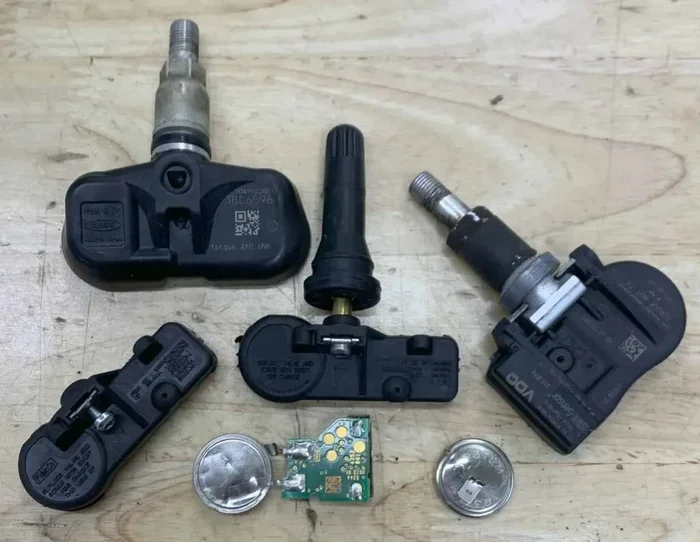
The TPMS (Tire Pressure Monitoring System) sensor is typically located inside the tire, mounted on the wheel rim or attached to the tire valve stem. Most modern vehicles use a direct TPMS sensor that sits inside the tire to measure air pressure in real time. Understanding your TPMS location helps you maintain tire pressure, stay safe on the road, and avoid costly repairs.
Have you ever looked at your dashboard and seen a little light shaped like a horseshoe with an exclamation mark in the middle? That is your TPMS warning light, and it is trying to tell you something important about your tire pressure. But where exactly is the system that triggers that light? If you have ever wondered where TPMS is located, you are not alone. Many drivers see that little icon and have no idea what is going on inside their tires.
TPMS stands for Tire Pressure Monitoring System. It is a safety feature found in nearly every modern vehicle sold today. The system keeps an eye on the air pressure inside your tires and alerts you when something is off. Knowing the TPMS location on your specific vehicle helps you understand how this system works, when to service it, and how to keep your tires in top shape. In this article, we will walk you through everything you need to know about TPMS sensor placement, how the system works, and why it matters for your daily driving.
Key Takeaways
- TPMS sensors sit inside the tire: Most are mounted on the wheel rim or attached near the valve stem, hidden inside the tire bead.
- Two types exist: Direct TPMS uses internal sensors, while indirect TPMS relies on wheel speed sensors already in your ABS system.
- Location varies by vehicle: Sedans, trucks, and SUVs may have different TPMS placements, but the basic concept stays the same.
- The dashboard light is your alert: A TPMS warning light on your dashboard tells you when tire pressure drops below safe levels.
- Regular maintenance matters: Keeping your TPMS in good shape extends tire life and improves fuel efficiency.
- Battery life is limited: TPMS sensors have batteries that last around 5-10 years and need replacement eventually.
- Reset after tire service: Always TPMS reset your system after rotating tires or replacing sensors.
📑 Table of Contents
- What Is TPMS and Why Does It Matter?
- Where Is TPMS Located on Different Vehicle Types?
- Direct TPMS vs Indirect TPMS: How They Differ
- How to Find Your TPMS Sensor on the Tire
- Common TPMS Problems and Warning Signs
- Maintaining Your TPMS for Long-Term Performance
- Why Understanding TPMS Location Benefits Every Driver
What Is TPMS and Why Does It Matter?
Before we dive into the physical TPMS location, let us talk about what TPMS actually does. The Tire Pressure Monitoring System is a collection of sensors and a computer module that tracks the air pressure inside each tire. When pressure drops too low or rises too high, the system sends a signal to your vehicle’s computer. This triggers the tire pressure warning light on your dashboard.
Proper tire pressure is essential for several reasons. First, it keeps you safe. Underinflated tires can overheat, leading to blowouts and loss of vehicle control. Overinflated tires reduce the contact patch with the road, which affects handling and braking. Second, correct pressure improves fuel economy. Tires that are not properly inflated cause your engine to work harder, which burns more gas. Third, it extends the life of your tires. Uneven pressure causes uneven wear, meaning you replace tires more often than you need to.
How TPMS Protects You on the Road
The TPMS location inside your tire means the system can detect pressure changes in real time. You do not have to manually check your tires every single day. The system does the work for you. Most vehicles will trigger the warning light when pressure drops by about 25 percent below the recommended level. This gives you a clear heads-up before a small problem becomes a dangerous one.
Think of TPMS as your tire’s personal bodyguard. It watches the pressure constantly and speaks up when something is wrong. Without it, you might not notice a slow leak until the tire is nearly flat. By that point, you could be stranded on the side of the road or, worse, involved in an accident.
Where Is TPMS Located on Different Vehicle Types?
The TPMS location varies depending on the type of vehicle you drive. However, the general concept remains the same across sedans, trucks, SUVs, and crossovers. Let us break down where you can expect to find the sensors in different vehicle categories.
TPMS Location in Passenger Cars and Sedans
In most passenger cars and sedans, the TPMS sensor is located inside the tire, mounted on the inner wall of the wheel rim. The sensor clips onto the rim near the tire valve stem. Once the tire is mounted, the sensor sits inside the tire bead, hidden from view. It measures the air pressure inside the tire and sends that data wirelessly to the TPMS module in your vehicle.
For sedans, the TPMS location is usually straightforward. Each wheel has one sensor, so a standard four-door sedan has four sensors total. The sensors are typically located near the valve stem on the inner rim surface. Some older models may have the sensor attached directly to the valve stem itself.
TPMS Location in Trucks and SUVs
Trucks and SUVs follow a similar pattern, but there are some differences. Larger vehicles often have heavier-duty sensors because they carry more weight. The TPMS sensor is still located inside the tire on the wheel rim, but the mounting design may be slightly different to handle the extra load.
For trucks with larger wheels, finding the TPMS location may require removing the tire from the rim in some cases. The sensors are still inside the tire bead area, but access can be a bit different due to the size of the wheels. Some heavy-duty trucks also use dual sensors on the rear axle to monitor both tires on each side.
TPMS Location in Compact and Mini Vehicles
Compact cars and mini vehicles have smaller wheels, which means the TPMS sensor is also smaller. The TPMS location is still inside the tire, mounted on the rim. The good news is that these sensors are often easier to access because the wheels are smaller. However, the sensors in compact vehicles can be more fragile due to their size, so extra care is needed during tire service.
Direct TPMS vs Indirect TPMS: How They Differ
Not all TPMS systems work the same way. There are two main types, and understanding the difference helps you understand where TPMS is located on your specific vehicle.
Direct TPMS
Direct TPMS uses physical pressure sensors located inside each tire. This is the most common type found in modern vehicles. The TPMS sensor measures the actual air pressure inside the tire and sends that data to the vehicle’s computer. The direct TPMS location is always inside the tire, mounted on the wheel rim or attached to the valve stem.
Direct systems are highly accurate. They give you a real-time reading of the pressure in each individual tire. Most vehicles made after 2007 in the United States come equipped with direct TPMS as standard. This is because federal regulations require all new passenger vehicles to have a functioning monitoring system.
Indirect TPMS
Indirect TPMS works differently. Instead of a physical pressure sensor inside the tire, it uses the vehicle’s existing wheel speed sensors, which are part of the ABS (Anti-lock Braking System). The indirect TPMS location is actually on the wheel hub or near the brake component, where the wheel speed sensor is already installed.
Indirect TPMS estimates tire pressure by measuring the rotational speed of each wheel. A tire with low pressure has a smaller rolling radius, which means it spins faster than a properly inflated tire. The system detects this difference and triggers the warning light. Indirect systems are less accurate than direct systems and do not tell you which specific tire has a problem. They also need to be recalibrated after tire rotations or tire changes.
Comparison: Direct vs Indirect TPMS
| Feature | Direct TPMS | Indirect TPMS |
|---|---|---|
| Sensor Location | Inside the tire on the rim | Wheel hub or brake area |
| Accuracy | High, measures actual pressure | Moderate, estimates based on rotation |
| Cost to Replace | Higher | Lower |
| Battery Required | Yes (5-10 year life) | No |
| Shows Individual Tire Pressure | Yes | No |
| Common in Modern Vehicles | Yes | Less common |
How to Find Your TPMS Sensor on the Tire
If you want to physically locate the TPMS sensor on your vehicle, there are a few things you should know. The sensor is hidden inside the tire, so you cannot just look at the outside of the wheel and see it. However, there are ways to identify where it sits.
Steps to Locate the TPMS Sensor
Finding the TPMS location on your tire requires a bit of work. Here is how you can do it:
- Check the valve stem area: The TPMS sensor is usually located near the valve stem on the inside of the rim. Look at the wheel from the side to see if you can spot a small metal or plastic component near the valve.
- Look for a small plastic cap: Some vehicles have a small cap or cover over the sensor area on the outside of the rim. This is a quick visual indicator.
- Consult your owner’s manual: Your vehicle’s manual will show the exact TPMS location for your specific make and model. This is the most reliable method.
- Visit a tire service center: A professional tire shop can quickly identify the sensor location using specialized tools. They can also check if the sensor is functioning properly.
Tools You May Need
If you want to check the TPMS location yourself, you will need a few basic tools:
- A tire pressure gauge to check current pressure levels
- A lug wrench to remove the wheel if needed
- A flashlight to see inside the tire rim area
- Your vehicle owner’s manual for specific guidance
Keep in mind that you should never attempt to remove a tire from the rim unless you have the proper equipment and experience. Tire service requires a professional mounting machine and should be handled by a trained technician.
Common TPMS Problems and Warning Signs
Even though the TPMS location is well-protected inside the tire, the system can still develop problems over time. Being aware of common issues helps you address them before they become serious safety concerns.
TPMS Sensor Battery Failure
Every TPMS sensor has a small battery that powers it. These batteries typically last between 5 and 10 years. When the battery dies, the sensor stops sending data, and the tire pressure warning light stays on. You will need to replace the entire sensor to restore proper function. This is one of the most common reasons drivers see the TPMS light and wonder what is wrong.
Sensor Damage from Road Hazards
The TPMS sensor sits inside the tire, but it is not completely immune to damage. Potholes, curbs, and road debris can all affect the sensor. A hard impact can crack the sensor housing or damage the wiring that connects it to the TPMS module. If you hit a pothole hard and then notice the TPMS light comes on, get your tires checked as soon as possible.
Corrosion Around the Valve Stem
The area around the tire valve stem is exposed to road salt, moisture, and debris. Over time, this can cause corrosion that affects the sensor’s ability to communicate with the vehicle’s computer. If you live in an area with harsh winters, this is something to watch for. Regularly inspect your valve stems for any signs of rust or buildup.
TPMS Light Stays On After Filling Tires
Sometimes you fill your tires to the correct pressure, but the tire pressure warning light stays on. This usually means the system needs a TPMS reset. A reset tells the computer that the tires are now at the correct pressure. Most vehicles allow you to perform this reset with a button located in the cabin, often near the steering column or on the dashboard. Check your owner’s manual for the exact TPMS reset procedure for your vehicle.
Maintaining Your TPMS for Long-Term Performance
Taking care of your TPMS system is just as important as taking care of your tires. A well-maintained monitoring system keeps you safe and saves you money in the long run. Here are some practical tips to keep your TPMS location and sensors in great shape.
Regular Tire Pressure Checks
Even though your TPMS monitors pressure automatically, it is still a good idea to check your tires manually at least once a month. Use a reliable tire pressure gauge and compare the reading to the recommended pressure listed on the driver’s side door jamb. This simple habit catches slow leaks that the TPMS might not catch until the pressure drops significantly.
Replace TPMS Sensors When Needed
When a TPMS sensor battery dies or the sensor becomes damaged, you need to replace it. Most tire shops can do this for you. The cost typically ranges from $50 to $100 per sensor, depending on your vehicle. Some shops offer a bundle price if you need to replace multiple sensors at once.
Always TPMS Reset After Service
Whenever you have your tires rotated, replaced, or serviced, always request a TPMS reset. This ensures the system recalibrates to the new tire pressure readings. Skipping this step can cause the warning light to stay on even when your tires are perfectly fine.
Keep Your TPMS Module Updated
The TPMS module in your vehicle is the brain of the system. It receives data from the sensors and displays it on your dashboard. Occasionally, this module may need a software update, especially if you replace sensors or install new tires. Ask your mechanic or dealership if a TPMS reprogramming is needed during any major tire service.
Watch for Seasonal Pressure Changes
Cold weather causes tire pressure to drop. This is because air contracts in lower temperatures. During winter months, your TPMS light may come on more frequently, even if your tires are in good condition. Check your pressure more often in the fall and winter, and adjust as needed. This is a great way to keep your tire health in check year-round.
Why Understanding TPMS Location Benefits Every Driver
Knowing where TPMS is located on your vehicle gives you a real advantage as a driver. You become more aware of your vehicle’s safety systems and can take better care of your tires. When the warning light comes on, you will know exactly what is happening and what steps to take next.
Proper tire maintenance goes hand in hand with a functioning TPMS system. Together, they keep your vehicle safe, improve fuel economy, and extend the life of your tires. Whether you drive a compact car or a full-size truck, understanding your TPMS location is a small investment of time that pays off big dividends in safety and savings.
Take a few minutes to familiarize yourself with your vehicle’s TPMS system. Check your owner’s manual, locate the sensors, and learn how to perform a TPMS reset. These simple steps make you a more informed and confident driver. And when that little warning light comes on, you will know exactly what it means and what to do about it.
Your tires are the only part of your vehicle that touches the road. Taking care of them with the help of a properly functioning TPMS is one of the best decisions you can make for your safety, your wallet, and your peace of mind.
Frequently Asked Questions
Can I drive with the TPMS light on?
You should not drive with the TPMS light on for an extended period. The light means your tire pressure is too low or too high, which can be dangerous. Check your tire pressure immediately and inflate or deflate to the recommended level. If the light stays on after adjusting pressure, you may need a TPMS reset or sensor replacement.
How long do TPMS sensors last?
Most TPMS sensors last between 5 and 10 years. The sensor battery is the main limiting factor, and it cannot be replaced separately in most cases. When the battery dies, you need to replace the entire sensor. Regular tire service can help you stay ahead of battery failure.
Can I replace a TPMS sensor myself?
It is possible to replace a TPMS sensor yourself if you have the right tools and knowledge. However, most drivers prefer to have a professional handle the job. The sensor sits inside the tire and requires proper mounting and TPMS reprogramming to work correctly with your vehicle’s computer.
Does TPMS work after a tire rotation?
Yes, but you will likely need to perform a TPMS reset after rotating your tires. The system may need recalibration because the sensors have moved to different positions. Always ask your tire shop to reset the system as part of the rotation service.
What causes the TPMS light to come on randomly?
The TPMS light can come on due to temperature changes, a slow leak, a dead sensor battery, or a damaged sensor. Cold weather is a common culprit because it causes tire pressure to drop temporarily. If the light comes on and then goes off, check your pressure and monitor it over the next few days.
Is TPMS required by law?
Yes, in the United States, all new passenger vehicles manufactured after 2007 are required to have a functioning Tire Pressure Monitoring System. This federal regulation was put in place to improve vehicle safety and reduce accidents caused by underinflated tires. If you buy a used car made after 2007, it should have TPMS already installed.
=== CONCLUSION ===
Understanding where TPMS is located on your vehicle is one of the simplest yet most valuable things you can do as a driver. The TPMS sensor sits inside your tire, mounted on the wheel rim near the valve stem, and it works tirelessly to keep you informed about your tire pressure. Whether your vehicle uses a direct TPMS system with internal sensors or an indirect TPMS system that relies on wheel speed data, the goal is the same: keep you safe on the road.
By knowing the TPMS location and understanding how the system works, you can take better care of your tires, respond quickly to warning lights, and avoid costly repairs. Regular maintenance, timely sensor replacement, and proper tire pressure checks all work together to keep your TPMS functioning at its best. Make it a habit to check your tires, stay on top of sensor health, and never ignore that little warning light on your dashboard. Your safety depends on it, and your wallet will thank you too.