Does Regular Maintenance Service Include an Oil Change
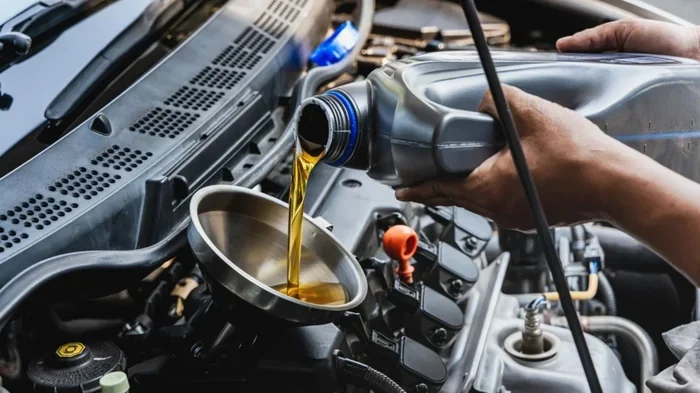
Does maintenance service include an oil change? The answer depends on your vehicle, your service plan, and where you go for service. Most routine maintenance packages do include an oil change, but not all of them cover the full cost or use the right oil for your engine. Understanding what is included helps you avoid surprise bills and keeps your car running smoothly.
This is a comprehensive guide about Does Maintenance Service Include an Oil Change?.
Key Takeaways
- Most maintenance services include an oil change: Standard service packages at dealerships and independent shops typically cover oil and filter replacement.
- Not all oil changes are free: Some plans bundle the cost while others charge separately, so always confirm before booking.
- Oil type matters: Conventional, synthetic blend, and full synthetic oils serve different needs and come with different price tags.
- Intervals vary by vehicle: Modern cars with oil life monitoring systems may extend change intervals well beyond the old 3,000-mile rule.
- Skipping oil changes risks engine damage: Dirty oil loses lubrication and can lead to expensive repairs over time.
- Reset your maintenance light after service: If your maintenance required light stays on after an oil change, you may need to reset it manually.
[FEATURED_IMAGE_PLACEHOLDER]
What Is Regular Maintenance Service?
Regular maintenance service is the scheduled care your vehicle needs to stay healthy and reliable. It includes inspections, fluid checks, filter replacements, and yes, oil changes. Think of it like a routine checkup at the doctor. You go not because something hurts, but to prevent problems before they start.
Most manufacturers recommend a maintenance schedule based on mileage or time intervals. Common intervals include every 5,000 miles, 7,500 miles, or 10,000 miles. Some newer vehicles use an oil life monitoring system that calculates when a change is actually needed based on driving conditions. This smart approach replaces the old one-size-fits-all timeline.
When you book a maintenance service, the service advisor typically checks your vehicle against this schedule. They look at your mileage, the last service date, and any warning lights on the dashboard. From there, they recommend the services your car needs at that point in time.
What Does a Standard Maintenance Package Cover?
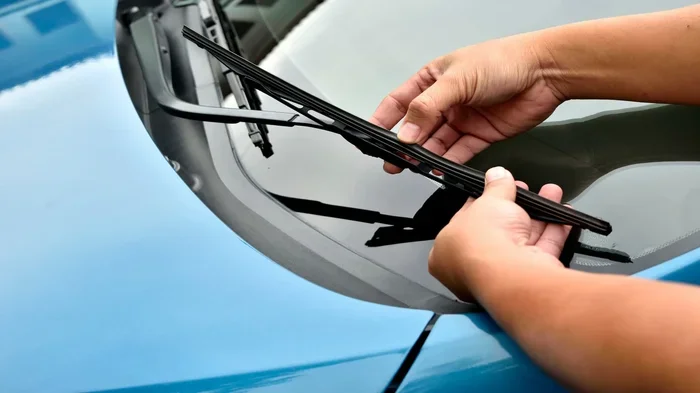
A standard maintenance package usually includes several core services. Oil and filter replacement sits at the top of the list. Beyond that, technicians often check tire pressure, inspect brakes, test fluids like coolant and transmission fluid, and examine belts and hoses. Some packages also include a multi-point inspection that covers lights, wipers, and cabin filters.
The exact services included vary by provider. Dealership maintenance plans differ from independent shop packages. And your driving habits matter too. If you tow heavy loads or drive in extreme heat, your car may need more frequent attention.
Does Every Maintenance Plan Include an Oil Change?
Here is the short answer: most of the time, yes. But the details matter. Not every maintenance plan treats oil changes the same way. Some include them fully. Others list them as an add-on service. And a few plans may even skip oil changes entirely if your vehicle has low mileage.
Dealership Maintenance Plans
When you buy a new car, the dealership often offers a maintenance plan as part of the purchase or as an extended warranty option. These plans typically cover oil changes for a set number of years or mileage. For example, a plan might include three free oil changes within the first 36,000 miles. But always read the fine print. Some plans only cover conventional oil, not synthetic.
If you are wondering are oil changes free at Toyota or any other brand, the answer is usually yes for the first few services under a new vehicle plan. After that, you pay out of pocket or through a paid maintenance package.
Independent Shop and Quick-Lube Services
Independent shops and quick-lube centers like Autozone also offer oil change services. Some shops run promotions where oil changes are free with a full maintenance visit. Others charge a flat fee that covers the oil, filter, and labor. The key difference is that independent shops often give you more flexibility in choosing your oil type.
When comparing options, ask whether the price includes the oil filter, disposal fees, and any additional fluids. A low advertised price sometimes hides extra charges that add up quickly.
DIY Oil Changes
Some car owners prefer to handle oil changes themselves. DIY oil changes give you complete control over the oil quality and the work performed. You save on labor costs, but you need to invest in the right tools and dispose of used oil properly. Many auto parts stores offer recycling programs for used motor oil.
How Often Should You Get an Oil Change?
The old rule of thumb was every 3,000 miles or three months. But modern engines and better oils have changed the game. Today, many vehicles can go 5,000 to 10,000 miles between oil changes. The right interval depends on several factors.
Factors That Affect Oil Change Frequency
- Oil type: Full synthetic oil lasts longer than conventional oil. Synthetic blends fall somewhere in between.
- Driving conditions: Stop-and-go city driving, towing, and extreme temperatures all shorten oil life.
- Vehicle age: Older engines tend to burn oil faster and may need more frequent changes.
- Manufacturer recommendations: Always check your owner’s manual first. The automaker knows your engine best.
- Oil life monitoring system: Many modern cars use sensors that track driving patterns and adjust the recommended change interval automatically.
Can You Go Longer Between Oil Changes?
Some drivers wonder can you go two years without changing synthetic oil or can I go 10,000 miles on synthetic oil. The answer is sometimes yes, but not always. Extended intervals work well for vehicles driven under ideal conditions. If your driving involves frequent short trips, heavy loads, or extreme heat, sticking closer to the shorter interval protects your engine better.
What Happens If You Skip an Oil Change?
Skipping an oil change might not cause immediate problems. But over time, the consequences add up. Old oil breaks down and loses its ability to lubricate engine parts. This leads to increased friction, heat buildup, and eventually, wear on critical components.
The Warning Signs
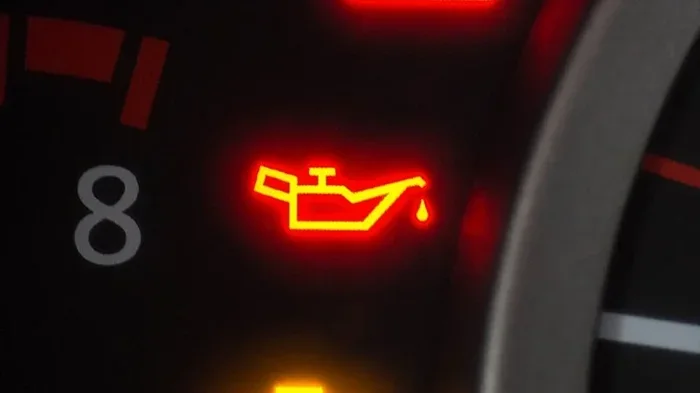
Your car gives you several warning signs when oil changes are overdue. The maintenance required light on your dashboard is the most obvious one. Some vehicles also display an oil pressure warning. You might notice dark, gritty oil on the dipstick, a burning smell from the engine bay, or unusual engine noise.
If you ignore these signs, the next step is worse. Sludge builds up inside the engine. Oil passages become clogged. In the worst case, the engine seizes. At that point, the repair cost far exceeds the price of regular oil changes.
Can You Still Drive With the Oil Change Light On?
Many drivers ask can I still drive with the oil change light on. The honest answer is you can, but you should not. The light is a warning that your oil has reached the end of its useful life. Driving a short distance to reach a service center is usually fine. But making a habit of ignoring it puts your engine at risk.
How to Know If Your Maintenance Includes an Oil Change
Checking whether your maintenance service includes an oil change is straightforward. Start by reviewing your service plan or warranty documents. Look for language about oil changes, filter replacements, and routine fluid services. If the wording is unclear, call the service advisor and ask directly.
Questions to Ask Your Service Advisor
- Does this service include an oil and filter change?
- What type of oil do you use, and is it covered by my plan?
- Is there an additional charge for disposal or environmental fees?
- Will you reset my maintenance light after the service?
- What other services are recommended based on my current mileage?
Understanding the Maintenance Light
Your maintenance required light is different from the check engine light. The maintenance light reminds you that scheduled service is due. The check engine light signals a specific problem detected by the onboard diagnostics system. Understanding this difference between a check engine light and maintenance required light helps you respond appropriately to each warning.
If your maintenance light stays on after service, you may need to reset it. Some vehicles reset automatically. Others require a simple button sequence or a quick visit to the service center. Knowing how to reset the oil change light saves you from unnecessary trips and gives you peace of mind.
Common Oil Change Mistakes to Avoid
Even car owners who stay on top of maintenance can make mistakes. Here are the most common ones and how to avoid them.
Using the Wrong Oil
Every engine is designed for a specific oil viscosity. Using the wrong weight oil, such as putting 5W-30 oil in a Toyota Corolla when the manual calls for a different grade, can affect performance and fuel economy. Always check your owner’s manual or ask the service advisor before the oil goes in.
Forgetting to Replace the Oil Filter
The oil filter traps contaminants and keeps your oil clean. If you change the oil but skip the filter, the old contaminants mix with the fresh oil. This defeats the purpose of the change. A quality oil filter replacement is a small cost that protects your engine.
Ignoring the Reset Process
After an oil change, the maintenance counter needs to reset. If you do not reset it, the light stays on and you lose track of your next service date. Some drivers wonder do you reset the oil change light after every service. The answer is yes, every single time.
Choosing the Cheapest Option
Low-cost oil changes can save money upfront but sometimes cut corners. The shop might use low-quality oil, skip the filter, or rush through the process. When it comes to engine health, the cheapest option is not always the best value.
Expert Tips for Getting the Most From Your Maintenance Service
Getting the most value from your maintenance service comes down to a few smart habits. First, keep a service log. Write down every oil change, every inspection, and every repair. This record helps you track your vehicle’s health and proves maintenance history if you ever sell the car.
Second, build a relationship with a trusted service provider. Whether it is a dealership or an independent shop, consistency matters. A technician who knows your vehicle’s history can spot potential problems early and recommend services that actually make a difference.
Third, do not let upsells pressure you into unnecessary services. A good service advisor will recommend what your car needs based on its condition and the manufacturer’s schedule. If a recommendation feels unclear, ask for an explanation or seek a second opinion.
Finally, stay on top of your oil change interval even if your car has an oil life monitoring system. These systems are helpful, but they are not perfect. Extreme driving conditions can shorten oil life faster than the sensor detects.
Conclusion
So, does maintenance service include an oil change? In most cases, yes. Regular maintenance packages, whether from a dealership or an independent shop, typically bundle oil changes as a core service. But the details vary, and knowing what is included protects you from surprise costs and keeps your engine running strong.
Stay proactive about your vehicle’s care. Check your maintenance schedule, ask the right questions, and never ignore warning lights. A little attention today saves you from major repairs tomorrow. Your car works hard for you. Make sure its oil change routine keeps it in top shape for miles to come.
Frequently Asked Questions
Does every car maintenance service include an oil change?
Most standard maintenance services include an oil change, but it is not guaranteed. Some plans bundle it while others list it separately. Always confirm with your service provider before booking to avoid any confusion or unexpected charges.
How do I know if my maintenance plan covers oil changes?
Review your maintenance plan documents or call your service advisor. Look for specific mentions of oil changes, filter replacements, and the number of services covered. If you purchased a maintenance plan at the dealership, the coverage details should be in your paperwork.
What type of oil is used in maintenance services?
It depends on your vehicle and the service plan. Many modern cars require full synthetic oil for optimal performance. Some older models work well with conventional oil. Always check your owner’s manual and confirm the oil type with your service center before the work begins.
Can I drive my car if the maintenance light is on?
You can drive a short distance, but do not ignore the light for long. The maintenance light indicates that scheduled service is due. Continuing to drive without service can lead to reduced engine performance and potential damage over time.
Do I need to reset the oil change light after service?
Yes, you should reset the maintenance light after every oil change. Some vehicles reset automatically, while others require a manual process. If the light stays on after service, ask the technician to reset it before you leave the service center.
How long does an oil change take during a maintenance visit?
A standard oil change typically takes 15 to 30 minutes. However, if the maintenance visit includes additional services like tire rotations, fluid checks, or inspections, the total time may be longer. Plan for about an hour for a comprehensive maintenance visit.