Does Synthetic Oil Need to Be Changed Every 5000 Miles
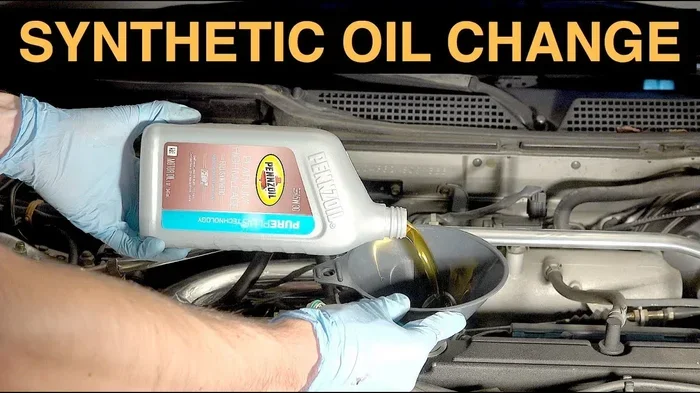
Synthetic oil does not always need to be changed every 5000 miles. Modern synthetic oils can last between 7500 and 15000 miles depending on your vehicle, driving habits, and manufacturer recommendations. Understanding your synthetic oil change interval can save you time, money, and unnecessary trips to the shop.
Every car owner has heard the advice: change your oil every 3000 or 5000 miles. But if you use synthetic oil, is that still true? The short answer is no. Synthetic oil does not need to be changed every 5000 miles in most cases. Modern synthetic formulations are designed to last far longer than traditional oils. In this guide, we break down everything you need to know about synthetic oil change intervals, when to actually change your oil, and how to keep your engine running strong without wasting money.
Whether you drive a Toyota, a Honda, or any other vehicle, understanding your oil change frequency is one of the smartest things you can do for car maintenance. Let us dive into the facts and clear up the confusion once and for all.
Key Takeaways
- 5000 miles is not a universal rule: Many synthetic oils last much longer than 5000 miles.
- Check your owner’s manual: Your vehicle manufacturer provides the best guidance for oil change intervals.
- Driving conditions matter: Severe driving shortens oil life, while normal driving extends it.
- Oil life monitoring systems help: Modern cars track oil condition automatically.
- You can save money: Extending your oil change interval reduces maintenance costs over time.
- Quality synthetic oil lasts longer: Full synthetic oil outperforms conventional oil in longevity.
📑 Table of Contents
- What Is Synthetic Oil and Why Does It Matter?
- The Standard 5000-Mile Oil Change Rule
- When You Can Safely Go Beyond 5000 Miles
- Factors That Affect Your Oil Change Interval
- Signs Your Synthetic Oil Needs Changing
- How to Get the Most Out of Your Synthetic Oil
- Common Mistakes People Make With Synthetic Oil Changes
- Expert Insights on Synthetic Oil Longevity
- Conclusion
What Is Synthetic Oil and Why Does It Matter?
Synthetic oil is a lab-engineered lubricant designed to protect your engine better than conventional oil. It is made from artificially produced chemical compounds. These compounds are crafted to provide superior performance at both high and low temperatures.
Unlike conventional oil, which is refined directly from crude petroleum, synthetic oil goes through a rigorous manufacturing process. This process removes impurities and allows engineers to tailor the oil molecules for specific performance benefits.
How Synthetic Oil Differs from Conventional Oil
Here is a quick look at how the two compare:
- Synthetic oil: Engineered for maximum protection. It resists breakdown better and lasts longer.
- Conventional oil: Refined from natural sources. It breaks down faster and needs more frequent changes.
- Synthetic blend: A mix of synthetic and conventional. It offers a middle ground in terms of performance and cost.
Because synthetic oil is more stable, it can handle extreme heat without degrading quickly. This is why many modern cars come filled with synthetic oil from the factory. The engine oil lifespan of synthetic products is significantly longer than what we saw with older oil types.
Why Oil Quality Affects Change Intervals
The quality of your oil directly impacts how long it can protect your engine. Premium synthetic oils contain advanced additives. These additives help neutralize acids, prevent sludge buildup, and reduce wear on metal parts. When these additives remain active, the oil continues to do its job effectively.
Cheaper oils, whether conventional or low-grade synthetic, lose their protective properties faster. This is why choosing the right oil type matters so much for your vehicle maintenance schedule.
The Standard 5000-Mile Oil Change Rule
The idea that you must change your oil every 5000 miles has been around for decades. This rule came from a time when conventional oil was the standard. Back then, oil degradation happened faster, and 5000 miles was a safe interval.
Today, things are different. Most cars on the road use synthetic oil or synthetic blends. The synthetic oil change interval for these vehicles is often much longer. Many manufacturers now recommend changes at 7500, 10000, or even 15000 miles.
Where Did the 5000-Mile Rule Come From?
The 5000-mile rule became popular through quick-lube shops and older advice. It was a safe, conservative number that worked for most vehicles. However, it was never a one-size-fits-all rule. Even back then, many cars could go longer between changes.
Some quick-lube businesses still push the 5000-mile interval because it brings customers in more often. But this is not always what your car needs. If you are unsure, always check your manufacturer recommendation in the owner’s manual.
What Modern Car Manuals Actually Say
Most new car manuals today suggest oil change intervals well beyond 5000 miles. For example:
- Toyota recommends 10000-mile intervals for many models using synthetic oil.
- Honda often suggests 7500 to 10000 miles for their vehicles.
- European brands like BMW and Mercedes may recommend 15000-mile intervals with synthetic oil.
These numbers are not guesses. They come from extensive testing by the manufacturers. Your car’s oil change schedule is built around the specific oil and engine design you have.
When You Can Safely Go Beyond 5000 Miles
Many drivers can safely exceed the 5000-mile mark without harming their engine. The key is understanding what conditions allow for longer intervals. Full synthetic oil in particular offers extended drain capabilities that older oil types simply cannot match.
If you have ever wondered whether you can push past 5000 miles, the answer is likely yes. Let us look at when it is safe and when it is not.
Can You Go 10000 Miles on Synthetic Oil?
Yes, in many cases you can. A lot of modern vehicles are designed to go 10000 miles between oil changes when using full synthetic oil. This is especially true for cars with oil life monitoring systems that track actual oil condition rather than just mileage.
If you want more details on how far synthetic oil can actually go, check out our guide on Can I Go 10000 Miles on Synthetic Oil. It covers real-world examples and manufacturer specs.
Can You Go Two Years Without Changing Synthetic Oil?
Some drivers ask whether time matters as much as mileage. The answer is yes. Oil degrades over time even if you do not drive many miles. Most experts recommend changing synthetic oil at least once a year, even if you have not hit the mileage limit.
For those wondering about longer timeframes, our article on Can You Go Two Years Without Changing Synthetic Oil explores this topic in depth.
Normal Driving vs. Severe Driving
Your driving style plays a huge role in determining oil life. Here is a simple breakdown:
- Normal driving: Highway trips, steady speeds, moderate temperatures. Oil lasts longer under these conditions.
- Severe driving: Short trips, stop-and-go traffic, extreme heat or cold, towing heavy loads. Oil breaks down faster in these situations.
If you mostly drive on highways in moderate weather, you can likely extend your interval well past 5000 miles. If you drive in heavy traffic or extreme conditions, you may need to stick closer to the 5000-mile mark or even change sooner.
Factors That Affect Your Oil Change Interval
Not every car is the same, and neither is every driving situation. Several factors determine how often you need to change your synthetic oil. Understanding these factors helps you make smarter decisions about your car care tips and maintenance routine.
Your Vehicle Type and Engine Design
Different engines consume and degrade oil at different rates. Turbocharged engines, for example, run hotter and may break down oil faster. High-performance engines also put more stress on oil. On the other hand, modern engines with tight tolerances and advanced filtration can go longer between changes.
If you own a Toyota Camry or a Honda Civic, check your specific model’s manual. These reliable vehicles often have clear guidelines for synthetic oil lifespan that go well beyond 5000 miles.
The Role of Your Oil Filter
Your oil filter catches contaminants and keeps your oil clean. A clogged or low-quality filter reduces oil life. Changing your oil filter at every oil change is essential. A good filter allows the oil to flow freely and do its job effectively.
If you want to learn more about oil filter quality, especially for Toyota vehicles, you can read our article on Are Toyota Oil Filters Good.
Oil Viscosity and Its Impact
Oil viscosity refers to how thick or thin your oil is at different temperatures. Common grades like 5W-30 and 0W-20 are designed for modern engines. Using the correct viscosity ensures proper lubrication and helps the oil last longer.
Using the wrong viscosity can lead to faster oil breakdown. Always follow your manufacturer’s recommendation for oil viscosity. This is one of the easiest ways to maximize your oil change interval.
Climate and Temperature Conditions
Hot weather breaks down oil faster. Cold weather can cause moisture buildup in the oil. If you live in an area with extreme temperatures, you may need to change your oil more frequently than someone in a moderate climate.
How Often You Drive Matters
Cars that sit unused for long periods can develop oil contamination. Moisture and fuel can dilute the oil over time. If you only drive your car occasionally, time-based oil changes become more important than mileage-based ones.
Signs Your Synthetic Oil Needs Changing
Even with a set interval, it is smart to know the warning signs that your oil needs attention. Catching these signs early can prevent engine damage and costly repairs.
Dark or Dirty Oil
Fresh synthetic oil is typically amber or golden in color. As it ages, it darkens. If your oil looks very dark or black on the dipstick, it is likely time for a change. However, some darkening is normal and does not always mean the oil is worn out.
Unusual Engine Noises
Clean oil keeps engine parts lubricated and quiet. If you hear knocking, ticking, or grinding sounds, your oil may not be doing its job. Low or degraded oil reduces the cushion between metal parts, leading to noise.
The Oil Change Light or Warning Message
Most modern vehicles have an oil change light or an oil life monitoring system. When this light comes on, it means your car’s computer has detected that the oil needs attention. If you see this light, do not ignore it.
If you are wondering whether you can keep driving with this light on, check out our article on Can I Still Drive With the Oil Change Light On.
Reduced Fuel Efficiency
Old or degraded oil creates more friction inside the engine. This extra friction reduces fuel economy. If you notice your gas mileage dropping, it might be time for an oil change.
Burning Oil Smell
A burnt oil smell inside or outside your car is a red flag. It can indicate oil leaks, overheating, or oil that has broken down past the point of being useful. Address this issue immediately.
How to Get the Most Out of Your Synthetic Oil
Getting the best value from your synthetic oil comes down to a few smart habits. These tips help you extend oil life and protect your engine simultaneously.
Follow the Manufacturer’s Recommendation
This is the single most important tip. Your car’s manufacturer knows the engine best. They test the oil with the specific engine design and set the recommended interval. Sticking to this schedule gives you the best balance of protection and cost.
Check Your Oil Level Regularly
Make it a habit to check your oil level once a month. Low oil levels cause engine wear. If the level is below the minimum mark, top it off with the same type and viscosity of oil.
Reset the Oil Change Light After Each Service
After you get an oil change, reset the oil change light on your dashboard. This keeps your monitoring system accurate. If you are unsure how to do this, you can find guidance in our article on Do You Have To Reset the Light After an Oil Change.
Keep a Maintenance Log
Write down every oil change, including the date, mileage, and oil type used. This log helps you track patterns and stay on top of your vehicle maintenance. It also adds value if you ever sell the car.
Use Quality Oil and Filters
Do not cut corners on oil quality. Using a reputable brand of full synthetic oil and a quality filter pays off in the long run. Cheap oil may seem like a savings, but it can lead to engine problems that cost far more.
Take Advantage of Free or Low-Cost Oil Changes
Many dealerships and auto parts stores offer affordable or even free oil changes. If you want to know what services are available near you, check out our guide on Do Dealerships Give Free Oil Changes.
Common Mistakes People Make With Synthetic Oil Changes
Even experienced car owners can make mistakes when it comes to oil changes. Here are a few to avoid:
- Assuming all synthetic oils are the same: Different brands and grades vary widely. Always match your oil to your engine’s needs.
- Ignoring the oil life monitor: If your car has an oil life system, trust it. It uses sensors to track actual oil condition.
- Changing oil too early: Changing oil before it is needed wastes money. Modern synthetic oils are built to last.
- Never checking the oil between changes: Oil levels can drop between services. Regular checks prevent engine damage.
- Mixing oil types without checking compatibility: Always verify that any oil you add is compatible with what is already in the engine.
Avoiding these mistakes keeps your engine healthy and your maintenance costs predictable.
Expert Insights on Synthetic Oil Longevity
Automotive experts generally agree that synthetic oil can last well beyond 5000 miles. Many mechanics now recommend intervals of 7500 to 10000 miles for vehicles using full synthetic oil. Some specialists even go as far as 15000 miles for newer engines with high-quality oil.
The key takeaway from experts is simple: follow your car’s specific guidelines rather than a one-size-fits-all rule. Your owner’s manual is the best resource you have. When in doubt, consult a trusted mechanic or refer to your manufacturer’s service schedule.
If you are curious about how long your specific Toyota model can go between oil changes, our article on Can a Toyota Camry Go to 500000 Miles provides useful insights on long-term engine care.
Conclusion
The myth that synthetic oil must be changed every 5000 miles is outdated. Modern synthetic oil is engineered to last far longer. Most vehicles can comfortably go 7500, 10000, or even 15000 miles between oil changes when using quality synthetic oil and following the manufacturer’s guidelines.
Your oil change frequency depends on several factors, including your vehicle type, driving conditions, and the specific oil you use. By understanding these factors and paying attention to your car’s warning signs, you can make informed decisions that save you time and money.
Do not let old advice push you into unnecessary oil changes. Read your owner’s manual, trust your car’s monitoring systems, and choose quality products. Your engine will thank you, and your wallet will too.
Take a few minutes today to check your owner’s manual or consult your mechanic about the best oil change schedule for your vehicle. It is one of the easiest ways to keep your car running smoothly for years to come.
Frequently Asked Questions
Is 5000 miles too often to change synthetic oil?
For most modern vehicles using full synthetic oil, 5000 miles is often too frequent. Many manufacturers recommend intervals of 7500 to 15000 miles. Check your owner’s manual to find the right interval for your specific car. Changing oil too often does not hurt your engine, but it does waste money.
Can I go 10000 miles with synthetic oil?
Yes, many cars can go 10000 miles on synthetic oil. Full synthetic formulations are designed for extended drain intervals. However, your driving conditions and vehicle type play a role. Always follow your manufacturer’s recommendation and pay attention to your oil life monitoring system.
What happens if I wait too long to change synthetic oil?
Over time, synthetic oil loses its additives and accumulates contaminants. Old oil becomes less effective at lubricating and cooling the engine. This can lead to increased wear, reduced fuel efficiency, and eventually engine damage. Stick to your recommended oil change interval to avoid these problems.
Does driving style affect how often I need to change synthetic oil?
Yes, absolutely. Severe driving conditions like short trips, heavy traffic, and extreme temperatures break down oil faster. If you drive gently on highways in moderate weather, your oil will last longer. Adjust your oil change frequency based on your actual driving habits.
Should I change my oil filter every time I change the oil?
Yes, always replace your oil filter with every oil change. A clean filter ensures that your new oil stays free of contaminants longer. A clogged filter reduces oil flow and can shorten the effective life of your synthetic oil. It is a small cost that protects your engine.
How do I know if my car has an oil life monitoring system?
Most cars made after 2005 have some form of oil life monitoring system. Check your dashboard for an oil change reminder light or a maintenance message. Your owner’s manual will explain how the system works in your specific vehicle. These systems track oil condition based on driving patterns, not just mileage.