Does Unplugging a Car Battery Reset All Error Codes
Does unplugging a car battery reset codes? The short answer is yes, but it depends on your vehicle, the type of code, and how you do it. Many drivers think pulling the battery cables will erase every error, but some codes are stored permanently and require a code reader or a proper drive cycle to clear. This guide breaks down exactly what happens when you disconnect your battery, which codes reset, and what you should do instead.
You’re sitting in your driveway staring at the check engine light on your dashboard. That little amber symbol is driving you crazy. You’ve heard the rumor — just disconnect the battery and the codes will reset. But does it really work? And more importantly, should you do it?
The truth is, unplugging a car battery is one of the most commonly suggested fixes for clearing error codes. It’s free, it’s easy, and it takes about five minutes. But the full story is more complicated than most people realize. Some codes clear right away. Others stick around no matter what you do. And some codes won’t reset unless you use a proper diagnostic tool.
In this article, I’ll walk you through exactly what happens when you disconnect your battery, which error codes respond to a battery disconnect, and what you should do instead. Whether you’re dealing with a stubborn check engine light or just curious about how your car’s computer works, you’ll find everything you need right here.
Key Takeaways
- Disconnecting the battery can reset some codes: But not all error codes are cleared this way, especially permanent DTCs.
- Use a code reader for reliable results: An OBD2 scanner is the most effective way to clear diagnostic trouble codes.
- Your car may need a drive cycle: After resetting, driving the vehicle properly helps the ECU relearn settings and clear codes.
- Resetting codes doesn’t fix the problem: The underlying issue still needs to be repaired.
- Some vehicles need special tools: Certain makes and models require professional equipment to reset codes fully.
- Disconnecting the battery has side effects: You may lose radio presets, clock settings, and adaptive learning data.
- Always check your owner’s manual: Different vehicles handle battery disconnections and code resets differently.
📑 Table of Contents
- What Happens When You Unplug a Car Battery?
- Which Error Codes Can You Reset by Disconnecting the Battery?
- The Right Way to Disconnect Your Car Battery
- Why Resetting Codes Doesn’t Fix the Real Problem
- Better Alternatives to Disconnecting the Battery
- Side Effects of Disconnecting Your Car Battery
- When You Should NOT Disconnect the Battery
- Common Mistakes People Make When Resetting Codes
- Expert Insights on Battery Disconnects and Code Resetting
- Key Takeaways
- Conclusion
What Happens When You Unplug a Car Battery?
When you disconnect the battery terminals, you cut power to the entire electrical system. This includes the Engine Control Unit (ECU), which is the computer that monitors your engine, transmission, and emissions systems. Without power, the ECU loses its short-term memory — and that includes the stored diagnostic trouble codes (DTCs).
But here’s the catch. Not all codes are stored in the same place. Modern vehicles use two types of code storage:
- Active codes: These are current problems the ECU has detected. They trigger the check engine light immediately.
- Pending codes: These are potential issues the ECU has noticed but hasn’t confirmed yet. They don’t light up the check engine light yet.
- Permanent codes: These are stored in long-term memory and survive battery disconnections on many newer vehicles.
So when you disconnect the battery to reset codes, you might clear the active and pending codes. But permanent codes? Those often stay put. This is why some drivers disconnect their battery, drive for a few miles, and the check engine light comes right back on.
Does Disconnecting Battery Reset Codes on All Vehicles?
The short answer is no. Older vehicles from the 1990s and early 2000s tend to lose all codes when you disconnect the battery. These cars have simpler ECUs with less memory. But newer vehicles from the mid-2010s onward often keep permanent codes even after a full battery disconnect.
Some manufacturers design their systems to retain certain fault codes regardless of power loss. This is actually a safety feature. It ensures that a serious issue — like a catalytic converter failure or an emissions problem — doesn’t just disappear from the computer’s memory because someone pulled a cable.
If you want to know how long it typically takes to work on a car at the factory level, you might find our article on how many man hours it takes to build a car interesting. It gives you a sense of the complexity involved in modern vehicle manufacturing.
Which Error Codes Can You Reset by Disconnecting the Battery?
Not all error codes are created equal. Some respond well to a battery disconnect. Others don’t budge. Here’s a breakdown of the most common types of codes and how they react.
Codes That Usually Reset
- Oxygen sensor codes: These are often temporary and clear after a battery disconnect.
- EVAP system codes: Codes related to the evaporative emissions system often reset with power loss.
- Mass airflow sensor codes: These can clear if the underlying issue is minor.
- Battery voltage codes: If the code was triggered by a low-voltage event, disconnecting and reconnecting the battery may clear it.
Codes That Usually Don’t Reset
- Catalytic converter codes: These are typically permanent and require a proper fix.
- Knock sensor codes: Engine knock codes often return if the mechanical problem persists.
- Transmission codes: Many transmission-related codes are stored in long-term memory.
- Emissions readiness codes: These monitor your vehicle’s readiness for state inspections.
If you’re dealing with a check engine light and want to explore alternative methods, check out our guide on how to reset the check engine light without disconnecting the battery. It covers several other approaches that might work better for your situation.
The Right Way to Disconnect Your Car Battery
If you’ve decided to go ahead and disconnect your battery to reset codes, there’s a right way to do it. Doing it wrong can cause more problems than it solves. Here’s the proper method, step by step.
Step 1: Gather Your Tools
You’ll need a basic wrench set — usually a 10mm or 13mm wrench depending on your vehicle. Make sure you have a memory saver if you want to keep your radio presets and clock settings intact. A memory saver plugs into the OBD2 port and maintains power to the ECU while you work.
Step 2: Turn Off the Engine
Make sure the car is completely off. Remove the key from the ignition. If your vehicle has a push-button start, make sure it’s in the off position and the key fob is away from the vehicle.
Step 3: Disconnect the Negative Terminal First
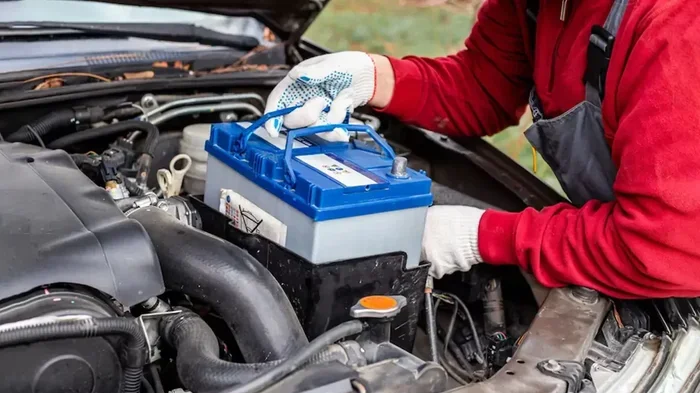
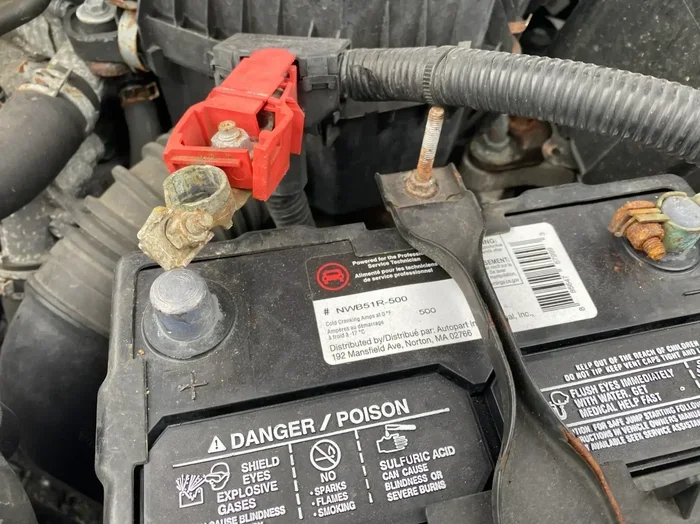
Always disconnect the negative (black) terminal first. This is critical for safety. The negative terminal connects to the car’s chassis and grounding system. Disconnecting it first prevents short circuits.
Use your wrench to loosen the nut on the negative cable clamp. Once it’s loose, carefully lift the cable off the terminal. Tuck it away from the battery so it can’t accidentally touch the terminal again.
Step 4: Wait at Least 15 Minutes
This is where most people rush. You need to wait at least 15 minutes — ideally 30 — for the ECU to fully discharge its capacitors and clear the short-term memory. Some vehicles need even longer. Waiting ensures the reset actually takes effect.
Step 5: Reconnect the Positive Terminal First
When you’re ready to reconnect, attach the positive (red) terminal first. Then connect the negative terminal. Tighten both clamps securely and make sure there’s no corrosion on the terminals.
Step 6: Start the Engine and Drive a Cycle
After reconnecting, start the engine and let it idle for a few minutes. Then drive the car normally for 20-30 minutes. The ECU needs to relearn its idle settings and go through its drive cycle. During this time, the check engine light may stay on or flicker — that’s normal.
If you’re curious about how long a car can safely idle, we have a detailed article on how long a car can idle safely that covers this topic thoroughly.
Why Resetting Codes Doesn’t Fix the Real Problem
This is the most important thing to understand. Resetting codes — whether by disconnecting the battery or using a scanner — does not repair anything. It simply erases the error message. The underlying problem that caused the code in the first place is still there.
Think of it this way. If your check engine light is like a fire alarm going off in your house, disconnecting the battery is like pulling the alarm’s battery out. The alarm stops screaming, but the fire is still burning. You need to find and fix the actual problem.
Here are some common reasons people see error codes return after a battery disconnect:
- A faulty sensor: The oxygen sensor or mass airflow sensor is genuinely failing and needs replacement.
- A vacuum leak: Unmetered air entering the engine triggers emissions codes.
- A loose gas cap: This sounds silly, but it’s one of the most common causes of EVAP codes.
- Wiring issues: Damaged or corroded wiring can cause intermittent codes that keep coming back.
- A failing catalytic converter: This is an expensive fix that won’t go away on its own.
Ignoring the root cause and just resetting codes over and over can lead to bigger problems down the road. That check engine light is there for a reason. It’s your car’s way of telling you something needs attention.
Better Alternatives to Disconnecting the Battery
While disconnecting the battery works in some cases, there are better and more reliable methods for clearing error codes. Here are the top alternatives.
Use an OBD2 Scanner
An OBD2 scanner is the gold standard for reading and clearing diagnostic trouble codes. You plug it into the port under your steering column, and it communicates directly with your car’s ECU. You can read the exact code, look up what it means, and clear it if appropriate.
Basic OBD2 scanners cost between $20 and $50. More advanced models with live data streams and bidirectional controls can cost $100 or more. But even a basic scanner is far more effective than a battery disconnect.
Wondering if you can test your battery health at home? Check out our article on how to test a car battery with a multimeter for a detailed walkthrough.
Perform a Proper Drive Cycle
After clearing codes, your vehicle needs to go through a drive cycle to verify that the repairs were successful. A drive cycle is a specific driving pattern that tests various emissions systems. It typically involves:
- Starting the engine cold and letting it idle for a few minutes.
- Driving at moderate speeds on the highway.
- Driving in stop-and-go city traffic.
- Letting the engine cool down completely.
Each vehicle has a slightly different drive cycle requirement. Your owner’s manual will have the specific steps. Completing a drive cycle properly ensures the ECU marks all systems as ready.
Visit a Mechanic or Auto Parts Store
Many auto parts stores — like AutoZone or O’Reilly — will read and clear your codes for free. They have professional-grade scanners that can handle even the most stubborn codes. This is a great first step if you don’t want to invest in your own equipment.
Just remember that clearing the code at the store doesn’t fix the problem. It just turns off the light. You still need to address whatever triggered the code in the first place.
Side Effects of Disconnecting Your Car Battery
Before you go yanking cables off your battery, it’s worth knowing what else might happen. Disconnecting the battery has several side effects beyond just resetting codes.
- Loss of radio presets: Your saved stations will be gone. You’ll need to reprogram them.
- Clock reset: The time and date will go back to default.
- Adaptive learning reset: Your car’s ECU has learned your driving habits over time. Disconnecting the battery wipes this data, and the ECU needs to relearn it.
- Power window calibration: Some vehicles need to recalibrate the auto-up/auto-down feature after a battery disconnect.
- Key fob relearning: In some cases, the key fob may need to be reprogrammed.
- Alarm system issues: The car alarm may go off unexpectedly after reconnection.
If you’ve ever wondered whether a bad key fob can drain your battery, we have an article on whether a bad key fob can drain your car battery that covers this topic in detail.
When You Should NOT Disconnect the Battery
There are times when disconnecting the battery is a bad idea. Here are a few situations where you should skip this approach.
When You Have a Hybrid or Electric Vehicle
Hybrid and electric vehicles have high-voltage battery systems in addition to the standard 12V battery. Disconnecting the wrong battery can be dangerous. Always consult your owner’s manual or a qualified technician before working on a hybrid or EV.
For example, if you own a Prius and are wondering about battery issues, check out our article on whether a Prius can run with a dead battery for more information.
When the Check Engine Light Is Flashing
A flashing check engine light indicates a serious problem — usually an engine misfire that could damage the catalytic converter. In this case, don’t just reset the code and keep driving. Get the car to a mechanic as soon as possible.
When You’re Not Sure What the Code Means
If you don’t know what the error code means, disconnecting the battery just hides the information. You lose the chance to diagnose the real issue. Always read the code first, then decide on the best course of action.
Common Mistakes People Make When Resetting Codes
Even experienced DIYers make mistakes when trying to clear error codes. Here are the most common ones to avoid.
- Reconnecting the battery too quickly: The ECU needs time to fully discharge. Rushing this means the codes won’t clear.
- Ignoring the code before resetting: Write down the code or take a photo before you clear it. You’ll need it for diagnosis.
- Replacing parts based on codes alone: A code tells you which system has a problem, not necessarily which part is bad. Always diagnose properly.
- Clearing codes without fixing the issue: This just delays the inevitable. The light will come back, and you’ll have wasted time.
- Using cheap battery chargers after disconnect: A low-quality charger can cause voltage spikes that damage the ECU.
If you’re dealing with a wrench light or other warning indicators, our article on whether a bad battery can cause the wrench light to come on might help you understand what’s really going on.
Expert Insights on Battery Disconnects and Code Resetting
So what do the pros think about using battery disconnects to reset codes? Most ASE-certified mechanics will tell you the same thing: it’s a quick fix, not a real solution. A battery disconnect works in a pinch, but it shouldn’t be your go-to strategy for dealing with error codes.
Experienced technicians prefer using an OBD2 scanner because it gives them control. They can read the code, look at freeze frame data (which shows exactly what the car was doing when the code triggered), and then clear only the codes they’ve verified are safe to clear. This level of precision isn’t possible with a simple battery disconnect.
That said, there’s nothing wrong with a battery disconnect as a first step. If you’re stuck on the side of the road and the check engine light is on, disconnecting the battery won’t cause any permanent damage. Just don’t make it a habit. If the code keeps coming back, something is wrong and it needs to be fixed.
Key Takeaways
- Disconnecting the battery can reset some codes: But permanent codes on newer vehicles may survive a battery disconnect.
- Use an OBD2 scanner for reliable results: A code reader is the most effective and safest way to clear diagnostic trouble codes.
- Resetting codes doesn’t fix the problem: The underlying issue still needs to be diagnosed and repaired.
- Always follow proper safety steps: Disconnect the negative terminal first and wait at least 15 minutes before reconnecting.
- Be aware of side effects: You may lose radio presets, clock settings, and adaptive learning data.
- Don’t ignore flashing warning lights: A flashing check engine light signals a serious problem that needs immediate attention.
- When in doubt, see a professional: A qualified mechanic can properly diagnose and fix the root cause of your error codes.
Conclusion
So, does unplugging a car battery reset codes? Yes, it can — but with important caveats. A battery disconnect will clear many active and pending codes, especially on older vehicles. However, permanent codes on newer cars often survive the process. And even when the codes do clear, the real problem that triggered them is still there, waiting to cause more damage.
The best approach is to use an OBD2 scanner, read the code, understand what it means, and fix the underlying issue. If you want a quick reset in a pinch, disconnecting the battery works. Just be prepared for the possibility that it won’t solve everything — and that you might lose some of your car’s settings in the process.
Taking care of your car’s electrical system starts with understanding how it works. Whether you’re dealing with a check engine light, a dead battery, or just trying to keep your vehicle running smoothly, a little knowledge goes a long way. Don’t let error codes scare you. Use them as a starting point, not the end of the conversation.
Your car is trying to tell you something. The codes are its language. The more you learn to listen, the better you can keep it running for years to come.
Frequently Asked Questions
Will disconnecting the battery clear all OBD2 codes?
Not always. While disconnecting the battery clears many active and pending codes, permanent codes on newer vehicles often survive a battery disconnect. These codes are designed to stay in the ECU’s long-term memory until the underlying issue is repaired and the vehicle completes a proper drive cycle.
How long should I disconnect my battery to reset codes?
Wait at least 15 minutes after disconnecting the negative terminal. For most vehicles, 15 to 30 minutes is sufficient for the ECU to fully discharge and clear its short-term memory. Some newer cars may need longer. The key is to be patient and not rush the process.
Can I use a battery disconnect to pass an emissions test?
No, this is not a reliable method. Emissions tests check for readiness codes, and simply resetting them by disconnecting the battery won’t make your vehicle pass if the actual problem hasn’t been fixed. In many states, tampering with emissions systems is also illegal.
What should I do if the check engine light comes back after disconnecting the battery?
This means the underlying problem is still present. The code returned because the issue wasn’t fixed. Use an OBD2 scanner to read the code again, diagnose the root cause, and make the necessary repair. Simply resetting the code again won’t help.
Is it safe to disconnect a car battery by myself?
Yes, it’s generally safe if you follow the proper steps. Always disconnect the negative terminal first, wait at least 15 minutes, and reconnect the positive terminal first. Just be careful not to let the wrench touch both terminals at the same time, which could cause a short circuit.
Will disconnecting the battery reset my car’s radio and clock?
Yes, in most cases. Disconnecting the battery will reset the clock, radio presets, and sometimes other personalized settings. If you want to preserve these, use a memory saver device that plugs into the OBD2 port and maintains power to the car’s systems while you work on the battery.