Does a Cabin Air Filter Affect Gas Mileage in Your Car
Does a cabin air filter affect gas mileage? The short answer is yes, but the impact is smaller than most people think. Your cabin air filter keeps the air inside your car clean, and a clogged filter can subtly reduce fuel efficiency. In this guide, we break down the real connection between your cabin filter and gas mileage, how often you should replace it, and simple tips to keep your car running at its best.
You might not think about your cabin air filter every day. But this small part plays a big role in keeping the air inside your car clean and fresh. It catches dust, pollen, and other particles before they reach your nose and lungs. But here is a question that surprises a lot of car owners: does a cabin air filter affect gas mileage?
The answer is not as simple as yes or no. Your cabin air filter is not the same thing as your engine air filter. They do different jobs. But they are connected in ways you might not expect. A dirty cabin filter can cause small problems that add up over time. And those problems can touch your fuel economy more than you might think.
In this article, we will walk you through everything you need to know. We will look at how the cabin air filter works, how it connects to your gas mileage, and what you can do to keep your car running smoothly. Whether you are a new car owner or have been driving for years, this guide has something useful for you. Let us get started.
Key Takeaways
- Point 1: A cabin air filter primarily cleans the air you breathe inside the car, but it has a minor indirect effect on gas mileage.
- Point 2: A clogged or dirty cabin filter can restrict air flow and slightly reduce fuel efficiency over time.
- Point 3: The engine air filter has a much bigger impact on gas mileage than the cabin air filter does.
- Point 4: Most car owners should replace their cabin air filter every 12,000 to 15,000 miles or once a year.
- Point 5: Regular car maintenance including filter checks helps improve overall fuel economy and vehicle performance.
- Point 6: Simple habits like checking your filter regularly can save you money on fuel costs in the long run.
📑 Table of Contents
- What Is a Cabin Air Filter and How Does It Work?
- Does a Cabin Air Filter Affect Gas Mileage?
- Can a Dirty Cabin Air Filter Reduce Gas Mileage?
- How Often Should You Replace Your Cabin Air Filter?
- Cabin Air Filter vs. Engine Air Filter: What Is the Difference?
- Tips to Maximize Fuel Economy Through Proper Filter Maintenance
- Conclusion
What Is a Cabin Air Filter and How Does It Work?
Your cabin air filter is a small filter located inside your car’s ventilation system. It sits between the outside air and the inside of your car. Every time you turn on your fan or air conditioning, air passes through this filter. It traps dust, pollen, mold spores, and other tiny particles. This keeps the air you breathe inside the car much cleaner.
How the Cabin Air Filter Functions
The filter works like a net. It lets clean air pass through but catches unwanted particles. Over time, all those trapped particles build up. The filter gets dirty. When that happens, it becomes harder for air to push through. This is called air flow restriction. And air flow restriction is where things start to get interesting when we talk about fuel economy.
Most modern cars have a cabin air filter built into the HVAC system. The HVAC system stands for heating, ventilation, and air conditioning. It controls the temperature and air quality inside your car. Without a working filter, your HVAC system has to work harder. That extra work can use more energy. And in a car, energy means fuel.
Where Is the Cabin Air Filter Located?
The location of your cabin air filter depends on your car model. In most vehicles, you will find it behind the glove box. Some cars have it under the hood near the windshield. Check your owner’s manual to find the exact spot. The good news is that most filters are easy to access. You do not need a mechanic to check or replace them in most cases.
Does a Cabin Air Filter Affect Gas Mileage?
Now let us get to the big question. Does a cabin air filter affect gas mileage? The honest answer is: it can, but the effect is usually small. Here is why. Your cabin air filter cleans the air that comes into the passenger cabin. It does not directly control the air that goes into your engine. That job belongs to the engine air filter. So your cabin filter does not change how much fuel your engine burns in a direct way.
But there is an indirect connection. When your cabin air filter gets very dirty, it can restrict air flow through your HVAC system. Your car’s computer monitors air flow in some models. If the system senses a blockage, it may adjust how the engine runs. This is a safety feature. It prevents your engine from straining. But it can also lead to a slight drop in fuel efficiency.
The Science Behind the Connection
Let us break this down in simple terms. Your car’s engine needs a balance of air and fuel to run well. When air flow is restricted anywhere in the system, the engine might not get the right amount of air. This can cause the engine to run richer, meaning it uses more fuel than it needs. A clogged cabin air filter can contribute to this problem in certain vehicle models.
However, the impact is usually tiny. Most studies show that a dirty cabin filter affects gas mileage by less than 1 percent. That is not enough to notice at the pump. But over thousands of miles, even small losses add up. This is why smart car owners pay attention to all their filters, not just the obvious ones.
When the Effect Becomes Noticeable
There are times when the impact is bigger. If your cabin air filter is completely clogged, the effect on your car increases. A fully blocked filter can cause your HVAC blower motor to work much harder. The motor draws more electrical power. In a hybrid or electric car, this can drain the battery faster. And that can reduce your overall fuel economy more than you would expect.
Also, if your car has a system that recirculates cabin air, a dirty filter can cause the system to pull in less air. The engine compensation for this can lead to a small but real drop in gas mileage. This is more common in older vehicles or those with poorly maintained HVAC systems.
Can a Dirty Cabin Air Filter Reduce Gas Mileage?
The short answer is yes, but only in certain situations. A dirty cabin air filter alone will not destroy your fuel economy. But it can be one piece of a bigger puzzle. If you have multiple dirty filters and poor driving habits, the combined effect can hurt your fuel consumption more than you think.
Signs Your Cabin Air Filter Is Clogged
How do you know if your cabin filter is causing problems? Watch for these warning signs:
- Reduced air flow from your vents, even on high speed.
- Unusual smells coming from the air conditioning system. If you notice musty or dusty odors, your filter may be dirty. You can learn more about this in our guide on Does Changing the Cabin Air Filter Make the Car Smell Better.
- Increased noise from the blower motor when the fan is on.
- Poor air quality inside the car, especially during allergy season.
- Foggy windows that do not clear quickly when you use the defrost.
If you notice any of these signs, it is a good idea to check your cabin filter. A quick inspection can save you from bigger problems down the road.
How a Clogged Filter Affects Vehicle Performance
A clogged cabin air filter does more than just affect your gas mileage. It can also impact your overall vehicle performance. When air cannot flow freely through the HVAC system, your car’s climate control becomes less effective. In hot weather, your AC might not cool the car as well. In cold weather, your heater might not warm up fast enough.
This can make driving uncomfortable. And uncomfortable driving can lead to distracted driving, which is a safety risk. More importantly, when your HVAC system works harder, it puts extra strain on your engine. Over time, this strain can reduce your engine performance and increase your fuel consumption. It is a chain reaction that starts with a small, cheap part.
Quick Tips
- Check your cabin air filter every 6 months, even if you have not hit the replacement mileage.
- Keep a spare cabin filter in your trunk. Replacement is quick and easy to do at home.
- If you drive in dusty or polluted areas, check your filter more often, every 3 to 4 months.
- Do not wait until you notice strong smells or very low air flow. By then, the filter is already very dirty.
How Often Should You Replace Your Cabin Air Filter?
Knowing when to replace your cabin air filter is key to keeping your car running well. A clean filter helps maintain good air flow. Good air flow supports better fuel economy. So the replacement schedule matters more than most people realize.
Recommended Replacement Intervals
Most car makers recommend replacing your cabin air filter every 12,000 to 15,000 miles. Some say once a year, whichever comes first. But these are general guidelines. Your actual needs depend on several factors:
- Driving conditions: If you drive on dirt roads or in cities with heavy pollution, your filter gets dirty faster.
- Climate: Living in a dusty or dry area means more particles pass through the filter.
- Usage: If you use your air conditioning or heating a lot, the filter works harder and wears out faster.
- Filter quality: Higher quality filters last longer and trap more particles. Cheap filters may need replacing sooner.
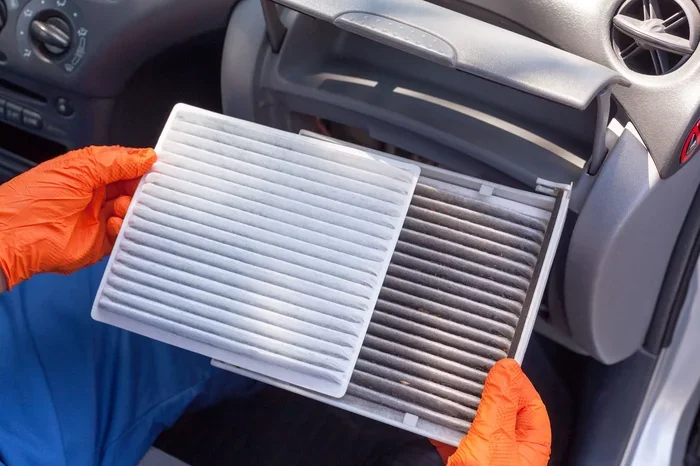
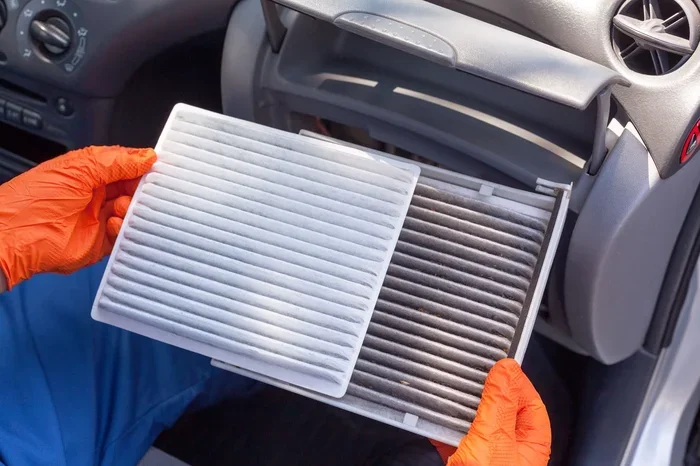
If you are not sure when your filter was last replaced, it is a good idea to check it now. A visual inspection takes only a few minutes. If the filter looks dark gray or black, it is time for a new one.
Factors That Affect Filter Lifespan
Not all cabin filters last the same amount of time. Here are some factors that can shorten or extend the life of your cabin air filter:
- Pollen count in your area: High pollen seasons can clog filters faster.
- Construction zones: Driving near construction sites exposes your filter to more dust and debris.
- Garage parking: Cars parked in attached garages can be exposed to exhaust fumes and chemicals that clog the filter.
- Filter type: Activated carbon filters last longer and also help with odors. Standard particulate filters are cheaper but may need replacing more often.
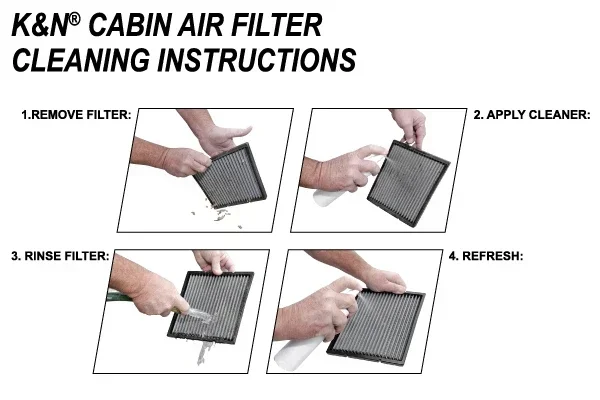
If you want to save money, you can also clean a cabin air filter instead of replacing it in some cases. However, most experts agree that replacement is more effective for maintaining proper air flow and fuel efficiency.
Cabin Air Filter vs. Engine Air Filter: What Is the Difference?
It is easy to mix up the cabin air filter and the engine air filter. But they are very different parts with very different jobs. Understanding the difference helps you see why each one matters for your car’s health and fuel economy.
| Feature | Cabin Air Filter | Engine Air Filter |
|---|---|---|
| Job | Cleans air entering the passenger cabin | Cleans air entering the engine |
| Location | Inside the HVAC system (behind glove box or under hood) | Under the hood, near the engine intake |
| Affects Gas Mileage? | Yes, but only a small indirect effect | Yes, a direct and significant effect |
| Replacement Cost | $15 to $50 for the part | $20 to $60 for the part |
| Replacement Interval | Every 12,000 to 15,000 miles or once a year | Every 15,000 to 30,000 miles |
| DIY Friendly? | Yes, most models are easy to replace | Yes, usually easy to access |
| Impact on Air Quality | Directly affects air you breathe | Affects engine combustion quality |
The engine air filter has a much bigger impact on your gas mileage than the cabin air filter. A clogged engine air filter can reduce fuel efficiency by up to 10 percent. That is a huge difference. So while the cabin filter is important for comfort and air quality, the engine filter is the one to watch closely if you want to save fuel.
That said, neglecting your cabin filter can lead to problems that affect your whole car. A dirty cabin filter puts strain on the HVAC system. A stressed HVAC system can indirectly affect engine performance. This is why both filters deserve regular attention as part of your car maintenance routine.
Tips to Maximize Fuel Economy Through Proper Filter Maintenance
Now that you understand how your cabin air filter connects to your gas mileage, let us look at practical steps you can take. These tips will help you get the best fuel economy and keep your car running smoothly for years to come.
Quick Tips for Better Fuel Economy
- Check your cabin filter monthly. A quick visual check takes seconds and can catch problems early.
- Replace both cabin and engine filters on schedule. Do not wait for one to get so dirty that it causes problems.
- Use quality filters. OEM or name-brand filters perform better and last longer than cheap alternatives.
- Keep your car well-maintained. Regular oil changes, tire rotations, and spark plug checks all contribute to better fuel economy.
- Drive smoothly. Aggressive driving wastes fuel. A clean filter helps, but good driving habits matter even more.
- Avoid excessive idling. Idling wastes fuel and can build up residue in your engine. Find out how long a car can idle safely without wasting fuel or causing damage.
Common Mistakes to Avoid
Many car owners make mistakes when it comes to filter maintenance. Here are the most common ones:
- Ignoring the cabin filter entirely. Some owners only think about the engine filter. The cabin filter matters too for air quality and overall vehicle health.
- Waiting too long to replace. A filter that is past its replacement date is doing more harm than good. Do not push it too far.
- Using the wrong filter type. Not all cabin filters fit every car. Check your owner’s manual or ask a dealer for the right part number.
- Forgetting to check the filter after unusual driving. If you have been driving in a dusty area or after a long road trip, check your filter. It may need replacing sooner than expected.
Expert Insights on Cabin Air Filters and Fuel Economy
Automotive experts agree that the cabin air filter has a smaller direct impact on gas mileage than the engine air filter. But they also stress that small things add up. A well-maintained car with clean filters runs more efficiently. It uses less fuel. It lasts longer. And it saves you money over time.
According to most mechanics, the biggest mistake car owners make is neglecting routine maintenance. They only pay attention when something breaks. But preventive care, like regular filter replacements, keeps small problems from becoming expensive repairs. A clean cabin air filter is one of the simplest and cheapest maintenance tasks you can do. And it pays off in better air quality, better comfort, and yes, slightly better fuel economy.
If you are serious about getting the best gas mileage possible, look at the big picture. Check all your filters regularly. Keep your tires properly inflated. Follow your maintenance schedule to the letter. And drive with good habits. These steps together can make a real difference at the pump.
Conclusion
So, does a cabin air filter affect gas mileage? The answer is yes, but indirectly and to a small degree. Your cabin air filter keeps the air inside your car clean and fresh. A dirty filter can restrict air flow, put extra strain on your HVAC system, and slightly reduce your fuel efficiency. The effect is usually less than 1 percent, but over time, those small losses add up.
The bigger picture is this: your car is a system. Every part affects every other part. A clean cabin filter is one small piece of a much larger puzzle. When you take care of all your filters, follow your maintenance schedule, and drive wisely, you give your car the best chance to run at peak fuel economy.
Take a few minutes today to check your cabin air filter. If it is dirty, replace it. It is a quick, cheap task that pays dividends in comfort, air quality, and yes, even your gas mileage. Your car will thank you for it. And so will your wallet at the gas station.
Frequently Asked Questions
Can a dirty cabin air filter cause my car to use more fuel?
A dirty cabin air filter can slightly increase fuel consumption by restricting air flow and putting extra strain on your HVAC system. However, the effect is usually very small, less than 1 percent. The engine air filter has a much bigger impact on fuel usage than the cabin filter does.
How much does a cabin air filter replacement cost?
A cabin air filter typically costs between $15 and $50 for the part alone. If you take it to a mechanic, you might pay an additional $20 to $40 for labor. But many car owners can replace the filter themselves in just a few minutes, saving on labor costs entirely.
What happens if I never replace my cabin air filter?
If you never replace your cabin air filter, it will become completely clogged over time. This reduces air flow inside your car, makes your HVAC system work harder, and can lead to musty smells and poor air quality. It may also have a small negative effect on your gas mileage and overall vehicle performance.
Is the cabin air filter the same as the engine air filter?
No, they are completely different parts. The cabin air filter cleans the air that enters your car’s interior. The engine air filter cleans the air that enters your engine for combustion. The engine air filter has a much bigger impact on gas mileage than the cabin air filter does.
Can I clean my cabin air filter instead of replacing it?
Some cabin air filters can be cleaned with compressed air or water, but most experts recommend replacement for best results. Cleaning may not remove all trapped particles, and a used filter may not restore proper air flow. If you want to explore cleaning options, you can learn more about whether you can clean a cabin air filter instead of replacing it.
How often should I check my cabin air filter?
You should check your cabin air filter at least every 6 months or every 7,500 miles. If you drive in dusty or polluted areas, check it more often. A quick visual inspection can tell you if the filter is dark and clogged and needs to be replaced.