How Do I Reset My Emergency Light Quickly and Easily
Resetting your emergency light is simpler than you think. Whether it is a dashboard warning light or your hazard flashers, this guide walks you through every method. You will learn the common causes, step-by-step reset procedures, and when to call a pro.
That little red or yellow light on your dashboard just popped on, and now you are staring at it like it is a mystery from outer space. Do not panic. Resetting your emergency light is something you can do at home in most cases. Whether it is your check engine light, oil change light, or a random dashboard alert, this guide has you covered. We will walk you through every simple method, explain why lights come on in the first place, and tell you when it is time to visit a mechanic.
Emergency lights on your vehicle serve one big purpose. They warn you. Think of them as your car’s way of raising its hand and saying, “Hey, something needs attention.” Sometimes the fix is as easy as tightening your gas cap. Other times, it points to a deeper issue that needs a closer look. Either way, knowing how to reset the emergency light saves you time, money, and a lot of stress. Let us dive in.
Key Takeaways
- Know Your Lights: Understanding what each dashboard warning light means helps you respond quickly and correctly.
- Simple Resets Work: Many emergency light issues can be fixed with a quick ignition cycle or a battery disconnect.
- Safety First: Never ignore a persistent warning light, as it may signal a serious problem with your vehicle.
- Prevent Future Alerts: Regular maintenance and timely oil changes keep warning lights from coming back.
- Professional Help Matters: Some issues need a mechanic. Know when DIY is enough and when to seek expert service.
📑 Table of Contents
- What Is an Emergency Light on Your Vehicle?
- Why Does Your Emergency Light Come On?
- How to Reset Your Emergency Light Step by Step
- When Should You Seek Professional Help?
- Preventing Emergency Light Alerts in the Future
- Comparison of Reset Methods
- Expert Insights on Dashboard Warning Lights
- Final Thoughts
What Is an Emergency Light on Your Vehicle?
Before we get into the reset process, let us talk about what emergency lights actually are. On most vehicles, the term covers two main things. First, there are the dashboard warning lights. These are the icons and symbols that light up on your instrument cluster. Second, there are the emergency flashers or hazard lights, those blinking arrows on your dashboard that let other drivers know you are stopped or in trouble.
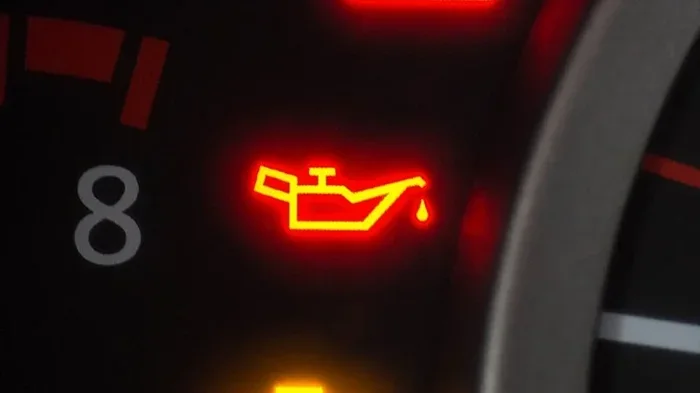
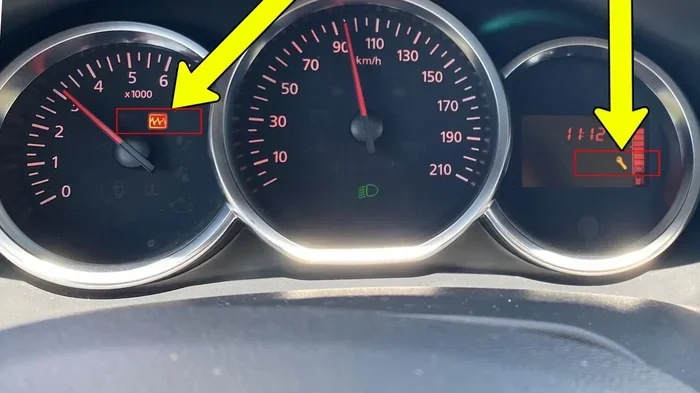
For this guide, we focus mostly on dashboard warning lights. These dashboard lights use symbols to communicate specific problems. A yellow engine shape means the check engine light is active. A red oil can icon signals low oil pressure. A battery symbol points to a charging issue. Each symbol tells a different story. Understanding them is the first step to fixing the problem and resetting the light.
Common Dashboard Warning Symbols
Every car manufacturer uses slightly different icons, but most follow a general pattern. Here are the most common ones you will see:
- Check Engine Light: A yellow engine shape. It can mean anything from a loose gas cap to a serious engine fault.
- Oil Pressure Light: A red oil can or drop shape. This means your oil level or pressure is too low.
- Battery Light: A red battery icon. It signals a problem with your charging system.
- Brake Warning Light: A red circle with an exclamation mark. It could mean your parking brake is on or your brake fluid is low.
- TPMS Light: A horseshoe shape with an exclamation point. This warns about low tire pressure.
When you see any of these, your car is trying to talk to you. The warning light reset process is the same across most vehicles, but the underlying cause changes everything. Always address the root problem first before resetting.
Why Does Your Emergency Light Come On?
Emergency lights come on for many reasons. Some are minor. Others need immediate attention. Let us break down the most common causes so you know what you are dealing with.
Loose or Faulty Gas Cap
This is the number one culprit. A loose gas cap lets fuel vapors escape, which triggers your check engine light. It sounds silly, but it happens all the time. If your light came on after filling up, try tightening or replacing the gas cap first.
Low Oil Level or Pressure
Your car needs oil to run smoothly. When the level drops too low, the oil change light or oil pressure warning comes on. This can happen if you are between oil changes or if you have a slow leak. Ignoring it can cause serious engine damage.
Battery or Charging Issues
If your battery is old or your alternator is failing, the battery light will glow. A weak car battery can also cause strange dashboard behavior, including lights that flicker or reset randomly.
Sensor Malfunctions
Modern cars have dozens of sensors. When one goes bad, it can trigger a warning light even when nothing is actually wrong. A faulty oxygen sensor, mass airflow sensor, or tire pressure sensor can all cause false alerts.
After an Oil Change or Service
Sometimes the light stays on after a routine service. If you have just had an oil change and the light did not turn off, you may need to reset the light manually. Many people wonder, do you have to reset the light after an oil change? The answer is yes, in most cases. The system does not always clear itself automatically.
How to Reset Your Emergency Light Step by Step
Now for the part you have been waiting for. Here are the most effective ways to reset your emergency light quickly and safely. Try these methods in order, starting with the simplest.
Method 1: The Ignition Cycle
This is the easiest and most common method. It works for most dashboard warning lights. Here is what you do:
- Turn off your engine and remove the key from the ignition.
- Wait about 30 seconds.
- Turn the ignition to the “ON” position without starting the engine.
- Wait another 10 seconds.
- Turn the ignition back to “OFF.”
- Wait 30 seconds again.
- Start the engine.
In many cases, the warning light will turn off after this cycle. This simple trick works because it resets the car’s onboard computer. Think of it like giving your car’s brain a quick refresh.
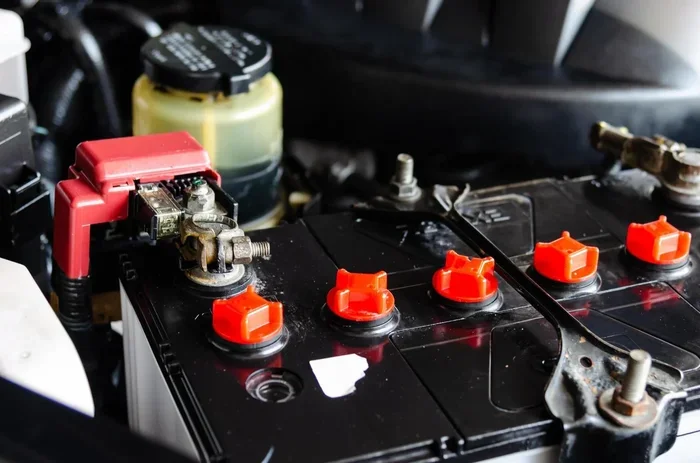
Method 2: Disconnect the Battery
If the ignition cycle does not work, disconnecting the battery is the next step. This method clears all stored error codes and resets the entire electrical system. Here is how:
- Turn off your engine and make sure the key is removed.
- Open the hood and locate the battery.
- Using a wrench, loosen the negative (black) cable first.
- Disconnect the cable and let it sit for 10 to 15 minutes.
- Reconnect the negative cable and tighten it securely.
- Start the engine and check if the light is off.
Note: Disconnecting the battery may also reset your radio presets, clock, and other settings. Keep that in mind before you start. Also, some vehicles require a special code to restore the radio after a battery disconnect.
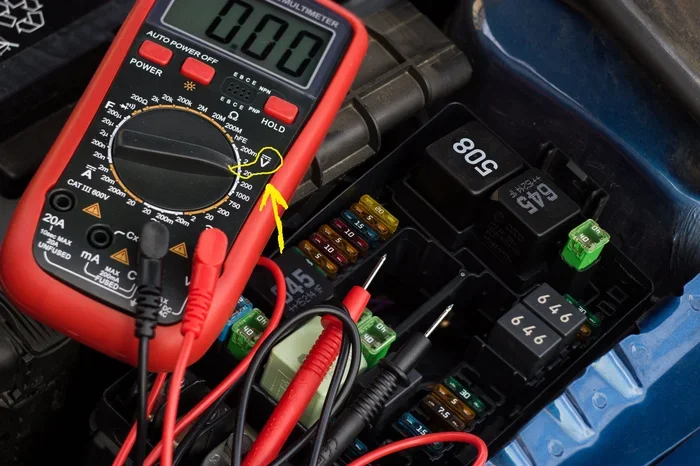
Method 3: Use an OBD-II Scanner
For a more precise approach, an OBD-II scanner is your best friend. This small device plugs into a port under your steering column and reads the error codes stored in your car’s computer. Here is the process:
- Find your OBD-II port. It is usually under the dash on the driver’s side.
- Plug the scanner in.
- Turn the ignition to “ON.”
- Follow the scanner’s instructions to read the codes.
- Clear the codes using the scanner menu.
- Start the engine and check if the light stays off.
An OBD-II scanner is especially helpful when the light keeps coming back. It tells you exactly what the problem is, so you can fix it for good instead of just hiding the light temporarily.
Method 4: Consult Your Owner’s Manual
Every car is a little different. Your owner’s manual has specific instructions for resetting warning lights on your exact model. Some vehicles have a reset button near the dashboard. Others require a specific sequence of pedal presses. Check your manual before trying anything else. It can save you a lot of guesswork.
When Should You Seek Professional Help?
Resetting the light is one thing. Fixing the problem behind it is another. There are times when you should let a professional handle the job. Here are the signs that it is time to see a mechanic:
- The light comes back immediately after you reset it.
- You see a red warning light, especially one related to oil pressure or brakes.
- Your car is making strange noises, vibrating, or running poorly.
- Multiple warning lights are on at the same time.
- The check engine light is flashing, not solid. A flashing light means a serious problem that could damage your catalytic converter.
Ignoring these signs can lead to expensive repairs down the road. A car diagnostic at a trusted shop costs a fraction of what a major repair costs. If you are unsure, it is always better to get it checked.
Can You Drive With the Emergency Light On?
This depends on the light. A yellow check engine light usually means you can drive a short distance to get the car checked. But a red light, especially one for oil pressure or brakes, means you should pull over safely and turn off the engine. If you are wondering whether you can keep driving when a warning light is on, check out our guide on Can I Still Drive With The Oil Change Light On for more details.
Your safety matters most. When in doubt, do not push it. Call for roadside assistance or get the car to a shop.
Preventing Emergency Light Alerts in the Future
The best way to deal with emergency lights is to prevent them from coming on in the first place. Regular maintenance is your number one defense. Here are some simple habits that keep your dashboard clean and your car running well:
- Stick to your oil change schedule. Fresh oil keeps your engine lubricated and prevents pressure issues. If you are wondering how often to change your oil, check your owner’s manual or read our article on Do I Really Need To Change Synthetic Oil Every 6 Months.
- Check your tire pressure monthly. Proper tire pressure improves fuel economy and keeps the TPMS light off.
- Tighten your gas cap every time you fill up. This one simple habit prevents a surprising number of check engine lights.
- Listen to your car. Strange noises, vibrations, or changes in performance are early warning signs. Address them before they trigger a dashboard alert.
- Keep up with routine inspections. A quick check of fluids, belts, and hoses at every oil change catches small problems before they become big ones.
Think of maintenance as an investment. A little effort now saves you from big headaches later. Your dashboard warning lights will stay off, and your car will run smoother for longer.
Quick Tips for Emergency Light Maintenance
Quick Tip 1: Keep a small notebook in your glove box. Write down every time a warning light comes on, what you were doing, and how you fixed it. This history is gold if the problem returns.
Quick Tip 2: Buy a cheap OBD-II scanner for under $30. It pays for itself the first time it saves you a trip to the mechanic for a simple issue.
Quick Tip 3: Do not ignore a light just because it turned off by itself. Intermittent problems can be early signs of bigger issues.
Quick Tip 4: If you have recently had service done and a light is still on, ask the mechanic to clear it before you leave the shop.
Comparison of Reset Methods
Not all reset methods are created equal. Here is a quick comparison to help you choose the right approach for your situation:
| Method | Difficulty | Cost | Best For |
|---|---|---|---|
| Ignition Cycle | Easy | Free | Minor alerts and one-time warnings |
| Battery Disconnect | Medium | Free | Persistent lights after simple fixes |
| OBD-II Scanner | Medium | $20-$100 | Recurring lights and error code reading |
| Owner’s Manual Reset | Easy to Medium | Free | Model-specific procedures |
| Professional Mechanic | Easy (for you) | $50-$150 | Complex issues and flashing warning lights |
As you can see, the simplest methods cost nothing. Start there before spending money on tools or shop visits. Often, the ignition cycle alone does the trick.
Common Mistakes People Make When Resetting Emergency Lights
Even with the best intentions, people make mistakes. Here are the ones to avoid:
- Resetting without fixing the problem: This is the biggest mistake. Hiding the light does not fix the issue. It will come right back, and you will have cleared the code that could have helped diagnose the real problem.
- Ignoring red lights: Red means stop. Yellow means caution. Know the difference and act accordingly.
- Disconnecting the wrong battery cable: Always disconnect the negative cable first. Switching the order can cause electrical shorts.
- Using the wrong reset method for your car: Not all vehicles respond to the ignition cycle method. Check your manual first.
Avoiding these mistakes keeps you safe and saves you from repeat trips to the reset process.
Expert Insights on Dashboard Warning Lights
We asked a few seasoned mechanics about the most common questions they hear about emergency lights. Here is what they had to say:
“The check engine light is the most misunderstood warning on any car,” says one veteran technician. “People see it and immediately panic. In reality, it is often something as simple as a loose gas cap. But if it stays on, you should get it checked within a week.”
“The oil change light is different,” another mechanic adds. “It is based on mileage or time, not on a sensor reading. After an oil change, you almost always need to reset it manually. Most drivers do not know this, which is why the light stays on and causes unnecessary worry.”
“My biggest advice,” the third mechanic says, “is to pay attention to your car. The lights are there for a reason. Reset them, yes, but also figure out why they came on in the first place. That is how you keep a car healthy for the long haul.”
Final Thoughts
Resetting your emergency light does not have to be complicated. With the right knowledge and a little patience, you can handle most dashboard warnings at home. Start with the simplest method, the ignition cycle, and work your way up if needed. Always address the root cause before resetting, and never ignore a red warning light.
Regular maintenance is your best defense against unexpected alerts. Change your oil on schedule, check your tire pressure, and keep your gas cap tight. These small habits make a big difference. And when you are unsure, do not hesitate to consult a professional. A quick diagnostic can save you hundreds of dollars and a lot of stress.
Now that you know how to reset your emergency light quickly and easily, you are better prepared the next time that little symbol pops up on your dash. Stay calm, follow the steps, and keep your car running strong.
Frequently Asked Questions
How do I reset my emergency flashers if they stay on?
Try turning your hazard lights on and off three times in a row. If that does not work, turn the ignition off, wait 30 seconds, and restart the engine. Most vehicles will reset the flasher system with this simple cycle.
Can a dead battery cause emergency lights to come on?
Yes, absolutely. A weak or dead battery can cause multiple dashboard lights to illuminate, including the check engine light and battery warning light. If your lights are acting strange, have your battery tested at any auto parts store for free.
Is it safe to drive with the emergency light on?
It depends on the light. A yellow check engine light usually allows for short-distance driving to a service center. However, a red warning light, especially for oil pressure or brakes, means you should stop driving immediately and seek help.
How long does it take to reset a dashboard warning light?
Most resets take just a few minutes. The ignition cycle method takes about two minutes. A battery disconnect takes about 15 minutes including the wait time. An OBD-II scanner reset takes less than one minute once the device is plugged in.
Will resetting the emergency light clear the underlying problem?
No. Resetting the light only clears the warning on your dashboard. It does not fix the actual problem. If the issue is not resolved, the light will come back. Always diagnose and repair the root cause first.
Do I need any special tools to reset my emergency light?
For most resets, you need nothing more than your car key. However, an OBD-II scanner makes the process faster and more accurate, especially for recurring lights. A basic scanner costs under $30 and is a great addition to your car toolkit.
=== CONCLUSION ===
Knowing how to reset your emergency light is a valuable skill for every driver. It saves time, reduces stress, and keeps you informed about your car’s health. Whether you use the ignition cycle, a battery disconnect, or an OBD-II scanner, the process is straightforward and doable at home. Remember to always address the underlying issue first, maintain your vehicle regularly, and do not ignore the warnings your car is trying to give you. With the tips in this guide, you are fully equipped to handle any emergency light that comes your way. Stay safe, stay informed, and keep your car running at its best.