Common Reasons Why My Toyota Key Is Not Opening My Car
A Toyota key that won’t open your car can stem from a dead key fob battery, a faulty transponder chip, or a locked door system. Understanding the root cause saves you time, money, and unnecessary stress. This guide walks you through the most common culprits and practical solutions to get your Toyota unlocking smoothly again.
There’s nothing more frustrating than standing outside your Toyota, key in hand, watching the doors refuse to budge. You try again. Nothing. You press every button on the fob. Still nothing. It’s a moment that can throw off your entire day. The good news? Most of the time, this problem has a simple explanation and an even simpler fix.
Whether your Toyota key is not opening car doors or the ignition simply won’t respond, this guide covers every likely reason. We’ll walk through each cause step by step, so you can diagnose the problem and get back on the road with confidence. Let’s dive in.
Key Takeaways
- Dead Key Fob Battery: The most common reason your Toyota key fails to unlock the car.
- Transponder Chip Issues: A damaged or unrecognized chip prevents the ignition from engaging.
- Door Lock Malfunction: Frozen or worn lock mechanisms can block key insertion.
- Key Fob Range Problems: Distance and interference can weaken the signal between your fob and the car.
- Software Glitches: Occasionally, the Toyota electronic system needs a simple reset.
- Professional Help: Some issues require a Toyota dealer or certified locksmith.
- Preventive Maintenance: Regular battery replacement and proper storage extend key fob life.
📑 Table of Contents
- Why Your Toyota Key Won’t Open the Car
- How to Troubleshoot Your Toyota Key Step by Step
- When to Seek Professional Help
- Preventing Toyota Key Problems in the Future
- Quick Tips for Toyota Key Owners
- Common Mistakes Toyota Owners Make With Their Keys
- Expert Insights on Toyota Key Reliability
- Final Thoughts
Why Your Toyota Key Won’t Open the Car
Before you panic or call a locksmith, it helps to understand what could be going wrong. The Toyota key not working issue usually falls into one of several common categories. Each one has its own set of symptoms and solutions.
Your Toyota uses a sophisticated Toyota smart key system that relies on electronics, batteries, and communication between the fob and the car. When one part of that chain breaks down, the whole system can fail. Let’s look at the most frequent reasons this happens.
Dead Key Fob Battery
This is the number one reason people find themselves locked out. The key fob battery powers the remote signal that tells your Toyota to unlock. When the battery dies, the fob goes silent. You might still be able to use the physical key blade, but even that can fail if the lock cylinder is stiff.
Signs of a dead battery include:
- The remote buttons feel mushy or unresponsive.
- The unlock range shrinks dramatically.
- The dashboard doesn’t light up when you press any button.
- You need to press the button multiple times before it works.
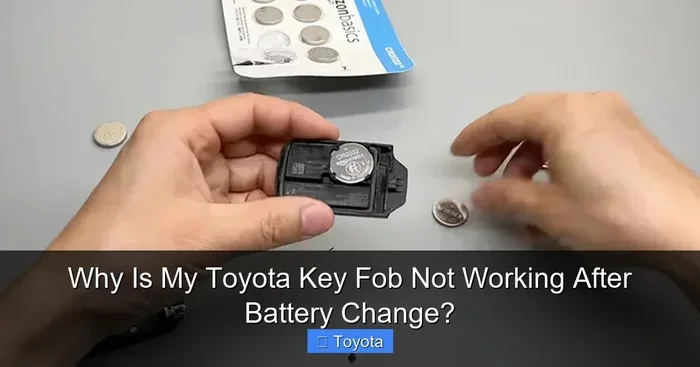
If you suspect a dead battery, grab a replacement CR2032 or CR2025 coin cell battery. Swapping it out takes about 30 seconds. Learning how to tell if your key battery is low can help you catch this problem before you’re stranded outside your car.
Transponder Chip Failure
Modern Toyota keys contain a tiny transponder chip inside the plastic head. This chip communicates with the car’s Toyota immobilizer system. If the chip is damaged, cracked, or simply not programmed correctly, the car won’t recognize the key. The engine might crank but never start.
Common signs of a transponder chip problem include:
- The security light flashes on the dashboard when you turn the key.
- The engine cranks but refuses to fire up.
- The key worked fine yesterday but suddenly fails today.
- You recently dropped the key and now it won’t work.
Transponder chip issues often require Toyota key replacement or reprogramming at a dealership. Trying to fix this yourself can lead to more problems, so it’s best to consult a professional.
Frozen or Stuck Door Lock Cylinder
In cold weather, moisture inside the lock cylinder can freeze, making it impossible to insert or turn the key. Even in mild climates, lock cylinders wear out over time. Dirt, debris, and old lubricant build up and cause the lock to stick.
Here’s what you can try:
- Warm the key with your hand before inserting it.
- Spray a small amount of graphite lubricant into the lock cylinder.
- Gently wiggle the key while turning it.
- Never force the key, as you risk breaking it inside the lock.
If the lock cylinder is severely damaged, a locksmith can replace it without needing to swap out the entire door handle. This is a much more affordable fix than most people expect.
Key Fob Range and Signal Interference
Your Toyota key fob range typically works within about 30 feet under normal conditions. But certain factors can weaken or block the signal. Standing too far from the car, carrying the fob near a phone or laptop, or being in an area with heavy electronic interference can all cause problems.
Try these simple fixes for range issues:
- Bring the fob closer to the door handle or ignition.
- Move away from other electronic devices.
- Try pressing the button while standing near the driver’s side window.
- Check if the fob works when you’re standing right next to the car.
If the fob works at close range but not from a distance, the battery is likely weakening. Replacing it should restore full range immediately.
Toyota Electronic Lock System Glitch
Sometimes the problem isn’t with the key at all. The Toyota electronic lock system can experience software glitches that prevent the doors from responding. This happens more often than you might think, especially after a battery disconnect or a recent software update.
Symptoms of an electronic lock glitch include:
- The fob lights up but the car doesn’t respond.
- Only one door unlocks while the others stay locked.
- The lock buttons work intermittently.
- The trunk or hood release stops functioning.
A simple reset often fixes this. Disconnect the car battery for about 15 minutes, then reconnect it. This resets the electronic control module and clears most minor glitches. If the problem persists, a visit to the dealership for a Toyota system diagnostic is the next step.
Worn or Damaged Physical Key
It’s easy to overlook the simplest explanation. The physical metal key blade wears down over months and years of use. A worn key simply can’t engage the lock pins properly. You might notice it gets harder to turn the key over time, or it feels loose in the lock.
Signs your physical key is worn include:
- The key looks shiny or polished at the teeth.
- It takes more effort to turn the key in the lock.
- The key bends or flexes when you apply pressure.
- You’ve had the same key for several years without replacement.
A new key cut to the correct specification solves this problem completely. You can get a spare key made at most hardware stores or through your Toyota dealer. Keeping a spare key in a safe place also saves you from emergency situations.
How to Troubleshoot Your Toyota Key Step by Step
Now that you know the common causes, let’s walk through a systematic troubleshooting process. Working through these steps in order helps you identify the problem quickly and avoid unnecessary trips to the mechanic.
Step 1: Check the Key Fob Battery
Start with the easiest fix. Replace the battery in your fob with a fresh one. This solves the problem about 60% of the time. Keep a spare battery in your glove box so you’re always prepared.
Step 2: Try the Physical Key Blade
Most Toyota smart keys have a hidden mechanical key blade. Slide it out and try unlocking the door manually. If the manual key works but the fob doesn’t, you know the issue is electronic, not mechanical.
Step 3: Check for Signal Interference
Move away from other electronics and try again. Test the fob from different distances and angles. This helps you determine whether it’s a range issue or a deeper electronic problem.
Step 4: Reset the System
Disconnect the car battery for 15 minutes and reconnect. This resets the electronic systems and clears minor glitches. Many Toyota owners find this simple trick resolves intermittent Toyota key fob not working issues.
Step 5: Visit a Professional
If none of the above steps work, it’s time to see a Toyota dealer or certified locksmith. They have the diagnostic tools and expertise to identify problems that aren’t visible from the outside.
When to Seek Professional Help
Not every Toyota key problem is a DIY fix. Some issues require specialized equipment and training. Knowing when to call for help saves you time and prevents costly mistakes.
You should seek professional help if:
- The transponder chip is damaged or needs reprogramming.
- Multiple electronic systems in the car are malfunctioning.
- The key breaks off inside the lock cylinder.
- You’ve tried all troubleshooting steps without success.
- The Toyota immobilizer system repeatedly rejects your key.
Toyota dealerships have access to proprietary diagnostic software that independent shops may not have. They can reprogram keys, reset immobilizers, and update software on the spot. While it might cost a bit more than a DIY fix, the peace of mind is worth it.
Some owners also wonder about alternatives when their key fails completely. The Toyota app offers keyless entry and remote unlock features that can serve as a temporary workaround while you resolve the key issue. Similarly, if you’re considering whether you can operate your vehicle without the fob entirely, driving without a key fob is possible in some Toyota models with the right knowledge.
Preventing Toyota Key Problems in the Future
The best way to deal with a Toyota key that won’t open your car is to prevent the problem from happening in the first place. A few simple habits can keep your key fob working reliably for years.
Replace the Battery Regularly
Don’t wait for the fob to die completely. Replace the battery every 12 to 18 months as a preventive measure. This keeps the signal strong and avoids surprise lockouts.
Store the Key Fob Properly
Keep your fob away from water, extreme heat, and strong magnetic fields. Don’t toss it in a junk drawer with coins and metal objects, as these can damage the electronics. A dedicated pouch or pocket works best.
Keep a Spare Key
Always have a backup key stored in a safe, accessible location. A spare key at home or with a trusted family member can save you from a stressful situation. Many Toyota dealers can cut and program a spare key for you on the spot.
Clean the Key Regularly
Dirt and grime build up on key fobs over time. Wipe yours down with a soft, damp cloth every few weeks. This keeps the buttons responsive and the contacts clean.
Update Your Toyota Software
Toyota occasionally releases software updates that improve key fob performance and fix known bugs. Ask your dealer about available updates during your next service visit. Staying current with software keeps your entire system running smoothly.
Quick Tips for Toyota Key Owners
Here are some quick, practical tips every Toyota owner should know:
- Carry a spare battery. A dead fob battery can happen at the worst possible moment.
- Learn your manual key location. Every Toyota smart key hides a mechanical blade somewhere.
- Don’t ignore warning lights. The security light on your dashboard is trying to tell you something.
- Test your fob range monthly. Stand a few feet away and press the button to check signal strength.
- Keep your dealer’s phone number saved. When all else fails, they’re just a call away.
Common Mistakes Toyota Owners Make With Their Keys
Even the most experienced car owners make mistakes with their keys. Avoiding these common errors can save you a lot of trouble.
Mistake 1: Forcing the Key Into the Lock
If the key doesn’t go in smoothly, don’t force it. You could bend the blade or break it inside the lock. Stop, check for debris, and try again gently.
Mistake 2: Using the Wrong Battery
Not all key fobs use the same battery. Check your Toyota owner’s manual or look up your specific model before buying a replacement. Using the wrong battery can damage the fob.
Mistake 3: Ignoring Intermittent Problems
If your key works sometimes but not others, don’t ignore it. Intermittent issues often signal a dying battery or a failing transponder chip. Addressing them early prevents a complete failure.
Mistake 4: Trying to Program the Key Yourself
While some Toyota models allow basic fob resets, full programming requires dealer-level equipment. Attempting complex programming on your own can lock you out of the system entirely.
Mistake 5: Leaving the Key Near Electronics
Laptops, tablets, and even some phone cases can interfere with the key fob signal. Keep your fob separated from other electronics, especially when trying to unlock the car from a distance.
Expert Insights on Toyota Key Reliability
Toyota is known for building reliable vehicles, and the key systems are no exception. However, no electronic system is immune to wear and tear. Industry experts recommend treating your Toyota key fob with the same care you give the rest of your vehicle.
Regular maintenance, timely battery replacement, and proper storage go a long way in extending the life of your key system. When problems do arise, addressing them quickly prevents minor issues from becoming major headaches. The Toyota key fob troubleshooting process is straightforward once you know what to look for.
Many Toyota owners report that their key fobs last 3 to 5 years with proper care. The battery typically needs replacement once or twice during that period. Staying on top of these small maintenance tasks keeps everything running smoothly and avoids unexpected lockouts.
Final Thoughts
A Toyota key not opening car doors is almost always a solvable problem. Whether it’s a simple battery swap, a reset of the electronic system, or a professional key replacement, the solution is closer than you think. The key is to stay calm, work through the troubleshooting steps systematically, and know when to call for help.
Your Toyota is built to last, and the key system is designed with multiple layers of reliability. When one layer fails, the others usually keep you moving. Understanding how these systems work gives you the confidence to handle most issues on your own.
Keep your spare key accessible, replace your fob battery on schedule, and treat your key with care. These small habits make a big difference over the life of your vehicle. And remember, if you ever find yourself truly stuck, a Toyota dealer or certified locksmith is always there to help you get back on the road.
Stay proactive, stay prepared, and your Toyota key will serve you reliably for years to come.
Frequently Asked Questions
Why won’t my Toyota key fob unlock the doors?
The most common reason is a dead key fob battery. Replace the CR2032 or CR2025 battery and test again. If that doesn’t work, the fob may have a damaged transponder chip or the car’s electronic lock system may need a reset. Try disconnecting the car battery for 15 minutes and reconnecting it to clear any minor software glitches.
Can I use my Toyota without the key fob if it stops working?
Yes, in many Toyota models you can still drive using the physical key blade stored inside the fob. You can also use the Toyota app for temporary keyless access. Learn more about driving your Toyota without a key fob to understand which models support this feature and how to use it safely.
How often should I replace my Toyota key fob battery?
Replace your Toyota key fob battery every 12 to 18 months as a preventive measure. If you notice the range shrinking or the buttons becoming less responsive, swap the battery immediately. Keeping a spare battery in your glove box ensures you’re never caught off guard.
What should I do if my Toyota key breaks off in the lock?
Do not try to extract the broken key yourself with tweezers or other tools. You risk pushing it deeper into the lock cylinder. Contact a certified locksmith or visit a Toyota dealer. They have specialized tools to remove broken keys safely and can cut a replacement on the spot.
How much does it cost to replace a Toyota key fob?
A Toyota key fob replacement typically costs between $50 and $400 depending on your model and whether you go through a dealer or an aftermarket provider. Programming fees may be additional. Understanding your car’s ongoing costs helps you budget for unexpected expenses like key replacements.
Can cold weather cause my Toyota key to stop working?
Yes, extreme cold can freeze the lock cylinder and weaken the key fob battery. If your key won’t turn in cold weather, warm the key with your hand first and apply a small amount of graphite lubricant to the lock. Keeping your car in a garage during winter months also helps prevent cold-related key problems.
=== CONCLUSION ===
A Toyota key that won’t open your car is a frustrating experience, but it’s rarely a serious problem. Most of the time, a fresh battery, a simple reset, or a minor repair gets everything working again. By understanding the common causes and following the troubleshooting steps in this guide, you can handle most key issues confidently and independently.
Stay proactive with regular maintenance, keep spare batteries on hand, and always have a backup plan. Your Toyota key system is designed to serve you reliably, and with the right care, it will. If you ever face a problem that’s beyond your comfort level, don’t hesitate to reach out to a Toyota dealer or certified locksmith. They have the expertise to get you back on the road quickly and safely.