How to Cycle an Ignition Key and Fix Common Problems
Cycling your ignition key is a simple process that can solve many car starting issues. Whether your engine cranks slowly or won’t turn over at all, understanding how to properly cycle the key can save you a trip to the mechanic. This guide walks you through every step, from basic cycling techniques to fixing stubborn problems that keep your car from starting.
There are few things more frustrating than turning your key and hearing nothing but silence. Your car refuses to start, and you are left standing in the driveway wondering what went wrong. The good news is that cycling an ignition key is one of the simplest troubleshooting steps you can take. It costs nothing, takes only a few minutes, and often solves the problem entirely.
Many drivers don’t realize that the ignition system is more than just a key and a lock. It involves a network of electrical connections, a starter motor, an ignition switch, and even your car’s anti-theft computer. When any one of these parts fails or gets confused, your car won’t start. Learning how to cycle your ignition key properly helps you identify which part of the system is causing the trouble.
This guide covers everything you need to know. We will walk you through the exact steps to cycle your key, explain what happens inside your car during the process, and help you troubleshoot the most common problems. By the end, you will feel confident tackling ignition issues on your own.
Key Takeaways
- Key Cycling Basics: Cycling your ignition key activates the car’s electrical systems and prepares the engine to start.
- Common Problems Have Simple Fixes: Most ignition issues like a stuck key or slow crank are easy to resolve at home.
- Battery Health Matters: A weak key fob battery or car battery can mimic ignition problems and cause starting failures.
- Prevention Is Easy: Regular maintenance and proper key handling can extend the life of your ignition system for years.
- Know When to Call a Pro: Some ignition issues require professional diagnosis, especially those involving the anti-theft system or ignition cylinder.
📑 Table of Contents
What Is Ignition Key Cycling?
Ignition key cycling means turning your key through the different positions in your ignition switch. Each position sends a specific signal to a different part of your car’s electrical system. When you cycle the key correctly, you allow these systems to power up in the right order.
Most modern cars have four ignition positions:
- Lock: The key cannot be turned. The steering wheel locks in place for security.
- Accessory: Power flows to the radio, power windows, and other accessories. The engine stays off.
- On: All electrical systems activate. Dashboard warning lights illuminate briefly, and the fuel pump primes.
- Start: The starter motor engages and cranks the engine. The key automatically returns to the On position once you release it.
When you cycle the key properly, you give the car’s computer time to recognize the key’s transponder signal. This is especially important for vehicles with key transponder technology. The car needs a few seconds between each position to fully communicate with the key’s chip.
Think of cycling like warming up before exercise. You are letting each system wake up and get ready for the next one. Rushing through the positions can cause the car to miss important startup signals, which leads to frustrating no-start conditions.
Step-by-Step Guide to Cycling Your Ignition Key
Follow these steps carefully every time you cycle your ignition key. The process takes about 10 to 15 seconds, but it can make all the difference when your car won’t start.
Step 1: Make Sure the Car Is in Park
Before you touch the key, confirm that your gear shifter is in Park (or Neutral for manual transmissions). Many cars will not allow the key to turn to Start if the transmission is in any other position. This is a safety feature designed to prevent accidental movement.
Step 2: Turn the Key to the Lock Position
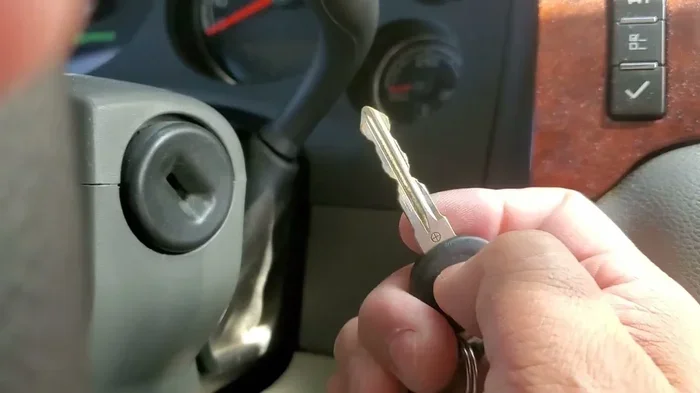
Insert the key fully into the ignition cylinder. Turn it all the way to the Lock position. You should feel a slight click when the steering wheel locks. Wait about two seconds before moving to the next step. This pause lets the car’s computer fully reset.
Step 3: Move to the Accessory Position
Turn the key one notch forward to the Accessory position. You will hear a faint click, and some dashboard lights may turn on. The radio and other accessories now have power. Hold this position for two to three seconds. This gives the electrical system a moment to stabilize.
Step 4: Move to the On Position
Turn the key one more notch to the On position. All dashboard warning lights should illuminate briefly. The check engine light, oil pressure light, and battery light all come on for a quick self-check. Wait about three seconds. During this time, the fuel pump builds pressure and the engine control module runs its initial diagnostics.
Step 5: Turn to Start and Release
Now turn the key all the way to Start. You should hear the starter motor crank the engine. Once the engine fires up, release the key immediately. The key will spring back to the On position on its own. Do not hold the key in Start for more than five seconds, as this can overheat the starter motor.
Quick Tip: If the engine does not start on the first try, wait at least 10 seconds before trying again. This gives the starter motor time to cool down and prevents damage to the ignition relay.
Common Ignition Key Problems and How to Fix Them
Even with proper cycling, ignition problems can still happen. Understanding what causes these issues helps you fix them faster. Here are the most common problems drivers face, along with practical solutions.
The Key Won’t Turn in the Ignition
A key that refuses to turn is one of the most common ignition problems. This usually happens for one of three reasons. First, the steering wheel may have locked against the ignition lock cylinder. To fix this, gently wiggle the steering wheel left and right while trying to turn the key. Second, the key itself may be worn down or damaged. Try a spare key if you have one. Third, debris or old lock lubricant may be blocking the cylinder. A small amount of graphite powder can help free a sticky lock.
Never force the key. Forcing it can break the key inside the cylinder, which creates a much bigger problem. If the key breaks off in the lock, you will need a locksmith or a dealership to extract the pieces safely.
The Engine Cranks But Won’t Start
When the engine turns over but refuses to fire, the problem is usually fuel or spark related. Start by checking the basics. Is there fuel in the tank? Sometimes the fuel gauge lies, especially if the sensor is faulty. Try adding a small amount of fuel just in case. Next, check the dashboard warning lights when you turn the key to On. If the check engine light flashes rapidly, the car’s anti-theft system may be blocking the start sequence.
Some vehicles have a known issue where the ignition switch wears out over time. The internal contacts degrade and fail to send the proper signal to the starter. If you notice the problem only happens after the car sits for a while, a failing ignition switch is a likely suspect. Replacing the switch is a relatively inexpensive repair.
The Key Gets Stuck Between Positions
If your key feels stuck between Accessory and On, or between On and Start, the ignition lock cylinder may be worn. Over time, the internal springs and tumblers lose their tension. This causes the key to feel loose or jammed. In most cases, the entire lock cylinder needs to be replaced. A mechanic can do this in about 30 minutes, and the part typically costs between $50 and $150.
Intermittent Starting Problems
Sometimes the car starts fine one day and refuses to start the next. Intermittent problems are the hardest to diagnose. They often point to a loose electrical connection or a failing component that works when warm but fails when cold. A corroded ignition relay or a loose wiring harness connector are common culprits. Gently wiggling the wires near the ignition switch while someone turns the key can help identify a loose connection.
Another possible cause is a weak key fob battery. If your car uses a push-button start or a proximity key, a low battery in the fob can prevent the car from recognizing the key. This is actually a very common issue that many drivers overlook. You can check the fob battery yourself or visit a dealership to have it tested. Learn more about what happens when a key fob battery dies and whether it drains your car battery in our article on can a bad key fob drain your car battery.
The Steering Wheel Locks After Turning Off the Engine
This happens when you turn off the engine and turn the steering wheel slightly at the same time. The steering column lock engages and prevents the key from turning back to the On position. To fix it, do not yank the key. Instead, gently move the steering wheel back and forth while applying light pressure to turn the key. The lock should release with a soft click.
When to Seek Professional Help
Most ignition key problems can be solved with basic troubleshooting. However, some issues require the expertise of a trained technician. Knowing when to call for help saves you time and prevents costly mistakes.
You should consider professional help if:
- The key breaks off inside the ignition cylinder and you cannot extract it.
- The anti-theft light stays on solid and the car refuses to start even after multiple cycling attempts.
- You smell burning plastic or electrical insulation when turning the key. This could indicate a short circuit.
- The ignition switch feels loose or wobbly, and the key turns with excessive play.
- The car starts sometimes and other times does not, and you have already checked the battery and fuel levels.
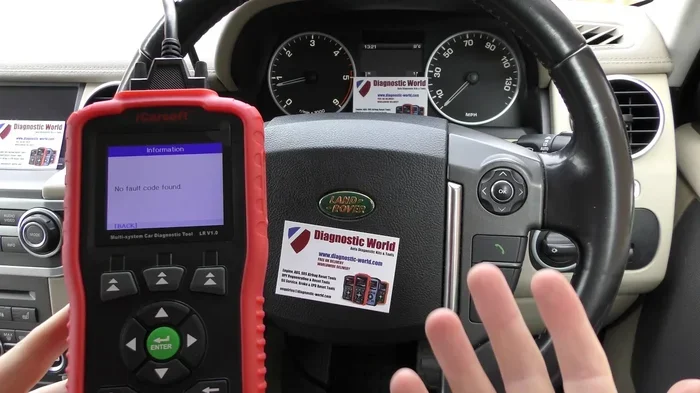
Dealers and qualified locksmiths have specialized tools to diagnose ignition problems quickly. They can read fault codes from the car’s computer, test the ignition switch with diagnostic equipment, and replace worn components correctly. If you are dealing with a car ignition problem that keeps coming back, professional diagnosis is always the smart choice.
Many dealerships also offer key fob replacement and key fob reprogramming services. If your key fob has been damaged or the battery has died and you cannot get the car to recognize it anymore, a dealership can get you back on the road fast. You can find more information about what to expect when visiting a service center in our guide on do dealerships replace key fobs.
Before you visit a professional, try cycling the key properly a few times. Sometimes a simple reset clears the anti-theft system and solves the problem without any cost at all.
Preventing Ignition Key Problems Before They Start
Prevention is always easier and cheaper than repair. A few simple habits can keep your ignition system working smoothly for the life of the vehicle.
- Use the correct key. Never use a copied or worn key as your primary key. Duplicate keys wear faster and may not have a working transponder chip.
- Keep the key clean. Wipe your key regularly to remove dirt and grease. Debris can work its way into the lock cylinder and cause sticking.
- Replace the key fob battery on schedule. Most key fobs use a CR2032 battery that lasts two to three years. Replacing it before it dies prevents starting surprises.
- Do not force the key. If the key does not turn easily, do not push harder. Forcing the key damages both the key and the lock cylinder.
- Have the ignition inspected during regular maintenance. A mechanic can spot early signs of wear in the ignition switch before they become serious problems.
- Avoid placing heavy keychains on your ignition key. Extra weight puts stress on the lock cylinder tumblers and can accelerate wear.
Taking care of your key and ignition system also means taking care of your car battery. A low car battery can cause many of the same symptoms as ignition problems, including slow cranking and no-start conditions. If you have been struggling with starting issues, it is worth checking the battery voltage as well. Learn more about driving with a low key battery and what it means for your car in our article on can I drive my car with a low key battery.
Another simple prevention step is to let the key cycle fully at least once a day. Even if you are just going for a short drive, running through all four positions gives the electrical system a complete workout and keeps the contacts clean.
Expert Insights for Long-Lasting Ignition Performance
Experienced mechanics share a few insider tips that most drivers never hear.
Tip 1: Watch the dashboard lights during cycling. When you turn the key to On, every warning light should come on for about two seconds, then go off. If a light stays on, it is telling you something specific. The oil pressure light staying on means low oil. The battery light staying on means a charging problem. Reading these signals helps you catch problems early.
Tip 2: Replace ignition switches in pairs. If one ignition switch fails, the other one is usually not far behind. Replacing both at the same time saves you a second service visit and the cost of another diagnostic fee.
Tip 3: Keep a spare key in a safe place. A spare key saves you from expensive locksmith calls when the primary key fails. Store it in a different location from your daily driver so you always have a backup.
Tip 4: Do not ignore the anti-theft light. If the security or anti-theft warning light stays on after cycling the key, the car’s computer has locked out the engine. This often happens after a battery dies or when a new battery is installed. Cycling the key five times in a row can sometimes relearn the key’s transponder signal and clear the lockout.
Tip 5: Address electrical issues promptly. Flickering dashboard lights, dim headlights, or slow cranking are all signs of an electrical problem that can affect the ignition system. Fixing these issues early prevents them from cascading into bigger ignition failures.
Key Takeaways
- Key Cycling Basics: Cycling your ignition key activates the car’s electrical systems and prepares the engine to start.
- Common Problems Have Simple Fixes: Most ignition issues like a stuck key or slow crank are easy to resolve at home.
- Battery Health Matters: A weak key fob battery or car battery can mimic ignition problems and cause starting failures.
- Prevention Is Easy: Regular maintenance and proper key handling can extend the life of your ignition system for years.
- Know When to Call a Pro: Some ignition issues require professional diagnosis, especially those involving the anti-theft system or ignition cylinder.
Conclusion
Learning how to cycle an ignition key is one of the most useful skills any driver can have. It takes only a few seconds and costs nothing, yet it can solve many of the starting problems that leave you stranded. By following the steps in this guide, you give your car the best chance to start reliably every time you turn the key.
Remember that most ignition problems are preventable. Regular maintenance, proper key handling, and timely battery replacement go a long way toward keeping your ignition system in top shape. When problems do arise, the troubleshooting steps above help you identify the cause and choose the right fix.
If you have tried everything and your car still will not start, do not hesitate to seek professional help. A qualified mechanic can diagnose issues that are beyond a simple key cycle. But for the majority of drivers, the solution is simpler than they think. A proper key cycle, a fresh battery, and a little patience often do the trick.
Take a few minutes today to practice the cycling steps on your own car. Familiarity with the process makes it second nature when you need it most. Your future self will thank you the next time you are standing in the driveway and the engine turns over right away.
Frequently Asked Questions
Why does my car not start when I turn the ignition key?
There are several possible reasons, including a dead battery, a faulty ignition switch, a worn starter motor, or an issue with the fuel system. Start by checking the battery voltage and making sure the key cycles through all positions properly. If the dashboard lights are dim or do not come on at all, the battery is likely the culprit.
How many times should I cycle the ignition key before seeking help?
Try cycling the key three to five times with a 10-second wait between each attempt. If the car still does not start after that, stop and investigate further. Repeated cycling can drain the battery further, especially if the starter motor is already weak.
Can a bad key fob battery cause ignition problems?
Yes, absolutely. Many modern vehicles rely on the key fob to authorize the start sequence. A low battery in the fob can prevent the car from recognizing the key, which results in a no-start condition. Replacing the fob battery is an easy and inexpensive fix that often solves the problem.
Is it normal for the steering wheel to lock when I turn off the engine?
Yes, this is a normal security feature. The steering wheel lock engages automatically when you turn the key to the Lock position and the wheel is turned slightly. To unlock it, gently wiggle the wheel while turning the key. Never force the key if the wheel is locked.
What should I do if the key breaks off in the ignition?
Do not attempt to extract the broken key yourself with tweezers or other tools, as this can push the pieces deeper into the cylinder. Instead, call a locksmith or visit a dealership. They have specialized tools to remove broken key fragments safely without damaging the ignition lock cylinder.
How often should the ignition switch be replaced?
There is no set replacement interval for the ignition switch. However, if you notice signs like the key feeling loose, the car stalling randomly, or the accessories not working properly, it is time to have the switch inspected. Catching a failing ignition switch early prevents a complete no-start situation.