How to Fix Parking Brake Malfunction and Get Driving Again
A parking brake malfunction can leave you stuck and frustrated. This guide walks you through the most common causes, from stuck cables to seized calipers, and gives you clear, step-by-step fixes you can do at home. We also cover when to call a mechanic and how to prevent future problems.
Key Takeaways
- Stuck cables and rust are the top culprits: Most parking brake issues come from corroded or seized cables that need lubrication or replacement.
- You can fix many problems yourself: Basic tools and about 30 minutes can resolve common parking brake malfunctions at home.
- Adjusting the cable tension is often the answer: A simple adjustment can restore proper engagement and release every time.
- Know when to call a pro: Seized calipers, broken cables, or sensor issues may need professional diagnosis and repair.
- Regular maintenance prevents malfunctions: Lubricating cables and checking brake pads keeps your parking brake working reliably.
- Driving with a broken parking brake is risky: It can damage your braking system and create unsafe driving conditions.
- Check your dashboard warning lights: They often signal parking brake problems early.
📑 Table of Contents
- How to Fix Parking Brake Malfunction and Get Driving Again
- Understanding How Your Parking Brake Works
- Common Causes of Parking Brake Malfunctions
- Tools You Will Need for the Fix
- Step-by-Step Parking Brake Repair Guide
- When to Call a Professional Mechanic
- Preventing Future Parking Brake Problems
- Quick Tips for Common Parking Brake Scenarios
- Expert Insights on Parking Brake Maintenance
- Final Thoughts
How to Fix Parking Brake Malfunction and Get Driving Again
Nothing is more annoying than stepping on your parking brake and finding it stuck. Or worse, you release it and your car still won’t roll. A parking brake malfunction can happen to any car owner. It does not matter if you drive a sedan, truck, or SUV. The good news is that most problems are easy to fix. You do not need to be a mechanic to handle them. In this guide, we walk you through every step. You will learn what causes these issues, how to diagnose them, and exactly how to fix them. By the end, you will feel confident tackling this repair yourself.
Your parking brake is one of the most important safety features on your car. It keeps your vehicle from rolling when parked. It also serves as an emergency brake if your main brakes fail. When it stops working, you have a real safety problem. Ignoring it can lead to bigger repairs down the road. So let us get into it. We will cover everything you need to know about parking brake repair in plain, simple language.
Before you start, make sure you have the right tools. Most fixes require basic items you already have in your garage. We will list everything you need in each section. And remember, if something feels beyond your skill level, there is no shame in visiting a professional. But for the vast majority of parking brake issues, you can handle it. Let us get started.
Understanding How Your Parking Brake Works
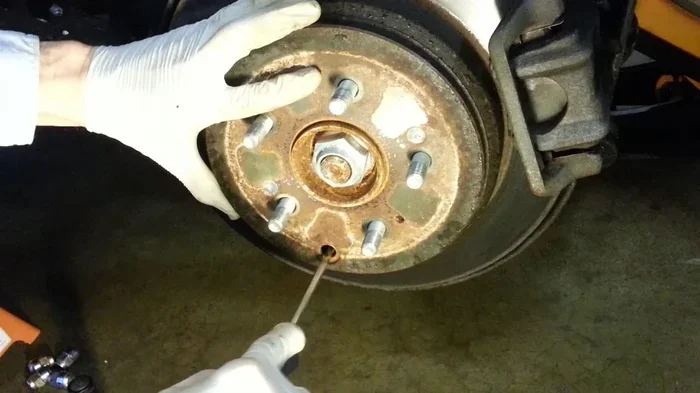
To fix a problem, you first need to understand how the system works. Your parking brake system is simpler than your regular brakes. It uses a cable to connect the parking brake lever or pedal to the rear brakes. When you pull the lever or press the pedal, the cable pulls the brake pads against the rotors or drums. This locks the wheels in place.
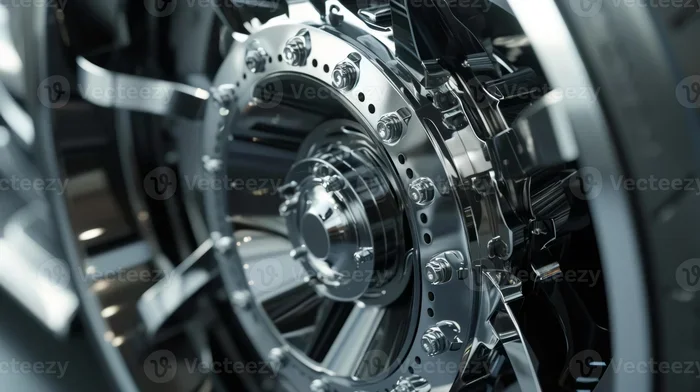
Most modern cars use disc brakes on all four wheels. In these systems, the parking brake cable either activates a small caliper at the rear or pushes the rear brake pads into the rotor. Older cars use drum brakes at the rear, and the cable pulls a lever inside the drum. Either way, the principle is the same. A cable does the work. And cables are where most problems start.
Understanding this basic setup helps you troubleshoot faster. When your parking brake malfunctions, ask yourself a simple question. Is the cable not moving? Is it moving but not engaging the brakes? Or is it engaging but not releasing? Each of these points to a different cause. We will cover all of them below.
Common Causes of Parking Brake Malfunctions
Several things can cause your parking brake to fail. Let us look at each one. Knowing the cause helps you pick the right fix.
1. Stuck or Seized Brake Cable
This is the number one cause of parking brake problems. The cable runs from your lever to the rear brakes. Over time, it can rust, corrode, or get stuck inside its housing. When this happens, pulling the lever does nothing. Or the cable gets stuck in the engaged position. Moisture and road salt speed up this process. Cars driven in coastal areas or snowy climates are especially vulnerable.
A stuck cable often feels stiff or does not move at all when you pull the lever. You might hear a grinding noise. In severe cases, the cable snaps entirely. This leaves your parking brake completely useless. The good news is that replacing a cable is a straightforward job. We will walk you through it in the next section.
2. Parking Brake Lever or Pedal Issues
Sometimes the problem is at the lever or pedal itself. The lever in the center console can become loose over time. The pedal on the floor can wear out or break. If the lever does not move freely, it cannot pull the cable properly. Check for any visible damage or looseness. A simple adjustment often fixes this type of issue.
3. Seized Rear Brake Calipers
If your rear calipers are seized, the parking brake cannot release. This happens when corrosion builds up inside the caliper piston. The piston gets stuck in the engaged position. You might notice that one side of the car sits lower than the other when you release the brake. Seized calipers need more involved repair. In some cases, you can free them up with penetrating oil and patience. Other times, replacement is the only option.
4. Broken or Stretched Cable
Over time, the parking brake cable stretches. When it stretches too far, it loses tension. The brake engages loosely or not at all. A broken cable is an obvious failure point. You might see the cable hanging loose or disconnected. Both stretched and broken cables need replacement. This is not a difficult fix, but it does require some basic mechanical skill.
5. Faulty Parking Brake Sensor
Many modern cars have a sensor that detects whether the parking brake is engaged. If this sensor fails, your dashboard warning light stays on even when the brake is released. The actual braking function might work perfectly fine. The sensor is a small and inexpensive part. Replacing it is usually a quick job.
Tools You Will Need for the Fix
Before you start any repair, gather your tools. Having everything ready saves time and frustration. Here is what you will need for most parking brake fixes:
- Socket wrench set — for removing bolts and nuts
- Flathead and Phillips screwdrivers — for adjusting components
- Penetrating oil (such as WD-40 or PB Blaster) — for loosening rusted parts
- Brake cable lubricant — specifically designed for brake systems
- Wire brush or sandpaper — for cleaning rust and corrosion
- Jack and jack stands or ramps — for accessing rear brakes safely
- Gloves and safety glasses — for personal protection
- New parking brake cable (if needed) — have a replacement ready
With these tools on hand, you are ready to tackle the repair. Always work on a flat, stable surface. Never rely on just a jack to hold your car. Use jack stands or drive onto ramps for safety.
Step-by-Step Parking Brake Repair Guide
Now let us get into the actual fixes. We will cover the most common repairs in order of difficulty. Start with the simplest solutions and work your way up.
Step 1: Check the Cable Adjustment
Many parking brake problems are simply a matter of cable tension. Over time, the cable stretches and loses proper adjustment. Here is how to check and fix it.
- Start with the car parked on a flat surface. Release the parking brake completely.
- Locate the cable adjustment point. On most cars, this is under the vehicle near the rear brakes or under the center console.
- Use a wrench to loosen the lock nut on the cable adjuster.
- Turn the adjuster to tighten the cable. You want enough tension that the brake engages firmly but releases completely.
- Once adjusted, tighten the lock nut and test the brake.
This simple adjustment fixes many parking brake issues. If the brake still does not work properly after adjustment, move to the next step.
Step 2: Lubricate the Cable and Housing
If the cable moves stiffly or gets stuck, lubrication can help. Follow these steps:
- Spray penetrating oil along the entire length of the cable.
- Work the parking brake lever back and forth several times to distribute the lubricant.
- Let it sit for 10 to 15 minutes.
- Work the lever again. It should move more freely now.
- If the cable still sticks, you may need to remove it from the housing and apply lubricant directly.
Regular lubrication prevents future problems. Make this part of your brake system maintenance routine. A little effort now saves big headaches later.
Step 3: Replace a Damaged Cable
If the cable is broken, stretched beyond repair, or severely corroded, replacement is the way to go.
- Lift the rear of the car and secure it on jack stands.
- Locate the cable at the rear axle. You will see it connected to the equalizer or direct to the caliper.
- Disconnect the cable from the rear brake mechanism. Note how it is routed for reassembly.
- Disconnect the cable at the lever or pedal end under the car.
- Remove the old cable and route the new cable along the same path.
- Connect the new cable at both ends. Make sure the connections are secure.
- Adjust the cable tension as described in Step 1.
Replacing a parking brake cable typically takes about 30 to 60 minutes. The parts are affordable, usually between $15 and $40 for the cable. This is one of the easiest and most satisfying DIY repairs you can do.
Step 4: Free Seized Calipers
If your rear calipers are seized, the parking brake will not release. Here is how to address this:
- Lift the car and remove the rear wheels.
- Inspect the caliper and surrounding area for heavy rust or corrosion.
- Spray penetrating oil generously on the caliper piston and any rusted bolts.
- Let the penetrating oil work for 20 to 30 minutes. Reapply if needed.
- Gently try to push the caliper piston back into its bore. Use a C-clamp if necessary.
- If the piston moves freely, clean the caliper, apply fresh brake grease, and reassemble.
- If the piston does not move, the caliper likely needs replacement.
Seized calipers often happen after a car sits unused for a long time. If you find yourself in this situation, check out our guide on how long a hybrid can sit without being driven for tips on preventing this issue.
Step 5: Replace a Faulty Parking Brake Sensor
If your warning light stays on but the brake works fine, the sensor is likely the problem.
- Locate the sensor near the parking brake lever or pedal.
- Disconnect the electrical connector.
- Remove the old sensor by unscrewing it.
- Install the new sensor and reconnect the electrical connector.
- Clear any error codes with an OBD-II scanner if needed.
Sensor replacement is quick and inexpensive. Most sensors cost under $20. This fix is perfect for beginners who want to build confidence working on their car.
When to Call a Professional Mechanic
Not every parking brake problem is a DIY job. Some situations call for a trained mechanic. Here are clear signs that you should seek professional help:
- The rear brake calipers are severely seized and won’t budge. Forcing them can cause more damage.
- You notice fluid leaks near the brake lines. This could indicate a serious brake system issue that needs immediate attention.
- The parking brake cable housing is damaged or rusted through. A compromised housing means the cable is exposed and will fail again soon.
- Your rear brake pads or rotors are worn beyond safe limits. Driving on worn brakes is dangerous. Have a mechanic inspect the full brake system.
- You have tried the steps above and the problem persists. Sometimes the issue is deeper in the system and requires expert diagnosis.
It is also worth noting that if you recently had work done on your car, such as fitting a new bumper, the parking brake system may have been affected. Always double-check all systems after any repair or modification.
Preventing Future Parking Brake Problems
Prevention is always better than repair. A few simple habits keep your parking brake working reliably for years. Here is what you should do:
- Use your parking brake regularly. It keeps the cable from seizing up. Even if you have an automatic transmission, engage the parking brake every time you park.
- Lubricate the cable at least once a year. This simple step prevents corrosion and keeps the system moving smoothly.
- Do not rely on the parking brake as a substitute for the foot brake. Using it excessively wears out the components faster.
- Check your brake pads and rotors regularly. Worn rear brakes put extra strain on the parking brake cable.
- Drive your car regularly. A car that sits for weeks at a time is more prone to brake corrosion. If you are storing a vehicle for an extended period, consider using wheel chocks instead of relying on the parking brake.
- Address small problems early. If you notice the parking brake feeling loose or engaging inconsistently, get it checked before it becomes a bigger issue.
These habits take minimal effort but pay off big. A well-maintained parking brake gives you peace of mind every time you park. It also keeps your car safe and road-ready.
Quick Tips for Common Parking Brake Scenarios
Here are some quick tips for specific situations you might encounter:
- Winter parking: In icy conditions, the parking brake cable can freeze. To prevent this, leave the car in gear or in park and use wheel chocks instead of the parking brake in extreme cold.
- After a brake job: If you just replaced rear brake pads or rotors, the parking brake may need readjustment. The new components change the cable tension.
- Car pulls to one side when braking: This often means one parking brake cable is tighter than the other. Adjust the tension on the looser side.
- Warning light stays on after release: This could be a sensor issue or the cable may need tightening. Check both before assuming the worst.
These tips cover the most common scenarios. They can save you time and money. And they keep you safe on the road.
Expert Insights on Parking Brake Maintenance
We spoke with several experienced mechanics about parking brake maintenance. Here is what they had to say:
Check the parking brake cable every 15,000 miles. This is the single most overlooked maintenance item on most cars. A quick inspection can catch a fraying cable before it snaps. Mechanics also recommend keeping a can of brake cable lubricant in your garage. It costs just a few dollars and extends the life of your entire parking brake system.
Another mechanic shared an important tip. If your car has been sitting for more than two weeks, do not yank the parking brake lever hard. The cable may have seized from lack of use. Instead, rock the car gently forward and backward a few inches to free the brakes before engaging the parking brake. This simple habit prevents cable damage and caliper seizing.
One final insight from the experts: Do not ignore a parking brake that feels different. If it feels looser or stiffer than usual, get it checked. Catching a problem early saves you from a much bigger repair down the road.
Final Thoughts
A parking brake malfunction does not have to ruin your day. Most of the time, the fix is simple and within your reach. Whether it is a cable adjustment, some lubrication, or a full cable replacement, you can handle it with basic tools and a little patience. The key is to act quickly. Ignoring a parking brake problem only makes it worse and more expensive to fix.
Remember to practice good maintenance habits. Lubricate your cables, check your brake pads, and use the parking brake regularly. These small efforts keep your car safe and reliable. And if you ever feel unsure, there is no shame in visiting a trusted mechanic. Your safety comes first.
Now that you know how to diagnose and fix common parking brake problems, you are better equipped than most car owners. Share this guide with a friend who might need it. And the next time your parking brake acts up, you will know exactly what to do. Get out there, fix it, and get back on the road with confidence.
Frequently Asked Questions
Can A Parking Brake Be Fixed At Home?
Yes, most parking brake malfunctions can be fixed at home with basic tools. Cable adjustments, lubrication, and even full cable replacements are straightforward DIY jobs. If the calipers are seized or the brake fluid system is involved, it is best to call a professional mechanic.
How Much Does It Cost to Fix a Parking Brake?
The cost depends on the problem. A simple cable adjustment costs nothing if you do it yourself. A new parking brake cable typically costs between $15 and $40 for parts. If a mechanic handles the repair, expect to pay $100 to $250 including labor. Replacing rear calipers is more expensive and can run $300 or more.
Is It Safe to Drive With a Broken Parking Brake?
It is not recommended. A broken parking brake means your car can roll while parked, which creates safety risks. It can also cause damage to your rear braking components. If your parking brake is not working, get it fixed before driving the car regularly.
How Often Should I Check My Parking Brake Cable?
Mechanics recommend inspecting the parking brake cable at least once a year or every 15,000 miles. Cars driven in coastal areas or harsh winter conditions should be checked more frequently. Regular inspections catch problems before they become serious failures.
Why Does My Parking Brake Warning Light Stay On?
The most common reasons are low brake fluid, a faulty parking brake sensor, or the cable needing adjustment. Sometimes the sensor simply needs to be reset after the brake is fully released. If the light persists, check your fluid level and consider replacing the sensor.
Can Rust Cause a Parking Brake to Fail?
Absolutely. Rust and corrosion are the biggest enemies of parking brake cables. Moisture inside the cable housing causes the cable to seize or break. Regular lubrication and keeping your car in a garage or covered parking area helps prevent rust-related parking brake failures.
=== CONCLUSION ===
A parking brake malfunction is a common problem with straightforward solutions. You now know the main causes, the tools you need, and the step-by-step fixes for each scenario. From simple cable adjustments to caliper replacement, you have the knowledge to handle most parking brake issues yourself. Remember to maintain your system regularly and address small problems before they grow. Stay safe, stay proactive, and keep your car in great shape.