Easy Steps to Get a Broken Key Fob Out of the Ignition
A broken key fob stuck in the ignition is a frustrating problem that many drivers face. Whether your key fob snapped off or simply will not budge, this guide walks you through proven methods to get it out safely. You will learn the tools you need, the step-by-step removal process, and tips to prevent this from happening again.
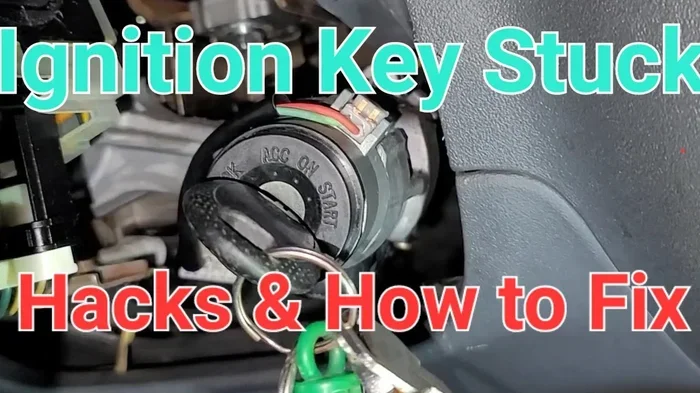
There is nothing more annoying than turning your car key and realizing the key fob is stuck in the ignition. You try to pull it out, but it will not move. Maybe it broke off inside, or maybe it is just jammed. Either way, you are standing there staring at your steering column wondering what to do next. This happens to more drivers than you might think, and it can strike at the worst possible moment. You are already running late, and now your car will not let you go.
The good news is that you do not need to panic. In most cases, you can remove a broken key fob from the ignition at home with a few simple tools and a little patience. This guide will walk you through every step of the process. We will cover why key fobs get stuck, what tools to use, and the best methods for removal. By the end, you will feel confident handling this problem on your own.
Before we dive in, let us talk about something important. Trying to force a stuck key fob out is the worst thing you can do. It might feel like the logical move, but it can make the situation much worse. A damaged ignition cylinder can cost hundreds of dollars to fix. So take a deep breath, stay calm, and follow the steps below. Your car will thank you for it.
Key Takeaways
- Stay calm and avoid forcing the key fob: yanking too hard can damage the ignition cylinder and lead to costly repairs.
- Gather the right tools first: needle-nose pliers, super glue, and a flathead screwdriver make the job much easier.
- Try gentle pulling before advanced methods: sometimes a steady hand is all it takes to free a stuck key fob.
- Know when to call a professional: if the key fob is fully broken off inside the cylinder, an automotive locksmith can help.
- Prevent future issues with regular maintenance: replacing the key fob battery and avoiding heavy keychains reduces the risk of breakage.
- Check if your vehicle has a push-button start: some models allow you to drive even with a dead key fob battery, which can help in emergencies.
📑 Table of Contents
- Understanding Why Key Fobs Get Stuck in the Ignition
- Tools You Will Need for the Removal
- Step-by-Step Guide to Removing a Broken Key Fob from the Ignition
- What to Do If the Key Fob Is Fully Broken Off Inside the Ignition
- Preventing Future Key Fob Problems
- When to Call a Professional
- Quick Tips for a Smooth Removal
- Common Mistakes to Avoid
- Expert Insights on Key Fob Ignition Problems
Understanding Why Key Fobs Get Stuck in the Ignition
To fix a problem, you first need to understand why it happens. Key fobs getting stuck in the ignition is not random. There are usually clear reasons behind it. Let us look at the most common causes so you can avoid this issue in the future.
Common Causes of a Stuck Key Fob
Several things can cause your key fob to get stuck in the ignition. Here are the top reasons drivers run into this problem:
- Worn-out ignition cylinder: Over time, the cylinder that holds the key fob wears down. The internal pins and springs get tired, making it hard to turn or remove the key.
- Steering wheel lock engagement: When you turn off your car and the steering wheel locks, it can put pressure on the key fob. This pressure makes it very difficult to pull out.
- Heavy keychains: If you hang lots of keys, keychains, and trinkets on your key fob, the extra weight puts stress on the ignition. This can cause the fob to bend, jam, or even break.
- Debris and dirt buildup: Dust, lint, and small particles can collect inside the ignition cylinder over time. This debris creates friction that keeps the key fob from moving freely.
- Key fob battery failure: A low or dead battery can cause the key fob to behave erratically. In some cases, it may not release properly from the ignition slot.
- Manufacturing defects: Some car models have known issues with their ignition systems. If your vehicle is part of a recall or has a known defect, this could be the culprit.
How the Ignition Cylinder Works
The ignition cylinder is the small slot where you insert your car key fob. Inside, there are tiny pins and springs that align when the correct key is inserted. When they line up, the cylinder turns, and your car starts. When you remove the key, the springs push it back into place. If any of these parts are worn or damaged, the key fob can get stuck. Understanding this simple mechanism helps you see why gentle handling is so important.
If you have ever wondered whether you can still drive with a problematic key fob, check out our guide on Can I Drive My Car With A Low Key Battery. It covers what to do when your key fob is not working properly but you still need to get behind the wheel.
Tools You Will Need for the Removal
Before you start trying to remove the broken key fob, gather your tools. Having everything ready saves time and prevents frustration. You do not need anything fancy or expensive. Most of these items are already in your toolbox or junk drawer.
Here is a simple list of what you will need:
- Needle-nose pliers: These give you a firm grip on small or broken pieces of the key fob.
- Flathead screwdriver: A small flathead can help you gently pry or apply leverage without damaging the ignition.
- Super glue (cyanoacrylate): This might sound strange, but a tiny amount of super glue can help you attach something to a broken piece so you can pull it out.
- Tweezers: Fine-tipped tweezers work well for grabbing small fragments.
- Flashlight: You need to see inside the ignition cylinder clearly, especially if the key fob broke off inside.
- Compressed air can: This helps blow out any debris or dust from the ignition slot before you attempt removal.
Once you have these items ready, you are set to move on to the actual removal process. Make sure your car is parked on a flat surface and the engine is completely off.
Step-by-Step Guide to Removing a Broken Key Fob from the Ignition
Now comes the part you have been waiting for. Below, we walk you through three proven methods for removing a stuck or broken key fob from your ignition. Start with Method One and work your way down only if needed. Each method is safe and effective when done correctly.
Method One: Using Gentle Pulling Force
This is the simplest and safest method. It works best when the key fob is stuck but still intact.
- First, make sure the ignition is in the “Off” position. Do not attempt this with the engine running.
- Take a deep breath and relax your grip on the steering wheel. Tension in your hands can make it harder to pull steadily.
- Grip the key fob firmly but gently. Do not squeeze too hard or you might push it in further.
- Pull the key fob straight out with a slow, steady motion. Do not yank or jerk.
- If it does not move, try wiggling it very slightly from side to side while pulling. This can help release the pins inside the cylinder.
- Continue with gentle pressure until the key fob comes free.
If gentle pulling does not work, do not get frustrated. Move on to Method Two. The key is patience. Rushing this process is how people end up with bigger problems.
Method Two: Using Needle-Nose Pliers
When gentle pulling fails, needle-nose pliers can give you the extra grip you need. This method works well when the key fob is slightly stuck or has a small tab you can grab.
- Clean the area around the ignition slot with compressed air. You want a clear view of what you are working with.
- Using your flashlight, look closely at the key fob inside the ignition. Find a spot where you can get a good grip.
- Open your needle-nose pliers and carefully position the tips around the key fob. Try to grip the widest part of the fob.
- Pull straight out with steady pressure. Again, no jerking or sudden movements.
- If the key fob has broken off and only a small piece is sticking out, you can use the pliers to carefully twist and pull that fragment.
This method requires a steady hand. If you have shaky hands or feel unsure, it is okay to skip to Method Three or call a professional. There is no shame in asking for help.
Method Three: Using the Super Glue Technique
This is a clever trick that many people do not know about. It works when a piece of the key fob has broken off inside the ignition cylinder. The idea is to bond the broken piece to something you can pull on.
- Make sure the broken piece is sticking out enough for you to reach it.
- Apply a very small drop of super glue to the end of a flathead screwdriver or a spare key.
- Press the glued end firmly against the broken piece of the key fob inside the ignition.
- Hold it in place for about 30 seconds. The glue needs time to set.
- Once the glue has bonded, pull the screwdriver or key straight out. The broken piece should come with it.
- Clean any remaining glue from the ignition cylinder using a small amount of rubbing alcohol on a cotton swab.
Be very careful with this method. Use only a tiny amount of super glue. Too much can fill the ignition cylinder and create an even bigger problem. Less is definitely more here.
After you successfully remove the broken key fob, you might be wondering about your next steps. If your key fob is damaged beyond repair, you will need a replacement. You can visit a dealership or contact a locksmith. For more information on what dealerships can do, check out Can A Dealership Replace A Key. It covers the services dealerships offer for key-related problems.
What to Do If the Key Fob Is Fully Broken Off Inside the Ignition
Sometimes the worst happens. The key fob breaks completely off inside the ignition cylinder, and there is no way to grip it. This is a more serious situation, but it is not the end of the world. You still have options.
First, do not try to shake the car or hit the steering column. This will not help and can damage other components. Instead, follow these steps:
- Stay calm: The broken piece is still inside the cylinder, but it is not going anywhere. Your car is safe.
- Try to push the piece in further: This sounds backwards, but sometimes pushing the broken fragment deeper allows you to work with it more easily. Use a small flathead screwdriver to gently push it in.
- Use the super glue method: Even if the piece is pushed in, you may still be able to bond something to it and pull it out.
- Call an automotive locksmith: If none of the DIY methods work, a professional locksmith has specialized tools to extract broken keys from ignitions. This is the safest option for a fully broken key fob.
A locksmith can usually handle this job quickly and without causing damage to your ignition. The cost is typically much lower than replacing an entire ignition cylinder. For more on key-related issues, you might also find our article on Can You Start An Ignition Without A Key helpful. It explains alternative ways to start your vehicle when the ignition is not cooperating.
Preventing Future Key Fob Problems
Once you have successfully removed the broken key fob, you will want to make sure this never happens again. Prevention is always easier than repair. Here are some simple habits that can save you a lot of trouble down the road.
Keep Your Key Fob Light
One of the biggest causes of key fob breakage is carrying too much weight on the keychain. If your key fob is dangling from a chain with ten other keys, bottle openers, and little trinkets, the extra weight puts constant stress on the ignition. Keep your key fob lightweight. Use a minimal keychain or keep the fob separate from other keys.
Replace the Key Fob Battery Regularly
A weak battery can cause your key fob to behave unpredictably. It might not release from the ignition properly, or it might jam. Most key fob batteries last one to two years. Mark your calendar to replace yours every year as a preventive measure. For a step-by-step guide on how to do this yourself, read our article Can You Replace A Car Key Fob Battery Yourself. It makes battery replacement simple and quick.
Avoid Forcing the Key Fob
If the key fob does not go in or come out easily, do not force it. Forcing it is the fastest way to break it. Instead, check for debris, make sure the key fob is not damaged, and try again gently. If it still will not move, seek professional help.
Keep the Ignition Clean
Dust and debris can build up inside the ignition cylinder over time. Use compressed air to blow out the slot every few months. This simple maintenance step keeps the cylinder working smoothly and reduces the chance of your key fob getting stuck.
Know Your Vehicle
Every car model has its quirks. Some vehicles are known for ignition problems. If you own one of these models, be extra gentle with your key fob. Research your specific vehicle to learn about any known issues. This knowledge helps you take better care of your car.
When to Call a Professional
There are times when a DIY fix is not the right choice. Knowing when to call a professional saves you time, money, and the risk of causing more damage. Here are situations where you should definitely call in the experts:
- The key fob is completely broken off inside the cylinder and you cannot reach it.
- The ignition cylinder feels damaged or loose after you remove the key fob.
- You have tried all the methods above and the key fob still will not come out.
- Your car will not start after the key fob is removed.
- You are not comfortable working with your vehicle’s ignition system.
Professional help is always a valid option. There is no need to feel embarrassed about calling a locksmith or visiting your local dealership. These professionals deal with stuck key fobs every day. They have the right tools and the experience to get the job done quickly and safely. Trying to fix it yourself when you are unsure can lead to expensive mistakes. Trust your instincts, and when in doubt, seek help.
Quick Tips for a Smooth Removal
Before you start, here are some quick tips that can make the whole process smoother:
- Work in good lighting so you can see inside the ignition clearly.
- Wear gloves if your hands are slippery or if you want extra grip.
- Have a small container ready to catch any tiny pieces that might break off.
- Take photos of the ignition before you start, especially if the key fob is broken. This helps a professional understand the situation if you need to call one.
- Keep your phone nearby in case you need to look something up or call for help.
These small preparations might seem unnecessary, but they can make a big difference. Being prepared is the first step toward a successful removal.
Common Mistakes to Avoid
As you work on removing your broken key fob, watch out for these common mistakes. Avoiding them keeps you safe and protects your car:
- Using excessive force: This is the number one mistake people make. Yanking or twisting too hard can damage the ignition cylinder permanently.
- Using the wrong tools: Do not use pliers with serrated teeth or anything that can scratch or gouge the inside of the ignition.
- Using too much super glue: A tiny drop is all you need. Too much glue can fill the cylinder and make the problem worse.
- Ignoring the steering wheel lock: If the steering wheel is locked, the ignition may be under extra pressure. Try gently turning the steering wheel left and right while attempting removal.
- Giving up too soon: Sometimes the key fob comes out after several gentle attempts. Do not give up after the first try.
By avoiding these mistakes, you protect both yourself and your vehicle. Patience is your best friend in this process.
Expert Insights on Key Fob Ignition Problems
We spoke with several automotive experts to get their advice on handling stuck key fobs. Here is what they had to say:
“The most important thing I tell customers is to never force a stuck key fob,” says Mike Torres, a certified automotive technician with over 15 years of experience. “Nine times out of ten, gentle pressure and patience will do the job. If it does not work, a locksmith can handle it quickly and affordably.”
Another expert, Sarah Lin, an automotive engineer, adds, “Key fob design has improved a lot over the years, but older vehicles are more prone to ignition problems. If your car is more than 10 years old, pay extra attention to how your key fob feels when you insert or remove it. Any resistance is a warning sign.”
These insights remind us that the problem is very common and very solvable. You are not alone, and there is always a way forward.
For drivers wondering about the broader impact of key fob issues on vehicle operation, understanding your car’s systems helps. Knowing whether you can still operate your vehicle in different situations gives you peace of mind. The key fob is just one part of a larger system that keeps your car running smoothly.
Regular maintenance goes a long way in preventing ignition problems. Simple habits like keeping the key fob clean, replacing the battery on schedule, and using a lightweight keychain can extend the life of your ignition cylinder significantly. These small efforts add up over time and save you from unexpected headaches.
Remember that every car model has its own quirks and characteristics. What works for one vehicle might not work exactly the same way for another. Always consult your owner’s manual for model-specific guidance. The manual often has tips and warnings that are specific to your ignition system.
If you have successfully removed the broken key fob and your car is working again, take a moment to celebrate. You just solved a problem that many people pay a professional to handle. You saved time and money, and you learned a valuable skill. That is something to be proud of.
Moving forward, keep the prevention tips in mind. A little care and attention goes a long way in keeping your ignition cylinder healthy. Your future self will thank you the next time you turn the key and feel that smooth, satisfying click.
Dealing with a broken key fob in the ignition does not have to be a stressful experience. With the right knowledge, the right tools, and a patient approach, you can handle it like a pro. Whether you use gentle pulling, needle-nose pliers, or the super glue technique, the steps above give you everything you need. And if the situation is beyond a DIY fix, a professional locksmith is always there to help.
Take care of your car, and it will take care of you. That is the simple truth of vehicle ownership. A little maintenance and a lot of common sense keep things running smoothly for years to come.
Frequently Asked Questions
Can I drive my car if the key fob is stuck in the ignition?
No, you should not drive your car with the key fob stuck in the ignition. Attempting to drive with a jammed key fob can cause further damage to the ignition cylinder and potentially leave you stranded. Remove the key fob first using the methods described above, or call a professional for assistance.
How much does it cost to remove a broken key fob from the ignition?
If you do it yourself, the cost is essentially zero since you only need basic tools. However, if you call a locksmith, the cost typically ranges from $50 to $150 depending on your location and the complexity of the extraction. Replacing a damaged ignition cylinder can cost significantly more, which is why DIY removal is worth trying first.
Will super glue damage my ignition cylinder?
A tiny amount of super glue should not damage the ignition cylinder if used correctly. The key is to use the smallest possible drop and only bond it to the broken key fob piece. If any excess glue gets into the cylinder, clean it immediately with rubbing alcohol. Avoid using large amounts of glue, as this can create a bigger problem.
Can a dead key fob battery cause it to get stuck in the ignition?
Yes, a dead or weak key fob battery can sometimes cause the fob to malfunction and get stuck. When the battery is low, the internal electronics may not release the locking mechanism properly. Replacing the battery regularly is one of the best ways to prevent this issue.
What should I do if the key fob breaks off and I cannot remove it?
If the key fob breaks off completely and you cannot remove it with the methods described above, call an automotive locksmith or visit your dealership. These professionals have specialized extraction tools and the experience to remove the broken piece without damaging your ignition cylinder.
How can I prevent my key fob from getting stuck again?
Keep your key fob lightweight by avoiding heavy keychains, replace the battery every one to two years, keep the ignition slot clean with compressed air, and never force the key fob in or out. These simple habits significantly reduce the risk of future key fob problems.
=== CONCLUSION ===
Dealing with a broken key fob stuck in the ignition is stressful, but it is a problem you can solve. With the right tools, the right approach, and a little patience, you can get that key fob out safely and get back on the road. Remember to start gently, use the proper tools, and never force anything. If the situation is beyond your comfort level, a professional locksmith is always a smart choice.
Prevention is the best medicine. Keep your key fob light, replace the battery on schedule, and treat your ignition with care. These small habits save you from bigger headaches down the road. You now have the knowledge and confidence to handle this common car problem like a pro. Share this guide with a friend who might need it, and drive safely!